
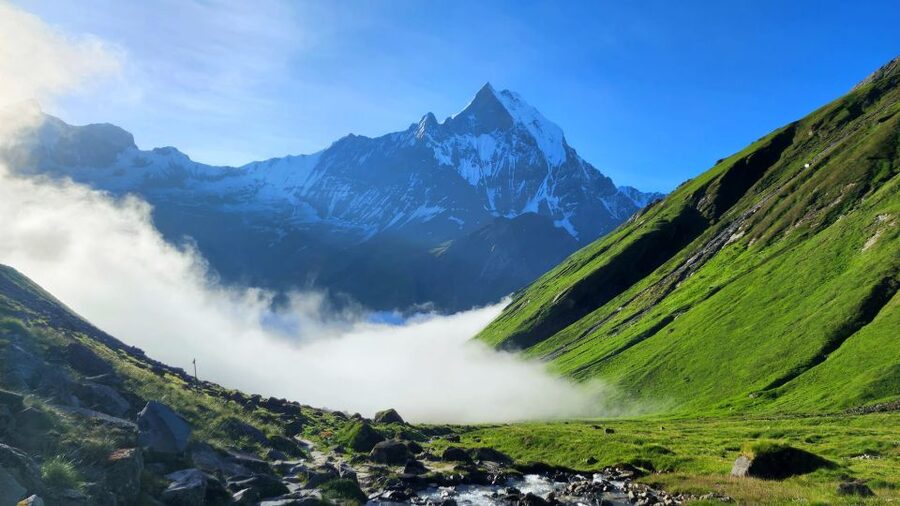
Reviewed · ANNAPURNA SANCTUARY TREKS
Pokhara: 9-Day Annapurna Base Camp Trek with Poon Hill
Sunrise over the Himalayas is a game changer. This 9-day Annapurna Base Camp trek pairs the wow moment at Poon Hill with quieter hiking through villages and rhododendron forests. You also get a real recovery stop at Jhinu Dada hot springs.
I like that the route gives you big views in stages, not all at once. I also like how the trip is handled end-to-end with permits/paperwork, accommodation, and a live English/Hindi guide. One thing to think about: the early days include a serious stair climb (over 3,000 steps), and the high point at Base Camp (4,130m) can feel tough if you’re sensitive to altitude.
In This Review
- Key Points That Matter
- Poon Hill Sunrise and the Annapurna Promise
- Day 1–2: Pokhara to Tikhedhunga and the Ulleri Step Climb
- Day 3: Poon Hill at 3,210m and the Forest Trek to Tadapani or Chuile
- Day 4–5: Sinuwa and Deurali, With Annapurna and Machhapuchhre in View
- Day 6: Deurali to Annapurna Base Camp (4,130m) — The Big Moment
- Day 7: From Annapurna Base Camp Down to Bamboo
- Day 8–9: Jhinu Dada Hot Spring and Back to Lakeside Pokhara
- Price and What’s Included vs. What You Still Need to Budget
- Guides, Pace, and the Human Side of the Trek
- Altitude, Monsoon, and Leeches: Practical Safety Stuff
- Should You Book This Trek?
- FAQ
- How long is the trek?
- Where does the trek start and is pickup included?
- What languages are the guides?
- What is the highest point on this trek?
- Are meals included?
- Is transportation included?
- What’s not included in the price?
- Is cancellation flexible?
Key Points That Matter
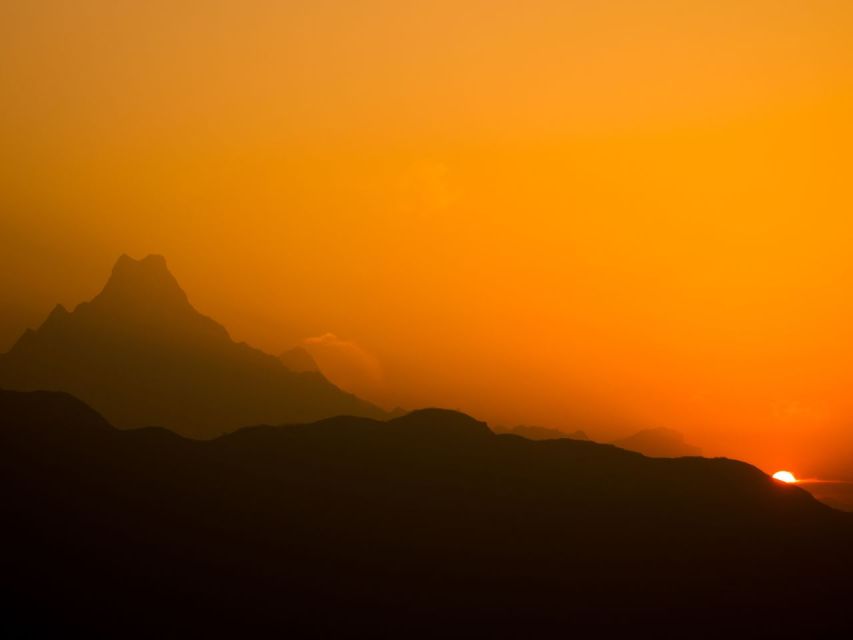
- Poon Hill sunrise (3,210m): Expect early starts and serious mountain color.
- Rhododendron forests on multiple days: A lot of the trek feels green, especially when plants are in bloom.
- Ulleri stairs (3,000+ steps): Good legs day, not a lazy stroll day.
- Annapurna Base Camp at 4,130m: The “I can’t believe I’m here” moment.
- Jhinu Dada hot spring (1,600m): An actual muscle-soothing payoff after the descent.
- Private group with a live guide (English/Hindi): You hike with real support and route help.
More Poon Hill and Ghorepani routes, weighed by nights and effort.
- Poon hill Trek 3 days★ 5.0 · 176 reviews
- Pokhara: 4-Day Ghorepani, Poonhill & Ghandruk Mountain Trek★ 5.0 · 132 reviews
- Ghorepani – Poon Hill Trek 3N-4D★ 5.0 · 125 reviews
- From Pokhara: 3-Day Ghorepani Poon Hill Trek with Guide★ 4.9 · 68 reviews
Poon Hill Sunrise and the Annapurna Promise
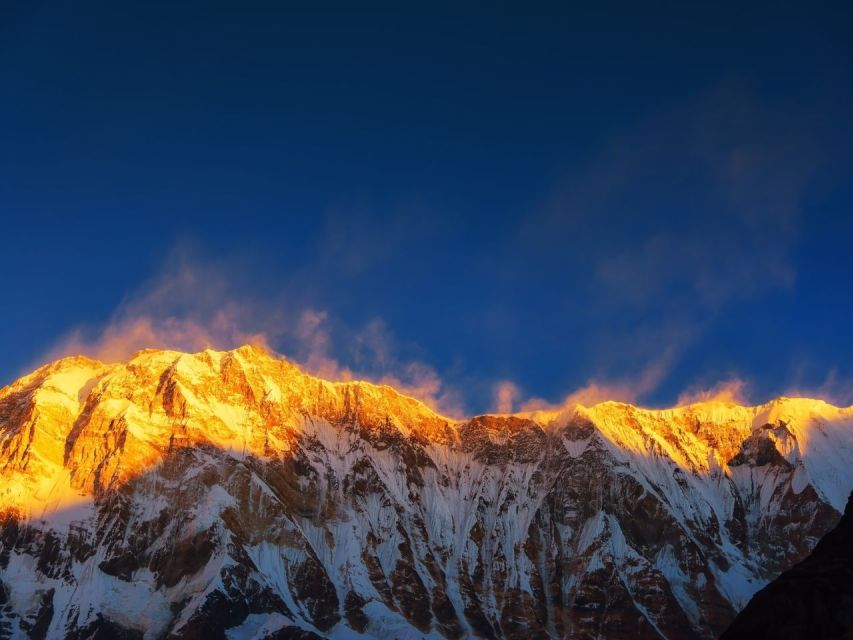
The whole reason people pick this trek is simple: you get an honest shot of the Himalayas at daybreak, then you keep hiking until you’re standing near the Annapurna massif itself. Poon Hill is the hook. Annapurna Base Camp is the finish line.
I also appreciate that this route doesn’t treat the trail like a conveyor belt. You move through smaller stops with tea houses and village life. That matters because Annapurna treks can feel like a series of “checkpoints.” Here, you get time to slow down, look around, and still make steady altitude gains.
If you’re hoping for a walk that never gets steep, this isn’t it. You’ll climb stairs, trek through forests, and reach sleeping elevations that can make you breathe a bit harder. But the structure is smart: you’re building your rhythm before you push higher.
Day 1–2: Pokhara to Tikhedhunga and the Ulleri Step Climb
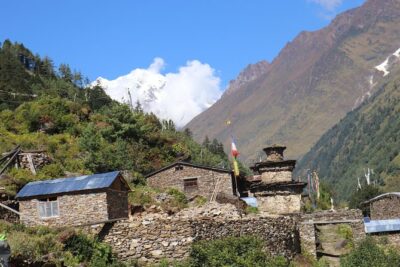
You start in Pokhara, then get a short cab ride to Nayapul. Day 1 is about a 2-hour drive plus a 3-hour trek to Tikhedhunga (1,570m). The trek follows the Modi Khola River, plus you pass through villages that feel lived-in rather than staged for tourists. Expect rhododendron forests along the way, and tea house downtime at the end of the day so you can settle before the climbs start.
Day 2 is where the legs get a reality check. You hike to Ghorepani (2,840m) in about 6 hours, including the big push up to Ulleri village with over 3,000 steps. When rhododendrons are blooming, those steps feel less like punishment and more like a slow march through color. When it’s not blooming, it’s still a classic Annapurna trek day: patterned switchbacks, stone steps, and the kind of elevation gain that makes you pay attention to your breathing.
What makes Tikhedhunga and Ghorepani valuable is timing. You’re not thrown into Base Camp altitude right away. You’re building your hiking rhythm and getting used to carrying your day bag on steep terrain.
Possible drawback: the stairs on Day 2 can be rough if you arrive with tired calves or you go too fast. Keep your pace easy. Save your energy for the morning on Day 3.
Day 3: Poon Hill at 3,210m and the Forest Trek to Tadapani or Chuile
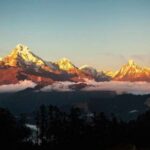
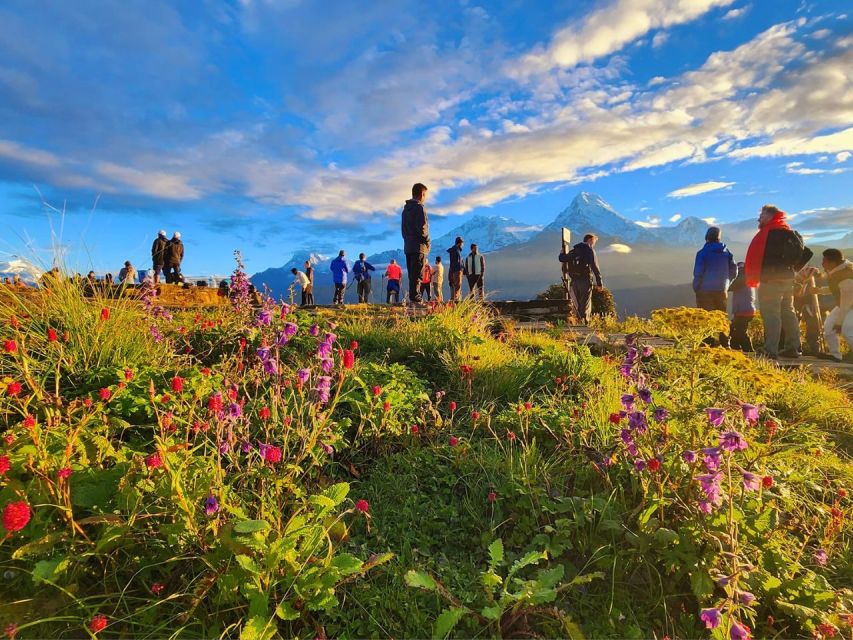
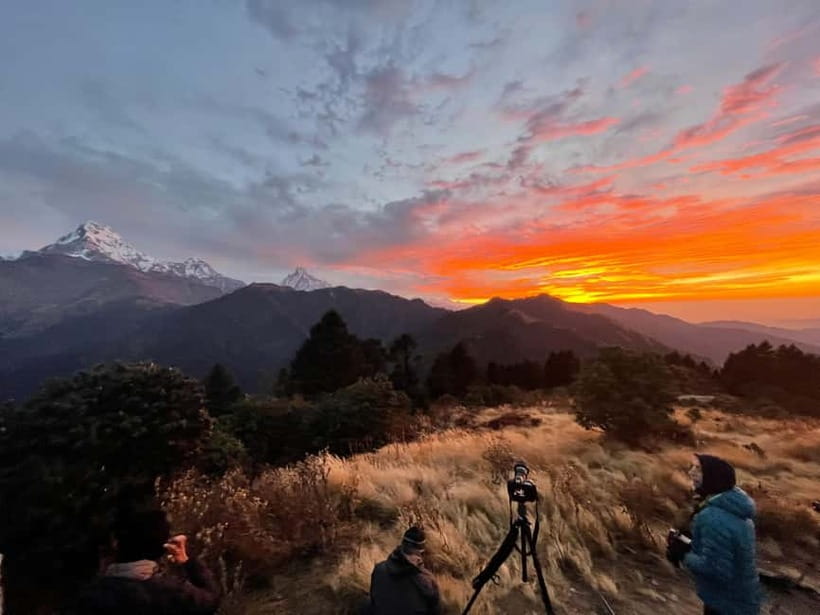
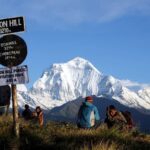
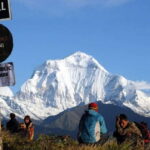
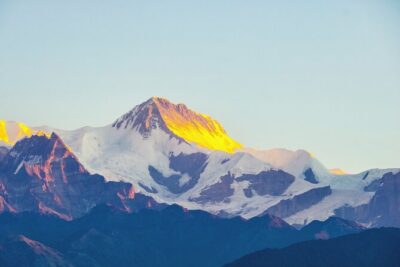
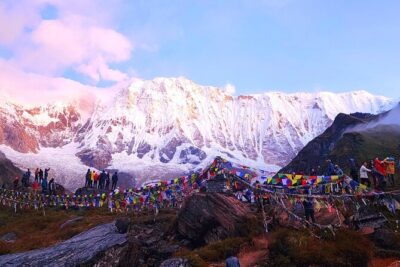
Day 3 begins with the reason you stayed overnight in the region. You go for sunrise from Poon Hill (3,210m) for about 1 hour. This is the moment people talk about because sunrise here tends to paint the snow and ridgelines with bright tones. It’s the classic mountain “orange and red reflections” vibe—exactly the kind of visual payoff that makes early mornings worth it.
After you come back down, you trek toward Tadapani or Chuile (around 2,400m) over about 6 hours. The hike becomes more about rhythm and scenery than big altitude bursts. You’ll move through forested stretches, including rhododendron areas, which makes the air cooler and the trail feel more protected from sun and wind.
The practical part: Day 3 is long, and you’re doing sunrise plus hiking in the same day. That means you need a solid snack plan (even if you eat all your meals on schedule). If you’re the type who forgets to drink water until you’re thirsty, this is your reminder to drink earlier.
A small caution: you’ll gain and lose elevation on the day, so your legs might feel it after sunrise when you start descending and re-climbing in the forest.
Day 4–5: Sinuwa and Deurali, With Annapurna and Machhapuchhre in View
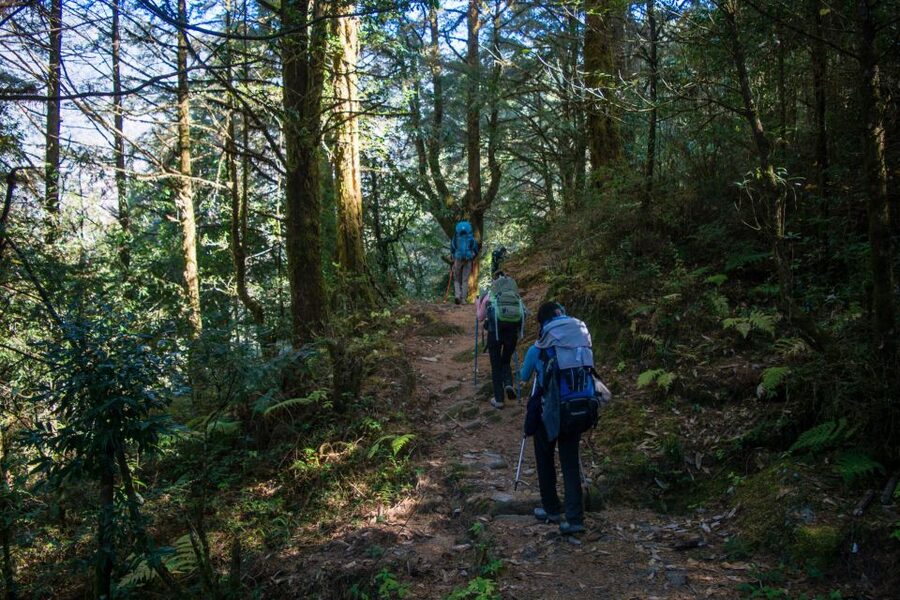
Day 4 goes Chuile to Sinuwa (around 2,170m) for about 5 hours. As you travel onward, the terrain shifts into a more scenic, river-and-valley feel. Your description of this section includes the convergence of the Kumrung and Modi Rivers, which is one of those “only in this valley” details that makes the trek feel grounded and real—not just a series of elevations.
What you’ll likely enjoy here: the sense that the trek is starting to feel like a journey toward something. The early days feel like approach work. Day 4 starts to feel like you’re getting closer.
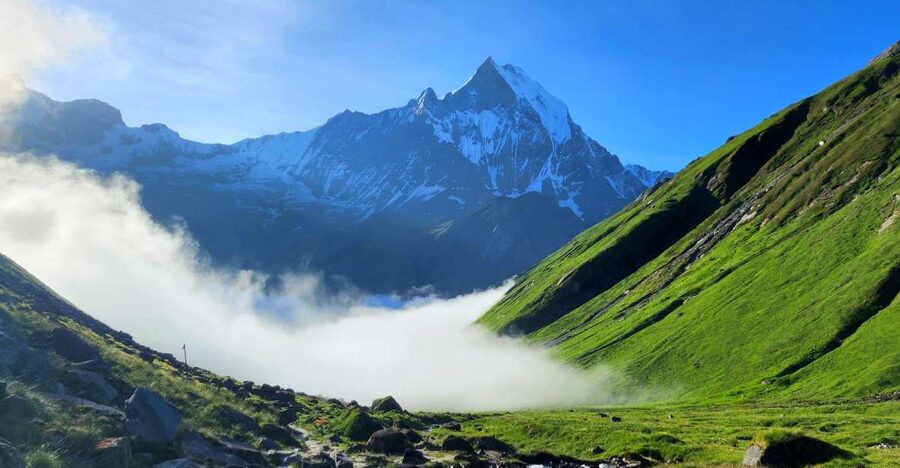
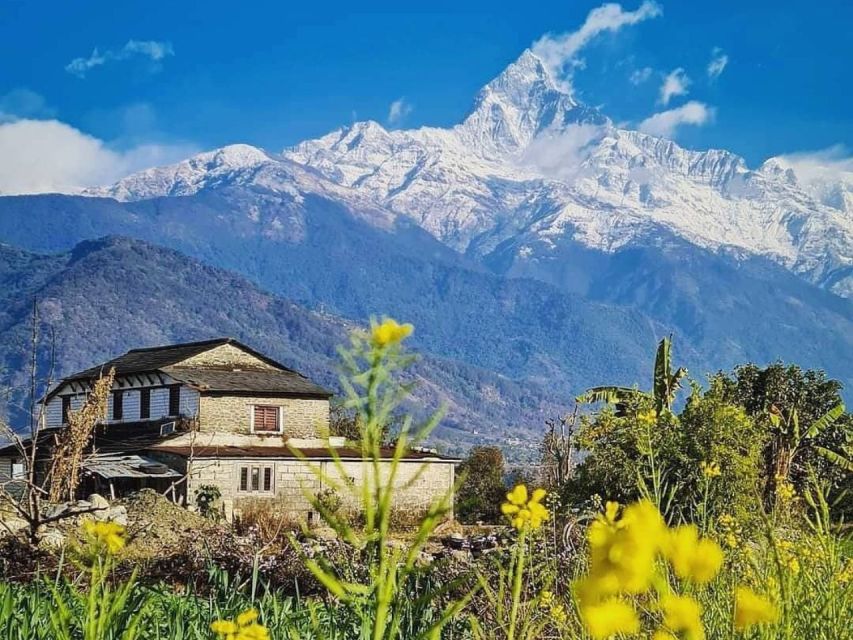
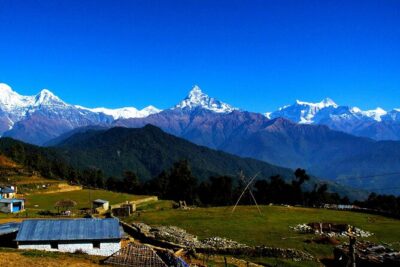
Day 5 is Sinuwa to Deurali (3,200m) in about 6 hours. This is a key altitude step. The trek takes you through lush forests, while the big views start showing more clearly. The mountains you’ll hear about and look for include Annapurna and Machhapuchhre (Fishtail). Even when clouds roll in, the change in air and the scale of the peaks becomes obvious.
Possible drawback: altitude plus forest plus a full walking day can be tiring in the same way over and over. You don’t need to “tough it out.” Go steady, take short breaks, and don’t treat the forest days as casual. They still add up.
Other ways up to Annapurna Base Camp from Pokhara.
Day 6: Deurali to Annapurna Base Camp (4,130m) — The Big Moment
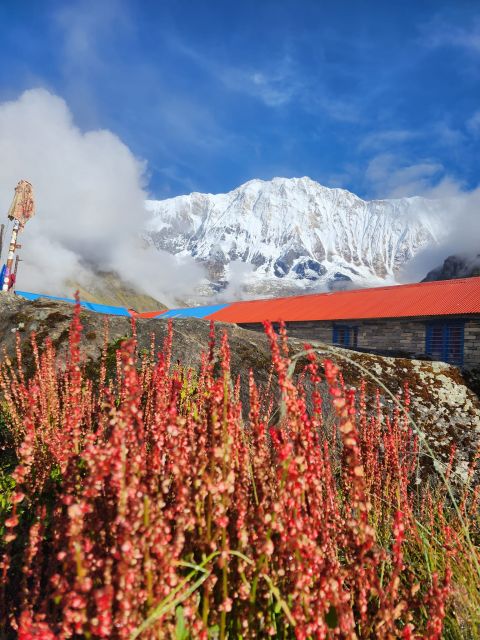
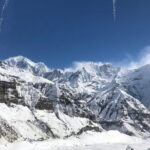
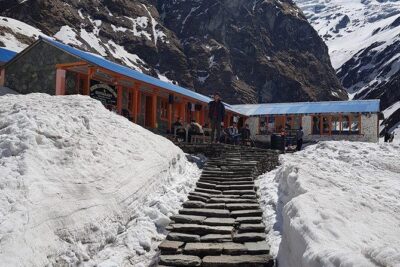
This is your signature day. Day 6 is Deurali to Annapurna Base Camp (4,130m), about 6 hours. The description is exactly what you feel when you arrive: snow-capped peaks, glaciers, and that stunned silence people get when the view is too big for words.
What makes this day worth the effort isn’t only the altitude. It’s the sequence. You’ve already climbed stairs, endured long forest stretches, and adjusted to hiking at higher sleeping elevations. That makes the final push feel earned.
One more practical point: at 4,130m, your body will ask for slower pace. You might not feel “sick,” but you may feel winded. Follow your guide’s pace and don’t race other groups. You’re aiming to arrive comfortable enough to enjoy Base Camp, not just survive the climb.
Day 7: From Annapurna Base Camp Down to Bamboo
Day 7 is Annapurna Base Camp to Bamboo (2,300m) in about 6 hours. This is a descent day, which helps your body recover, but don’t assume it’s easy. Your knees can complain after enough downhill steps and rocky sections.
Still, I like this day because it flips the feeling from “summit energy” to “return to normal trekking life.” You’ve done the big goal; now you’re moving through the region with less pressure and more appreciation.
If you’re trying to judge whether you can handle the trek’s intensity, Day 7 is a good reality check. If you recover well on the descent, you’re in a strong position for the final hot springs and the ride back.
Day 8–9: Jhinu Dada Hot Spring and Back to Lakeside Pokhara
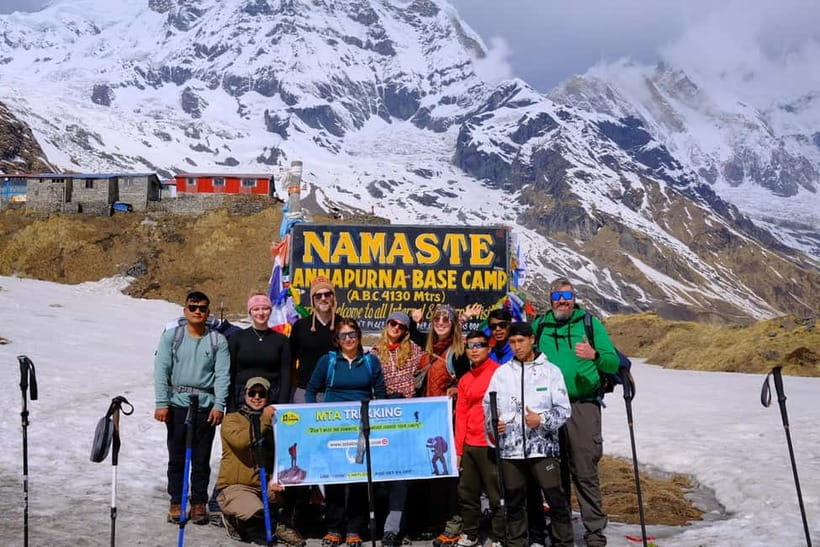
Day 8 is Bamboo to Jhinu Dada Hot Spring (1,600m) in about 5 hours. This is where you cash in the recovery. You’ve been hiking up and down in the altitude band for days. The plan is a descent, and the payoff is the natural hot springs at Jhinu Dada, meant to relax sore muscles and your body.
This is also a nice day socially. The hot spring stop often makes people want to linger, soak, and share stories. Even if you’re tired, the temperature and the quiet pace can reset your mood.
Day 9 finishes the story: Jhinu Dada to Lakeside Pokhara. Expect about a 2-hour trek and then a comfortable ride back. It’s not just “getting home.” It’s a slow landing from mountain time into city time—so you can reflect on what you accomplished without being rushed.
Price and What’s Included vs. What You Still Need to Budget
This trip lists a price of $487 per person for 9 days. That’s not cheap, but it’s also not trying to be a bare-bones DIY trek. The cost makes sense because key logistics are handled: transportation during the trek, trekking permits and paperwork, government taxes, accommodation, and staff expenses.
Two big value points I’d watch:
- Your permits/paperwork are handled for you. That’s one less stress point when you’re trying to focus on hiking.
- Accommodation is included, which matters on trekking routes where staying places can be limited.
What you’ll likely still pay for:
- Soft/hard drinks
- Travel and rescue insurance
- Personal expenses (phone calls, laundry, bar bills, charging, hot showers, and similar)
- Trekking poles and sleeping bag (not included)
- Bottle or boiled water (not included)
So the budgeting answer is: the base trekking support is covered, but your day-to-day comfort purchases are still on you. If you want fewer add-ons (water, snacks, hot shower), bring what you can and keep the rest simple.
Guides, Pace, and the Human Side of the Trek
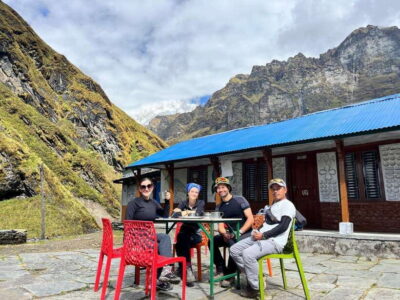
This is a private group trek with a live tour guide in English and Hindi. In practice, that means you’re not guessing routes alone and you’re not stuck arguing with lodge doors at the wrong time. You hike with someone who handles the flow.
Names that have come up for great care include Pratiksha and Lalit. What stands out about this kind of support is calm guidance on tougher days and help when you need to make lodging choices along the way.
Also, you may travel with porters depending on how your trek is set up. One example name that’s been mentioned is Rickson. If you’re carrying your own gear, that stair climb day will test your pack weight. If you’re hiring assistance, it can make the difference between enjoying the day and just surviving it.
Altitude, Monsoon, and Leeches: Practical Safety Stuff
Altitude risk is real here, but the provided note says altitude sickness is rarely an issue. Still, don’t treat that like a guarantee. You’ll reach Annapurna Base Camp at 4,130m, and you’ll sleep at higher elevations before that.
If you’re prone to altitude issues, take the “not suitable for” warning seriously. This trek isn’t recommended for pregnant women, people with altitude sickness, or people over 70 years.
Weather and bugs:
- During monsoon season (June–August), expect erratic conditions and heavy rainfall. Bring the right gear and trust your guide’s advice.
- Leeches can be an issue, especially on lower trails. Long pants tucked into gaiters and insect repellent help.
My practical advice: pack for wet, not for perfect. Dry boots and warm layers are what keep the trek enjoyable when clouds and rain show up.
Should You Book This Trek?
Book it if you want a classic, well-structured Annapurna Base Camp plan with the big emotional payoff of Poon Hill sunrise, plus a realistic recovery stop at Jhinu Dada hot springs. You’ll like this most if you can handle steep stairs and you’re comfortable hiking several days in a row.
Skip it or reconsider if you fall into the “not suitable” group: pregnancy, known altitude sickness, or age over 70. Also think hard if you hate early mornings. Sunrise is short at Poon Hill, but the early start is non-negotiable.
If you want a trek that’s supported, paced, and not a logistics headache, this is a strong option.
FAQ
How long is the trek?
The duration is 9 days.
Where does the trek start and is pickup included?
It starts in Pokhara, and pickup is included. You should wait in your hotel lobby about 10 minutes before pickup, and the driver will hold a sign with your last name.
What languages are the guides?
The live tour guide speaks English and Hindi.
What is the highest point on this trek?
The itinerary reaches Annapurna Base Camp at 4,130 meters.
Are meals included?
Meals are included only for the Full Package.
Is transportation included?
Yes. Transportation during the trek is included, plus there is a Jeep/SUV segment listed for return travel.
What’s not included in the price?
Not included: soft and hard drinks, travel and rescue insurance, personal expenses (phone calls, laundry, bar bills, charging, etc.), trekking poles/sleeping bags/crampons, and similar items.
Is cancellation flexible?
Yes. Free cancellation is available up to 24 hours in advance for a full refund. There’s also a reserve now & pay later option.
Also Reviewed Around Pokhara

More Annapurna Base Camp Routes
More Poon Hill Sunrise Treks
Newer Pokhara reviews to browse before you decide
Annapurna Sanctuary Treks, compared.
 ★ 4.9Kathmandu/Pokhara: 5-Day Annapurna Base Camp (ABC) TrekFrom $9672 reviews
 ★ 5.0Private 7 – Day Annapurna Base Camp TrekkingFrom $62550 reviews
 ★ 5.0Annapurna Base Camp Trek (8 days)From $65045 reviews
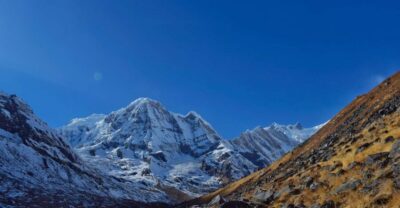 ★ 4.97 Day Annapurna Base Camp TrekFrom $21538 reviews
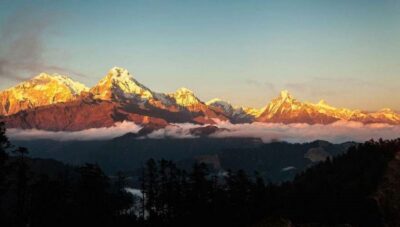 ★ 4.95-Day Annapurna Basecamp Trek with Hot SpringsFrom $15526 reviews
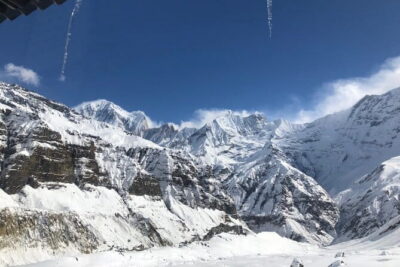 ★ 5.0Annapurna Base Camp Trek from Pokhara 7 DaysFrom $39519 reviews
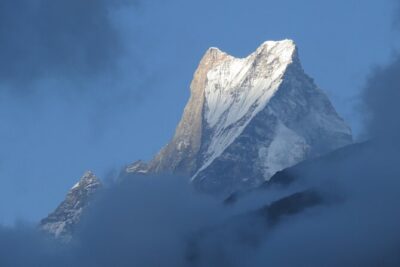 ★ 5.06 days Annapurna Basecamp TrekFrom $45016 reviews
 ★ 5.010 Days Private Guided Annapurna Basecamp Trek via Poon HillFrom $80015 reviews
Browse the lists this tour appears in