
Reviewed · ANNAPURNA SANCTUARY TREKS
Pokhara: 7-Day Annapurna Base Camp Trek via Ghandruk
Get ready for Annapurna in 7 days. This trek threads forests and Gurung villages with steady altitude climbing, then caps it with sunrise inside the Annapurna Sanctuary amphitheater. I like the close-up views of Annapurna I and Machapuchare, and I also enjoy the village trail payoff at the start and end through places like Landruk and Ghandruk.
The hike itself is the main event, but the trip management can get messy around timing and small guest-house add-ons. I’d tighten up your expectations in advance—especially your transport plan for the return to Pokhara and what you’ll still need to pay for day-to-day extras.
In This Review
- Key things that make this trek worth your time
- Route overview: Forest villages to ABC in a compact 7-day plan
- The trek day by day: Kande, Landruk, Chhomrong, Sinuwa, Deurali, ABC
- Day 1: Pokhara → Kande (1,770 m) → Landruk (1,565 m)
- Day 2: Landruk → Chhomrong → Sinuwa (2,340 m)
- Day 3: Sinuwa → Bamboo → Dovan → Deurali (3,230 m)
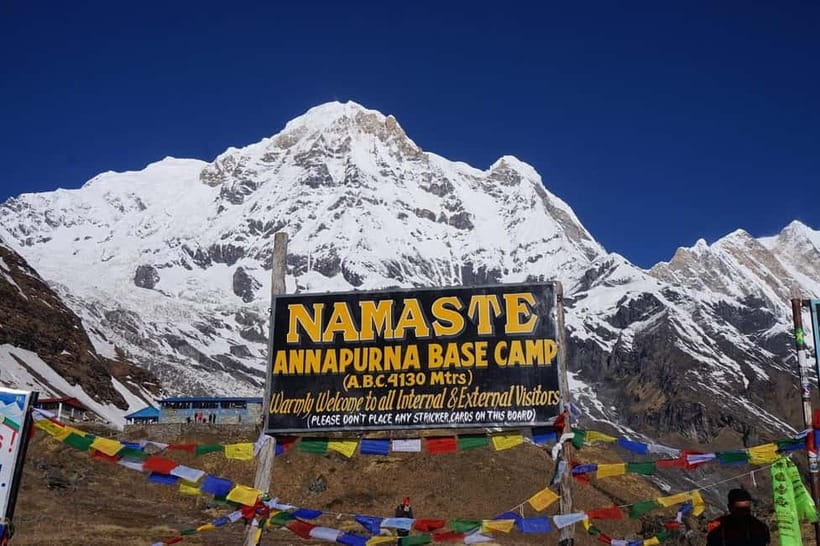
- Day 4: Deurali → Machapuchare Base Camp (3,700 m) → Annapurna Base Camp (4,130 m)
- Day 5: ABC sunrise, then descend to Bamboo or Sinuwa (2,340 m)
- Day 6: Sinuwa → Chhomrong → Ghandruk (1,940 m)
- Day 7: Ghandruk → Birethanti (1,025 m) → drive to Pokhara
- Machapuchare Base Camp: the dramatic waypoint that sharpens your focus
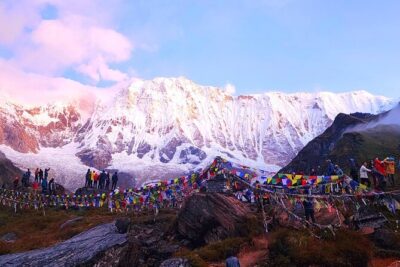
- Sunrise at Annapurna Base Camp: the amphitheater moment
- Ghandruk descent: Gurung culture plus panoramic views
- Price and logistics: is $179 per person good value?
- Tea houses, cold nights, and the altitude reality check
- Fitness, altitude, and safety that actually matter
- Who this trek suits best (and who should skip it)
- Should you book this trek via Ghandruk?
- FAQ
- What is the duration of this trek?
- Where do you start, and what’s the first trekking stop?
- What is the highest point on the route?
- How does the itinerary handle sunrise at Annapurna Base Camp?
- What language will the guide speak?
- Is this a private group or shared with others?
- Are permits included?
- What about meals and accommodation?
- Do I need travel insurance?
Key things that make this trek worth your time
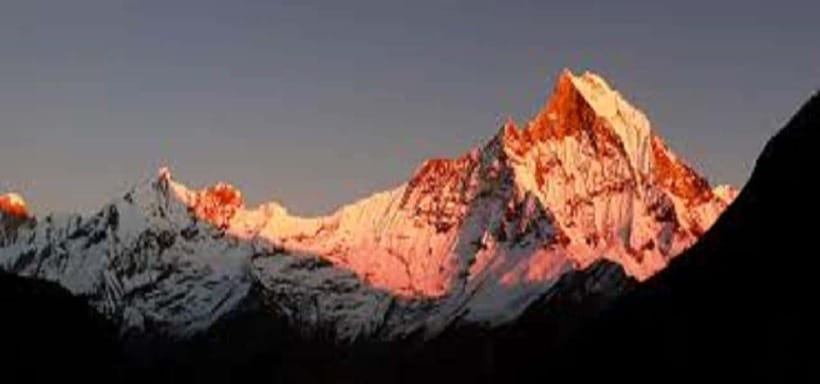
- Sunrise at ABC inside the amphitheater: early light turns the sanctuary into a natural stage for the peaks.
- Peak spotting that feels close: Annapurna I, Machapuchare, and Hiunchuli are in your face more than once on the way up.
- Gurung culture on a real village route: you don’t just pass through; you spend nights in mountain communities like Landruk and Ghandruk.
- Forest walking with real variety: terraced fields, bamboo, and rhododendron forests keep the trek from feeling repetitive.
- A compact itinerary that still gives views: you’re not spending weeks to reach ABC, but you do gain big altitude and big scenes.
- A classic downshift via Ghandruk: the descent route adds culture and wide mountain panoramas before you’re back on the road.
More Poon Hill and Ghorepani routes, weighed by nights and effort.
- Poon hill Trek 3 days★ 5.0 · 176 reviews
- Pokhara: 4-Day Ghorepani, Poonhill & Ghandruk Mountain Trek★ 5.0 · 132 reviews
- Ghorepani – Poon Hill Trek 3N-4D★ 5.0 · 125 reviews
- From Pokhara: 3-Day Ghorepani Poon Hill Trek with Guide★ 4.9 · 68 reviews
Route overview: Forest villages to ABC in a compact 7-day plan
This is a tight, scenery-first version of the Annapurna Base Camp trek. You start with a short drive from Pokhara to Kande, then walk through ridge routes, terraced farm country, and deep forest, gradually stacking your days toward ABC at 4,130 m.
What I like most is the mix: you get village life (Gurung settlements), practical hiking terrain (river crossings and stone stairways), and then that high-alpine shift where bamboo and rhododendron give way to colder, rockier ground. It’s the kind of route that helps you feel like you’re traveling through Nepal, not just chasing a summit point.
Your private group trek is guided, and it’s paced for a 7-day finish: nights at Landruk, Sinuwa, Deurali, ABC, then back down via Sinuwa (or Bamboo), Chhomrong, and Ghandruk before the final descent to Birethanti and a road return to Pokhara.
The trek day by day: Kande, Landruk, Chhomrong, Sinuwa, Deurali, ABC
Day 1: Pokhara → Kande (1,770 m) → Landruk (1,565 m)
After the drive (about an hour) to Kande, you begin with ridgeline walking through areas like Australian Camp and Pothana. The day is downhill to Landruk, which is useful: your legs get warmed up without immediately pounding steep climbs.
This is also a nice day to start practicing your “slow and steady” rhythm. You’re building for altitude later, so treat day one as setup, not a speed run.
Day 2: Landruk → Chhomrong → Sinuwa (2,340 m)
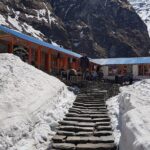
Today is all about rhythm and stairwork. You head down toward the river, climb back up to Chhomrong, then keep going through forest trails and stone steps toward Sinuwa.
This is the day where the trek starts to feel like a mountain project. Expect longer walking time (around 6–7 hours), and use the village breaks to stay calm, hydrated, and warm.
Other ways up to Annapurna Base Camp from Pokhara.
Day 3: Sinuwa → Bamboo → Dovan → Deurali (3,230 m)
The Modi Khola valley brings you into a more forested, cooler-feeling world. You pass through Bamboo and Dovan, then climb to Deurali, where the air tends to feel sharper.
Bamboo and rhododendron forests are a big part of the charm here because they change the visuals as you walk—shade, light, and occasional bursts of mountain glimpses through the trees.
Day 4: Deurali → Machapuchare Base Camp (3,700 m) → Annapurna Base Camp (4,130 m)
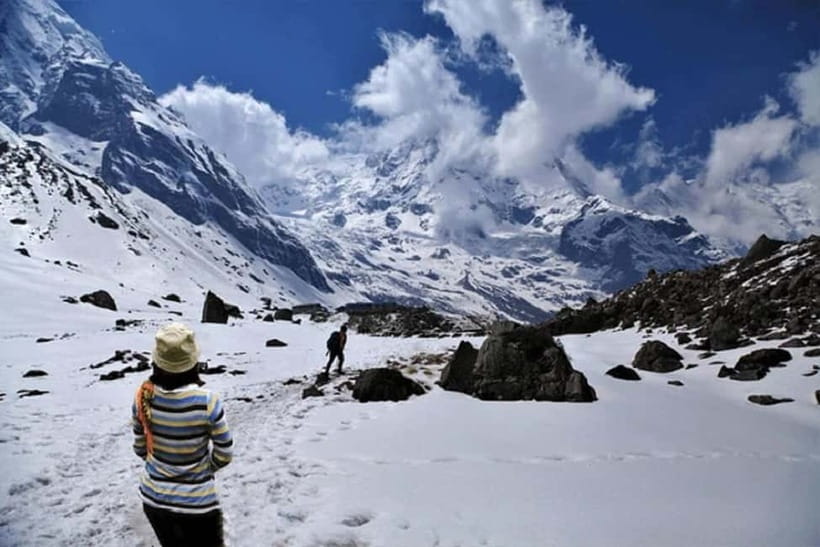
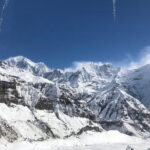
This is the day you’ll remember. You enter alpine terrain, walk past Machapuchare Base Camp, and then continue to Annapurna Base Camp with a full Himalayan panorama.
You’ll be going from roughly 3,230 m to 4,130 m in one push, so it helps to keep your effort smooth. If you’re prone to rushing, catch yourself early—ABC is not the place to sprint.
Day 5: ABC sunrise, then descend to Bamboo or Sinuwa (2,340 m)
You’ll be up early for the sunrise at ABC, then you’ll descend. The plan is to go back down via Machapuchare Base Camp and Deurali, then through Dovan toward either Bamboo or Sinuwa, depending on your pace.
This down day matters more than it seems. Your altitude nerves might relax once you’re descending, but your knees and feet will start doing their own complaining—good boots and consistent pacing help a lot.
Day 6: Sinuwa → Chhomrong → Ghandruk (1,940 m)
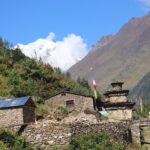
You retrace back to Chhomrong, then shift into a scenic village route to Ghandruk. This is where the trek turns cultural and visual again: Gurung community life, mountain viewpoints, and the feeling that you’re ending in a real place, not just arriving at a final lodge and calling it a day.
You’re also dropping from Sinuwa (2,340 m) to Ghandruk (1,940 m), which can feel like relief after the highest stretch. Still, it’s a long enough walking day (around 5–6 hours) that you’ll want good trail discipline.
Day 7: Ghandruk → Birethanti (1,025 m) → drive to Pokhara
The final day is a steady descent through villages and farmland to Birethanti, followed by about an hour’s drive back to Pokhara. It’s a satisfying wrap-up because you go from mountain scale to everyday valley life in a single day.
If you’re the kind of person who likes a clean finish, you’ll appreciate that you end this trek by road, not another long hike.
Machapuchare Base Camp: the dramatic waypoint that sharpens your focus
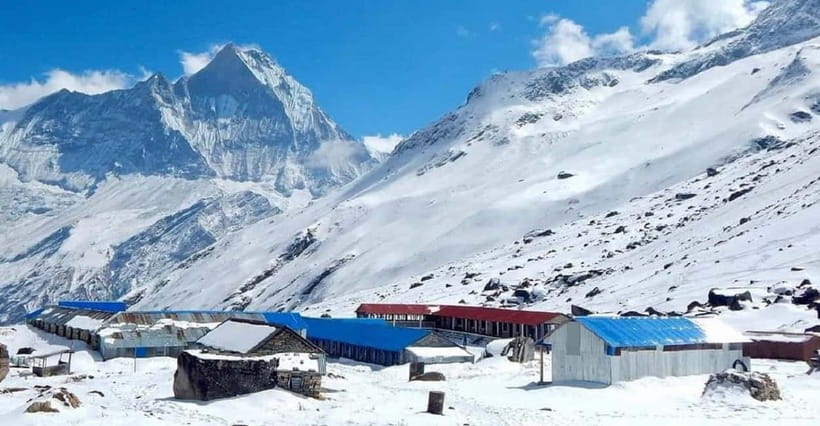
Not every trek gives you a “checkpoint” that feels like a mini-event. Passing Machapuchare Base Camp on the way to ABC does that.
Machapuchare (the Fish Tail) is one of the big characters of this region, and you get close enough to feel the mountain presence rather than just seeing a far silhouette. Even if the base camp itself is not a final goal, it helps you mentally lock in: you’re truly near the amphitheater now.
Also, because this is a common route segment, the scenery rhythm tends to feel consistent—so you can focus on your pace instead of wondering where the trail goes next.
Sunrise at Annapurna Base Camp: the amphitheater moment
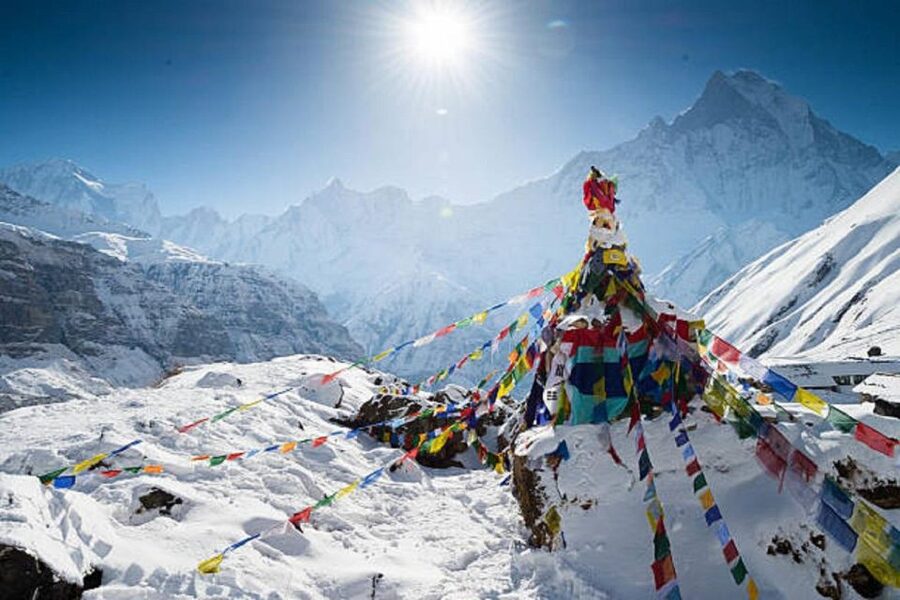
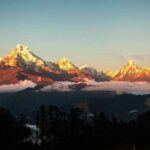
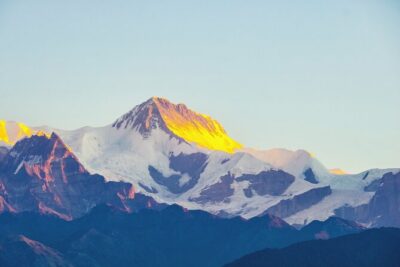
The highlight is the sunrise at Annapurna Base Camp—and the phrasing in your itinerary is accurate: ABC feels like an open-air amphitheater. When the light hits the surrounding snow-covered giants, it stops being just scenic and starts being emotional.
This is also why ABC is worth the early wake-up. If you choose to treat the day like a normal hike and roll out late, you’re basically paying for the sunrise and then skipping the main act.
Practical tip: expect very cold conditions at 4,130 m. Even if your daytime walking feels fine, early morning can be brutal, so bring warm layers you can actually move in.
Ghandruk descent: Gurung culture plus panoramic views
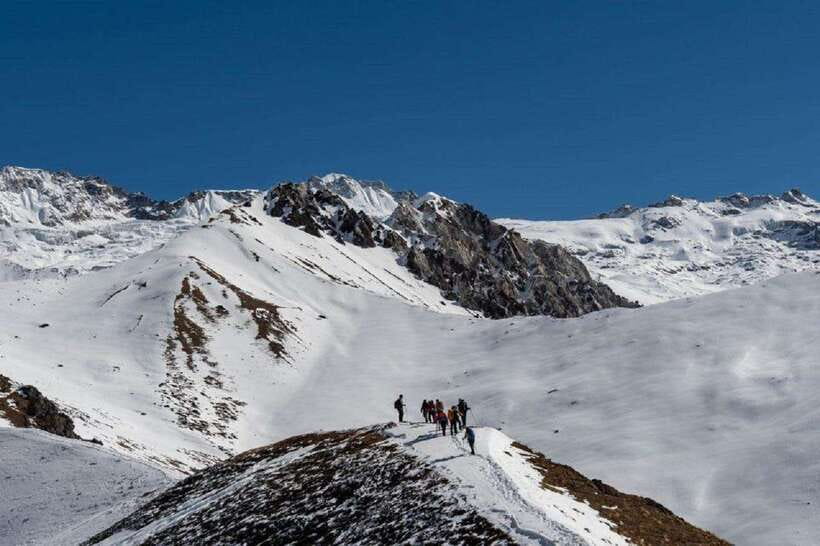
Getting out via Ghandruk is a smart design. After the high stretch, the village route lets you shift from altitude drama into human-scale Nepal: homes, trails, and mountain views that keep changing as you walk.
Ghandruk also gives you a cultural payoff. You’re traveling through a Gurung settlement with mountain panoramas, so the trek doesn’t end as a purely physical accomplishment—it ends as a lived-in place.
This is one of the reasons many hikers feel better after day six. It’s not just “back to town.” It’s the sense that the trek has a landing.
Price and logistics: is $179 per person good value?
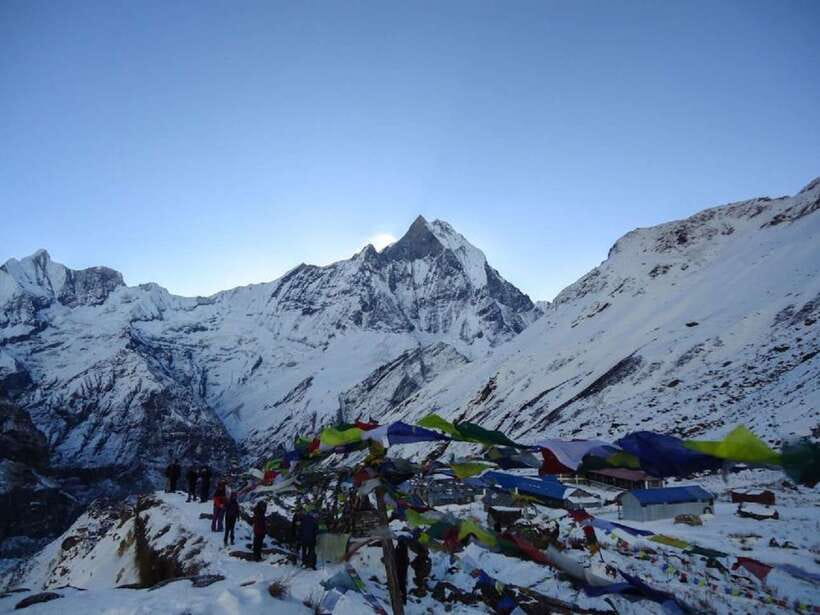
At $179 per person for a 7-day trek, the value mainly comes from what’s included. You’re getting permits and fees, all meals during the trek (depending on your option), basic tea house/lodge accommodation, and a professional registered guide.
You also get round-trip transportation between your hotel and the trek starting point (from Pokhara/Lakeside/Sarangkot/Airport to Kande area) and back by road at the end. A first aid kit is included, and there’s trekking gear offered as needed (a trekking stick and sleeping bag as required).
Where you should be careful is the gray area of day-to-day extras. One of the biggest complaints tied to similar treks is that you can still get hit with small add-on costs at guest houses—things like wifi and potable water. Your package may include meals, but not every other convenience.
If you want the cleanest experience, ask your operator these questions before you go:
- What exactly is included for drinking water (and is it boiled/purified)?
- Do guest houses charge for wifi separately?
- What happens if your group finishes faster or slower than expected?
This matters because the wrong assumption can turn a great trek into a frustrating “we’ll see” conversation at the end.
Tea houses, cold nights, and the altitude reality check
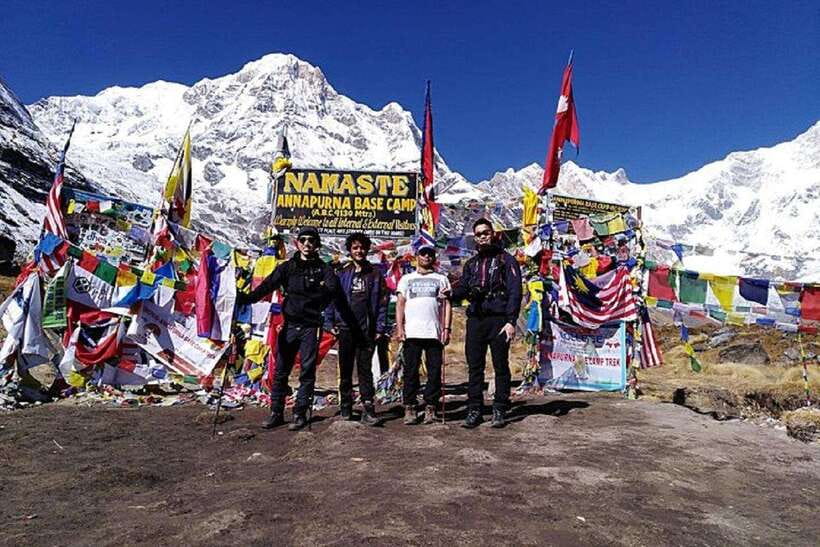
You’ll sleep in basic tea houses or lodges throughout. That’s part of the deal on the Annapurna route: you’re not booking a hotel, and you should pack like you’re living outdoors for a week.
Cold can be significant at higher elevations, and the trek data is clear about it. Bring warm clothing and plan for big temperature swings. If you’re relying only on a light jacket, day four and early morning at ABC will humble you.
Water and sanitation are also worth planning for. Even if meals are included, you may still want cash ready for small purchases, and you’ll want a method for staying hydrated without gambling on questionable water sources.
Fitness, altitude, and safety that actually matter
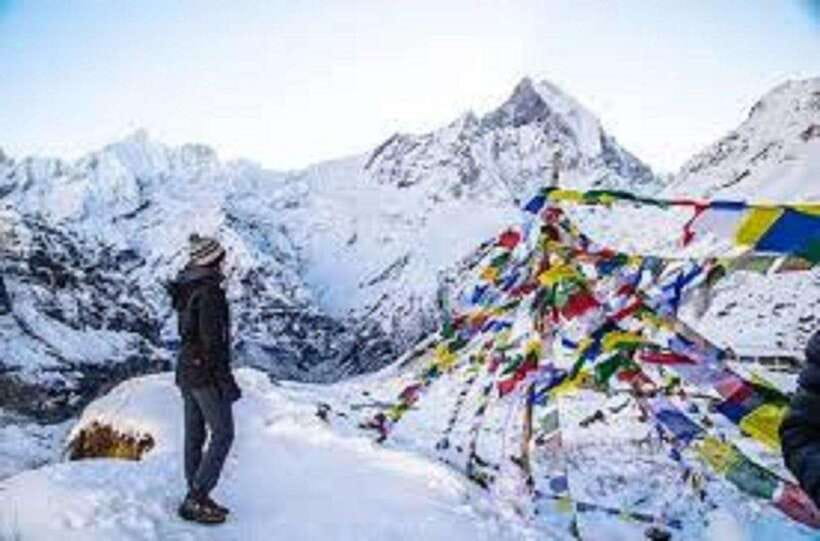
This trek can be physically demanding. You’re climbing from Kande (1,770 m) up to ABC (4,130 m) in a structured 7-day window, with long walking days like the 6–7 hour stretches and higher-altitude days like Deurali and ABC.
For safety, travel insurance is mandatory for your peace of mind. And yes, emergency rescue services are available if required, but no rescue plan beats a good plan before you leave—fitness and preparation are huge.
If you’re choosing between skipping this trek or showing up anyway, be honest with yourself. If you know you tend to struggle with steep stairs, or you get winded quickly, you’ll probably want a slower itinerary or a less aggressive route.
Who this trek suits best (and who should skip it)
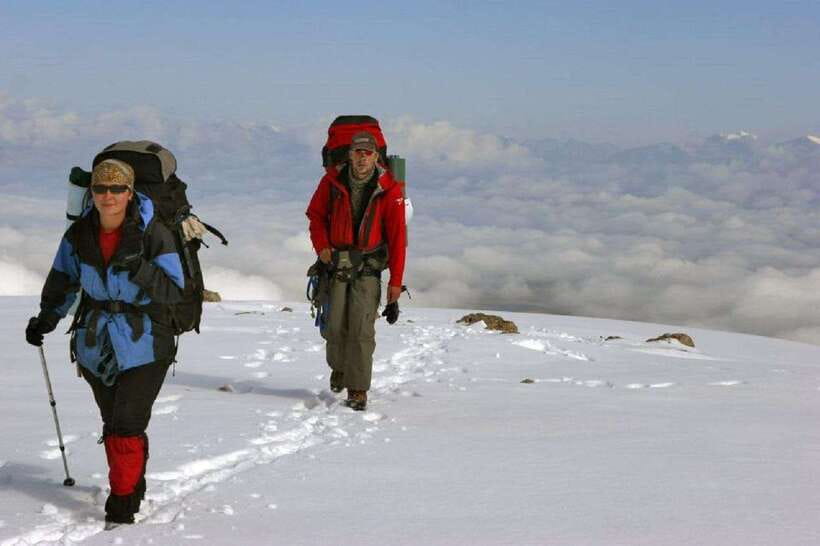
This works best for hikers who want:
- A 7-day Annapurna Base Camp experience without dragging it into a two-week slog
- Real village nights, not only viewpoints
- Strong scenery focus, especially for sunrise at ABC
- A private guided experience with an English/Hindi/Nepali speaking guide
It may be less suitable if you hate cold mornings, have knee issues with stone stair descents, or you dislike basic lodging. This is also not the trek to “wing it” if you’re unprepared for altitude discomfort.
If you’re going with a friend group, you’ll probably love the pacing and the shared sense of progress. If you’re traveling solo, the guide and private group format can still feel supportive.
Should you book this trek via Ghandruk?
I’d book it if your main goal is the classic Annapurna experience: forests and villages on the way up, plus that ABC sunrise amphitheater moment, then a satisfying descent through Ghandruk.
I wouldn’t book it blindly if you’re expecting perfect logistics with no extra costs. Do a quick pre-trip check with your provider for drinking water and guest-house extras, and confirm the return transport plan so you don’t end up negotiating surprises at the finish line.
If you like structured adventure, village trails, and big mountain payoff for a week of effort, this itinerary is a strong fit. Just plan it like you’re going into the mountains—because that’s exactly what you’re doing.
FAQ
What is the duration of this trek?
It’s a 7-day trek from Pokhara to Annapurna Base Camp via Ghandruk, with a return to Pokhara by road.
Where do you start, and what’s the first trekking stop?
The trek starts after a drive from Pokhara to Kande (1,770 m), then you trek to Landruk (1,565 m).
What is the highest point on the route?
The highest point listed is Annapurna Base Camp at 4,130 m.
How does the itinerary handle sunrise at Annapurna Base Camp?
You reach Annapurna Base Camp and enjoy a sunrise panorama from inside the Annapurna Sanctuary amphitheater before descending the following day.
What language will the guide speak?
The guide is listed as available in English, Hindi, and Nepali.
Is this a private group or shared with others?
It’s a private group.
Are permits included?
Yes, necessary permits and fees for the trek are included.
What about meals and accommodation?
Meals during the trek and basic tea house/lodge accommodation are included (meals depend on the option chosen).
Do I need travel insurance?
Yes—travel insurance is mandatory for your safety and peace of mind, and it is not included in the price.
Also Reviewed Around Pokhara

More Annapurna Base Camp Routes
More Poon Hill Sunrise Treks
Newer Pokhara reviews to browse before you decide
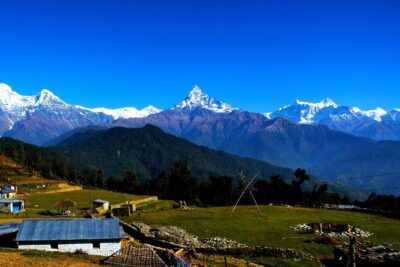
Annapurna Sanctuary Treks, compared.
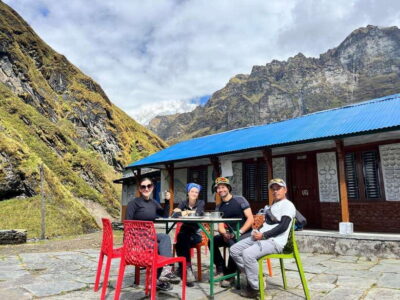 ★ 4.9Kathmandu/Pokhara: 5-Day Annapurna Base Camp (ABC) TrekFrom $9672 reviews
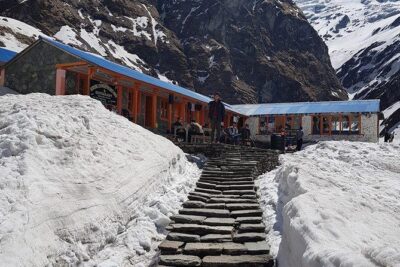 ★ 5.0Private 7 – Day Annapurna Base Camp TrekkingFrom $62550 reviews
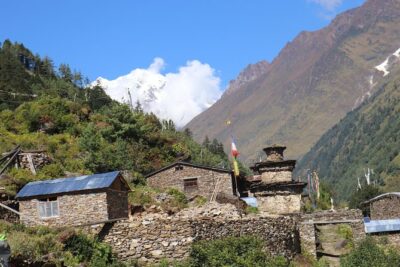 ★ 5.0Annapurna Base Camp Trek (8 days)From $65045 reviews
 ★ 4.97 Day Annapurna Base Camp TrekFrom $21538 reviews
 ★ 4.95-Day Annapurna Basecamp Trek with Hot SpringsFrom $15526 reviews
 ★ 5.0Annapurna Base Camp Trek from Pokhara 7 DaysFrom $39519 reviews
 ★ 5.06 days Annapurna Basecamp TrekFrom $45016 reviews
 ★ 5.010 Days Private Guided Annapurna Basecamp Trek via Poon HillFrom $80015 reviews
Browse the lists this tour appears in