
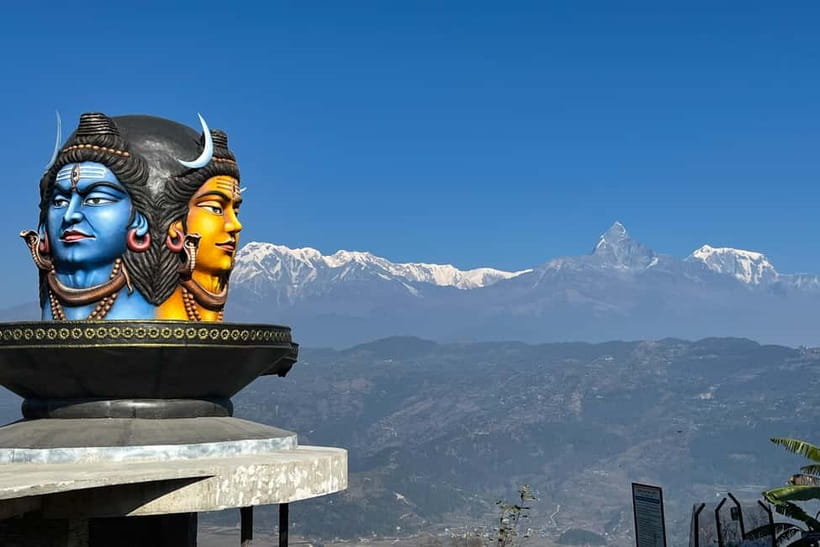
Reviewed · PHEWA LAKE & PEACE PAGODA
Pokhara: 1-Day World Peace Pagoda and Lord Shiva Statue Trek
Phewa Lake turns the day calm. This 1-day trek mixes a serene boat ride, a small-island temple stop, and two viewpoints packed with Himalayan views and spiritual symbolism. I especially love the boat-first pacing and the way the World Peace Pagoda changes the mood of the walk with its message of compassion.
You’ll get both culture and scenery in one circuit: the Barahi Temple break on the lake, then a steady climb to Ananda Hill for big panoramas. The only real consideration is that this is a hiking day with several hours of walking, so it’s not the right pick if you have mobility issues or want minimal uphill effort.
In This Review
- Key Things You’ll Notice on This Pokhara Peace Pagoda and Shiva Trek
- Phewa Lake First: Why This Starts Feeling Like a Real Day in Pokhara
- Barahi Temple on the Lake: A Small Detour That Feels Like a Different World
- World Peace Pagoda on Ananda Hill: Views With a Message
- The Climb to Pumdikot’s Lord Shiva Statue: The Big Payoff for Your Legs
- Lunch Break and the Return Walk: How the Day Actually Flows
- Timing, Group Style, and the English Guide Advantage
- Price and Value: Why $28 Can Still Feel Like a Good Deal
- What to Bring (and What to Wear) So the Hike Feels Good
- Is This Tour for You? Best Matches and Simple No’s
- Should You Book This 1-Day Peace Pagoda and Lord Shiva Trek?
- FAQ
- What is the duration of the Pokhara World Peace Pagoda and Lord Shiva Statue trek?
- Where is the pickup, and what time does it start?
- Does the tour include a boat ride?
- What stops are included besides the hiking viewpoints?
- How long are the sightseeing stops at the main viewpoints?
- Is lunch included in the price?
- What should I bring for the hike?
- Is the tour suitable for people with mobility impairments?
- Is there an English-speaking guide?
Key Things You’ll Notice on This Pokhara Peace Pagoda and Shiva Trek
- Boat on Phewa Lake at the start, so your body wakes up slowly and your photos come out better
- Barahi Temple on a small island, a quick cultural moment that feels like you’ve stepped out of town
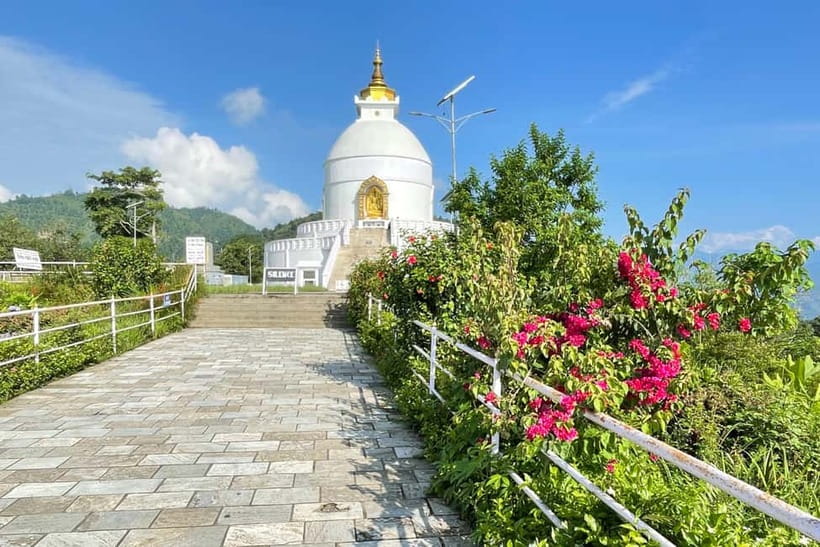
- World Peace Pagoda on Ananda Hill (1,100 m) with views over Phewa Lake and Pokhara
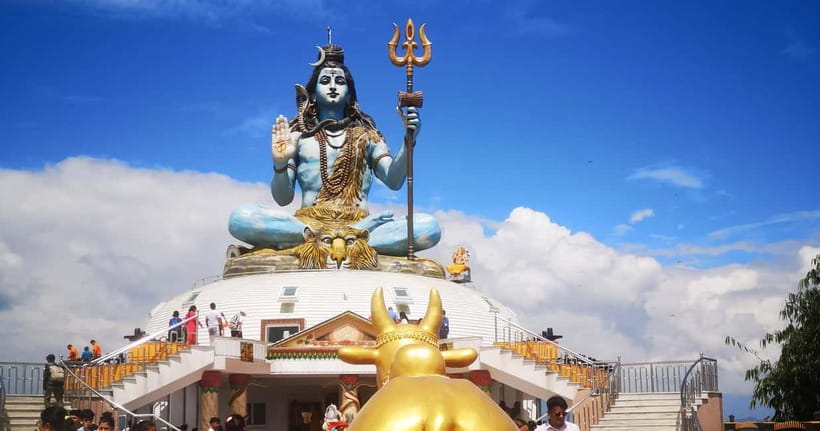
- Lord Shiva Statue in Pumdikot, over 15 meters tall and a major viewpoint payoff
- On clear days, you can spot multiple giants like Annapurna I, Dhaulagiri, and Machhapuchre
- English live guide and a private-group feel, which usually means fewer time-wasting stops and more breathing room for photos
More Phewa Lake and World Peace Pagoda outings.
- Pokhara: Day Hiking from Sarangkot to World Peace Stupa from Lakeside★ 5.0 · 20 reviews
- Pokhara in 5 Hours: Lake, Museum, Cave, Falls & Pagoda Hill★ 4.5 · 16 reviews
- Pokhara: Golden Hour at Peace Pagoda – Himalayan Sunset Tour★ 4.5 · 16 reviews
- From Pokhara : Hiking to Peace Pagoda via Fewa Lake & Jungle★ 5.0 · 10 reviews
Phewa Lake First: Why This Starts Feeling Like a Real Day in Pokhara
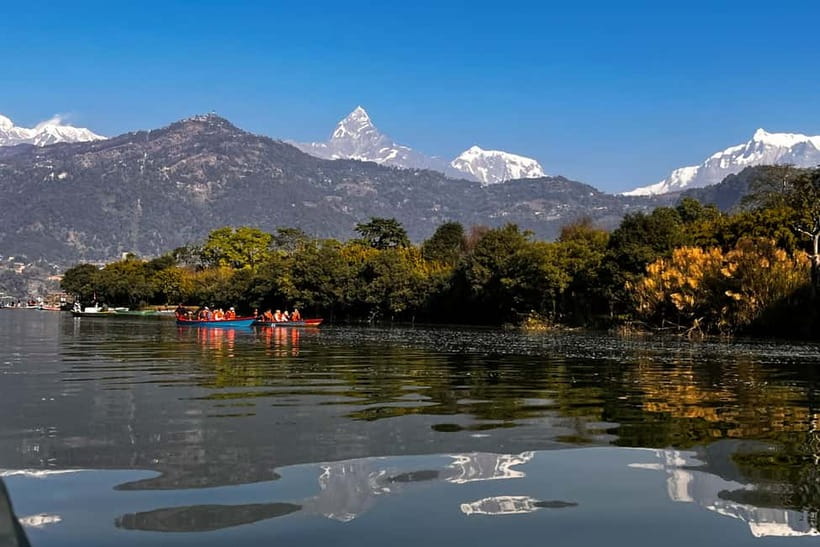
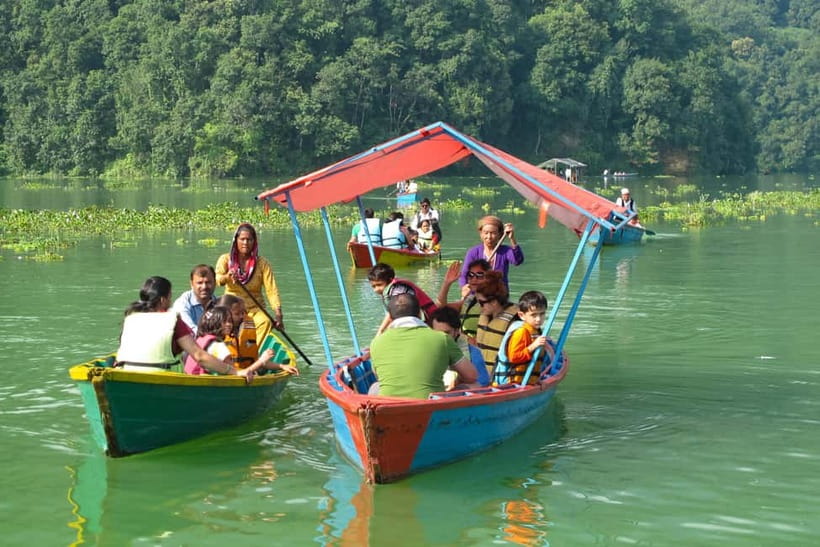
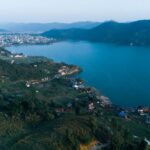
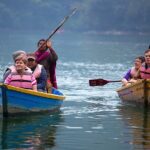
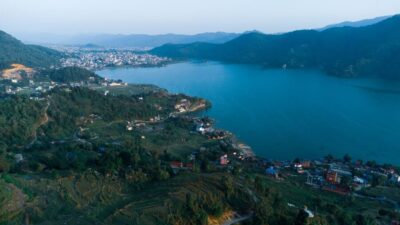
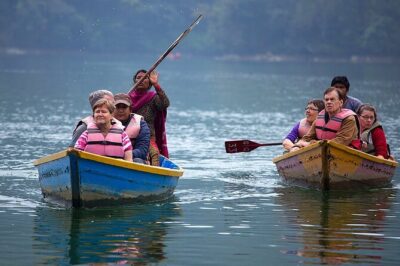
Most Pokhara days feel like a sprint until you reach water. Here, you start with a boat cruise on Phewa Lake, and that’s not just a nice extra. It buys you calm time and gives you a moving frame for the mountains and hills around the lake. If you’re the type who likes to get oriented early, this layout helps you.
The boat ride is also a practical reset. You’ll be walking later, and beginning seated lets your legs “warm up” without pushing uphill right away. It’s the kind of start that makes the rest of the trek feel like part of the same story instead of separate activities.
Barahi Temple on the Lake: A Small Detour That Feels Like a Different World
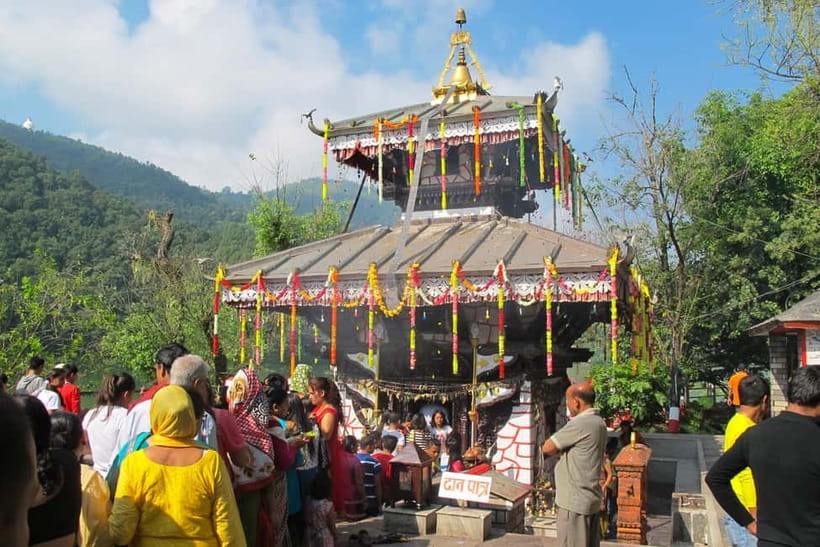
After cruising, you’ll visit Barahi Temple, located on a small island in the middle of the lake area. This stop works because it’s short enough to stay easy on the schedule, but distinct enough to feel meaningful. Even if you’re not a religious-tour person, island temples tend to change how you look at water and distance.
You also get a bit of that Pokhara rhythm: lake, temple, and then back to the shore to start climbing. The island location makes it visually satisfying. You’re not just driving past sights; you’re arriving, stepping into a quieter pocket, and then rejoining the hike.
World Peace Pagoda on Ananda Hill: Views With a Message
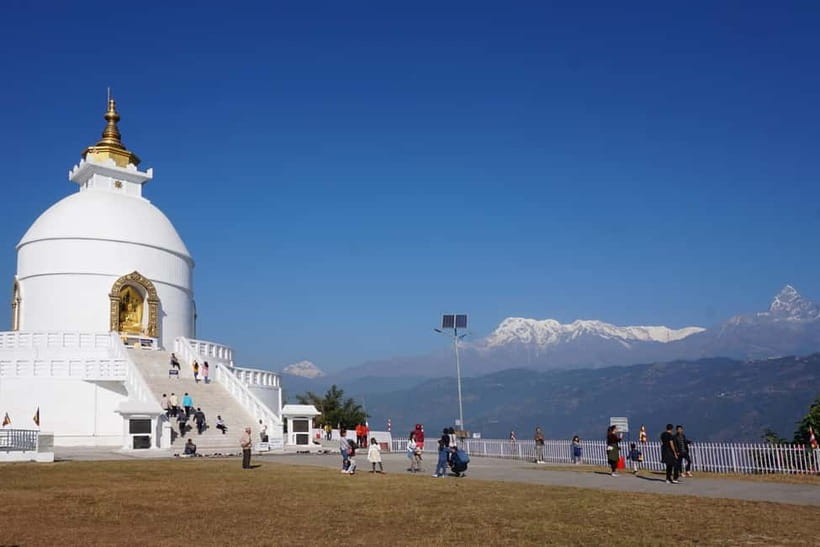
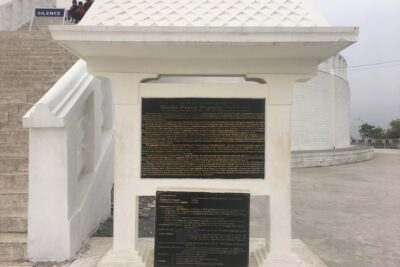
The World Peace Pagoda visit is on Ananda Hill, around 1,100 m elevation. What makes it special isn’t only the scenery. The pagoda is tied to a message of non-violence and compassion, so the viewpoint feels less like a trophy photo spot and more like a breather.
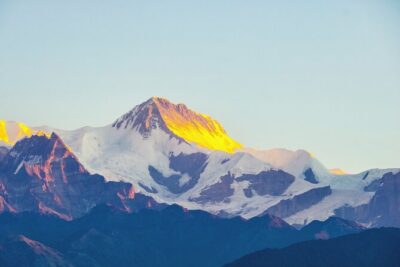
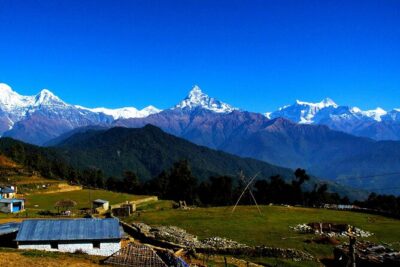
On clear days, the views can be spectacular. The Himalayas can show up in layers: Annapurna I (8,091 m), Dhaulagiri (8,167 m), and the sacred Machhapuchre (6,997 m) are specifically part of what you might see. Clouds can hide things, though. One day can be crisp and another can blur the mountains into the sky, so don’t judge the whole trek by one moment.
Plan for a slower pace here. Your time at the pagoda is around 30 minutes, which is enough to take in the monument, catch a few photos, and then sit long enough for the atmosphere to land. This is also where the day’s “why” starts to match the day’s “wow.”
The Climb to Pumdikot’s Lord Shiva Statue: The Big Payoff for Your Legs
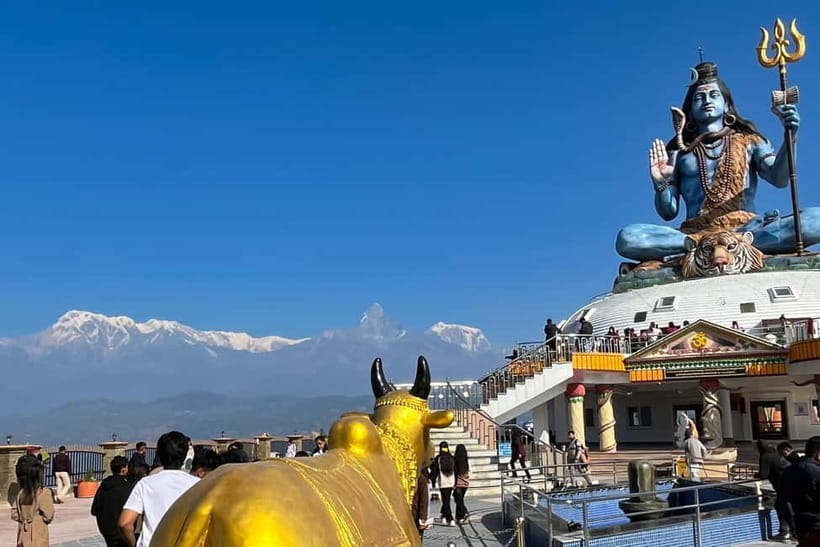
Next comes the hike toward the Lord Shiva Statue in Pumdikot. The statue is more than a landmark; it’s the day’s physical goal. It stands over 15 meters tall, and it’s noted as the tallest of its type in Nepal.
The walk from the pagoda area to the statue is about 1.5 hours, so pacing matters. If you start too fast, you’ll feel it when the trail turns steeper. If you keep a steady rhythm, you’ll likely enjoy the journey through quaint settlements and shaded forest sections.
Once you arrive, you’ll get panoramic views over Lake Phewa, Pokhara city, and—again, weather permitting—the Annapurna massif. Your sightseeing time here is roughly 20 minutes, so treat it like a viewpoint stop: get your photos early, then slow down and look longer than you think you need.
There’s also a practical perk: the statue visit gives your brain something to focus on during the uphill portions. Without that clear destination, hikes in tourist areas can start feeling like time passing. Here, the goal is obvious.
More treks and hikes across the Annapurna region.

Lunch Break and the Return Walk: How the Day Actually Flows
After the Shiva statue, you’ll head back toward the World Peace Pagoda area for a lunch break. Lunch itself isn’t included in the price, but you should have a chance to buy a meal at a local stop along the way. This matters because it lets you choose what your stomach wants that day—something light if the weather is hot, or something more filling if you’re cold and sweaty at the same time.
Then the route continues with additional walking back toward the lakeside side of Pokhara. You’ll spend around 1.5 hours in this return-walk stretch, followed by a quick transport segment (about 30 minutes) to drop you back near the hotel area.
This structure is why the tour works best for people who can handle a full day with some effort. It’s not a short walk with stops. It’s a hiking day with a few highlight moments.
Timing, Group Style, and the English Guide Advantage
The total duration is about 8 hours, starting with hotel pickup at around 8:30 AM. You’ll want to be ready and waiting about 15 minutes early, because early starts matter when you’re trying to beat crowds and catch better light.
This is set up as a private group with an English live guide. That guide role isn’t just “point and explain.” A good guide helps you keep your energy for the viewpoints and gives you small context that makes the climb feel less random.
One useful real-world detail from guides in this area: if you get Roman Paudel as your guide, he’s known for helpful, flexible advice. In particular, he suggested visiting Sarangkot the following day for another shot at Himalayan views. If you want to plan your Pokhara itinerary like a pro, that kind of local timing tip can be gold.
And yes, expect the day to include stops for photos and short rests. Based on how this tour is run, you generally shouldn’t feel rushed through the key areas.
Price and Value: Why $28 Can Still Feel Like a Good Deal
At $28 per person for an 8-hour tour, you’re paying for more than just entry-level sightseeing. You’re getting:
- Hotel pickup
- A boat ride on Phewa Lake
- Temple and viewpoint visits (World Peace Pagoda and the Lord Shiva Statue)
- Guide support in English
- Transport help after the trek (taxi from the damside area back toward the lakeside hotel area)
Meals and drinks are not included, and that’s fair. The day is built around a hike and viewpoints, and you’ll likely want to choose what you eat and drink on the spot.
In value terms, this tour makes sense if you want to bundle multiple highlights that would otherwise cost time coordinating. In Pokhara, getting a boat scheduled and pairing it with the right hike sequence can eat up a whole morning. This structure is efficient, without feeling like you’re only commuting.
What to Bring (and What to Wear) So the Hike Feels Good
This trek is all about comfort and grip. Bring comfortable shoes first. Then pack the basics:
- Hat for sun
- Sunscreen
- Camera
- Water (you’ll need it)
Wear clothes you can hike in. You’ll be on foot for multiple sections, including uphill walking. Even on a mild day, the combination of sun and effort can sneak up on you.
If you’re sensitive to heights, note that you’ll likely be looking out over the lake and city during the viewpoint moments. The viewpoints are what you came for, but it helps to feel steady underfoot on the trail.
Is This Tour for You? Best Matches and Simple No’s
This experience suits you if you want:
- A mostly outdoors day with meaningful stops
- Himalayan views when conditions cooperate
- A mix of culture (temple) and viewpoints (pagoda and Shiva statue)
It’s not suitable for people with mobility impairments, since the day involves several hours of walking and climbing.
Also, it’s best for travelers who like a “steady day” rather than a casual stroll. If you prefer everything close together with lots of seating, you might find the hike portion takes more out of you than you want.
Should You Book This 1-Day Peace Pagoda and Lord Shiva Trek?
I’d book it if you’re in Pokhara for a short stay and want to earn your views with a real hike plus a memorable lake start. The value is solid for what you get: boat time, island temple, World Peace Pagoda, and the Lord Shiva Statue in one organized day.
I’d skip it if your priority is minimal walking, or if you’re traveling with someone who can’t manage uphill stretches. In that case, you’d be happier building a lighter lake-and-city day instead.
If you do book it, go in with one mindset: the best photos depend on clear weather, but the best feeling often comes from the pacing. Start calm on the lake, climb steadily, and let the viewpoints reset your whole day.
FAQ
What is the duration of the Pokhara World Peace Pagoda and Lord Shiva Statue trek?
The tour lasts about 8 hours.
Where is the pickup, and what time does it start?
You’re picked up from your hotel in Pokhara Lakeside at 8:30 AM, and you should be ready about 15 minutes before pickup.
Does the tour include a boat ride?
Yes. You’ll take a boat cruise on Phewa Lake.
What stops are included besides the hiking viewpoints?
You’ll visit Barahi Temple on a small island in the lake, plus the World Peace Pagoda and the Lord Shiva Statue.
How long are the sightseeing stops at the main viewpoints?
Your time at the World Peace Pagoda is about 30 minutes, and sightseeing at the Lord Shiva Statue is about 20 minutes.
Is lunch included in the price?
No. Lunch is not included, but you will stop at a local place where you can buy your meal.
What should I bring for the hike?
Bring comfortable shoes, a hat, a camera, sunscreen, and water.
Is the tour suitable for people with mobility impairments?
No. It involves several hours of walking and is not suitable for people with mobility problems.
Is there an English-speaking guide?
Yes. The tour includes a live English guide.
If you want, tell me your travel dates and fitness level, and I’ll suggest how to time this trek in your Pokhara schedule for the best odds of clear views.
More Treks in the Annapurnas
Also Reviewed Around Pokhara

More Lake and Peace Pagoda Trips
Newer Pokhara reviews to browse before you decide
Phewa Lake & Peace Pagoda, compared.
 ★ 5.0Day Hiking from Sarangkot to World Peace Stupa from LakesideFrom $13020 reviews
 ★ 4.5Golden Hour at Peace Pagoda – Himalayan Sunset TourFrom $1016 reviews
 ★ 4.5Pokhara in 5 Hours: Lake, Museum, Cave, Falls & Pagoda HillFrom $4016 reviews
★ 5.0Pokhara in 5 Hours: Lake, Museum, Cave, Falls & Pagoda HillFrom $4510 reviews
★ 4.5Pokhara in 5 Hours: Lake, Museum, Cave, Falls & Pagoda HillFrom $4016 reviews
★ 5.0Pokhara in 5 Hours: Lake, Museum, Cave, Falls & Pagoda HillFrom $4510 reviews
 ★ 5.0Hiking to Peace Pagoda via Fewa Lake & JungleFrom $5210 reviews
 ★ 4.8Suspension Bridge Private Tour- 30 Min Village WalkFrom $219 reviews
 ★ 4.5Round The PhewaFrom $1858 reviews
 ★ 5.0Full day Suspension Bridge, Boating, George, Sightseeing TourFrom $2306 reviews
Browse the lists this tour appears in