
Reviewed · PHEWA LAKE & PEACE PAGODA
Pokhara in 5 Hours: Lake, Museum, Cave, Falls & Pagoda Hill
Five hours in Pokhara can feel magic. You get a private driver cum guide to cover big-name sights fast, starting with Fewa Lake and the Barahi Temple area, then moving to the International Mountain Museum and the waterfalls-and-cave combo that connects everything visually. I also love how the pace works for real sightseeing, not a frantic checklist.
One caution: entry tickets for some stops are not included, and parts of the route can be a bit slippery or stair-heavy—plan for that.
In This Review
- Key Highlights at a Glance
- A Fast 5-Hour Plan for First-Time Pokhara
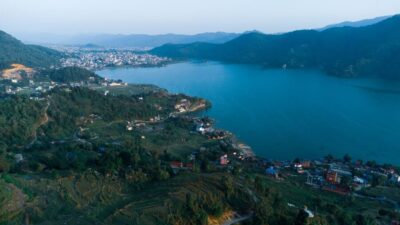
- Fewa Lake, Barahi Temple, and the Annapurna-Framed Boat Ride
- International Mountain Museum: George Mallory and the Mountaineering Story
- Devi’s Fall: The Water That Goes Underground
- Gupteshwor Mahadev Cave: Where the Same Water Reappears
- World Peace Pagoda (Shanti Stupa) on Anadu Hill and Its Stairs
- Price and What You Actually Pay For
- How to Time It, What to Bring, and What to Wear
- Best Fit: Who Should Book This Pokhara 5-Hour Tour
- Should You Book This Pokhara 5-Hour Tour?
- FAQ
- FAQ
- How long is the Pokhara in 5 Hours tour?
- Is pickup included?
- What’s included in the price?
- Are entry tickets included?
- Which main stops are on the route?
- How much do the free stops typically matter?
- Is this a private tour?
- Do you get a mobile ticket?
- Are service animals allowed?
- What’s the cancellation timeframe?
Key Highlights at a Glance
- Private driver cum guide that keeps the day smooth and flexible
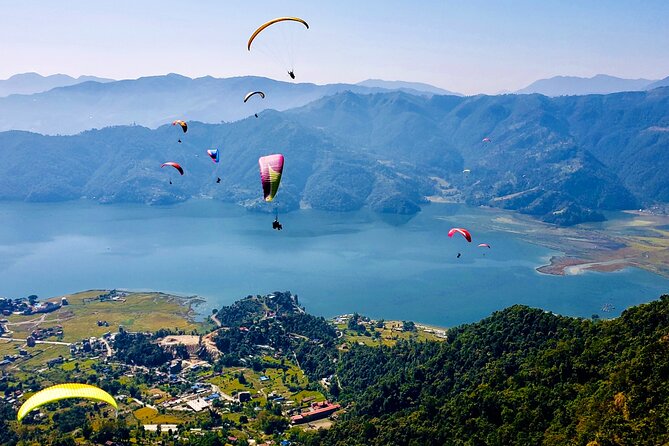
- Fewa Lake + Barahi Temple for classic postcard views and a quick religious stop
- International Mountain Museum with mountaineering stories and great terrace views
- Devi’s Fall and Gupteshwor Cave in one run, showing how water tunnels underground
- World Peace Pagoda / Shanti Stupa for wide Annapurna-range panoramas
- Good value for $40 when you factor in AC transport, bottled water, and a guided route
More Phewa Lake and World Peace Pagoda outings.
- Pokhara: Day Hiking from Sarangkot to World Peace Stupa from Lakeside★ 5.0 · 20 reviews
- Pokhara in 5 Hours: Lake, Museum, Cave, Falls & Pagoda Hill★ 4.5 · 16 reviews
- Pokhara: Golden Hour at Peace Pagoda – Himalayan Sunset Tour★ 4.5 · 16 reviews
- From Pokhara : Hiking to Peace Pagoda via Fewa Lake & Jungle★ 5.0 · 10 reviews
A Fast 5-Hour Plan for First-Time Pokhara
If Pokhara is your first stop in Nepal, this type of tour can be a lifesaver. You’ll cover the city’s most recognizable sights in about 4 to 5 hours, without turning it into an all-day grind.
The biggest win is the structure: pickup, a set route, and a guide who can steer you through what’s worth your time. When your time is limited, that kind of planning matters more than it sounds.
Fewa Lake, Barahi Temple, and the Annapurna-Framed Boat Ride
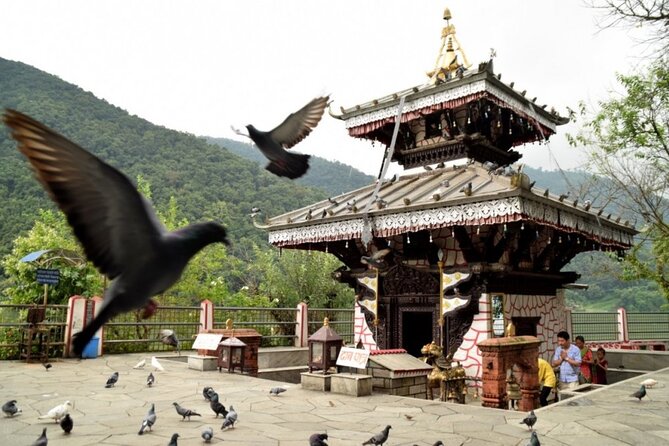
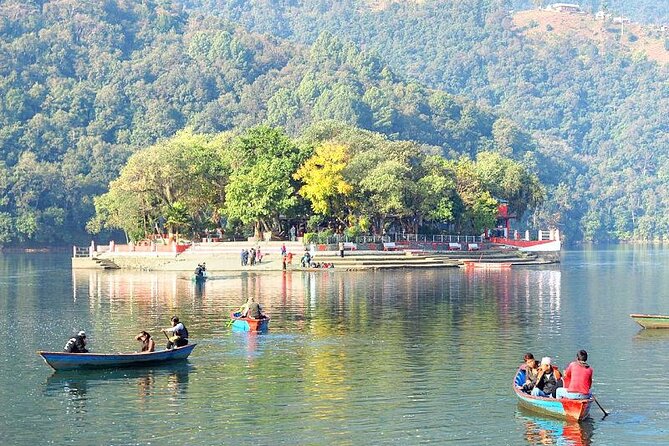
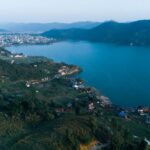
Your day kicks off in the Fewa Lake area, with a stop at the Tal Barahi Temple, also called the Lake Temple or Barahi Temple. It’s a Hindu temple dedicated to Durga, and it sits on a small island in the middle of the lake, so you get that iconic lake-and-temple look right away. Since it’s listed as free entry, it’s one of the easiest stops to justify early in the day.
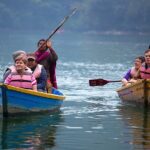
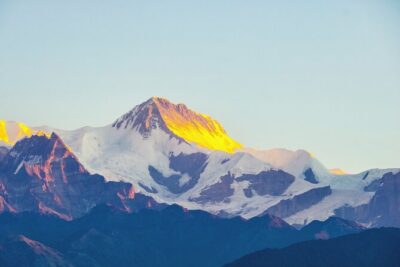
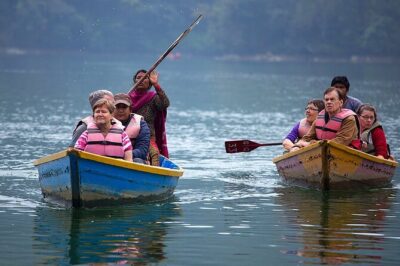
From here, you’ll also have a chance to take in the lake views and enjoy a boat ride on Fewa Lake. The main payoff is the framing: on clear days, the Annapurna range can look almost close enough to touch. Even when visibility is mixed, the lake itself and the slow rhythm of being on it gives your trip a calmer start.
A practical note: boats and temple areas can mean crowds and waiting for short intervals. If you’re the type who hates lines, go in with flexible expectations and aim to stay patient.
International Mountain Museum: George Mallory and the Mountaineering Story
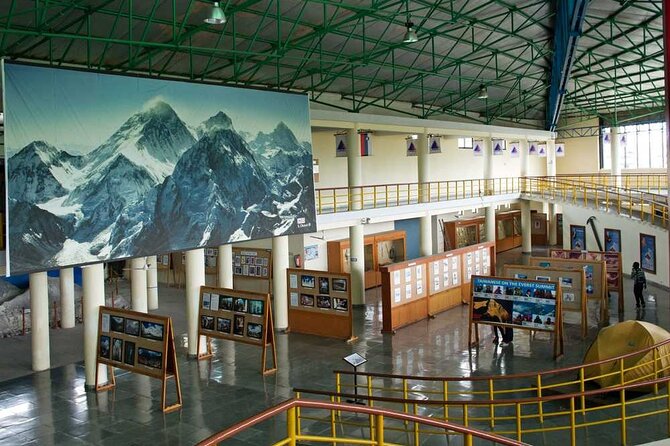
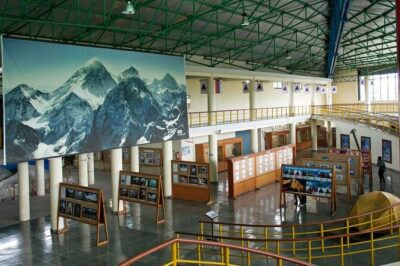
Next up is the International Mountain Museum, typically around 1 hour. This isn’t just photos and artifacts—it focuses on the history and culture of mountaineering in Nepal, which is perfect if you want your Pokhara visit to feel connected to the Himalaya beyond the scenery.
One review detail I really liked: guide Pujan Thapa was able to point out specific mountaineering references, including George Mallory, and show you where his story appears in the museum. That kind of guidance turns a museum from scrolling into understanding.
You’ll also get mountain views from the museum’s terrace area. You might find that the terrace is where the stories click, because suddenly the objects inside feel tied to real places outside.
Drawback to plan for: admission for this museum is not included, so you’ll want to set aside a little cash for entry.
Devi’s Fall: The Water That Goes Underground
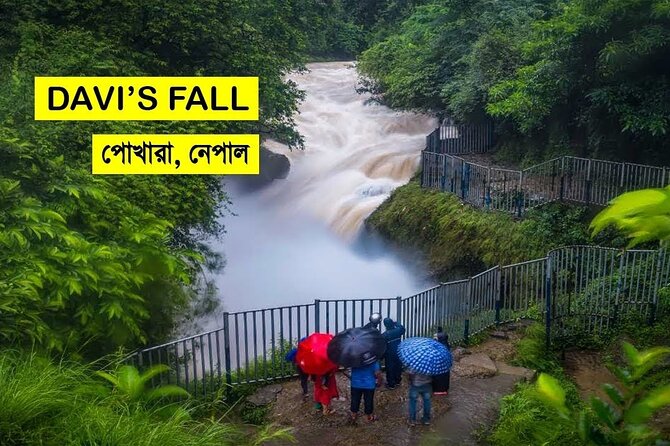
After the museum, the tour moves to Devi’s Fall for about 45 minutes. This is one of Pokhara’s most unusual sights because of what the water does at the end of the drop.
Here’s the standout detail: the water forms a tunnel after reaching the bottom. The tunnel is approximately 500 feet long and runs around 100 feet below ground level. Even if you don’t know the full backstory, the physical idea is easy to grasp and makes the waterfall feel like a mini mystery.
Because it’s a waterfall, conditions can change quickly. If you’re sensitive to spray or cold air, you’ll want a light layer, and shoes with grip help if the viewing areas are damp.
Entry isn’t included here either, so remember that you’ll be paying for at least some of the paid stops as the day goes on.


Gupteshwor Mahadev Cave: Where the Same Water Reappears
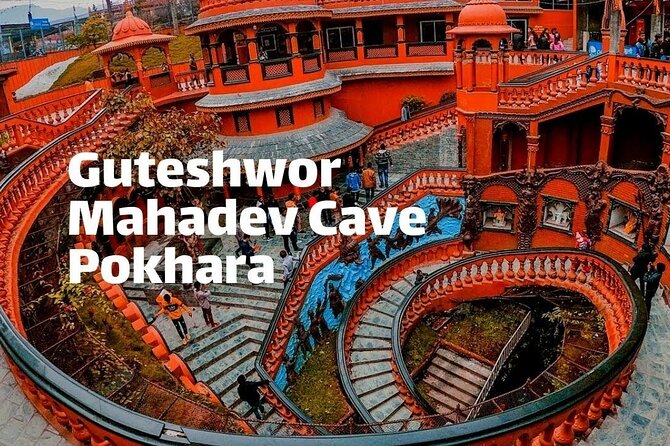
Right after Devi’s Fall, you’ll visit Gupteshwor Mahadev Cave, also about 45 minutes. What makes this stop especially satisfying is the link: the tour runs it as a paired experience with Devi’s Fall.
The key fact to know is that the water from Devi’s Fall passes through this cave. So you’re not just seeing one attraction; you’re seeing a second chapter of the same natural system. It’s the kind of contrast that helps you remember Pokhara, because your brain keeps making the connection as you move from waterfall to cave.
You’ll also get that spiritual vibe from the Gupteshwor Mahadev name, which ties the cave area to Hindu worship in the region. That mix—nature plus faith plus story—fits Pokhara well.
This stop is also not included for entry, so treat it like part of the paid attractions budget.
World Peace Pagoda (Shanti Stupa) on Anadu Hill and Its Stairs
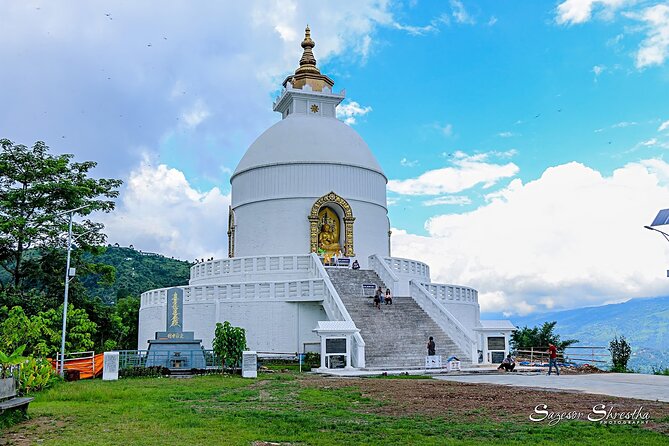
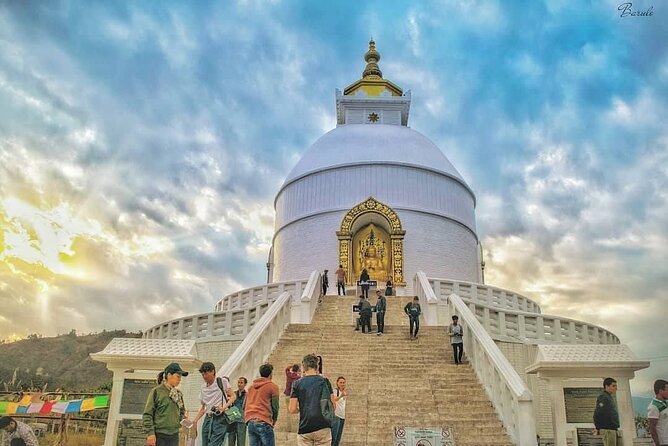
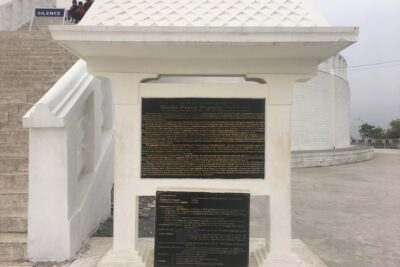
The final major viewpoint stop is the World Peace Pagoda, also known as the Pokhara Shanti Stupa. You’re typically there for about 45 minutes, and entry is listed as free.
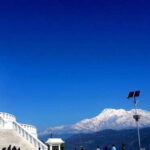
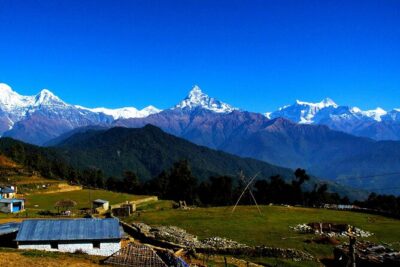
The site sits on Anadu Hill, and the point of going up is the panoramic view of the Annapurna Range. In other words, this is where your day’s sights snap into one big picture: lake, mountains, and that sense of Pokhara as a valley looking outward.
One review mentioned the 200 steps involved, and that the guide stayed patient even when the pace slowed. That’s useful if you’re not great with stairs, or if you get winded easily. With a guide who can adjust timing, you’re less likely to feel rushed or self-conscious.
Practical note: even if the day looks warm, hilltop steps can feel cooler. Wear something comfortable and breathable, and bring water—luckily bottled water is included.
Price and What You Actually Pay For
This tour costs $40 per person and is offered as a private experience with AC vehicle transport, bottled water, and a friendly driver cum guide. For a 4–5 hour window, that’s a solid deal compared with piecing together separate rides and admission lines on your own.
Where the price can shift is in the entry tickets. The tour states that admission tickets are not included, and that matters for the International Mountain Museum and the cave/falls stops. Some other sights are free (like Barahi Temple and the Peace Temple), which helps offset the paid ones.
What I’d do for value: budget extra for entrances and keep a bit of flexibility for small changes on the day. One review mentioned a detour to Helping Hands, a shop with quality items made by people with disabilities. If your guide suggests something like that, it can turn your sightseeing into practical local support.
How to Time It, What to Bring, and What to Wear
Because the stops are close enough to fit into a compact 4–5 hour schedule, you’ll want clothing that works for changing surfaces: temple steps, museum walking, and damp areas near waterfalls and caves.
Wear shoes with grip. Even when it’s not pouring, rock areas around falls and caves can feel slick. Bring a light layer for windier hilltop sections at the Peace Pagoda.
For comfort, carry some cash for entry fees and any small purchases. The tour includes bottled water, but it doesn’t list meals—so if you want lunch, plan it around the rest of your day rather than assuming it’s built in.
If you’re sensitive to stairs, take your time at the Shanti Stupa. The guide can pace you, and that’s a big part of why a private format feels better than a rushed group option.
Best Fit: Who Should Book This Pokhara 5-Hour Tour
This is a great choice if:
- You’re short on time but want Pokhara’s key sights in one run.
- You like having a guide explain what you’re looking at, not just dropping you at a gate.
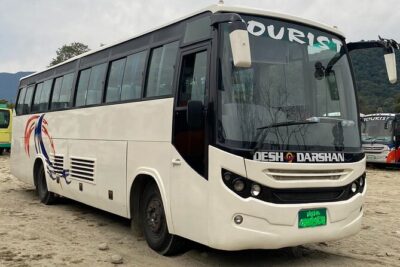
- You want private transportation with pickup and an AC vehicle, which is especially helpful in warmer months.
It’s also a good match if you’re traveling with family or anyone who appreciates a structured route. A private itinerary means your guide can adjust when conditions change—like crowds or slower walking.
You might reconsider if you hate paying separate entrance fees or if you want a long, slow lake day. This tour is intentionally compact. It gives you the highlights, not hours of wandering.
Should You Book This Pokhara 5-Hour Tour?
I’d book it if your goal is a smart first pass through Pokhara—lake views, museum learning, natural “what’s going on here?” stops at Devi’s Fall and Gupteshwor Cave, and a big final viewpoint at the World Peace Pagoda.
I especially like that it blends scenery with context. The museum helps you connect to why mountaineering matters here, and the Devi’s Fall + cave pairing gives you a memorable cause-and-effect experience.
Skip it only if you want an unhurried day focused on one area, or if you’d rather pay for entrances yourself by choosing stops à la carte. For most visitors with limited time, this hits a good balance of value, variety, and a guide-led pace.
FAQ
FAQ
How long is the Pokhara in 5 Hours tour?
It runs about 4 to 5 hours.
Is pickup included?
Yes, pickup is offered.
What’s included in the price?
Included items are bottled water, an air-conditioned vehicle, private transportation, and a friendly driver cum guide.
Are entry tickets included?
No. Entry tickets are not included.
Which main stops are on the route?
The tour includes Barahi Temple (Tal Barahi), International Mountain Museum, Devi’s Fall, Gupteswar Mahadev Cave, and the Peace Temple (World Peace Pagoda / Shanti Stupa).
How much do the free stops typically matter?
Two stops are listed as free: Barahi temple and Peace Temple.
Is this a private tour?
Yes. It’s a private tour/activity, so only your group participates.
Do you get a mobile ticket?
Yes, the tour offers a mobile ticket.
Are service animals allowed?
Yes, service animals are allowed.
What’s the cancellation timeframe?
You can cancel for a full refund up to 24 hours in advance, and the policy follows local time cut-offs.
Museums and Rainy-Day Stops
Also Reviewed Around Pokhara
More Lake and Peace Pagoda Trips

Newer Pokhara reviews to browse before you decide
Phewa Lake & Peace Pagoda, compared.
 ★ 5.0Day Hiking from Sarangkot to World Peace Stupa from LakesideFrom $13020 reviews
 ★ 4.5Golden Hour at Peace Pagoda – Himalayan Sunset TourFrom $1016 reviews
 ★ 5.0Hiking to Peace Pagoda via Fewa Lake & JungleFrom $5210 reviews
 ★ 5.0Pokhara in 5 Hours: Lake, Museum, Cave, Falls & Pagoda HillFrom $4510 reviews
 ★ 4.8Suspension Bridge Private Tour- 30 Min Village WalkFrom $219 reviews
 ★ 4.5Round The PhewaFrom $1858 reviews
 ★ 5.0Full day Suspension Bridge, Boating, George, Sightseeing TourFrom $2306 reviews
 ★ 4.81-Day World Peace Pagoda and Lord Shiva Statue TrekFrom $285 reviews
Browse the lists this tour appears in