
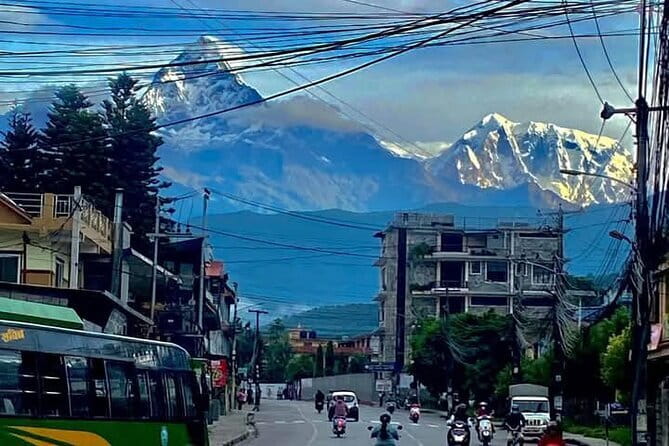
Reviewed · PHEWA LAKE & PEACE PAGODA
Full day Suspension Bridge, Boating, George, Sightseeing Tour
Pokhara hits hard when you go early. This private 3-day loop (yep, it’s built around long view moments) strings together Davis Falls, Phewa Lake boating, and the big mountain viewpoints around Sarangkot and World Peace Stupa. I like the way it moves beyond basic town stops, and I really enjoy the plan for sunrise and sunset so you’re not just seeing Pokhara—you’re catching it changing light.
What else I like: the service stays personal with hotel pickup/drop-off and an English-speaking guide timed to your day. I also appreciate that the day mixes nature and culture—Hindu shrine stops at Gupteshwor and the goddess temple at Bindabasini, plus a mountaineering-focused museum. One drawback to flag: entrance fees and meals are not included, so you’ll want to budget for ticket costs on top of the tour price.
If you like practical touring—comfortable drives, good viewpoints, and time on the lake—this one fits. And if you’re unlucky with clouds, sunrise can be less dramatic, so keep your expectations flexible and bring layers.
In This Review
- Key highlights worth your attention
- Pokhara in one private sweep: what the 3 days really feel like
- Davis Falls to Gupteshwor Cave: water, legends, and careful steps
- The mountain-museum stop and Bindabasini Temple views
- Suspension bridge and gorge-style viewpoints: why the city day isn’t just temples
- Phewa Lake paddle boating: the calm that makes the rest work
- Sarangkot sunrise by private car: timing is everything
- World Peace Stupa at sunset: meaning plus the best light
- Price and logistics: what $230 really buys you in Pokhara
- What to expect day-to-day: simple breakdown
- Small practical tips that save real stress
- Should you book this Pokhara loop?
- FAQ
- How much does the tour cost?
- How long is the experience?
- Does the tour include hotel pickup and drop-off?
- Is this a private tour?
- Will I have an English-speaking guide?
- Is paddle boating included?
- Are sunrise and sunset tours included?
- Are entrance fees included?
- Are meals included?
- Is there free cancellation?
Key highlights worth your attention
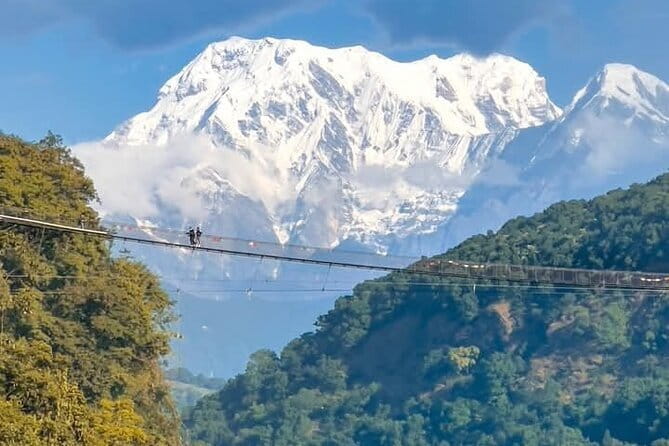
- Sunrise from Sarangkot: early push for the best shot at Annapurna and Dhaulagiri views.
- World Peace Stupa at sunset: Buddhist monument + big panorama over Pokhara and the lake.
- Phewa Lake paddle boating: a slower hour that makes the whole day feel calmer.
- Davis Falls + Gupteshwor Cave: water drama and sacred grotto atmosphere in one run.
- International Mountain Museum: mountaineering gear and culture context, not just scenery.
- Private car, small-group feel: your own schedule beats hopping between shared buses.
More ways to see the city and Pokhara Valley in a day.
- Pokhara: Full-Day Private Tour on 7 Iconic Destination★ 4.8 · 108 reviews
- Pokhara: Sarangkot Sunrise with Half or Full-Day City Tour★ 4.8 · 100 reviews
- The Best of Pokhara: Full-Day Private Tour with Sarangkot Sunrise★ 5.0 · 66 reviews
- Guided Tour to explore the entire Pokhara City★ 5.0 · 51 reviews
Pokhara in one private sweep: what the 3 days really feel like
This experience is priced per person and runs about 3 days, but the heart of it is really two tour-focused days plus a lighter Day 3 (often just room to breathe and time near Pokhara lakeside). You’ll have hotel pickup and drop-off, and the touring is done by private car, which matters a lot in Pokhara where distances can eat your time.
The pacing is built around “Pokhara time,” not clock time. You’ll start with waterfall-and-cave energy, shift into museum and temple culture, then slow down with a boat hour on the lake. Then you go back up for sunrise at Sarangkot and finish the story at World Peace Stupa when the light softens.
Because it’s private, it’s also easier to keep the day comfortable. I like that you’re not stuck waiting for strangers to show up, and the guide can steer you toward what’s most worth your time that day.
Davis Falls to Gupteshwor Cave: water, legends, and careful steps
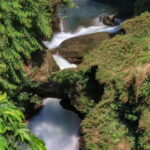
Davis Falls (also called Devi’s Fall) is where the tour earns its reputation fast. Expect a big, dramatic waterfall that disappears into an underground cavern system. The stop is scheduled for about 2 hours, and in that time you’ll have room to watch the water, move around the viewing areas, and take photos without feeling rushed.
Next comes Gupteshwor Mahadev Cave, a shorter stop at about 30 minutes. This is a Hindu shrine tucked into a cave setting, with stalactites and stalagmites plus a spiritual atmosphere. It’s not just geology; it’s also a living place of worship, so keep your tone respectful and don’t treat it like a theme park.
Practical note: cave areas can mean uneven floors and a change in temperature from the outside. Wear shoes that don’t hate stairs or wet surfaces, and don’t plan to wear anything you can’t comfortably get around in.
Where this fits especially well: if you’re the kind of person who likes a “story” to your stops, Davis Falls and Gupteshwor Cave connect nicely—wild water outside, sacred cave space just nearby.
The mountain-museum stop and Bindabasini Temple views
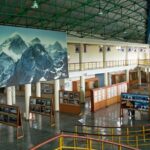
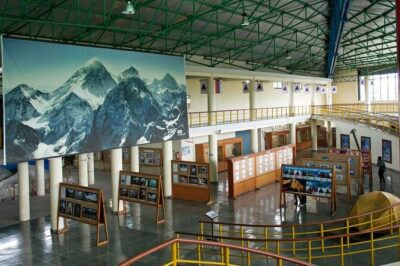
After the watery stuff, the itinerary shifts into “how Nepal thinks about mountains” mode with the International Mountain Museum. You get about 1 hour, which is enough to see the mountaineering equipment and cultural artifacts and get a clearer sense of why these peaks matter beyond postcards.
Then you go to Shree Bindhyabasini Temple, timed for about 30 minutes. The temple sits atop a hill and offers panoramic views over the Pokhara Valley and surrounding mountains. Even if you don’t consider yourself a temple person, it’s a good way to stretch your legs and enjoy a higher viewpoint without spending your whole day walking.
Two things I appreciate here: you get context (museum) and you get a view reward (temple). It keeps the day from feeling like “look, look, look,” and instead gives you a reason for what you’re seeing.
If you enjoy photography, this is also where you can reset your camera settings. After caves and waterfalls, your eyes need a brighter palette, and Bindabasini’s hilltop perspective helps.
Suspension bridge and gorge-style viewpoints: why the city day isn’t just temples
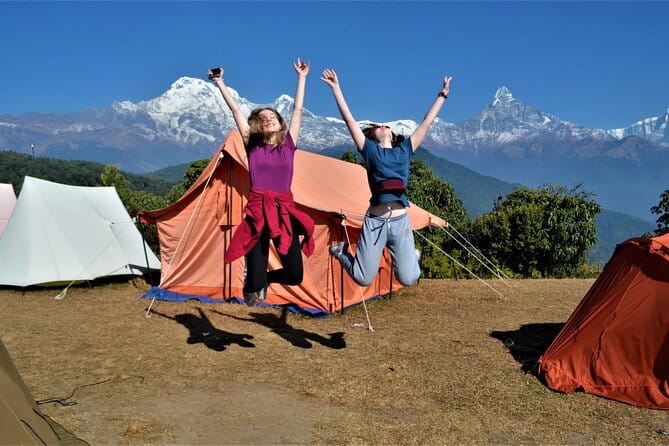
Your overall theme is classic Pokhara highlights, and that includes the kind of photo stops people usually travel here for—like suspension bridge views and river gorge scenery (often associated with the Seti area). Even when the exact timing of these stops varies by day, the tour’s “city day” structure is clearly designed to roll multiple scenic hits into one private route.
This is smart. Pokhara is spread out, and trying to stitch together a suspension bridge stop plus falls plus cave plus museum on your own can turn into a half-day of guessing. With a driver and guide handling the route, you get more time standing where the view actually is.
One caution: if fog or rain rolls in, the bridge and gorge areas can be slippery and less rewarding visually. If you see clouds building, don’t cling to perfect conditions—move on, get your photos safely, and save your biggest “serious view” hope for sunrise and sunset.
More Phewa Lake and World Peace Pagoda outings.
Phewa Lake paddle boating: the calm that makes the rest work
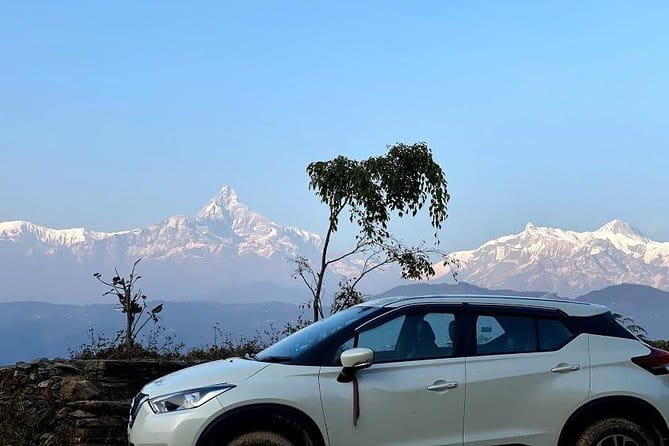
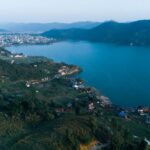
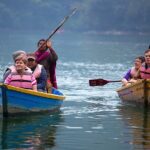
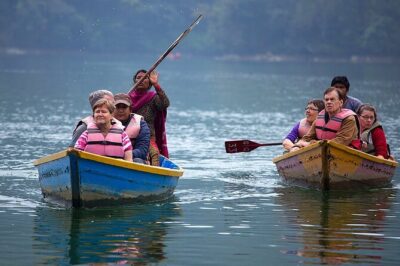
The itinerary ends Day 1 with a serene break on Phewa Tal (Phewa Lake). You’re scheduled for about 1 hour of paddle boating, and this is one of those moments that turns a packed day into something you’ll remember.
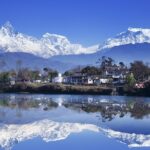
What makes it worth your time is the timing and the scenery. You’ll be out on calm water with mountain reflections around you, and if your schedule lines up well, it’s a beautiful lead-in to evening light. Even if the sky is not perfectly clear, being on the lake slows everything down.
For me, this stop is the “reset button.” After caves and waterfalls, your brain needs a quieter scene, and the lake delivers. It also gives you a nice contrast to the more spiritual temple vibe earlier in the day.
Bring basic lake-day sense: expect mild wind and plan for light spray. If you’re prone to getting cold, a thin layer is helpful.
Sarangkot sunrise by private car: timing is everything
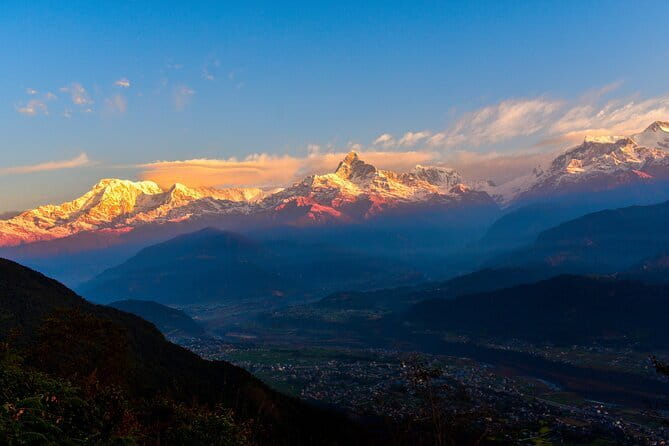
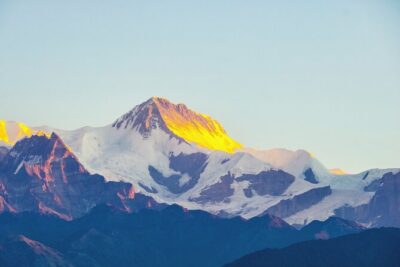
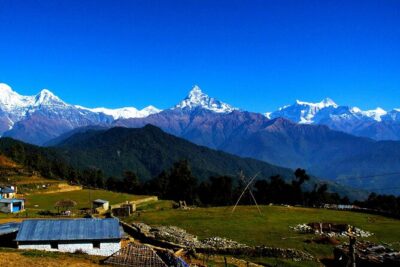
Early morning is the big deal here. Day 2 takes you to Sarangkot Mountain Lodge for sunrise, with a scheduled window of about 3 hours. Sarangkot is famous for mountain views over the Annapurna and Dhaulagiri ranges, and the whole point of going early is catching the first rays when the peaks look most defined.
This is one place where a private car matters. You don’t want to be scrambling for transport while the sky is changing. A car also helps with logistics so you can spend energy on the view, not the route.
The other reason I love sunrise stops: they feel like a reward for the early start, not like punishment. Even if you don’t get a dramatic sky, the atmosphere up there—people quietly waiting, the light gradually warming—can be its own experience.
What to prepare for: mornings in the hills can feel chilly, and the drive and wait time can mean you’ll stand still for a bit. Dress in layers, and bring something small for warmth. Your future self will thank you.
World Peace Stupa at sunset: meaning plus the best light
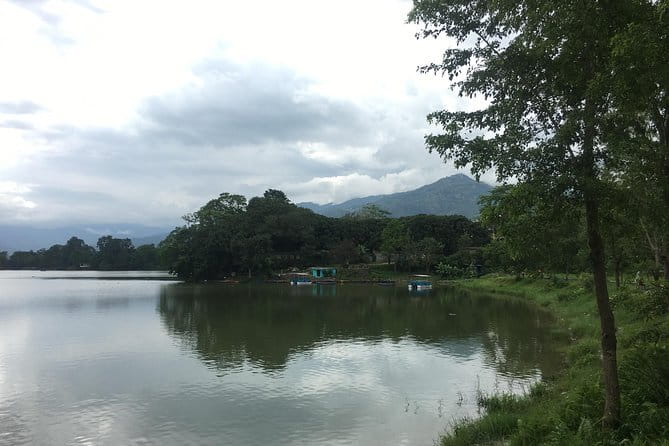
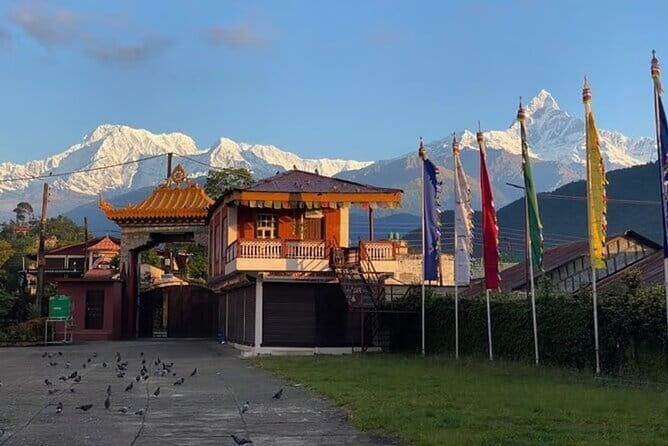
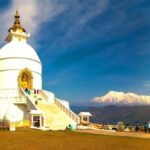
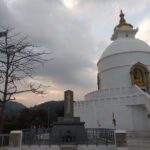
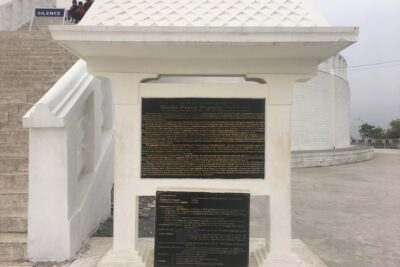
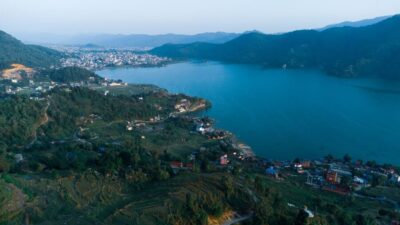
After sunrise, Day 2 keeps the momentum but changes the mood with World Peace Stupa (World Peace Pagoda). This stop runs about 2 hours, and it’s both spiritual and practical—Buddhist monument dedicated to world peace plus wide views over Pokhara Valley, Phewa Lake, and nearby mountains.
The sunset timing is the key. Evening light flattens harsh shadows, makes colors softer, and turns the lake and valley into layered scenery. Even when the mountains aren’t razor-sharp, you still get a strong sense of place from the viewpoint.
This is also where the tour adds “why this matters.” The stupa isn’t just another viewpoint; it’s a site with a message, and the calm you feel around it matches the slow-down theme of the day.
If you like photography, arrive with time to settle. You don’t need to run around taking pictures like you’re collecting trophies. Slow down, pick a spot, and let the light do its job.
Price and logistics: what $230 really buys you in Pokhara
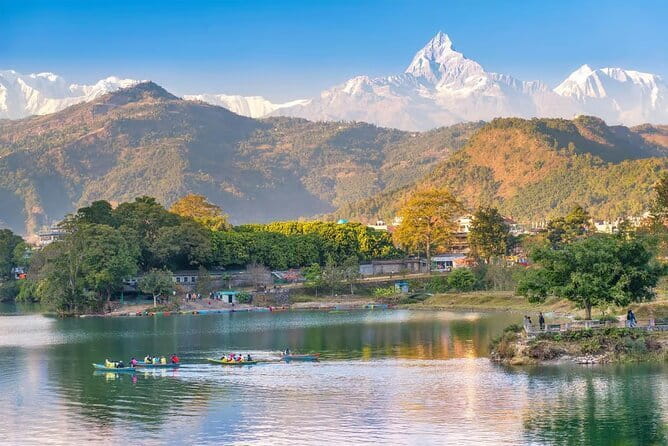
At $230 per person, the value question is simple: are you paying for private comfort and time savings, or are you paying for sightseeing you could do alone? Here, you’re paying for private car service across multiple days plus an English-speaking guide for city, sunrise, and sunset segments.
Also included:
- Hotel pickup and drop-off
- A one-day city tour by private car
- Sunrise tour by private car
- Sunset tour to World Peace Stupa by private car
- One hour paddle boating at Fewa Lake
- Private trip (your group only)
Not included:
- Entrance fees (tickets)
- Meals
- Optional gratitude
So the math works best if you value convenience and don’t want to coordinate transport yourself across Pokhara’s scattered viewpoints. If you’re traveling as a group, this becomes even more sensible because private cars can split between people more easily.
One more small detail I appreciate: many tours like this feel fixed, but here the Day 3 portion includes a lakeside window based on your departure schedule. That means you’re not forced into “tour mode” until you leave.
What to expect day-to-day: simple breakdown
Day 1 is the full sightseeing sweep: Davis Falls, Gupteshwor Cave, a mountain museum, Bindabasini Temple, and a paddle boat hour on Phewa Lake. It’s the most active day, and it’s also the day where you’ll want to keep your phone charged since you’ll have plenty of photo moments.
Day 2 is “views and quiet.” Sarangkot starts early for sunrise, then you shift to World Peace Stupa for sunset and valley panoramas. Plan for a day that feels longer because early mornings are involved.
Day 3 is lighter and depends on your departure. If you have time, the itinerary sets you up for exploring Pokhara lakeside at your own pace before the drop-off to Pokhara International Airport, Tourist Bus Station, or your hotel.
Small practical tips that save real stress
- Budget for entrance fees and meals. Since tickets and food aren’t included, carry some cash just in case.
- Wear shoes you can trust. Caves, hilltops, and scenic viewpoints often mean stairs and uneven surfaces.
- Dress in layers for sunrise. Early hills can be cool, and sitting/standing still for sunrise time can chill you faster than you expect.
- Keep a small towel or tissue. Lake areas and cave visits can mean you’ll get a bit damp.
- If you get a guide-driver like Bal Gurung Dai (name seen in service notes), lean into it. The best part of a guide isn’t the script—it’s how they help you move smart and see what matters.
Should you book this Pokhara loop?
I’d book it if you want a private, time-efficient way to hit Pokhara’s most important natural and cultural stops without juggling transportation. It’s a strong choice for first-timers who want sunrise and sunset viewpoints, plus travelers who like a mix of spirituality, museum learning, and scenic breaks.
Skip it if you’re on a tight budget and you’re comfortable building your own route, paying for your own driver, and handling timing yourself. Also think twice if early mornings don’t work for your body—Sarangkot sunrise is a core feature, not an add-on.
If you want Pokhara with fewer logistics headaches and more time at the best light, this tour makes a lot of sense.
FAQ
How much does the tour cost?
The tour is listed at $230.00 per person.
How long is the experience?
It’s listed as about 3 days.
Does the tour include hotel pickup and drop-off?
Yes. Hotel pickup and drop-off are included, along with drop-off options at Pokhara International Airport or the Tourist Bus Station.
Is this a private tour?
Yes. It’s a private trip, meaning only your group participates.
Will I have an English-speaking guide?
Yes. An English-speaking tour guide is included for the city tour, sunrise tour, and sunset tour.
Is paddle boating included?
Yes. You get one hour of paddle boating on Phewa Lake.
Are sunrise and sunset tours included?
Yes. Sunrise is included by private car (Sarangkot), and sunset includes a private-car visit to World Peace Stupa.
Are entrance fees included?
No. Entrance fees are not included.
Are meals included?
No. All meals are not included.
Is there free cancellation?
Yes. You can cancel for a full refund if you cancel at least 24 hours before the experience’s start time.
Also Reviewed Around Pokhara
More Lake and Peace Pagoda Trips
More City and Valley Sightseeing
Newer Pokhara reviews to browse before you decide
Phewa Lake & Peace Pagoda, compared.
 ★ 5.0Day Hiking from Sarangkot to World Peace Stupa from LakesideFrom $13020 reviews
 ★ 4.5Pokhara in 5 Hours: Lake, Museum, Cave, Falls & Pagoda HillFrom $4016 reviews
 ★ 4.5Golden Hour at Peace Pagoda – Himalayan Sunset TourFrom $1016 reviews
 ★ 5.0Hiking to Peace Pagoda via Fewa Lake & JungleFrom $5210 reviews
★ 5.0Pokhara in 5 Hours: Lake, Museum, Cave, Falls & Pagoda HillFrom $4510 reviews
★ 5.0Hiking to Peace Pagoda via Fewa Lake & JungleFrom $5210 reviews
★ 5.0Pokhara in 5 Hours: Lake, Museum, Cave, Falls & Pagoda HillFrom $4510 reviews
 ★ 4.8Suspension Bridge Private Tour- 30 Min Village WalkFrom $219 reviews
 ★ 4.5Round The PhewaFrom $1858 reviews
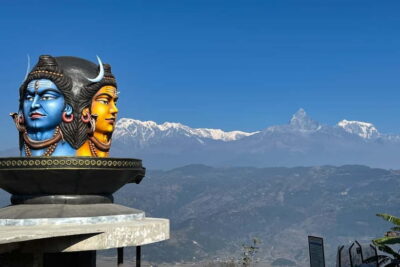 ★ 4.81-Day World Peace Pagoda and Lord Shiva Statue TrekFrom $285 reviews
Browse the lists this tour appears in