
Reviewed · PHEWA LAKE & PEACE PAGODA
Round The Phewa
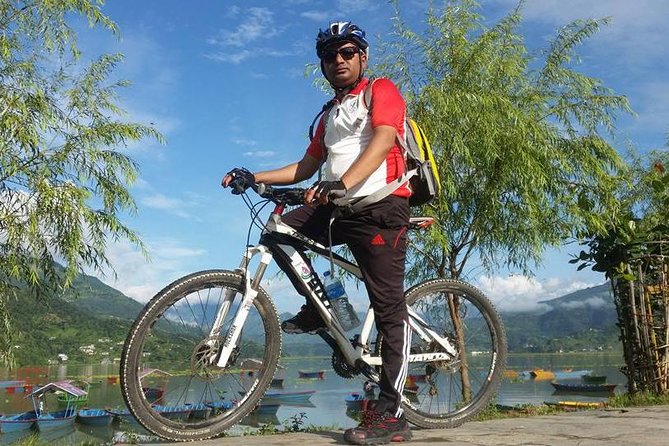
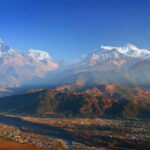
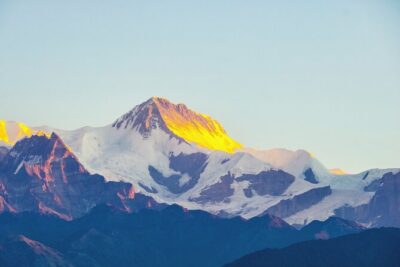
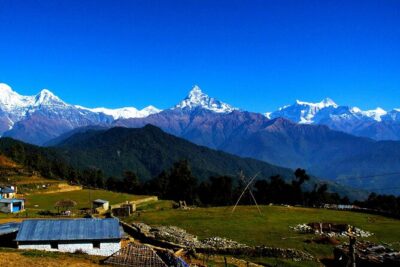
Phewa Lake turns into a trail playground. This Round The Phewa ride mixes mountain biking single-track with classic Pokhara sights like World Peace Pagoda, Devi’s Fall, and the Tibetan Refugee Camp. I especially like the promise of technical, heart-thumping riding plus long stretches with fresh lake views, including the Annapurna Range and the chance to spot the Mt Fishtail shadow on the water.
One thing to keep in mind: this tour depends on good weather and it’s physically moderate—it’s not a casual spin.
You’ll meet at Cycle Tours & travel Pokhara 33700, and the private setup means it’s just your group. The operator also offers pickup, gives you a mobile ticket, and includes a complementary glass of fresh juice after the ride.
In This Review
- Key Highlights to Know Before You Go
- Phewa Lake by bike: why this loop feels more real
- The bike, the guide, and the little extras
- Where the tour starts: getting set up fast
- World Peace Pagoda + Devi’s Fall: scenic stops with different vibes
- World Peace Pagoda
- Devi’s Fall
- Tibetan Refugee Camp: a cultural pause, not just scenery
- Bridges, boats, and water buffalo: the “Pokhara sightings” section
- Queen Forest single-track: the part you’ll feel in your legs
- Villages, lakeshores, and riverbed: the loop that keeps changing
- Price and value: is $185 a fair trade?
- Weather, timing, and what to bring for a technical ride
- The one thing you should watch: no-show risk
- Who this tour is best for
- Should you book Round The Phewa?
- FAQ
- How much does Round The Phewa cost?
- Where does the tour start and end?
- How long is the biking experience?
- Is pickup available?
- What’s included in the price?
- What isn’t included?
- How fit do I need to be?
- Is this a private tour?
- What happens if the weather is bad?
Key Highlights to Know Before You Go
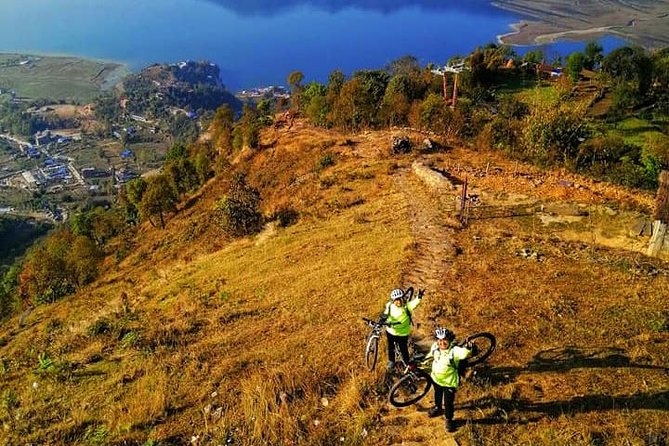
- Single-track riding around Phewa Lake with uphill work and hair-raising downhill flow through forest and farms.
- Temple-and-culture stops: World Peace Pagoda, Devi’s Fall, and the Tibetan Refugee Camp.
- Scenic variety: bridges, lakeshores, riverbed sections, boats, and water buffalo sightings.
- New mountain bikes plus a female guide, which can make the pace and safety feel more comfortable.
- 3–5 hours of activity with bicycle use included, but no lunch on the schedule.
More Phewa Lake and World Peace Pagoda outings.
- Pokhara: Day Hiking from Sarangkot to World Peace Stupa from Lakeside★ 5.0 · 20 reviews
- Pokhara in 5 Hours: Lake, Museum, Cave, Falls & Pagoda Hill★ 4.5 · 16 reviews
- Pokhara: Golden Hour at Peace Pagoda – Himalayan Sunset Tour★ 4.5 · 16 reviews
- From Pokhara : Hiking to Peace Pagoda via Fewa Lake & Jungle★ 5.0 · 10 reviews
Phewa Lake by bike: why this loop feels more real
If you mostly see Pokhara from roads or viewpoints, you’ll miss the way the area changes every few minutes. This ride gives you that constant shift: lake edges, river views, farm paths, and forest single-track. You’re moving, stopping, and moving again—so the trip doesn’t feel like you’re ticking boxes from a bus window.
The big draw is the way the route is described as the best single-track ride around Phewa Lake, with superb views of the Annapurna Range and the surrounding lake valley. Even if you’re not a speed freak, that kind of variety keeps you focused: you’re not waiting for the next stop as much as you’re earning it.
The other plus is that it’s not just scenery. The itinerary includes physical trails that are described as physically and technically challenging, with steep uphill effort and downhill sections through forest and along water. For many people, that’s the whole point of biking here: it feels like you’re actually inside the terrain, not just cruising over it.
The bike, the guide, and the little extras
You’ll be riding new mountain bikes, which matters more than it sounds. On technical single-track, bike condition affects comfort and control—especially if you’ll be dealing with bumps, uneven ground, and quick changes in direction.
I also like that the tour uses a female guide. The data doesn’t explain the guide’s background, but having a guide who can manage pace and keep an eye on safety can make a tough trail feel more approachable.
There’s also a complementary fresh juice after the trip. It’s not a big luxury add-on, but it’s a practical one. You’ll likely finish warm, dusty, and sweaty, and that cold glass is the kind of small payoff that makes the ride feel complete.
Where the tour starts: getting set up fast
The meeting point is Cycle Tours & travel Pokhara 33700, Nepal, and the activity ends back at the same place. That matters because a tight loop keeps your day from turning into a logistics marathon.
The tour description also says pickup is offered, and it’s near public transportation. So if you’re staying in Pokhara and don’t want to fight taxis for every plan, this is the type of setup that can save time.
You’ll also get a mobile ticket, which is convenient if you’re juggling photos, maps, and messages while you’re already on the move. If your phone battery is unreliable, just keep a charger plan in mind—because Nepal is great, but signals and Wi‑Fi can be unpredictable.
World Peace Pagoda + Devi’s Fall: scenic stops with different vibes
This route doesn’t treat sightseeing as a quick photo break. It builds in actual stops before you roll back into trail riding.
World Peace Pagoda
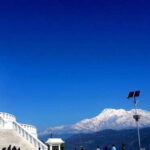
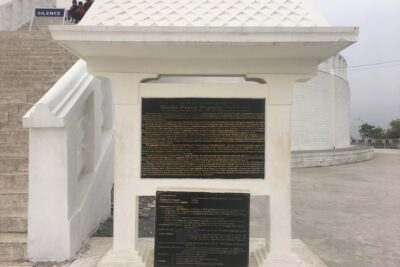
The World Peace Pagoda stop is typically about viewpoints and calm structure, and on this tour it functions like a mental reset. When you’re about to hit technical riding, a scenic stop can help you get oriented—both with the terrain and with what kinds of views you’ll be chasing later on.
Devi’s Fall
Then you go to Devi’s Fall, which is known for water motion and dramatic scenery. In the context of this biking day, that stop adds contrast: you go from forest-and-lake rhythm to a landmark that feels more dramatic and vertical.
Potential drawback: if you’re the type who gets annoyed by “short walking + more photos + back on the trail,” plan for both. This day is designed for movement, but it’s still built around multiple place visits.
Tibetan Refugee Camp: a cultural pause, not just scenery
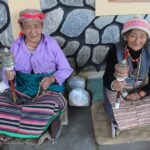
After Devi’s Fall, you’ll visit the Tibetan Refugee Camp. This is one of the stops that can make the ride feel bigger than just a workout with views.
Why it’s valuable: you’re in a region where the everyday life of communities matters, and this camp stop gives you a chance to see a living side of Pokhara beyond the tourist route. You’re not just observing nature; you’re also stepping into a human story that’s part of the area’s present.
Practical note: the tour data doesn’t describe how long you’ll stay inside or what you’ll see, so if this stop is a top priority for you, ask the operator for timing expectations when you book.
Bridges, boats, and water buffalo: the “Pokhara sightings” section
After the camp, the ride shifts toward lower areas and more varied ground. This is where you start dropping toward suspension and wooden bridges, then continue through scenes involving viewing boats, water buffalo, and people working in the fields.
This is the part that many people remember most, because it’s visual and slow enough to feel real. You can see how people live right next to the lake and along paths that look like they were built for daily routines, not tourism.
Potential consideration: these scenes can also mean mixed conditions. Trails near water can be slick, and wooden bridge approaches can be uneven. If you’re cautious on technical footing, take the slow lead at the beginning and let the guide set the pace.
Queen Forest single-track: the part you’ll feel in your legs
Now for the main event: riding single-track through Queen Forest, plus sections through paddy fields and along the river. The description calls out the ride as rolling over physically and technically challenging trails—with heart beat high on uphill and hair rising downhill on super flows single track through forest.
That combination is exactly what makes this kind of ride satisfying. The hills aren’t just obstacles; they’re part of earning views. And the downhill sections aren’t just thrills; they’re where you learn flow—body position, braking timing, and where to look.
If you want to judge whether this is your kind of challenge, focus on one phrase in the description: technically challenging. That’s not a beginner promise. You’ll want moderate physical fitness level, and you should be comfortable riding with some uneven ground.
A small plus: the itinerary says you’ll ride “by different path that other has not ride.” Even if you can’t verify every route detail, the point is clear: the biking route is meant to feel more unique than a generic lakeside stroll.
Villages, lakeshores, and riverbed: the loop that keeps changing
On the way back, you’ll keep collecting different kinds of terrain: villages, lakeshores, riverbed sections, and beautiful Phewa Lakeside. This is where the ride becomes more than one long trail.
I like this kind of cycling route because you’re constantly getting visual feedback. Lake views can boost your energy. Village sections can give you a sense of place. Riverbed parts can change the texture of the ride. When one type of terrain gets repetitive, another takes over.
Possible drawback: if you’re mainly chasing one thing—like the pagoda view, or only the lake photo spots—this route will ask you to trade some time for the riding rhythm. It’s not a sightseeing-first day. It’s a bike-first day with meaningful stops.
Price and value: is $185 a fair trade?
The price is $185 for about 3 to 5 hours, and it includes use of a bicycle. Other items are also mentioned as part of the experience: pickup offered, mobile ticket, and a complementary fresh juice after the trip.
So what are you really paying for? Not just the bike. You’re paying for:
- a guided ride that includes multiple named sights,
- an approach to single-track riding around Phewa,
- and the convenience factor (pickup and mobile ticket).
Lunch is not included, so you’ll want to plan food before or after. That’s worth remembering because a biking day can spike your appetite fast.
Is it good value? For a private setup, with new bikes and a multi-stop route, $185 can make sense—especially if you’ll use the pickup and you’re excited by technical riding. If you only want easy photos and flat paths, you’ll feel like you overpaid because the tour is built around challenge.
Weather, timing, and what to bring for a technical ride
The tour requires good weather. That’s common for cycling, but it’s extra important here because the route includes forest single-track and areas near water—conditions can turn quickly.
The time window is 3 to 5 hours. That means you’ll be out long enough to feel the physical work, but not so long that you’ll feel dragged through the day. Your pacing will matter. Don’t treat it like a race. Treat it like a controlled effort: work uphill, relax into downhill.
What I’d bring (practical, not fancy):
- water (you’ll want it for hills),
- a light layer for cool moments near water,
- sun protection,
- and shoes with grip for uneven ground.
Also, since the route includes bridges and riverbed elements, keep your day pack minimal and secure. One loose item bouncing on a bike is the fastest way to break your focus.
The one thing you should watch: no-show risk
The overall rating is 4.4 from 8 reviews, which suggests most trips likely go smoothly. Still, there is a clear caution from the provided feedback: one booking reported that the operator never showed up and did not respond after being contacted, with the person still waiting for a refund.
What should you do with that information? Don’t ignore it. I’d handle it like this:
- Confirm the pickup details early.
- Keep screenshots of email and WhatsApp messages.
- If you’re close to departure time, message again so you have a clear paper trail.
- If anything feels off, act within the cancellation window so you can protect your money.
This isn’t to scare you. It’s to keep your plan resilient.
Who this tour is best for
This is best for you if you want:
- mountain biking that includes single-track, not just casual riding,
- a day with real Pokhara stops (pagoda, Devi’s Fall, Tibetan Refugee Camp),
- and a mix of lake views, bridges, and farm/village scenes.
You should probably skip it (or at least rethink expectations) if you:
- need fully flat, easy cycling,
- hate technical trail riding,
- or don’t handle uphill effort and downhill risk well.
The tour specifically asks for moderate physical fitness, so be honest about your own comfort level. If you’ve ridden technical terrain before, you’ll likely enjoy the challenge. If you haven’t, ask the operator how they handle pacing for less-experienced riders.
Should you book Round The Phewa?
I’d book it if you want a Pokhara experience that blends biking challenge + meaningful stops in a tight time window. The route sounds purpose-built for fun: new mountain bikes, single-track around Phewa Lake, and named places like World Peace Pagoda, Devi’s Fall, and the Tibetan Refugee Camp.
But don’t book it on autopilot. The tour depends on good weather, and the ride includes technically challenging trails. Plus, there’s enough negative feedback about a potential no-show that you should confirm details and keep your contact trail organized.
If that sounds manageable to you, this is the kind of tour that can turn Pokhara from “a nice town” into “a day I actually remember.”
FAQ
How much does Round The Phewa cost?
It’s priced at $185.
Where does the tour start and end?
The tour starts at Cycle Tours & travel Pokhara 33700, Nepal, and ends back at the same meeting point.
How long is the biking experience?
The duration is approximately 3 to 5 hours.
Is pickup available?
Pickup is offered.
What’s included in the price?
The bicycle use is included, and you also receive a complementary glass of fresh juice after the trip. A mobile ticket is also mentioned.
What isn’t included?
Lunch isn’t included.
How fit do I need to be?
Travelers should have a moderate physical fitness level.
Is this a private tour?
Yes. It’s listed as a private tour/activity, so only your group will participate.
What happens if the weather is bad?
This experience requires good weather. If it’s canceled due to poor weather, you’ll be offered a different date or a full refund.
Also Reviewed Around Pokhara
More Lake and Peace Pagoda Trips
Newer Pokhara reviews to browse before you decide
Phewa Lake & Peace Pagoda, compared.
 ★ 5.0Day Hiking from Sarangkot to World Peace Stupa from LakesideFrom $13020 reviews
 ★ 4.5Pokhara in 5 Hours: Lake, Museum, Cave, Falls & Pagoda HillFrom $4016 reviews
 ★ 4.5Golden Hour at Peace Pagoda – Himalayan Sunset TourFrom $1016 reviews
★ 5.0Pokhara in 5 Hours: Lake, Museum, Cave, Falls & Pagoda HillFrom $4510 reviews
★ 4.5Golden Hour at Peace Pagoda – Himalayan Sunset TourFrom $1016 reviews
★ 5.0Pokhara in 5 Hours: Lake, Museum, Cave, Falls & Pagoda HillFrom $4510 reviews
 ★ 5.0Hiking to Peace Pagoda via Fewa Lake & JungleFrom $5210 reviews
 ★ 4.8Suspension Bridge Private Tour- 30 Min Village WalkFrom $219 reviews
 ★ 5.0Full day Suspension Bridge, Boating, George, Sightseeing TourFrom $2306 reviews
 ★ 4.81-Day World Peace Pagoda and Lord Shiva Statue TrekFrom $285 reviews
Browse the lists this tour appears in