
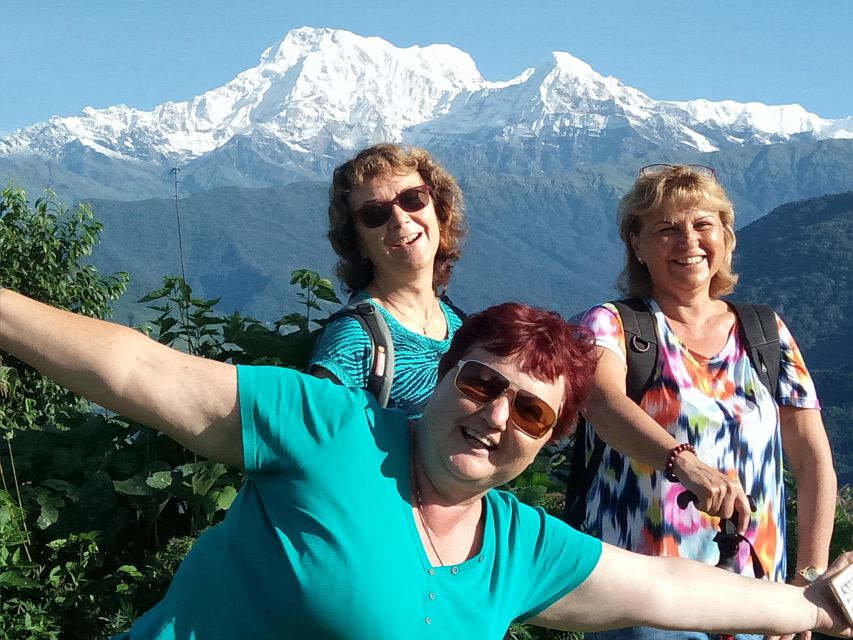
Reviewed · HIKING & TREKKING
Pokhara: 3-Day Trek
If you want Himalaya views without a grueling grind, this fits. You’ll get Annapurna sunrise and sunset moments from a lodge in the Rhododendron hills, plus comfortable teahouse stays with attached bathrooms and hot showers. One thing to watch: the operator runs a day-before briefing, and you should confirm timing so you’re not waiting around if plans shift.
This is a short, guided trek that feels like you’re really heading into the Annapurna foothills—yet stays doable for most fit travelers. It’s designed as a private trek with your pace in mind, led in English by a licensed guide, with porters handling your luggage from stop to stop.
In This Review
- Key Things I’d Remember About This Pokhara 3-Day Trek
- Pokhara’s Easy-Access Annapurna Foothills in 3 Days
- Trail Plan: Naudanda to Australian Camp, Ridge to Astam, Then Back Down
- Day 1: Drive to Naudanda, then hike up to Australian Camp
- Day 2: Ridge to Astam, staying at Annapurna Eco Village Resort
- Day 3: Down to the highway, then back to Pokhara
- Australian Camp Lodges: Rhododendron Hills, Panoramic Views, Hot Shower
- Annapurna Eco Village Resort in Astam: Simple Rooms and Real Sustainability Talk
- Guides and Porters: You’re Buying More Than Direction
- Price and Logistics: What $250 Buys (and What It Doesn’t)
- Pace, Gear, and Timing: Small Choices That Make This Trek Feel Easy
- Who Should Book This Trek (and Who Should Skip It)
- Should You Book This 3-Day Pokhara Trek?
- FAQ
- How long is the Pokhara 3-Day Trek?
- Where does this trek take place?
- What is included in the price?
- Are meals included?
- Is pickup from my hotel included?
- What language is the guide?
- Will this be a private trek?
- What should I bring?
- Is the trek suitable for everyone?
Key Things I’d Remember About This Pokhara 3-Day Trek
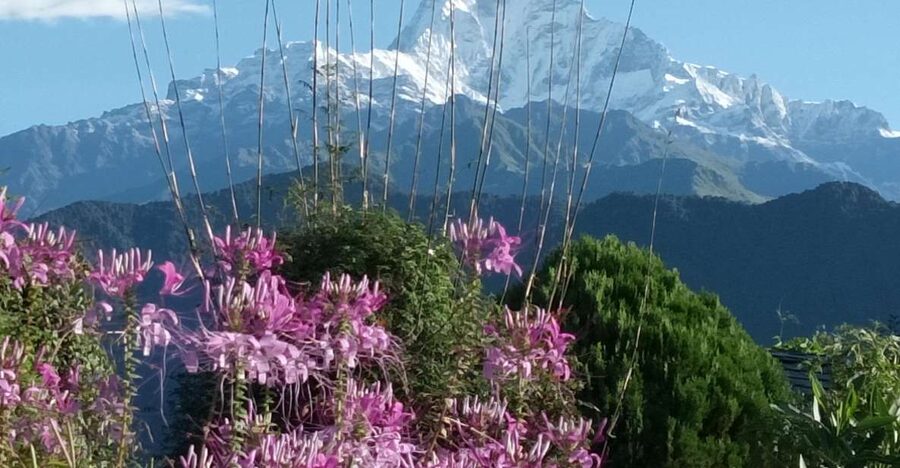
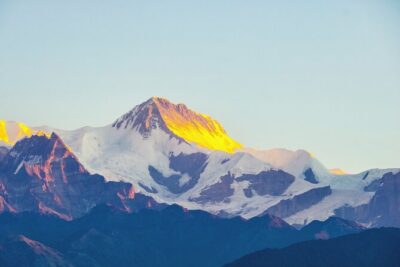
- Australian Camp at dawn: a big-view moment over the Annapurna Range, often the highlight of the whole trip
- Comfort-first lodges: attached toilet/bathroom and hot shower on night one
- Ridge walking with villages: the route threads through places like Dhampus and toward Astam
- Eco-village stop in Astam: you learn about organic farming and water reuse at the resort
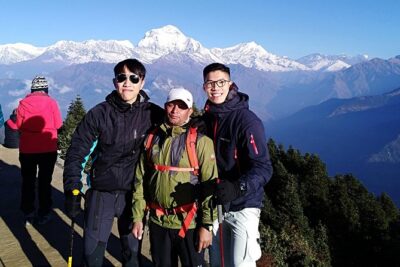
- Licensed guide + porter support: easier logistics, plus stories and context as you walk
More treks and hikes across the Annapurna region.
- Poon hill Trek 3 days★ 5.0 · 176 reviews
- Trekking in Annapurna/Langtang/Everest/Upper Mustang regions★ 5.0 · 161 reviews
- Pokhara: 4-Day Ghorepani, Poonhill & Ghandruk Mountain Trek★ 5.0 · 132 reviews
- Ghorepani – Poon Hill Trek 3N-4D★ 5.0 · 125 reviews
Pokhara’s Easy-Access Annapurna Foothills in 3 Days
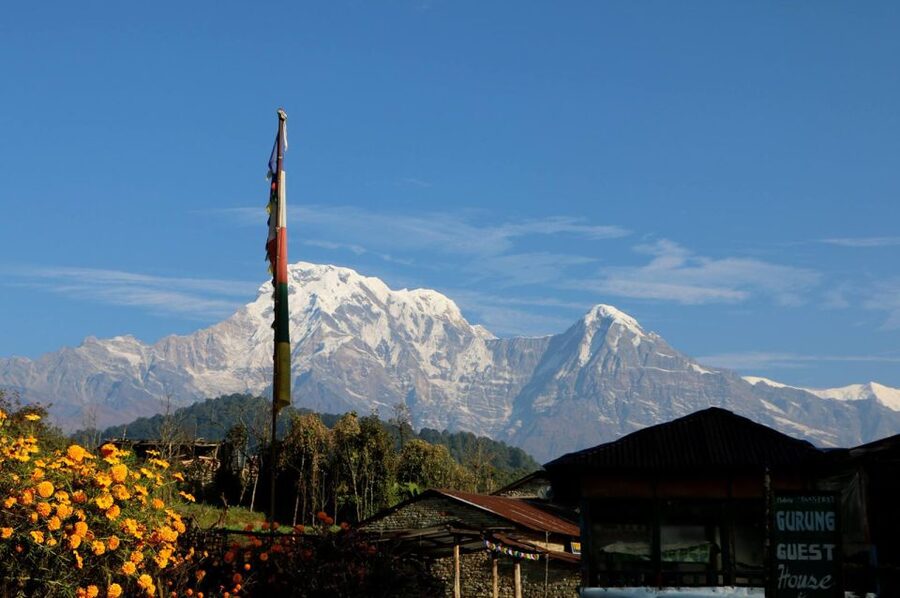
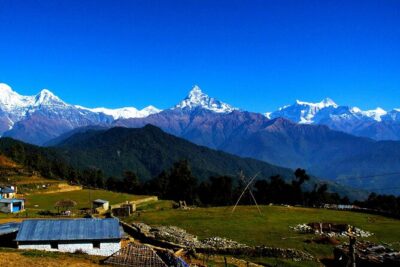
Pokhara is famous for being the gateway to the Annapurna region, but it’s easy to stay in the lakeside bubble. This trek pushes you just beyond the city limits—about 30 kilometers northwest of Pokhara—into the hills near views of Mount Fishtail and the Annapurna Himalayas.
The best part is the balance. You’re not doing a “bag yourself at any cost” expedition. Instead, you get a real trekking feel—climbing to ridges, walking village paths, and changing scenery—while keeping the daily hiking time reasonable.
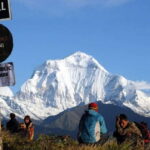
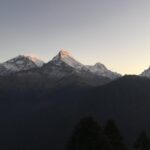
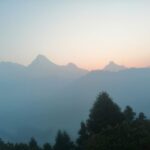
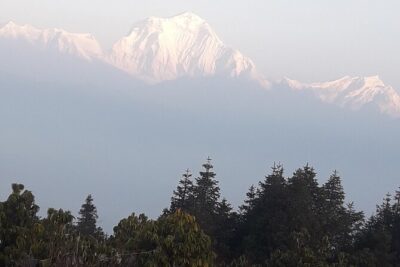
And the views are the reason you’ll care. Even on a short trek, you’ll be walking high enough to watch the valley open up below you, with terraced fields and the mass of snow peaks behind it. You’ll also get that classic Annapurna timing: the lodge at Australian camp is set up so sunrise and sunset can steal the show.
That said, it’s still hiking in the hills. You’ll want decent shoes, and you’ll benefit from being honest about your comfort level, especially since this trip is not suitable for mobility impairments and not suitable for pregnant women.
Trail Plan: Naudanda to Australian Camp, Ridge to Astam, Then Back Down
This is a point-to-point style trek with driving used to shorten the day. You don’t just march up from Pokhara; you start with a quick transfer, then hike in stages.
Day 1: Drive to Naudanda, then hike up to Australian Camp
You’ll begin with a short drive of about half an hour to Naudanda. After that, the hiking starts gently:
- You walk gradually down to a stream, then climb toward Dhampus (about 2 hours)
- After Dhampus, you continue to Pothana for lunch (another about 1 hour)
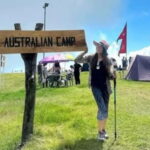
- Post-lunch, you walk roughly 30 minutes to reach Australian camp for the night
What makes this day special is the transition. You go from valley edge to rhododendron-clad heights, and you start seeing the “trekking Nepal” feel fast: small paths, village rhythm, and Himalayan scale in the distance.
A small practical consideration: since you’re driving first and hiking second, plan on a “start actively” day. It’s not an all-lounging itinerary, even though it’s described as easy.
Also note: you can’t count on meals being handled for you. Meals aren’t included, so if you want a specific timing or dish, you’ll need to order at the teahouse where you stop.
Day 2: Ridge to Astam, staying at Annapurna Eco Village Resort
Day two is where the walk leans into its views and ridge character.
After breakfast with the Himalaya in sight, you head along the scenic ridge toward Astam village (about 4 hours). This is the kind of day where the “walk” and the “look” happen at the same time—valley views on one side, village paths and terraces on the other.
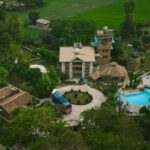
At the end, you check into Annapurna Eco Village Resort in Astam for the night. The eco angle matters here. You’re not just sleeping in a pretty building—you can learn about the resort and village practices, including organic farming and water reuse (including rainwater harvesting). If you like travel that connects scenery with how people actually live, this part lands well.
A few more Pokhara trips worth comparing.
Day 3: Down to the highway, then back to Pokhara
On your final day, it’s shorter and more “finish strong” than “survive the descent.”
You trek about 2 hours downhill to the highway, then drive back to Pokhara. This structure is helpful because it prevents the classic problem: ending with a brutal final day that drains you before you can enjoy Pokhara again.
Australian Camp Lodges: Rhododendron Hills, Panoramic Views, Hot Shower
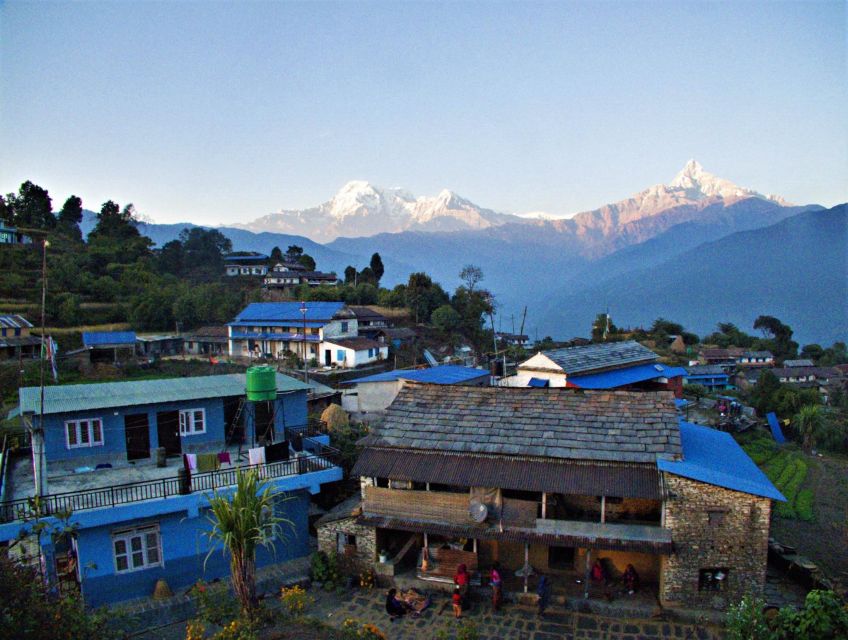
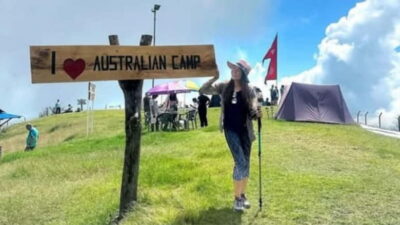
Night one is at Australian camp, a small teahouse settlement in a Rhododendron forest above Dhampus. It’s set up specifically for trekkers, and it’s been hosting visitors for many years.
Your stay here is the comfort blend that makes this trek feel beginner-friendly without turning it into a “luxury walk.” The teahouse accommodation includes:
- Attached toilet and bathroom
- Hot shower
Even if you’re not a “hot shower is life” person, after a day of climbing, this is a big quality-of-life win.
And the view position is why this stop exists. Australian camp is known for its early light. If you want that crisp, Himalayan sunrise effect, this lodge timing makes it easier than trekking somewhere random where you’re too tired to care.
One more practical point: the reviews you’ll see for this trek often mention needing basics like sunscreen and insect spray. The sun can be strong at altitude, and bugs can be part of the mix around villages and forests—so pack accordingly.
Annapurna Eco Village Resort in Astam: Simple Rooms and Real Sustainability Talk
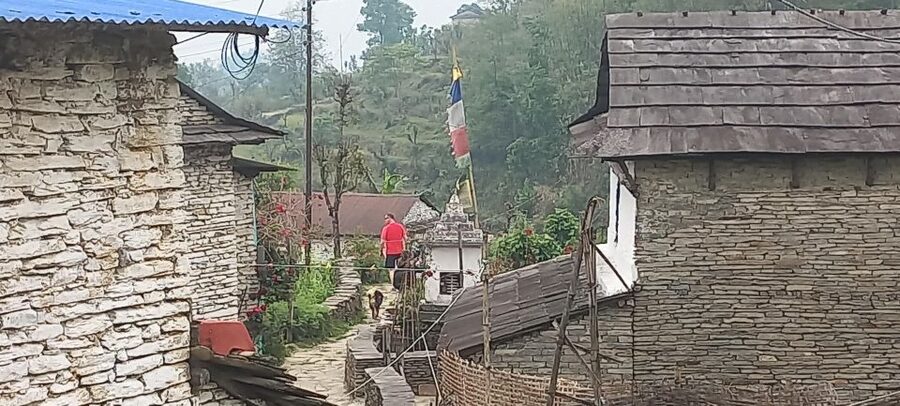
Night two is at Annapurna Eco Village Resort in Astam village. It’s not described as flashy. Instead, it’s simple yet comfortable, with attached bathroom/toilet.
What makes this stop interesting is the eco setup tied directly to village life. The resort and village reportedly use:
- Water reuse
- Rainwater harvesting
- Organic farming
This matters because it turns a night on a trek into a small cultural lesson. You’re walking through terraced agriculture and village life anyway, but here you get a chance to connect what you see with how it’s managed.
You’ll also get a feel for local food culture. Meals aren’t included in the package, but the teahouse/resort environment makes it easy to order and eat there. On this particular night, you’re in a setting where you can also learn alongside your meal, not just after you check out.
Guides and Porters: You’re Buying More Than Direction
The trip includes a professional, licensed, experienced trekking guide, plus porters to carry your luggage to each day’s destination.
That combination changes the whole vibe. A porter means you can hike with less weight, which makes a “3 days” trek feel more like “an active holiday.” And since the guide is the one moving you between viewpoints and villages, you’re not left guessing.
One detail I like: guide support tends to become storytelling support. You can pick up practical context about Nepalese countryside life, how people think about the mountains, and what you’re actually walking through—not just where to put your next step.
Across similar short treks, you may meet guides with names like Jit, Prabin (also seen as Probin), Dansay, or Basanta. The key takeaway isn’t the name—it’s that you’ll be guided by someone experienced enough to keep things moving and explain what matters.
Price and Logistics: What $250 Buys (and What It Doesn’t)
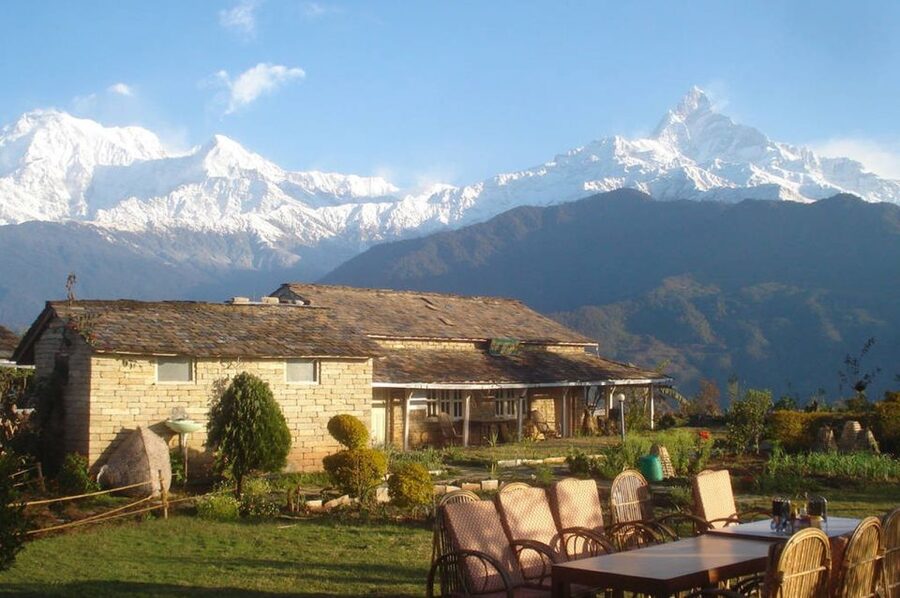
At $250 per person for 3 days, this trek is priced like a supported, lodge-based experience. You’re paying for the combination of:
- Private transportation to and from the trail head
- Two lodge nights with attached facilities (with hot shower on the first night)
- Guide and porter support
That value is strongest if you want comfort without paying full-on lodge-hotel prices in the city. You’re also not buying meals in the package, which lowers the base cost.
What you should expect to pay for separately:
- Meals (you can order at teahouses/resort and pay directly)
- Insurance (not included)
- Possible extra pickup cost if your hotel is not in the Lakeside area of Pokhara
So the real budgeting tip is simple: don’t forget that meals will add to your daily spend. If you like trying multiple items at each stop, your total can climb faster than you think.
Also, transportation details matter. Pickup is included only if you’re staying in the Lakeside area of Pokhara (near Phewa). If you’re farther out, you’ll want to confirm the extra cost before you’re standing at the wrong gate.
Pace, Gear, and Timing: Small Choices That Make This Trek Feel Easy
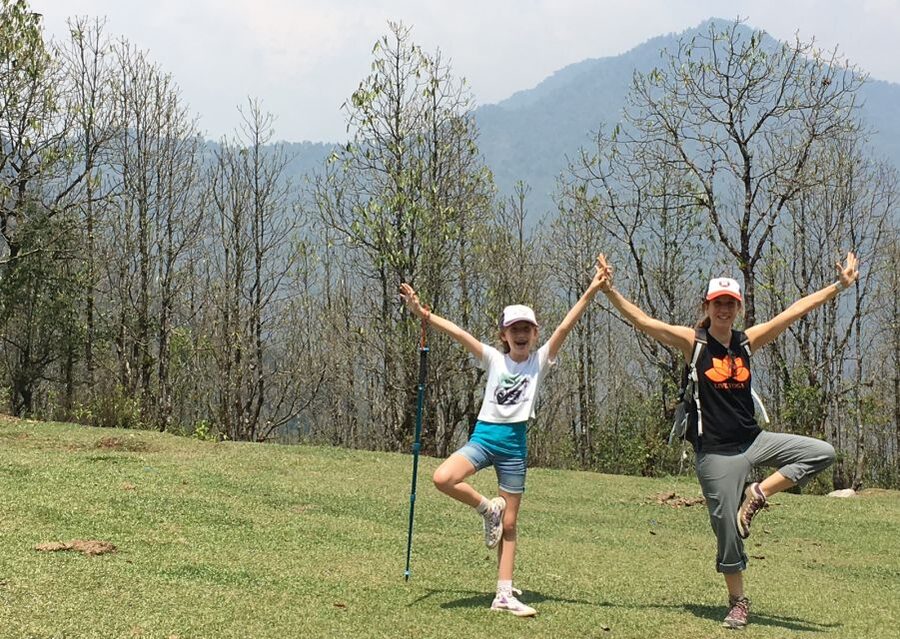
This is marketed as a short and easy trek, with flexibility to match your walking interest. There are also mention of driving options to shorten the route, depending on how you want to pace the day.
Still, your comfort comes down to a few practical items:
Bring:
- Comfortable shoes
- Sunglasses
I’d add:
- Sunscreen
- Insect spray
The sun and bugs show up in the hills and forests, and it’s one of those “cheap insurance” items that can save your trip from small annoyances.
About timing: the operator meets you at your hotel a day earlier for the trek briefing and to set the departure time. The next day, your guide arrives by car for departure. That structure is good—if you confirm it clearly.
A small consideration from real-world experience: I recommend you check the meeting arrangement the day before, in plain terms (what time, where, and who will call/message). One participant reported a day-of mix-up where they had to wait.
Who Should Book This Trek (and Who Should Skip It)
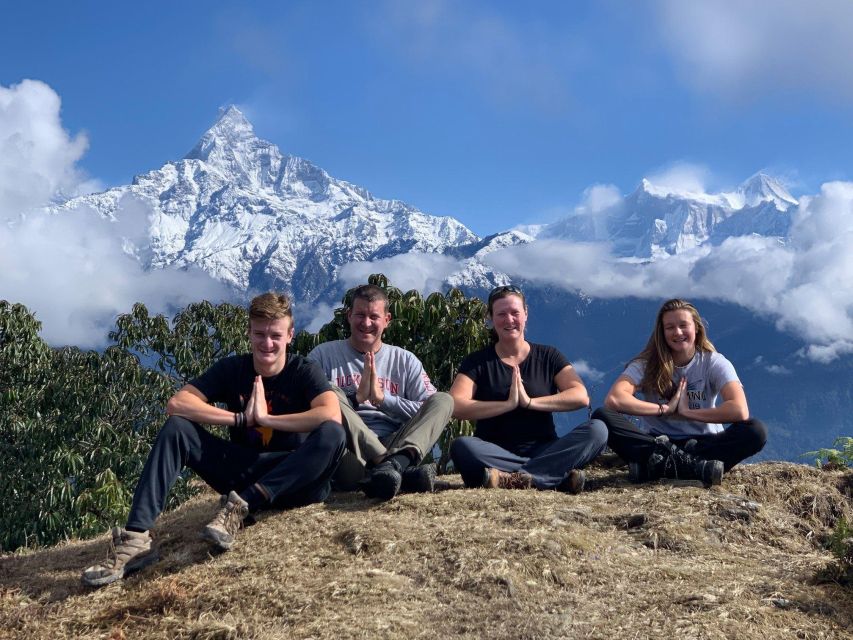
This trek is best for you if you want:
- Himalayan views near Pokhara without a high-stress multi-week itinerary
- A guided experience where a guide and porter help keep logistics smooth
- Comfortable lodges with attached bathrooms (and hot shower on night one)
- A bit of culture beyond the city—villages, terraced farming, and an eco-minded village stop
It may not suit you if:
- You’re looking for a hardcore challenge or big altitude goals (this is not positioned as that kind of trek)
- You have mobility impairments or you’re pregnant
- You need full meal coverage included in the price (meals are ordered and paid directly)
If you’re in good general shape and you like scenic walks with viewpoints, you’ll likely enjoy how this balances exertion and reward.
Should You Book This 3-Day Pokhara Trek?
If you want a short guided trek that feels real—ridgeline walking, village scenery, and that Annapurna sunrise/sunset payoff—this is a strong pick. The included support (guide + porter) and the comfort-first lodges make it easier to enjoy the mountains instead of managing fatigue and logistics all day.
I’d book it especially if:
- You’re staying in Pokhara and want something meaningful beyond lakeside sightseeing
- Hot showers and attached bathroom facilities matter to you
- You want a guide who can explain what you’re seeing as you go
Skip it if you need meal costs wrapped into the price or if you don’t fit the stated suitability limits.
If you do book, do one simple thing that pays off: confirm your day-before briefing details clearly, then pack the basics (shoes, sunglasses, sunscreen, insect spray). That’s how you turn a “3 days in the hills” plan into a genuinely smooth mountain escape.
FAQ
How long is the Pokhara 3-Day Trek?
The trek lasts 3 days.
Where does this trek take place?
It runs in the Western Region of Nepal, in the Pokhara area of the Annapurna foothills, including stops around Dhampus and Astam.
What is included in the price?
Included are private transportation to and from the trail head, comfortable teahouse accommodation with attached bathroom/toilet, and a trekking guide with a porter.
Are meals included?
No. Meals are not included. You can order meals at the teahouses and pay directly.
Is pickup from my hotel included?
Pickup is included only if your hotel is in the Lakeside area of Pokhara. If you’re not, there may be an extra cost.
What language is the guide?
The live tour guide speaks English.
Will this be a private trek?
The trek is described as private and customizable to fit your pace.
What should I bring?
Bring comfortable shoes and sunglasses.
Is the trek suitable for everyone?
It is not suitable for pregnant women or people with mobility impairments.
Three-Day Trips and Treks
More Treks in the Annapurnas
Also Reviewed Around Pokhara

Newer Pokhara reviews to browse before you decide
Hiking & Trekking, compared.
 ★ 5.0Poon hill Trek 3 daysFrom $230176 reviews
 ★ 5.0Trekking in Annapurna/Langtang/Everest/Upper Mustang regionsFrom $40161 reviews
 ★ 5.04-Day Ghorepani, Poonhill & Ghandruk Mountain TrekFrom $181132 reviews
 ★ 5.0Ghorepani – Poon Hill Trek 3N-4DFrom $321125 reviews
 ★ 5.0Annapurna Foothills Day Hike with TransfersFrom $42100 reviews
 ★ 4.9Kathmandu/Pokhara: 5-Day Annapurna Base Camp (ABC) TrekFrom $9672 reviews
 ★ 4.93-Day Ghorepani Poon Hill Trek with GuideFrom $16268 reviews
 ★ 4.94-Day Mardi Himal TrekFrom $13959 reviews
Browse the lists this tour appears in