
Reviewed · POON HILL SUNRISE TREKS
From Pokhara: Budget 2 Night 3 days Poon hill trek
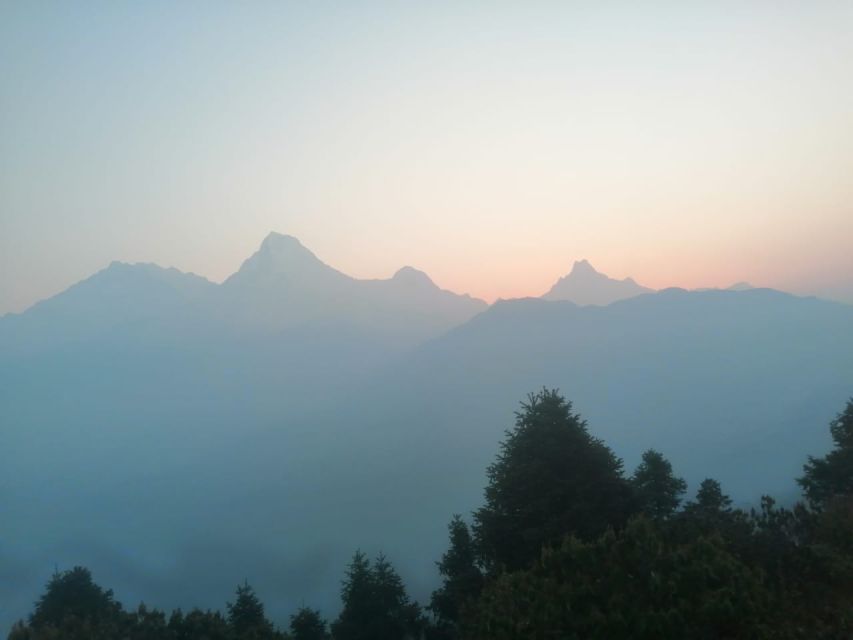
Poon Hill sunrise is a strategy, not a dream. This 2-night trek is built around an early hike to Poon Hill (3,210m) for big Annapurna and Dhaulagiri views, plus a relaxed pace through rhododendron forest and village trails.
I really like the mix of scenery and comfort: you get cozy teahouse stays at the end of each day, and a real English-speaking trekking guide (I’ve seen guides like Prakash, Kabindra, and Gobinda called out for being attentive and safety-minded).
One thing to plan for: mountain weather can change fast, so visibility for sunrise isn’t guaranteed, even if you’re doing everything right.
In This Review
- Key highlights worth your attention
- Entering the real reason to do this: Poon Hill at first light
- The Pokhara to Kilu start: why the drive day helps you
- Day 1: Kilu to Tadapani through forests and Ghandruk viewpoints
- Day 2: Tadapani to Ghorepani and the Deurali Pass rhythm
- The Poon Hill sunrise hike: how to make it worth the early wake-up
- Day 3: Ghorepani to Ulleri downhill, then back to Pokhara
- Guides, pacing, and why this private format feels safer
- Teahouses and food: cozy nights with one budget reminder
- Weather, seasons, and packing that won’t slow you down
- Price and value: what you get for $179 per person
- Who this trek fits best (and who might want another option)
- Should you book this 2-night Poon Hill trek?
- FAQ
- How long is the Poon Hill trek from Pokhara?
- What start and finish points are included?
- Is accommodation included?
- What’s included in the price?
- Is food included?
- What languages will the guide speak?
- What should I bring for the trek?
- Who is this trek not suitable for?
Key highlights worth your attention
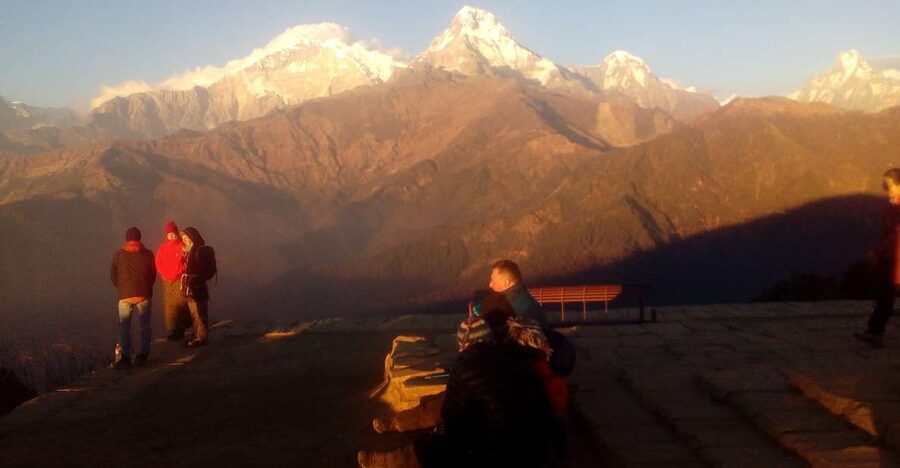
- 3,210m sunrise viewpoint at Poon Hill: a short pre-dawn hike for the classic golden mountain glow.
- Rhododendron forests on the way up: especially memorable in spring when blooms line the trail.
- Gurung and Magar villages on the route: Ghandruk brings culture and big Annapurna sightlines; Ulleri adds stone-paved character.
- A comfortable, “moderate” trekking rhythm: long-enough days for achievement, but not an all-day grind.
- Tea houses with warm local hospitality: dinner and hot drinks make rest feel like part of the trek.
- Private format with transfers: more flexibility with pickup and a guide who can adjust pace to you.
More Poon Hill and Ghorepani routes, weighed by nights and effort.
- Poon hill Trek 3 days★ 5.0 · 176 reviews
- Pokhara: 4-Day Ghorepani, Poonhill & Ghandruk Mountain Trek★ 5.0 · 132 reviews
- Ghorepani – Poon Hill Trek 3N-4D★ 5.0 · 125 reviews
- From Pokhara: 3-Day Ghorepani Poon Hill Trek with Guide★ 4.9 · 68 reviews
Entering the real reason to do this: Poon Hill at first light
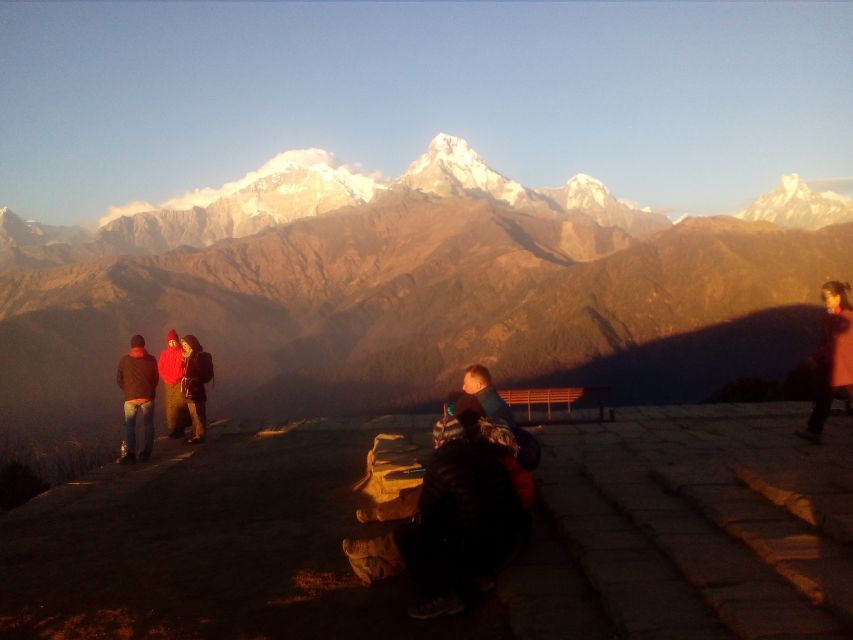
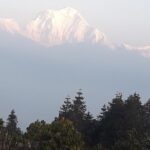
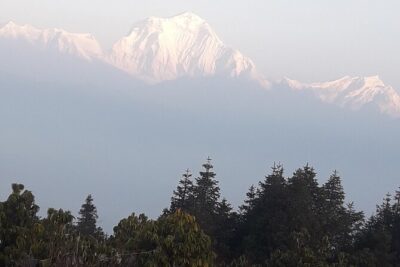
If you’re deciding whether Poon Hill is worth your limited time, here’s the blunt truth: you’re going for the sunrise panorama. The hike starts pre-dawn (about 45 minutes to 1 hour to the viewpoints), so you’ll be stepping out while the world is still dark and everything feels a little chilly. Then the sky starts to shift, and the Annapurna and Dhaulagiri ranges catch that first light.
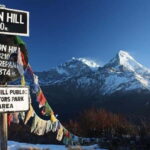
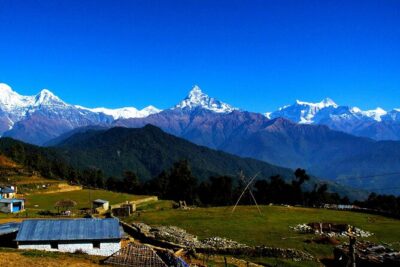
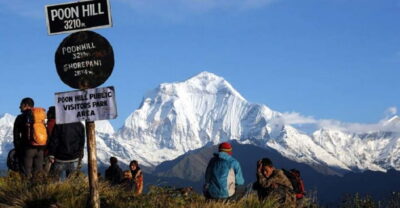
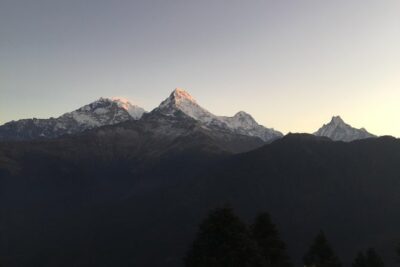
From Poon Hill, you’re looking for a lineup of peaks that trekkers talk about for a reason: Machhapuchhre (Fishtail), Hiunchuli, Annapurna South, and Dhaulagiri. Even when the day is hazy later, that first-light window can be magical.
Practical note: because weather is unpredictable in the mountains, you should treat sunrise as a “high odds” experience, not a guaranteed photo op. Bring warm layers for the early hike and accept that clouds sometimes happen. The trek is still rewarding even when the view isn’t perfect.
The Pokhara to Kilu start: why the drive day helps you
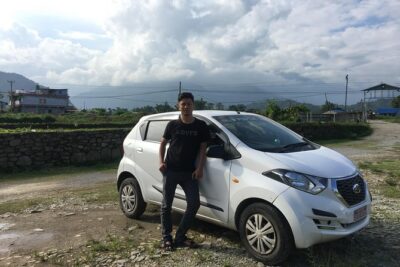
You begin with pickup in the lakeside Pokhara area using a name-card meeting point, then a private drive to Kilu (about 2–3 hours). This matters more than it sounds. By getting the long road portion done first, you arrive ready to hike instead of spending your energy fighting logistics.
The drive itself is part of the experience. You pass terraced fields, rivers, and traditional villages, and you’ll get a sense of how the trekking corridor sits in Nepal’s everyday landscape. Then you start walking near Kilu, and the trail eases you into altitude and effort.
Why this is a smart setup for beginners: you’re not dropping straight into a brutal climb on day one. You’re warming up with a gradually rising route and forests that feel alive—especially once rhododendron and oak start taking over.
Day 1: Kilu to Tadapani through forests and Ghandruk viewpoints
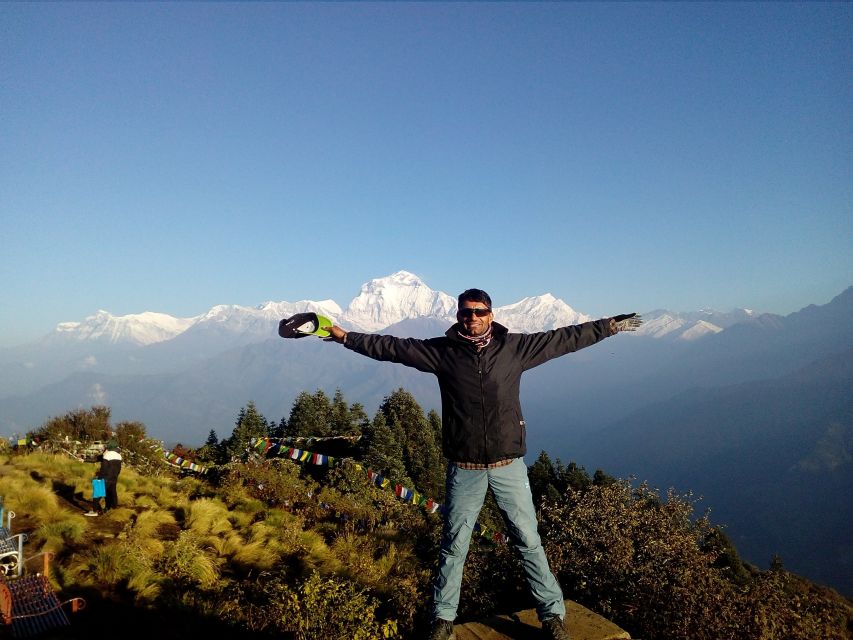
Day 1 is one of the best “first-day highs” in this short trek. After beginning around Kilu, you trek to Tadapani (about 5–6 hours), gaining elevation along lush trails. Expect a big chunk of uphill walking through rhododendron and oak forests, with occasional glimpses of major peaks.
You’ll pass through Ghandruk, one of the standout stops on this route. This is a Gurung village known for strong local culture and great mountain perspectives. Even if you don’t stop for long, the moment you catch the Annapurna views from the village area is a payoff for the day’s earlier climbing.
Then you keep going up through dense forest, with intermittent sights of Machhapuchhre (Fishtail) and Annapurna peaks. By evening, you reach Tadapani, a quieter hilltop village with panoramic views—especially helpful if your weather has been cooperating.
What you’ll do at night: you check into a teahouse, eat well (food and drinks are not included in the price, but they’re available to purchase), and rest. Tadapani is a good “reset” point because it balances views with a calm vibe after a long hiking day.
Day 2: Tadapani to Ghorepani and the Deurali Pass rhythm
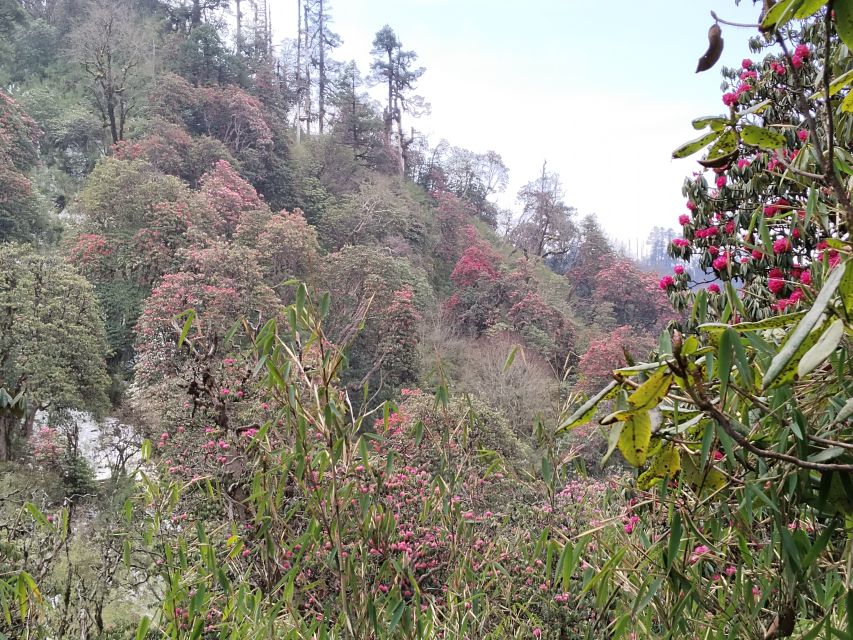
Day 2 is where the trail starts feeling more “classic trek.” You trek from Tadapani to Ghorepani (about 5–6 hours), and the route leans into ridges, forest stretches, and small village sections.
Early morning is a good time to move. You wake up, breakfast, and then work your way toward the Ghorepani area. In spring (March to May), the trail can be decorated with blooming rhododendron flowers, which turns the climb into something more than just cardio.
You’ll climb toward Deurali Pass and then descend slightly into Ghorepani. That up-and-down pattern is one reason this trek works for a wide range of abilities. It’s moderate, but it doesn’t feel like a flat stroll where nothing changes.
The big reason Ghorepani is on your plan: it’s your base for the Poon Hill sunrise hike. The evening is set up so you can avoid rushing. You check into a teahouse, eat an early dinner, and rest—because the pre-dawn walk is coming.
From a comfort standpoint, Ghorepani can feel like a “trek hub,” so you’re not alone on the mountain. That’s a good thing if you like a little reassurance and conversation in the evening.
A few more Pokhara trips worth comparing.

The Poon Hill sunrise hike: how to make it worth the early wake-up
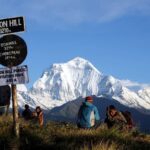
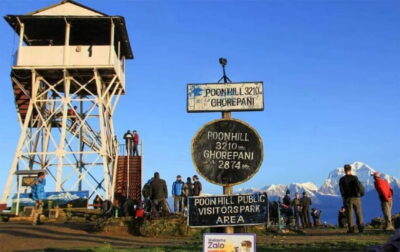
This is the moment your legs have been saving up for. You start pre-dawn, hike up toward Poon Hill, and aim for the viewpoint when the sky is just beginning to brighten. The total time up is short—about 45 minutes to 1 hour—so it isn’t a long climb in darkness, but you’ll still want warm layers.
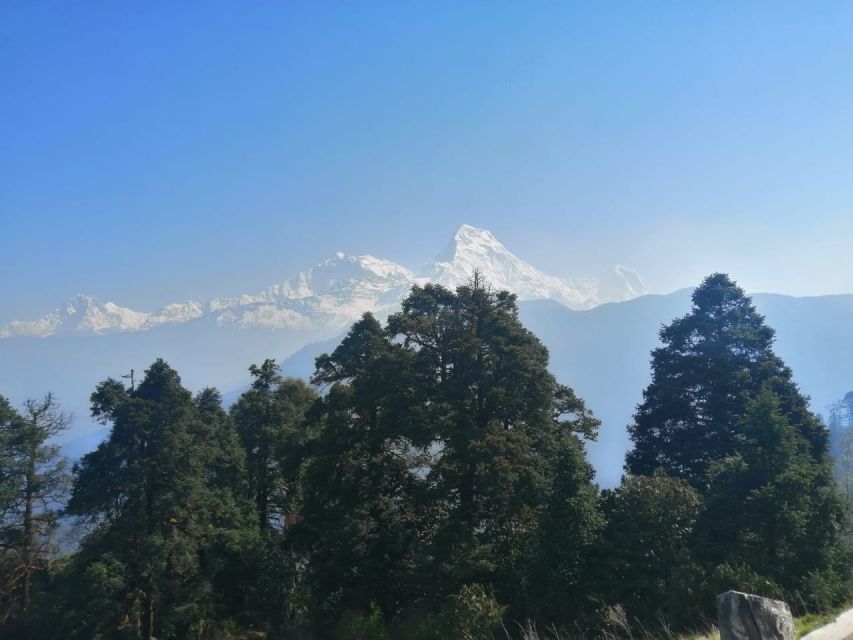
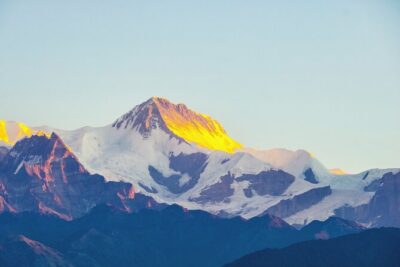
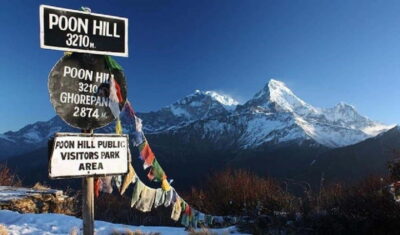
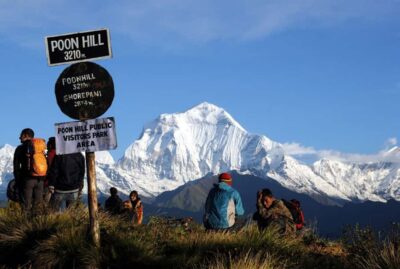
From the viewpoint, the mountains shift from shadow to shape. You’re looking at golden tones hitting snow-capped peaks, including Annapurna South, Hiunchuli, Machhapuchhre, and Dhaulagiri. If you’re a photographer, this is where the “simple trek” starts looking like a full production.
After sunrise, you hike back down to Ghorepani for breakfast. Then you transition into the final trekking day’s downhill and village sections, which feel easier after your early effort. It’s a nice psychological trick: you get your hardest “scheduled moment” done first, then the rest feels more like momentum.
Day 3: Ghorepani to Ulleri downhill, then back to Pokhara
Day 3 is a satisfying finish. You descend through forests and villages, passing Nangethanti and Banthanti before arriving at Ulleri.
Ulleri has a different feel than the other stops. It’s a traditional Magar village, and the terrain includes stone-paved steps, which can be slippery after rain and uneven underfoot. Take it slowly and use solid trekking shoes.
Once you reach Ulleri, you travel back to Pokhara by shared jeep or local bus (and you typically arrive by late afternoon). This gives you a “done” feeling fast. Instead of another long hiking day, you get a scenic ride back down.
Why this matters: it helps you recover without turning the last day into an endurance test. You still finish with a sense of accomplishment, but you avoid the “my knees hate me” scenario that can happen on longer treks.
Guides, pacing, and why this private format feels safer
A short trek like this lives or dies based on day-to-day pacing and communication. This experience includes a professional English-speaking trekking guide, and the guide role comes through clearly in the real-world feedback—especially around safety and comfort.
You’ll notice a theme in guide praise: people felt well cared for and encouraged. Guides named across experiences include Prakash, Birendra Thapa, Kabindra, Amrit, Milan, Bikram, and Gobinda (or Govinda). That variety is useful because it suggests the provider focuses on matching you with a guide who works for your needs, not just “any warm body with a map.”
What you can expect in practical terms:
- Your guide helps manage tempo so you aren’t sprinting uphill.
- They’re involved with guesthouse coordination so your meals and lodging run smoothly.
- You get an emergency first aid kit included with the guide, which adds confidence when trekking remotely.
Private group also means you’re not locked into a rigid pace dictated by strangers. You’ll feel it on the uphill climbs and on the photo stops—your guide can decide when it’s worth slowing down.
Teahouses and food: cozy nights with one budget reminder
You’ll sleep in guesthouses/teahouses during the trek, which is a big part of why this works for beginners and families. These places aren’t luxury hotels, but they’re functional, warm, and set up for trekkers.
Here’s the key budget reminder: food and drinks are not included. That doesn’t mean you have to be fancy—most teahouse meals are straightforward—but you should carry cash and budget for it. Several helpful trip notes point out the importance of bringing cash and extra layers, especially if the weather turns.
Also, don’t treat “tea house dining” as something you’ll have to figure out alone. A strong guide makes the choices easier, and you can focus on walking, not reading menus in a rush.
If you’re sensitive to cold, bring layers even if the day starts pleasant. Warmth at night can vary a lot between places and seasons.
Weather, seasons, and packing that won’t slow you down
This trek can be done year-round, but spring (March to May) and autumn (September to November) usually bring the most stable weather and clearer mountain views. That’s when you’re most likely to get the clean sunrise and less fog during the day.
Even in good seasons, conditions can shift. The main packing goal is to stay warm without turning your backpack into a brick.
Based on the provided guidance, bring:
- Passport or ID card
- Warm clothing
- Comfortable shoes
- Cash
A practical trekking reality: sunrise happens early. You’ll likely want a hat or something to cover ears, plus a jacket that handles cold air right before daylight. Your shoes matter too—stone steps in Ulleri and forest descents can be rough if your grip isn’t good.
Price and value: what you get for $179 per person
At $179 per person for a 3-day, 2-night trek, the value comes from what’s included—not just the headline rate.
You’re getting:
- Hotel pickup and drop-off around lakeside Pokhara
- A private tour with a professional English-speaking guide
- Trekking permits and official documents
- Guesthouse accommodation during the trek
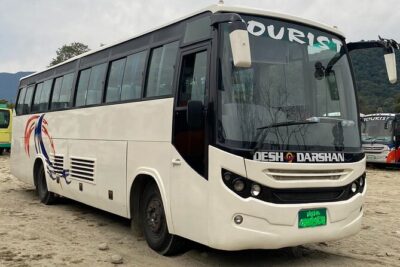
- Private vehicle transfer from Pokhara to Kilu
- Shared jeep/bus transfer from Ulleri to Pokhara
- Emergency first aid kit
- Entrance fees at Poon Hill
For many people, that bundled structure is what makes the trip easy. You’re not coordinating permits, transfers, and route timing by yourself.
What you still pay separately: food and drinks. But since meals are part of the trekking rhythm anyway, you’re not suddenly facing hidden costs for your daily survival.
Big picture: if you want an efficient, structured short trek with sunrise built in, $179 looks reasonable—especially for the included guide support and logistics. If you’re the type who always prefers DIY and already has Nepal trekking permits and transport locked down, you might find cheaper options, but you’ll also take on more planning risk.
Who this trek fits best (and who might want another option)
This trek is described as moderate and a great match for beginners and families. If you’ve never hiked Nepal before, the short duration helps your body adjust. You’re also not dealing with a week of daily altitude shifts—just a focused three-day corridor with a big payoff on day three morning.
It’s also a good solo-friendly choice, especially because the guide component is strongly emphasized for safety and support. (Names like Bikram and Gobinda show up repeatedly in positive experiences related to solo comfort.)
That said, it’s explicitly not suitable for:
- Pregnant women
- Wheelchair users
If you fall into either category, you should look for different, more accessible options.
Should you book this 2-night Poon Hill trek?
Book it if you want the classic Annapurna sunrise with a schedule that’s built for comfort: teahouse nights, a guide for pace and logistics, and a route that mixes forests with village culture. The biggest “yes” signal is the way your days are structured around getting to Poon Hill without turning the trek into an all-day slog.
Skip it or rethink timing if you’re only willing to trek when the forecast looks perfect. Weather can change, and the mountains don’t always hand you a clean sunrise. Still, even with some cloud cover, the villages, forests, and short hikes usually deliver enough to feel like your time in Nepal was put to good use.
If you want, tell me your travel month and hiking experience level, and I’ll suggest the smartest packing approach and pacing plan for that season.
FAQ
How long is the Poon Hill trek from Pokhara?
It’s a 3-day trek with 2 nights.
What start and finish points are included?
You’ll be picked up from lakeside Pokhara and taken by vehicle to Kilu for the trek. After trekking, you’ll return to Pokhara from Ulleri by shared jeep or local bus.
Is accommodation included?
Yes. You’ll stay in guest houses/teahouses during the trek.
What’s included in the price?
Included are hotel pickup and drop-off in lakeside Pokhara areas, an English-speaking trekking guide, trekking permits and official documents, guesthouse accommodation, transfers (Pokhara to Kilu by private vehicle, and Ulleri to Pokhara by shared jeep or bus), a private tour setup, an emergency first aid kit, and entrance fees at Poon Hill.
Is food included?
No. Food and drinks are available to purchase during the trek.
What languages will the guide speak?
The guide provides live support in English, Hindi, and Nepali.
What should I bring for the trek?
You should bring your passport or ID card, warm clothing, comfortable shoes, and cash.
Who is this trek not suitable for?
It’s not suitable for pregnant women and wheelchair users. Pets are also not allowed.
More After-Dark in Pokhara
Also Reviewed Around Pokhara

More Poon Hill Sunrise Treks
Newer Pokhara reviews to browse before you decide
Poon Hill Sunrise Treks, compared.
 ★ 5.0Poon hill Trek 3 daysFrom $230176 reviews
 ★ 5.04-Day Ghorepani, Poonhill & Ghandruk Mountain TrekFrom $181132 reviews
 ★ 5.0Ghorepani – Poon Hill Trek 3N-4DFrom $321125 reviews
 ★ 4.93-Day Ghorepani Poon Hill Trek with GuideFrom $16268 reviews
 ★ 5.04-Day Private Poon Hill Trekking TourFrom $35958 reviews
 ★ 5.03-Day Ghorephani and Poon Hill Private TrekFrom $12658 reviews
 ★ 4.62-Day Ghorephani and Poon Hill Private TrekFrom $10450 reviews
 ★ 5.03-Day Poon Hill Trek from Pokhara.From $41045 reviews
Browse the lists this tour appears in