
Reviewed · POON HILL SUNRISE TREKS
Annapurna: 2 Days 1 Night Poon Hill Trekking
Sunrise at Poon Hill fits your schedule. This 2-day / 1-night Annapurna trek is built for fast access to the Himalayas, with a walk through the foothills’ forest and a simple plan: reach Ghorepani, sleep well, then chase the sunrise views. It’s one of those trips that focuses on getting you to the good stuff without wasting your vacation time.
I love the tea house overnight in Ghorepani because it keeps things comfortable and practical after a day on your feet. I also like that TIMS and conservation permits (plus guide expenses) are handled for you, so your money goes toward the trek instead of paperwork. The main consideration is that food and drinks aren’t included, so you’ll want a cash plan for meals, hot drinks, and snacks—plus you’re responsible for any emergency rescue costs.
In This Review
- Key highlights you’ll actually feel on the trek
- Why this 2 Days 1 Night Poon Hill trek is such a practical win
- Pokhara pickup and private transport: fewer moving parts, more hiking time
- Ghorepani: the tea house overnight that makes Day 2 feel easier
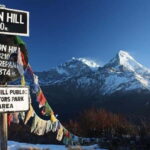
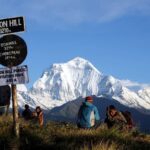
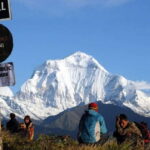
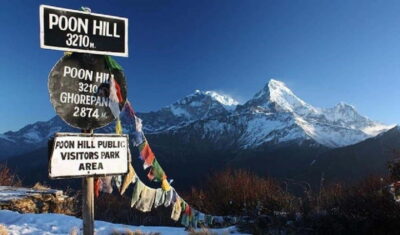
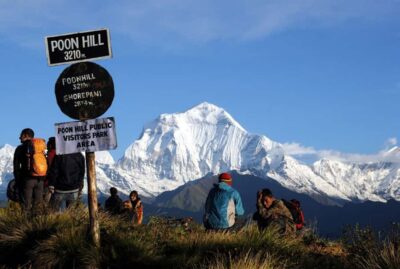
- Poon Hill sunrise: the 1-hour climb for panoramic Himalayan views
- Forest walking and the rainy-season reality check
- What’s included (and what’s not) so you can budget without stress
- Guides make the difference: Milan Babu Rai, Ravi, and Dadi dai
- How much should you expect to pay, and what you’re really getting
- Who this trek fits best (and who might want more time)
- Packing and pacing tips for a stress-free Poon Hill sunrise
- Should you book this Poon Hill trek with Peak to Peak Tours and Treks?
- FAQ
- How long is the Annapurna 2 Days 1 Night Poon Hill trek?
- Do I get pickup in Pokhara?
- What’s included in the price?
- Is food included?
- Are tickets or permits for the viewpoints included?
- What fitness level do I need?
- Is this a private tour?
- Are service animals allowed?
- What is the cancellation policy?
Key highlights you’ll actually feel on the trek
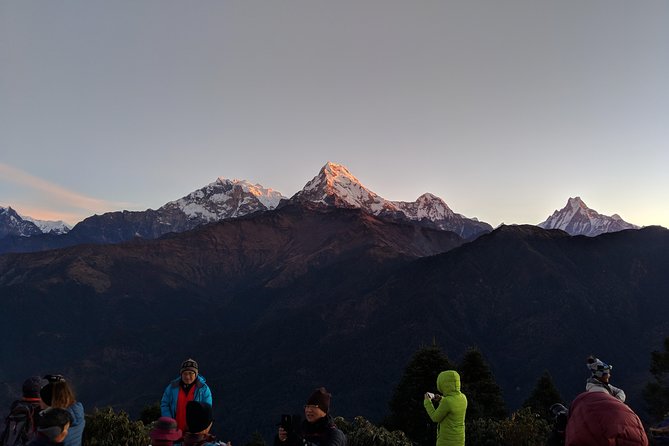
- Poon Hill sunrise, on a short schedule: one focused morning climb for big payoff
- Ghorepani overnight in a tea house: an easy place to reset, eat, and sleep
- Permits handled up front: TIMS and conservation area paperwork is included
- Private transportation and pickup offered: fewer logistics headaches from Pokhara
- Guides with real people skills: praise for guides like Milan Babu Rai, Ravi, and Dadi dai shows up often
More Poon Hill and Ghorepani routes, weighed by nights and effort.
- Poon hill Trek 3 days★ 5.0 · 176 reviews
- Pokhara: 4-Day Ghorepani, Poonhill & Ghandruk Mountain Trek★ 5.0 · 132 reviews
- Ghorepani – Poon Hill Trek 3N-4D★ 5.0 · 125 reviews
- From Pokhara: 3-Day Ghorepani Poon Hill Trek with Guide★ 4.9 · 68 reviews
Why this 2 Days 1 Night Poon Hill trek is such a practical win
This is a small-time commitment with a large visual payoff. You’re not signing up for weeklong trail life. Instead, you’re choosing a tight route that delivers the classic Himalaya experience in a way that still feels like trekking, not just sightseeing.
What makes it work is the pacing. You get a first day that ends with you in Ghorepani, then a second day that funnels you toward Poon Hill for sunrise. That structure matters. When your days are short, you want your effort to line up with the best light and the best views.
If you’re busy, traveling with kids, or just don’t want to over-plan, this kind of itinerary is easier to pull off. In the feedback I’ve seen from other hikers, the guides are repeatedly praised for keeping timing smooth and helping people adjust—one example: a guide was noted for carrying a 7-year-old when the child got tired.
The one thing to keep in mind: you’ll be trading extra variety for speed. You won’t get weeks of mountain scenery. You’ll get the signature moments, efficiently.
Pokhara pickup and private transport: fewer moving parts, more hiking time
The trek starts in Pokhara, and pickup is offered. You’ll also use private transportation, which is a big deal in Nepal when traffic and schedules can be unpredictable. A private transfer tends to mean less waiting around for other groups and fewer last-minute surprises.
The tour also uses a mobile ticket, which is helpful if you’re trying to keep things simple on your phone. And if you’re traveling with a group, there’s mention of group discounts—so it can be a nice option when multiple people want the same dates and don’t want to split up.
One quiet advantage of private transport: you can leave at the times the guide recommends and still get into position for the next day’s sunrise plan.
Ghorepani: the tea house overnight that makes Day 2 feel easier
Ghorepani is the overnight anchor. After a day moving through the foothills, it’s where you reset with food, sleep, and the basic comforts that keep a short trek enjoyable instead of miserable.
This route is described as an easy trek through the evergreen forest at the Himalayan foothills. That’s a good choice for Day 1 because forest walking usually feels steady and less punishing than steep, rocky sections. You’re not trying to “win” the trail; you’re building momentum toward Poon Hill.
Staying in a tea house is also a smart fit for this itinerary length. Tea houses give you a predictable place to sleep without complicated logistics. And because you’re only away for about two days, you don’t need to manage gear beyond what you’ll use day-to-day.
What I’d consider, though: tea house nights can be cozy, but they’re still basic mountain accommodations. Your room comfort will depend on the specific property and the season. The good news is that the trek is designed so you don’t need luxury to enjoy it.
Poon Hill sunrise: the 1-hour climb for panoramic Himalayan views
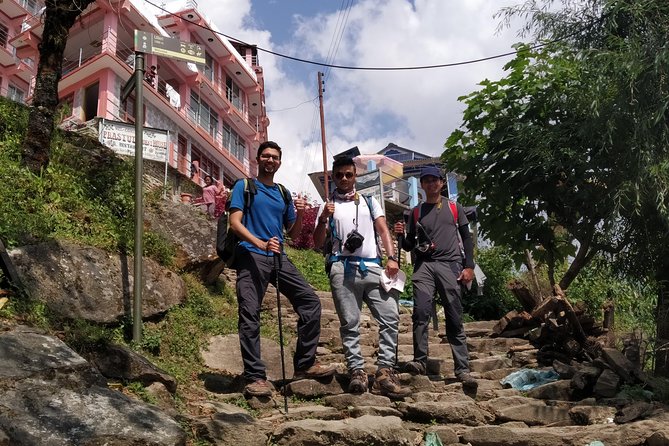
The second day focuses tightly on Poon Hill and sunrise. The viewpoint time is brief—about 1 hour—but that short window is exactly why Poon Hill works. You’re not spending the entire morning on trail time. You’re getting your best chance at mountain views and then heading back.
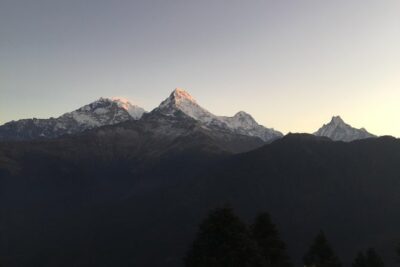
What makes sunrise here so memorable is the way the Himalayan range catches the early light. Even when weather isn’t perfect, this is still one of the most classic short treks in Nepal for a reason: you’re aiming at the moment when the mountains look their most dramatic.
A couple practical notes:
- Plan to move slowly and follow your guide’s timing. Sunrise viewing is about being in the right place early, not about setting pace records.
- Bring something warm. Sunrise means cool air even in months when the daytime feels mild (your guide will likely advise what to wear for the early hours).
In the feedback, the Poon Hill sunrise is repeatedly highlighted as a top moment—especially when the guide keeps the group organized. People also mention the variety of mountain angles you can see from the viewpoint, which is a big part of the “panoramic” feel.
A few more Pokhara trips worth comparing.


Forest walking and the rainy-season reality check
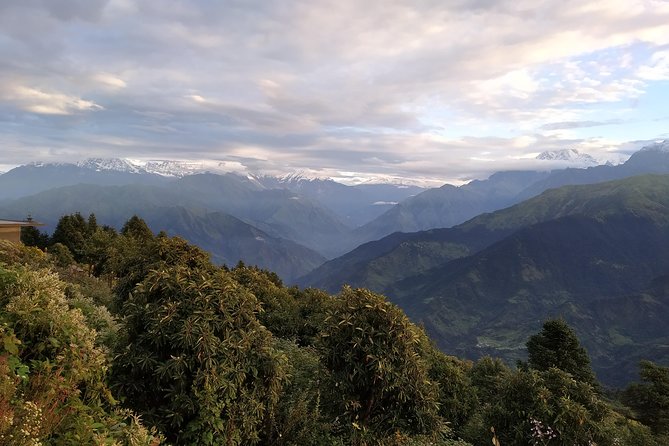
This trek is often described as happening through forested foothill paths. That’s lovely when visibility is good—and in the rainy season, conditions can be mixed.
One specific detail that stands out: clear Himalayan air during a rainy season can still happen, and it can feel surprising when clouds clear at the right time. That’s why sunrise treks are worth it even when forecasts look questionable. You’re not in control of the weather, but you are in control of choosing a route timed for light.
That said, rainy-season walking can mean slick paths and wetter gear. If your trip hits rainy months, pack for damp conditions: a rain layer, a dry bag or waterproof pocket for essentials, and something warm for mornings.
What’s included (and what’s not) so you can budget without stress
Let’s break it down cleanly.
Included:
- Private transportation
- All fees and taxes
- TIMS and conservation area permits
- All guide expenses
- Accommodation at a tea house
- Guide support (since guide expenses are covered)
- Poon Hill admission ticket included (for the sunrise viewpoint portion)
Not included:
- Food and beverages (available to purchase)
- Gratitude (optional)
- Rescue cost in case of emergency
For your budget, food is the biggest variable. Tea house meals can add up quickly if you’re buying snacks all day. If you want value, eat balanced meals, limit extra items, and keep hot drinks reasonable. The trek is short enough that you can usually manage spending if you set expectations ahead of time.
On the “rescue” line: it’s standard in many trekking contexts, and it’s worth taking seriously. If you plan to do more trekking later, consider travel insurance that includes trekking-style activities.
Guides make the difference: Milan Babu Rai, Ravi, and Dadi dai
This itinerary is only easy if things stay organized. That’s where the guide matters.
In the feedback I’ve seen, guides such as Milan Babu Rai, Ravi, and Dadi dai are praised for being helpful, humble, and practical—especially when people need a hand. One note that stuck with me: a guide was mentioned for carrying a younger child when the child tired out. That’s not a small detail. It shows how guides support real families, not just athletic adults.
Even on an easy trek, sunrise mornings can feel demanding. A good guide helps with:
- pacing
- timing so you’re at the viewpoint when light hits
- group management (keeping everyone moving together)
If you’re booking for a child, ask the operator about family handling and whether the pace can be adjusted. The trek is described as moderate fitness, but “moderate” doesn’t mean “same pace for everyone.” A responsive guide can turn a stressful day into an enjoyable one.
How much should you expect to pay, and what you’re really getting
The listed price is $374.81 per person for about 2 days. At first glance, it’s not cheap—then you look at what’s included and the value starts making sense.
You’re paying for:
- private transport from Pokhara
- the permit package (TIMS + conservation area)
- a guide with expense coverage
- tea house accommodation
- included admission for the Poon Hill portion
Because permits and guide costs are included, you’re not juggling paperwork or negotiating in the moment. That’s worth real money if you’re short on time or don’t want to play “guess the system” in a new country.
Is it perfect value for everyone? Not necessarily. If you already know exactly how to organize the trek yourself, you could potentially do it cheaper. But if you want an organized short trek with a predictable schedule and someone handling the formalities, this package looks fairly priced.
Who this trek fits best (and who might want more time)
Best fit for you if:
- you have only a couple days in Nepal
- you want the classic Himalayan sunrise without committing to a long hike
- you prefer an organized plan with pickup and private transport
- you’re traveling with family and want a guide who can adapt (the praise for help with a 7-year-old is a good sign)
- you’re comfortable with moderate fitness and steady walking
You might want to choose a longer trek instead if:
- you’re craving multiple days of varied scenery and long trail experiences
- you dislike early mornings (sunrise treks require it)
- you want more time to fully acclimatize through gradual elevation changes (this trek is short by design)
Packing and pacing tips for a stress-free Poon Hill sunrise
Since the trek is short, you can pack light—but smart. Here are practical things that match what this itinerary demands:
- Warm layers for sunrise: even if afternoons feel mild, mornings can chill.
- Rain protection: if you’re traveling during wetter months, you’ll thank yourself for a proper rain layer.
- Good grip footwear: forest and foothill paths can get slick.
- Small daypack + essentials: water, a snack, sunscreen, and layers you can easily remove.
- Plan for food on the go: since food isn’t included, budget for meals and hot drinks instead of assuming they’ll be free.
Pacing matters on short treks. If you rush, you’ll arrive tired and cold. Walk steadily, keep breathing controlled, and let the guide do the timing work.
Should you book this Poon Hill trek with Peak to Peak Tours and Treks?
If you want the essentials of the Annapurna region with minimal hassle, I’d say this kind of 2-day Poon Hill plan is a strong choice.
Book it if:
- you’re trying to fit the Himalayas into a tight schedule
- you prefer a setup that handles permits and guide logistics
- you value a tea house overnight that makes the second day easier
- you like the idea of focusing on one iconic viewpoint: Poon Hill sunrise
Skip it or consider another option if:
- you want a longer, deeper trek experience with more days on trail
- you don’t want to pay for organized logistics and guides
- your main goal is hiking variety rather than sunrise views
One last check before you decide: confirm what you’ll pay for food. When you know your on-trail spending range, the total experience cost feels much clearer—and you can relax into the views.
FAQ
How long is the Annapurna 2 Days 1 Night Poon Hill trek?
The trek is scheduled for about 2 days. It includes an overnight in Ghorepani and a short sunrise trek to Poon Hill on the second day.
Do I get pickup in Pokhara?
Yes. Pickup is offered, and the tour includes private transportation.
What’s included in the price?
The tour price includes private transportation, all fees and taxes, TIMS and conservation area permits, all guide expenses, and accommodation at a tea house.
Is food included?
No. Food and beverages are not included, but you can buy meals and drinks along the way at tea houses.
Are tickets or permits for the viewpoints included?
Yes. Poon Hill admission ticket is included for the sunrise viewing portion. TIMS and conservation area permits are also included.
What fitness level do I need?
The trek is listed as suitable for people with moderate physical fitness.
Is this a private tour?
It says this is a private tour/activity, meaning only your group will participate.
Are service animals allowed?
Yes. Service animals are allowed.
What is the cancellation policy?
Cancellation is free, as long as you cancel at least 24 hours before the experience start time. If you cancel within 24 hours, the amount you paid is not refunded.
More After-Dark in Pokhara
Also Reviewed Around Pokhara


More Poon Hill Sunrise Treks

Newer Pokhara reviews to browse before you decide

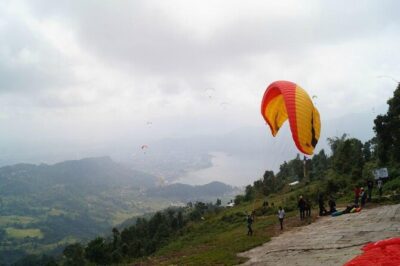


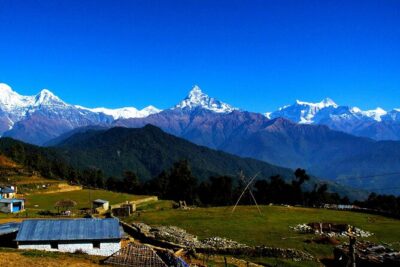
Poon Hill Sunrise Treks, compared.
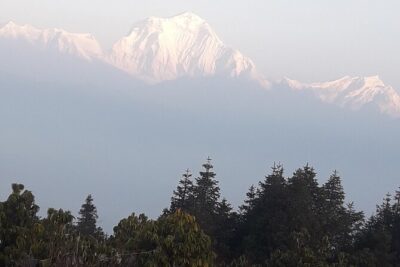 ★ 5.0Poon hill Trek 3 daysFrom $230176 reviews
 ★ 5.04-Day Ghorepani, Poonhill & Ghandruk Mountain TrekFrom $181132 reviews
 ★ 5.0Ghorepani – Poon Hill Trek 3N-4DFrom $321125 reviews
 ★ 4.93-Day Ghorepani Poon Hill Trek with GuideFrom $16268 reviews
 ★ 5.03-Day Ghorephani and Poon Hill Private TrekFrom $12658 reviews
 ★ 5.04-Day Private Poon Hill Trekking TourFrom $35958 reviews
 ★ 4.62-Day Ghorephani and Poon Hill Private TrekFrom $10450 reviews
 ★ 5.03-Day Poon Hill Trek from Pokhara.From $41045 reviews
Browse the lists this tour appears in