
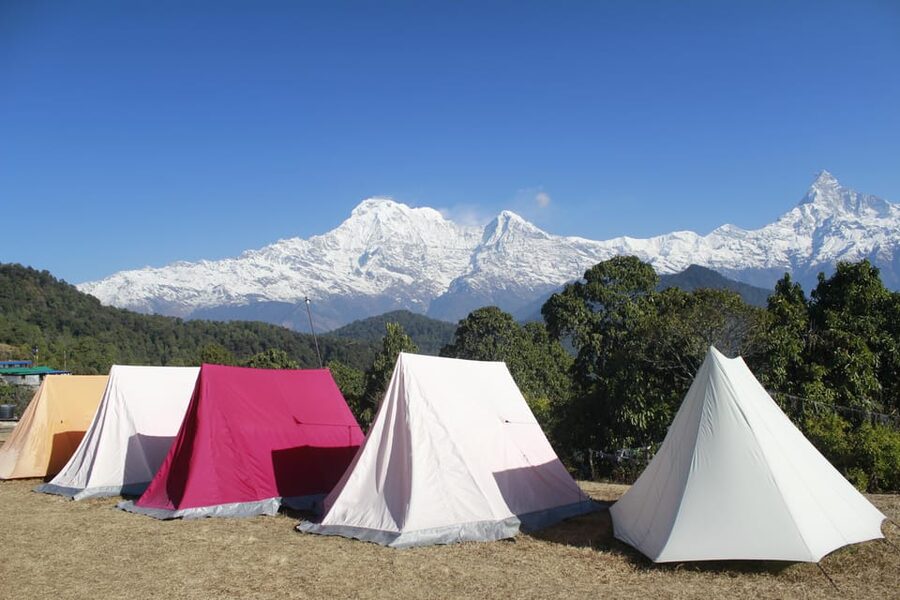
Reviewed · AUSTRALIAN CAMP & DHAMPUS HIKES
Pokhara: One night camping, campfire stay at Australian camp
Sunrise over the Himalayas, on a tight schedule. I like how this 2-day trek packs big Annapurna and Dhaulagiri views without requiring weeks of hiking. I also like that the overnight at Australian Camp is paired with a relaxed campfire evening, not a hard-core climbing mission. The main thing to consider is that you’ll be hiking early and you’ll need to handle your meals since lunch and dinner aren’t included.
The trip’s also all about people and guidance. Names like Amrit, Arjun, and Bikram come up for being patient and attentive, which matters when you’re moving on forest trails and into small village areas where you’ll want clear explanations and steady support. With an English-speaking guide and a private-group setup, you’re not just buying views—you’re buying a smoother experience start to finish.
Here’s the value snapshot: you’re paying $86 per person for guided trekking, a comfortable camp night, pickup from Pokhara, and round-trip transport to the trail start near Kande. You get the sunrise moment built in, plus the return back down to Pokhara the next day.
In This Review
- Key Highlights You’ll Feel Immediately
- Why Australian Camp Sunrise Over Annapurna Hits So Hard
- From Pokhara to Kande: The Drive That Sets the Mood
- Trek Through Gurung Villages and Forest Trails (What the Climb Really Feels Like)
- One Night at Australian Camp: Campfire, Stars, and Real Comfort
- Sunrise, Breakfast, and the Return Trek (How the Second Day Stays Worth It)
- Price and Value: What You Get for $86 a Person
- Small Practical Tips That Make This Trek Feel Easy
- Who This Pokhara Trek Suits Best (and Who Should Pass)
- Should You Book This Two-Day Australian Camp Trek?
- FAQ
- How long is the experience?
- Where does the trek start?
- Is pickup included from Pokhara?
- Is the tour guide available in English?
- What’s included in the price?
- What should I bring and what isn’t included?
Key Highlights You’ll Feel Immediately
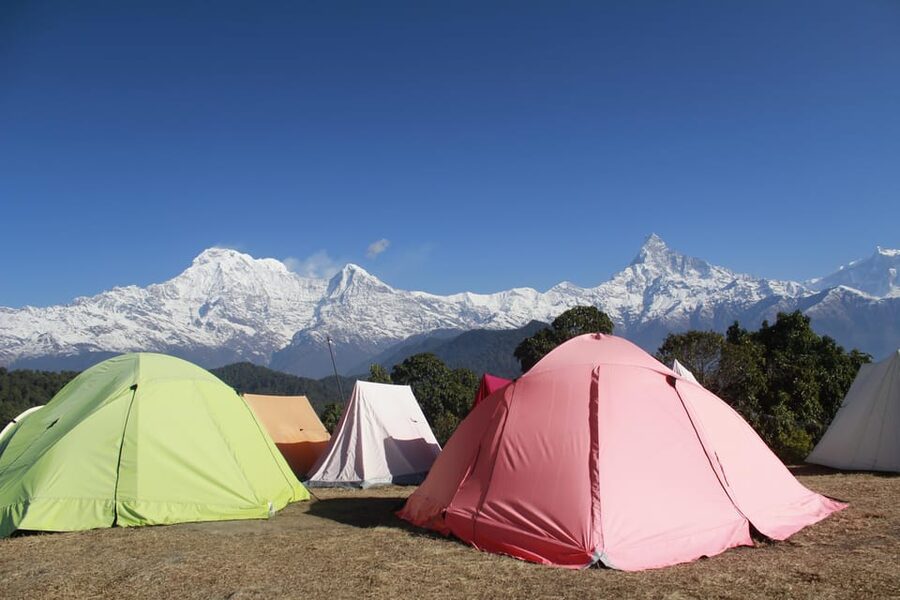
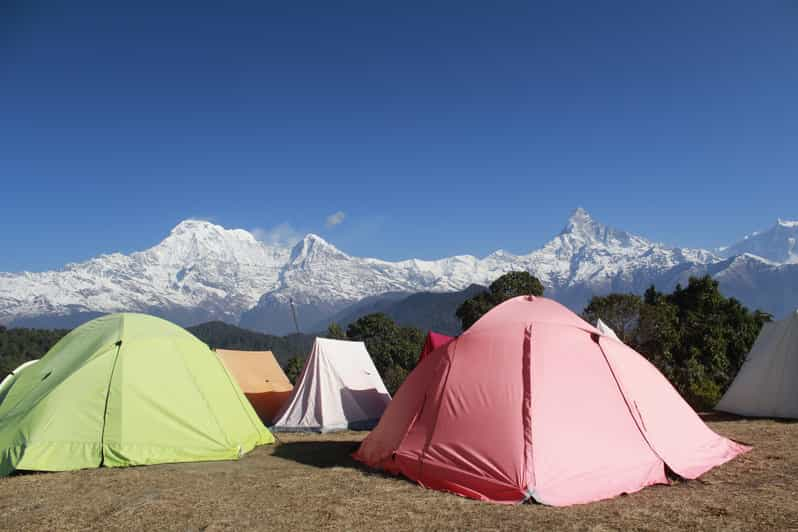
- Australian Camp sunrise with panoramic Annapurna and Dhaulagiri mountain range views
- One night camping with a campfire evening under the stars
- Guided trek through forest paths, terraced fields, and Gurung villages
- Flora and fauna sightings along the way, especially when you’re moving at a human pace
- English-speaking support from a live guide who helps you stay comfortable and oriented
Gentler hikes to Australian Camp and Dhampus, a few more picks.
- 2-Day Private Trekking Tour to Australian Camp & Dhampus★ 5.0 · 42 reviews
- 1-Day Private Dhampus Trekking Tour★ 5.0 · 35 reviews
- Pokhara: Easy Day Hike to Australian Camp & Dhampus Village★ 5.0 · 24 reviews
- Australian Base Camp Day Hike From Pokhara★ 4.8 · 19 reviews
Why Australian Camp Sunrise Over Annapurna Hits So Hard
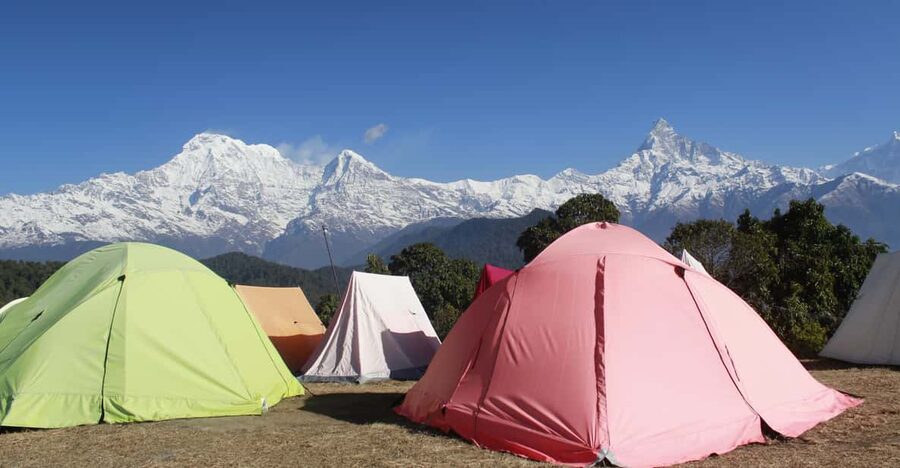
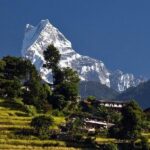
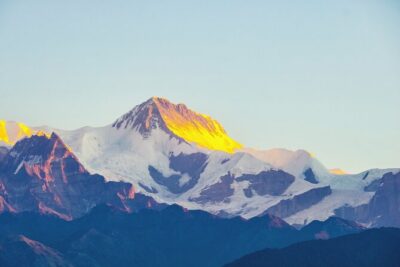
If you want one thing from the Himalayas, make it the sunrise. The whole structure of this experience is built around that glowing first light over the Annapurna and Dhaulagiri ranges from Australian Camp. That’s the kind of viewpoint that turns a short trek into something memorable, because the payoff is scheduled and specific—you’re not guessing whether weather and timing will cooperate.
Practically, it also keeps the hike “worth it.” You’re not spending days grinding just to wonder what you’ll see. Instead, you get a clear arc: you arrive, you spend the evening in a calm camp setting, and then you wake up early to watch the mountains change with the light. It’s a great fit if your days in Pokhara are limited and you don’t want to commit to a longer trek.
There’s also a comfort factor. You’re not trekking overnight. The camp stay is the overnight piece, which makes the second day feel like a return trek rather than another big push.
From Pokhara to Kande: The Drive That Sets the Mood
The adventure begins with a scenic drive from Pokhara to Kande. That matters more than it sounds. In the Himalayas, the “start” is part of the experience: the ride helps you transition from city rhythm into trail rhythm. It’s also how you avoid wasting time figuring out local transport and getting yourself to the correct trail entry point.
The pickup is included, and you’ll be picked up 15 minutes before the trek. That early timing is a good thing here: it keeps the day organized so you can reach Kande and then start ascending without scrambling.
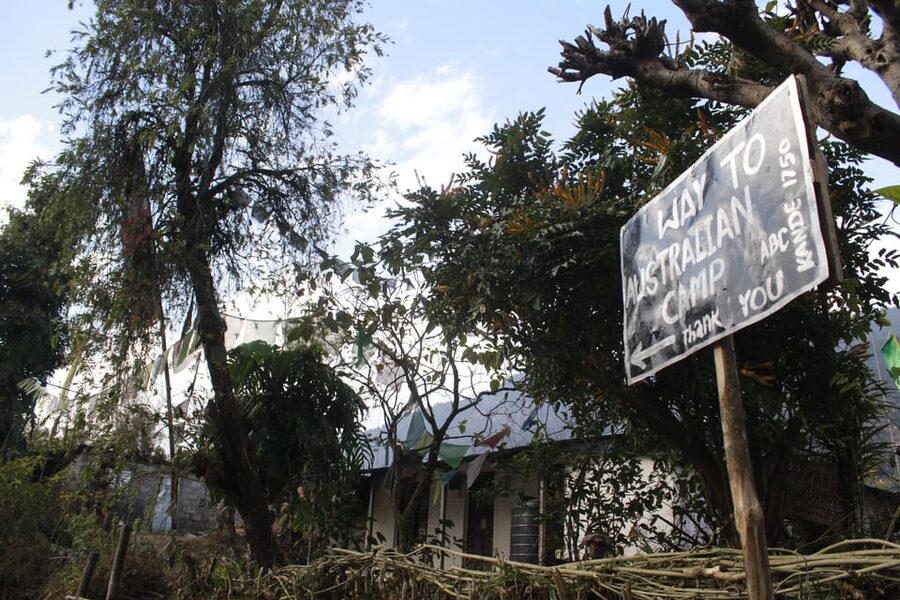
Once you’re moving up from Kande, the trail gradually pulls you into a different world—more trees, more terraces, more village life—so by the time you reach Australian Camp, you feel like you earned the viewpoint rather than simply arrived at it.
Trek Through Gurung Villages and Forest Trails (What the Climb Really Feels Like)
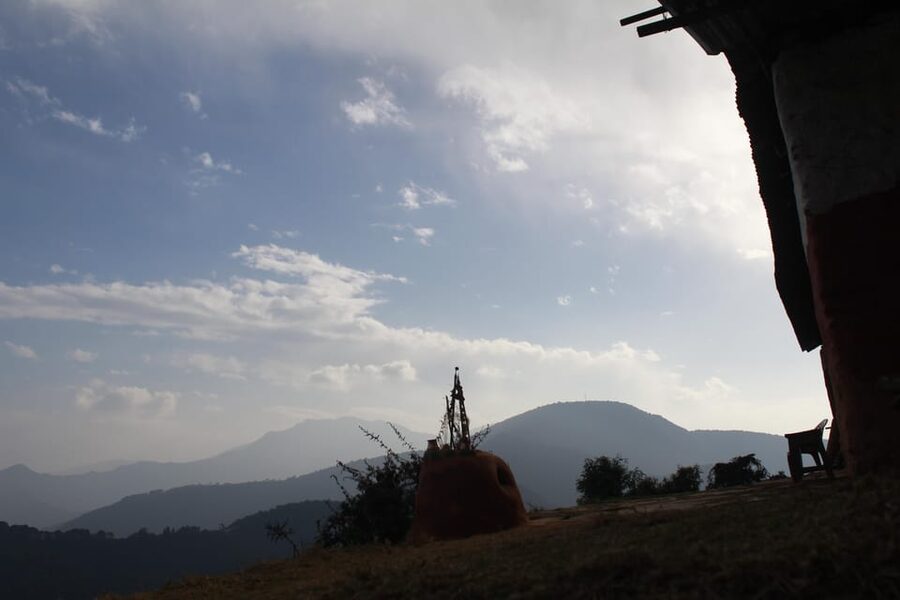
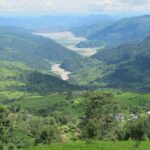
From the trail start, you’ll ascend through verdant forest and terraced fields—the green isn’t just scenic filler, it’s part of the trekking experience. Forest trails tend to be cooler and more shaded than exposed ridgelines, which can make a short trek feel more manageable.
Along the way, you’ll pass traditional Gurung villages and see everyday mountain life up close. That’s where the “small trek” part turns meaningful. You’re not only walking through scenery; you’re walking through a landscape that people actually live in. Seeing terraced farming and local village settings gives context to the Annapurna region beyond the postcard views.
What to expect in terms of how it feels: you’ll be on foot for the ascent to Australian Camp and then again for the return trek the next day. The exact difficulty level isn’t described in the information I have, so I’ll put it plainly: this is for people who can handle uphill hiking and early starts. If you’re comfortable with walking on uneven paths and you’re wearing proper shoes, you’ll likely feel fine.
The best advice is also the simplest: wear hiking shoes and bring hiking pants. Those two items help more than you think on forest edges, rocky steps, and rougher sections where you don’t want to worry about slipping or rubbing.
One Night at Australian Camp: Campfire, Stars, and Real Comfort
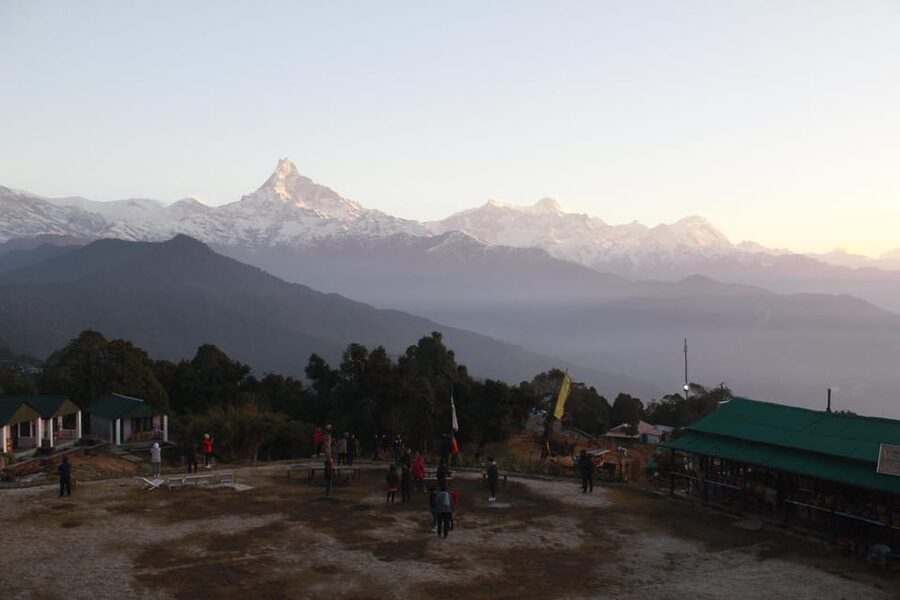
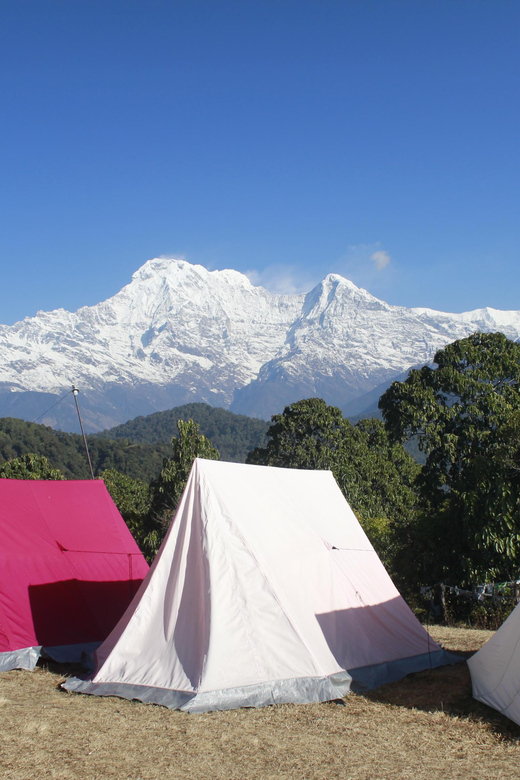
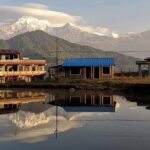
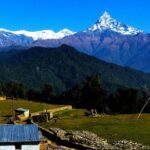
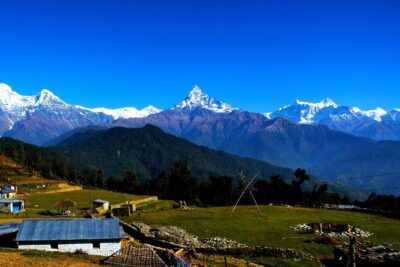
At Australian Camp, you’re greeted by panoramic vistas across the Annapurna and Dhaulagiri ranges. Then comes the evening. This is a key part of why the trip earns a high rating: it’s not just “sleep somewhere and leave.” You get a campfire experience under the stars, plus time to share stories with fellow travelers.
The camp stay is described as well-equipped and comfortable. That’s important because camping in the Himalayas can range from rough to surprisingly pleasant, depending on how it’s arranged. Here, the promise is a set-up that’s meant to keep you warm and settled so you can actually enjoy the night view rather than just surviving it.
One practical note: all meals during the stay are not included. Breakfast is included as part of the morning after the sunrise, but lunch and dinner aren’t listed as included. That means you should plan snacks and water, and accept that you’ll need to manage food during parts of the itinerary unless you arrange your own.
If you’re the type of traveler who likes simple comforts—cleaner arrangements, an organized night, and a guide who helps you keep track—this overnight format is a good match.
A few more Pokhara trips worth comparing.

Sunrise, Breakfast, and the Return Trek (How the Second Day Stays Worth It)
The early morning is the point. You’ll rise early to witness a breathtaking sunrise over the Himalayas, with the mountains glowing as the first light hits. This is the part that makes short treks feel like they’re stealing time in the best way.
After that, you’ll enjoy a hearty breakfast while taking in the views. That timing is smart. It turns the sunrise from a quick photo stop into a full, relaxed moment where you can actually sit with what you’re seeing. You don’t have to rush down immediately, which keeps the day feeling like a proper experience instead of a checklist.
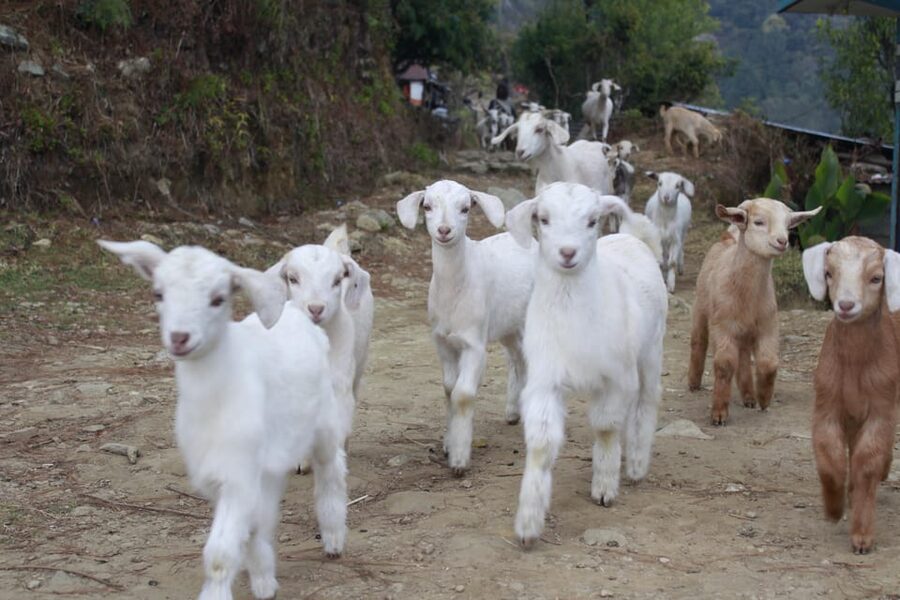
Then you trek back. The return isn’t just repetitive steps; the information highlights diverse flora and fauna and the warm hospitality of local communities. Even on a short hike, that’s where you slow down. You start noticing more than the mountains: plants along the trail, small wildlife moments (when conditions allow), and village life as you descend.
If you’re sensitive to cold mornings, plan on layers. Sunrise mornings can feel sharp even when the day later warms up. The tour info doesn’t list specific temperatures, so your best move is to pack like you’re going somewhere changeable—warm top, lighter layers, and a plan to stay comfortable while waiting for the light to hit.
Price and Value: What You Get for $86 a Person
At $86 per person for 2 days, you’re not just paying for walking. You’re paying for organized access: round-trip transport from Pokhara to Kande and back, a guided trek to and from Australian Camp, accommodation at the camp, and the campfire evening. On top of that, you’re getting English-speaking live guidance and coverage for all necessary permits and entrance fees.
That’s the value core: guided logistics plus the overnight experience. Many short treks in this region cost more once you add transport, a guide, and the costs tied to getting through required areas. Here, those parts are packaged.
The big thing not included is meals during the stay. So if you budget only for the listed trip price, you might be surprised at the total. The workaround is easy: plan for snacks, and be ready for your lunch/dinner needs outside the package.
Also worth noting: travel insurance is recommended, but not included. That’s standard good sense for trekking. Even a “short” hike can mean slippery paths, altitude exposure, or the kind of minor injury that turns into a bigger problem without coverage.
Small Practical Tips That Make This Trek Feel Easy
This is a short trek, so the details matter. Here are the practical points that help most:
- Wear proper shoes. Don’t test brand-new hiking boots on the trail the first time.
- Bring hiking pants, not just shorts. Forest trails can mean scratches, sun at the edges, and cooler morning air.
- Pack light snacks. Since not all meals are included, small, easy options keep energy steady.
- Plan for early mornings. Sunrise is the main event, and you’ll want to be ready for the early start rhythm.
- Use the guide’s knowledge. Guides like Amrit, Arjun, and Bikram are repeatedly praised for being attentive and patient, and that translates into better pacing and less stress.
- Keep water handy. You’ll be hiking twice—up and back—so don’t rely only on what you might find along the way.
One more comfort tip: because it’s a private group, your pace and questions matter. If you’re unsure about your hiking level, ask your guide early—before you start ascending—so they can set a rhythm you can handle.
Who This Pokhara Trek Suits Best (and Who Should Pass)
This works especially well if:
- You have limited time in Pokhara and still want a real taste of the Annapurna region
- You care most about a sunrise viewpoint rather than a long multi-day route
- You want a guided experience with village context and a campfire night
- You prefer private-group attention with an English-speaking guide
You might want to skip it if:
- You strongly dislike early starts and waiting for sunrise light
- You expect meals beyond breakfast to be included without additional planning
- You’re not comfortable with hillside hiking on uneven paths, even if it’s only 2 days
This is a good “do it now” trek: short enough to fit real vacation timelines, but structured enough to deliver the big moments without chaos.
Should You Book This Two-Day Australian Camp Trek?
Yes, if your priority is a sunrise with serious mountain payoff and you want it done in a clean, organized way. The package makes sense for the price because transport, permits, a guided hike, a comfortable camp night, and the campfire evening are bundled together.
Book it if you’re the kind of traveler who likes a plan that still feels personal—especially with guidance that keeps you comfortable and focused on the view. Just go in knowing the practical catch: meals aren’t fully included, and you’ll be hiking early, so bring your basics, plan for snacks, and dress for morning cold.
FAQ
How long is the experience?
It runs for 2 days.
Where does the trek start?
You’re taken by scenic drive from Pokhara to Kande, and the trek to Australian Camp starts from there.
Is pickup included from Pokhara?
Yes. Pickup is included, and you’ll be picked up about 15 minutes before the trek.
Is the tour guide available in English?
Yes, the live tour guide is listed as English.
What’s included in the price?
Included items are round-trip transport between Pokhara and Kande, guided trek to and from Australian Camp, camp accommodation, the evening campfire experience, sunrise view time, a local guide, and all necessary permits and entrance fees.
What should I bring and what isn’t included?
Bring hiking shoes and hiking pants. Personal expenses and all meals during the stay (besides breakfast as stated) are not included, and travel insurance is recommended.
More After-Dark in Pokhara
Also Reviewed Around Pokhara

Easy Hikes: Australian Camp and Dhampus
Newer Pokhara reviews to browse before you decide
Australian Camp & Dhampus Hikes, compared.
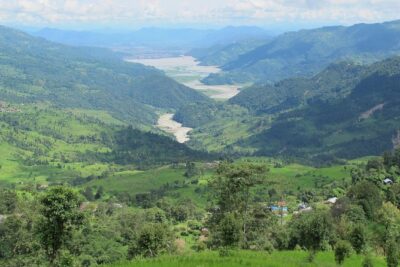 ★ 5.02-Day Private Trekking Tour to Australian Camp & DhampusFrom $9942 reviews
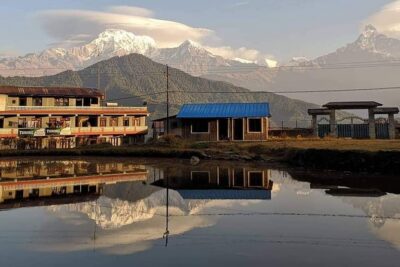 ★ 5.01-Day Private Dhampus Trekking TourFrom $6735 reviews
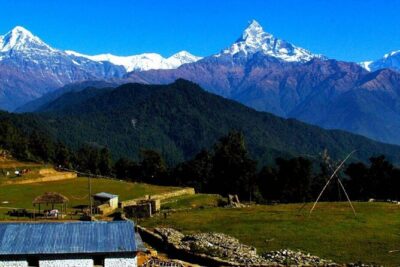 ★ 5.0Easy Day Hike to Australian Camp & Dhampus VillageFrom $5824 reviews
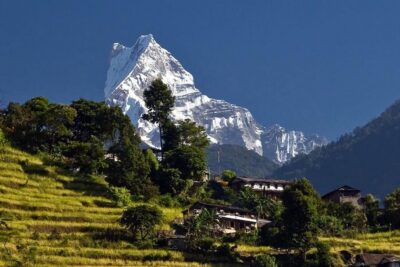 ★ 4.8Australian Base Camp Day Hike From PokharaFrom $3919 reviews
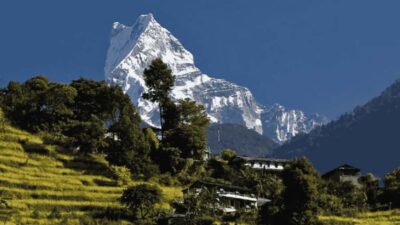 ★ 4.9Guided Day Hike From Dampus To Australian Base CampFrom $5516 reviews
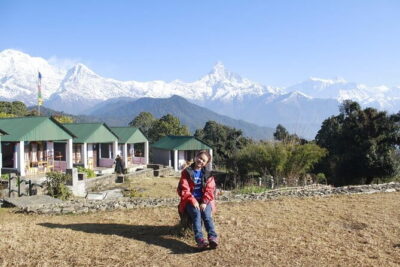 ★ 5.0Easy Day Hiking to Australian Camp from PokharaFrom $10014 reviews
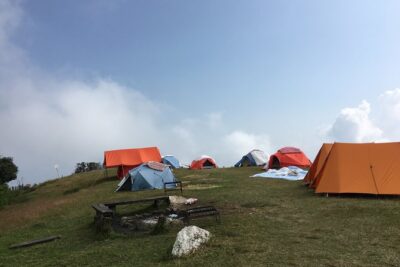 ★ 5.0Australian Camp and Dhampus easy hikingFrom $5112 reviews
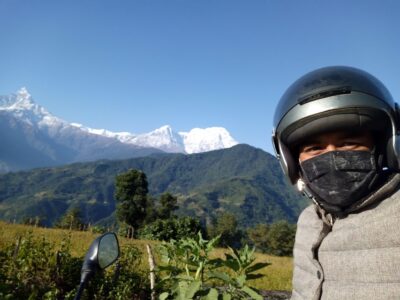 ★ 4.91 N 2 Days easy Dhampus,Australian camp trek from PokharaFrom $8610 reviews
Browse the lists this tour appears in