
Reviewed · POON HILL SUNRISE TREKS
Poon Hill Trek – 04 Days
Mountain mornings start here. This short Poon Hill trek takes you from Pokhara into the Annapurna region with an easy-to-follow rhythm and a real focus on sunrise views. I especially liked that the plan is organized end-to-end, and that your guide keeps the pace humane for first-timers who might feel intimidated by the hills. A possible drawback: even though it’s marketed as short and beginner-friendly, the walking can still feel tough when you’re new to trekking.
Two things I’d pick as the main win. First, you get transport from your Pokhara hotel and back, so you’re not wasting half a day on logistics. Second, the guide help feels practical and personal—one group credited Jiban for smooth coordination and Bishow for choosing comfortable lodging and good food spots, then going at a pace that matched their energy. One consideration: this trek runs on early starts for the sunrise, so if you hate mornings, plan to adjust your schedule and expectations.
In This Review
- The stuff you’ll notice fast
- Pokhara start: where your 4-day Poon Hill trek really begins
- Why Poon Hill and Ghorepani is a smart short-trek choice
- Day 1: From Nayapool to Tikhedhunga with a comfortable start
- Day 2: Moving toward Poon Hill and settling near the viewpoint
- Day 3: Sunrise at Poon Hill, then down to Ghandruk
- Day 4: Ending the trek at Nayapool and returning to Pokhara lakeside
- Guides and pacing: what “feeling safe” looks like on the trail
- Meals and tea-house nights: what’s included, and what you should plan for
- Price and logistics: is $230 good value for this trek?
- When to go: year-round access with monsoon reality
- Who this trek suits best (and who should rethink it)
- Should you book Poon Hill Trek – 04 Days?
- FAQ
- How long is the Poon Hill Trek – 04 Days?
- Where does the trek start and end?
- Is pickup from my hotel in Pokhara included?
- What is included in the price?
- What is not included?
- Is this trek private?
- Can most people join, even if they are new to trekking?
- What season is best for this trek?
The stuff you’ll notice fast
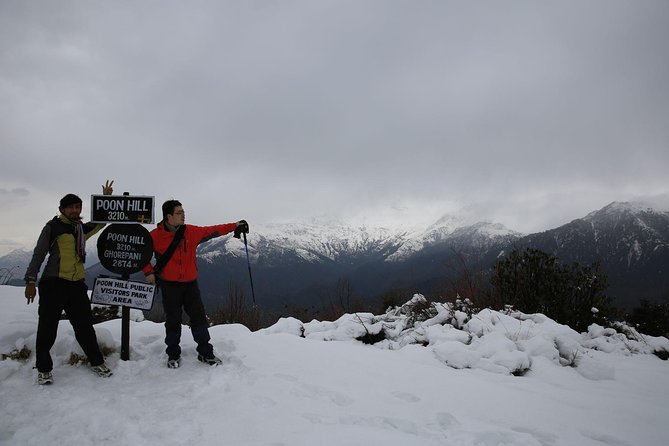
- Sunrise at Poon Hill is the big event, with early-morning timing built in.
- Pokhara hotel transfers cut down the stress on both ends of the trek.
- English-speaking guide and a private setup means you’re not squeezed into someone else’s pace.
- Tea house overnights make a short trek feel doable, with meals included.
- Ghandruk village adds culture and village atmosphere after the viewpoints.
- Rhododendron forests are part of the route experience as you move through the hills.
More Poon Hill and Ghorepani routes, weighed by nights and effort.
- Poon hill Trek 3 days★ 5.0 · 176 reviews
- Pokhara: 4-Day Ghorepani, Poonhill & Ghandruk Mountain Trek★ 5.0 · 132 reviews
- Ghorepani – Poon Hill Trek 3N-4D★ 5.0 · 125 reviews
- From Pokhara: 3-Day Ghorepani Poon Hill Trek with Guide★ 4.9 · 68 reviews
Pokhara start: where your 4-day Poon Hill trek really begins
Pokhara is the launchpad for this trek, and that matters more than it sounds. You start from the lakeside area, then get picked up and taken by vehicle up to Nayapool. For many people, this is the difference between a calm start and a frantic one—because you arrive already oriented instead of trying to figure out local transport mid-trip.
This trek is also set up as a private group for your party. That usually helps with pace and decision-making. If you want to stop for photos, catch your breath, or simply move a bit slower, a private guided setup is the kind of thing you notice quickly on a short itinerary.
Why Poon Hill and Ghorepani is a smart short-trek choice
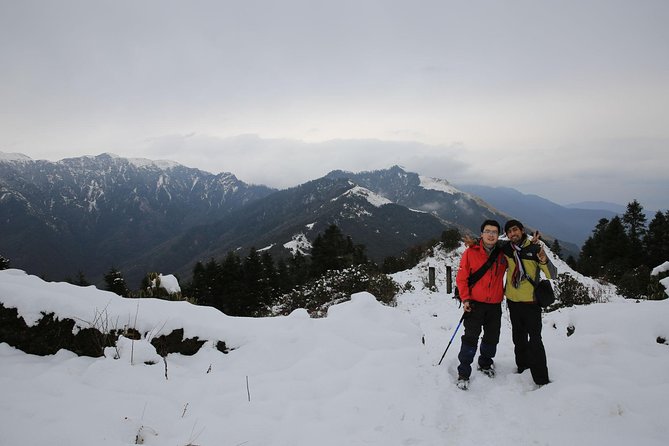
Poon Hill trekking has a reputation for a reason: it’s short, very popular, and designed around big views without requiring weeks in the mountains. In four days, you get the rhythm of trekking (morning effort, midday breaks, evening tea-house time) plus the payoff of the Annapurna sunrise view.
It’s also a route that gives you a bit of variety without turning the trip into a full training camp. The plan includes time through areas associated with rhododendron forests, then shifts toward a more village-focused finish at Ghandruk. That mix is perfect if you want mountains and culture in one package.
And here’s the part to be honest about: the walking isn’t automatically easy just because it’s short. One first-time trekker noted that the route can feel challenging for beginners. The key is that the guide work is built to support you—so you’re not just thrown on a trail and told good luck.
Day 1: From Nayapool to Tikhedhunga with a comfortable start
Your first day is a simple formula: vehicle up, then hike. You’ll go by private vehicle to Nayapool, then start walking for about 4 to 5 hours to Tikhedhunga. That first leg is long enough to get your legs waking up, but it’s not a full-day grind that leaves you exhausted before you even settle into your tea house.
Overnight in Tikhedhunga is a practical move. It sets you up for the next day’s progress and keeps the trek balanced across the four days. On a first trek, it’s helpful when each day has a clear goal and you’re not constantly guessing what the next marker will be.
A small but real bonus: your accommodation is included for three nights, and meals are included (breakfast, lunch, dinner). That means Day 1 doesn’t turn into a budgeting headache while you’re tired and hungry.
Day 2: Moving toward Poon Hill and settling near the viewpoint
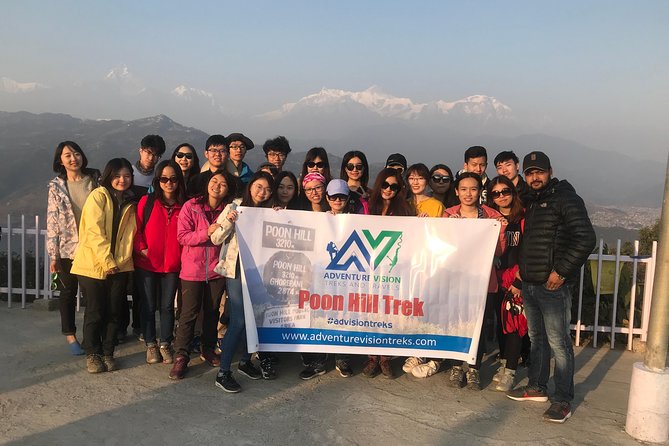
Day 2 is the “getting closer” day. You trek toward Poon Hill and spend the night there. This is one of those itinerary choices that feels minor on paper, but it matters a lot in practice.
Why? Because sleeping near the viewpoint makes the sunrise plan much more manageable. Instead of starting from far away in the dark, you’re positioned so early morning doesn’t feel like an extra trek layered on top of the actual trek.
This day also helps you get used to the rhythm of tea-house life: walking in the morning or afternoon, taking breaks as needed, and then recovering with a warm meal. If you’ve never done trekking before, that recovery routine is often what keeps you confident for the remaining days.
More treks and hikes across the Annapurna region.
Day 3: Sunrise at Poon Hill, then down to Ghandruk
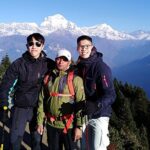
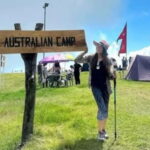
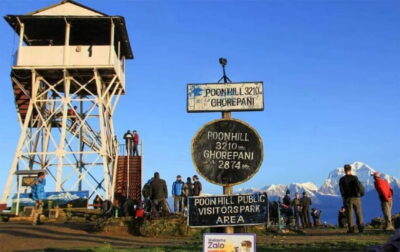
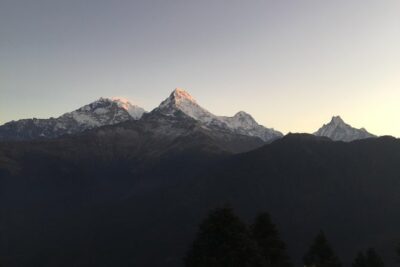
Day 3 is the payoff day. You’ll wake up early to visit Poon Hill for the sunrise, then have breakfast and continue trekking to Ghandruk village, with an overnight stay there.
The sunrise part is obviously the headline, but what makes it worth planning for is timing. Early mornings are a predictable part of trekking in this region, and this itinerary builds the sunrise into the schedule instead of treating it like an optional detour. If you want the Annapurna sunrise view, you need a plan that respects morning timing—and this one does.
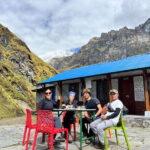
Then you switch gears. After breakfast, you head to Ghandruk village and spend the night at an eco lodge. Ghandruk is a great counterpoint to pure viewpoint chasing. You get village life energy, plus a more grounded feel after the mountain-top moment.
Also, there’s a useful reality check: sunrise is one of those things you don’t want to miss, but you also want enough stamina left for the daytime trek. That’s where a guide’s pacing matters. One recent group praised a guide team for patience and care while keeping an eye on physical condition and attitude—especially when the team needed to support a slower marcher.
Day 4: Ending the trek at Nayapool and returning to Pokhara lakeside
On the final day, you trek back to Nayapool and then drive to Pokhara. It’s a classic finish that keeps the last day from dragging on too long.
This matters because most people don’t want a “nothing happens and we wander around for hours” final day. The plan is straightforward: walk, then go back to the comfort of your base in Pokhara.
By the time you arrive back at the lakeside area, you’ll have that post-trek feeling: tired legs, clear head, and a strong sense you got value for the time you invested. A short itinerary like this works because it gives you closure, not just a pause.
Guides and pacing: what “feeling safe” looks like on the trail
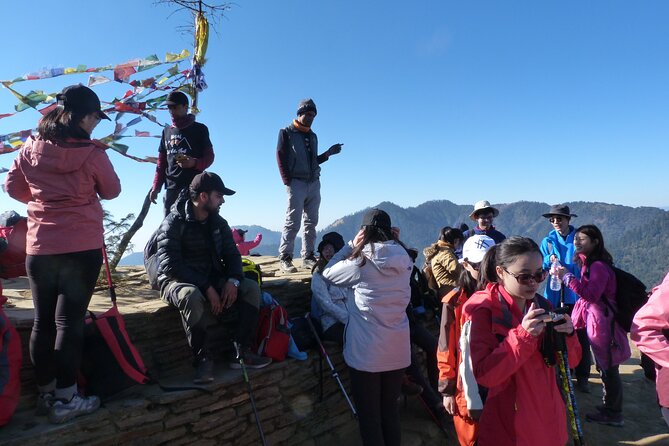
This trek is built around one thing that can make or break a beginner experience: guided pacing.
In the feedback I saw, people repeatedly highlighted how guides were professional, nice, and caring. One person specifically mentioned that when they were the last person in the group, another guide stayed with them and kept paying attention to their physical situation and attitude. That kind of attention is not just kindness—it’s how you prevent confidence from slipping when the body starts negotiating.
The guide you get matters too. Names came up: Jiban for coordination and Bishow as the trekking guide who helped choose lodging and meal options. That kind of local decision-making is one of the most underrated benefits of booking a guided trek. On the trail, you’re tired and focused on walking; you don’t want to also manage uncertainty about where you’ll sleep and what you’ll eat.
And because this trek is private for your group, the “go at your pace” idea isn’t just marketing language. It becomes the way the day unfolds.
Meals and tea-house nights: what’s included, and what you should plan for
Meals are included: breakfast, lunch, and dinner, plus three nights accommodation. That’s a big part of what makes a four-day trek like this good value. You’re not constantly stopping to figure out where to eat, and you’re not carrying extra daily meal costs.
You should also expect tea-house style lodging. The exact comfort level isn’t described in detail here, but you can reasonably plan for basic trekking accommodation rather than a hotel with room service and foam pillows. One group mentioned rooms were decent, and they also praised hearty meals like dhal. That tells me the food tends to be filling and reliable, which is what matters most while hiking.
If you’re picky about drinks or snacks, keep this in mind: drinks and beverage costs are not included. So budget a bit for extra comfort items, plus any personal expenses.
Price and logistics: is $230 good value for this trek?
$230 for about four days can feel like either a bargain or a lot, depending on what you compare it to. Here’s the real value math: this price includes an English-speaking guide, three nights accommodation, all meals, taxes, and an air-conditioned vehicle for the transport parts.
A lot of trekking costs hide in the edges: separate transport to trailheads, paying for meals every day, and dealing with taxes and guide arrangements. This itinerary bundles many of those pieces, so your total cost is easier to control.
What’s not included is also clear: international airfare, insurance cost, drinks and beverage costs, and personal expenses. So if you’re comparing prices, make sure you check what’s included versus what you’ll pay anyway.
Group discounts are mentioned too. That can help, but because it’s a private tour/activity for your group, the key is what “private” means for your booking price. If you’re traveling as a couple or small group, you may feel the value most. If you’re solo and the price is per person, you’ll want to compare against other options that might share costs.
When to go: year-round access with monsoon reality
This trek can be done throughout the year, but you shouldn’t treat monsoon as a normal season. The plan specifically advises against trekking in monsoon because mountain visibility isn’t clear and the trails can be very difficult during that time.
If you’re flexible, that guidance is smart. You’re paying for the Annapurna sunrise view and the mountain experience. When weather blocks views, you lose the main payoff.
If you do choose to go in monsoon anyway, the advice is “only if you’re experienced enough to walk at hilly regions during rain.” So if you’re new to trekking, take that warning seriously.
Who this trek suits best (and who should rethink it)
This trek fits best if you want:
- A short four-day Himalayan trekking experience
- Beginner-friendly pacing with a guide who can adapt
- The Annapurna sunrise view from Poon Hill
- Village time at Ghandruk instead of only mountain viewpoints
It may not fit you as well if:
- You hate early mornings and sunrise starts
- You need luxury lodging every night
- You’re looking for a more challenging, high-altitude style expedition (this one is designed to be short and manageable)
That said, even beginners can do it. The key is that you should take the beginner-friendly label seriously but not treat it like a walk in the park. You’ll still be hiking, and that’s where the guide’s patience and pacing matter.
Should you book Poon Hill Trek – 04 Days?
I’d book this trek if your main goal is a short, organized route from Pokhara that delivers the Poon Hill sunrise and a satisfying finish at Ghandruk. The biggest reasons to choose it are the logistics that reduce stress (hotel pickup/return and included meals) and the guide support that helps you keep confidence when you’re new.
If you’re deciding between several short treks, compare what’s included. This one covers guide, accommodation, meals, and major transport chunks, and that usually makes it good value for the time.
Only reconsider if you’re traveling in monsoon season and you care deeply about seeing the mountains clearly. Or if you’re the type who can’t handle early starts, you might end up counting the hours instead of enjoying the view.
FAQ
How long is the Poon Hill Trek – 04 Days?
The trek is listed as 4 days (approx.).
Where does the trek start and end?
It starts from Pokhara, then you travel by vehicle up to Nayapool to begin trekking. It ends with a trek back to Nayapool and a drive back to Pokhara.
Is pickup from my hotel in Pokhara included?
Yes. The experience includes transport to and from your hotel in Pokhara, and pickup is offered.
What is included in the price?
Included items are an English speaking trekking guide, government and local taxes, 3 nights accommodation, breakfast, lunch, dinner, and an air-conditioned vehicle.
What is not included?
Not included are personal expenses, international airfare, insurance cost, and drinks and beverage cost.
Is this trek private?
Yes. It is private, and only your group will participate.
Can most people join, even if they are new to trekking?
Most travelers can participate, and the route is designed for beginner hikers, but the walking can still feel challenging at times—having a guide who adapts your pace is part of the value here.
What season is best for this trek?
The trek can be performed throughout the year, but monsoon season is not suggested due to poor visibility and difficult trail conditions.
More Treks in the Annapurnas

Also Reviewed Around Pokhara


More Poon Hill Sunrise Treks
Newer Pokhara reviews to browse before you decide


Poon Hill Sunrise Treks, compared.
 ★ 5.0Poon hill Trek 3 daysFrom $230176 reviews
 ★ 5.04-Day Ghorepani, Poonhill & Ghandruk Mountain TrekFrom $181132 reviews
 ★ 5.0Ghorepani – Poon Hill Trek 3N-4DFrom $321125 reviews
 ★ 4.93-Day Ghorepani Poon Hill Trek with GuideFrom $16268 reviews
 ★ 5.03-Day Ghorephani and Poon Hill Private TrekFrom $12658 reviews
 ★ 5.04-Day Private Poon Hill Trekking TourFrom $35958 reviews
 ★ 4.62-Day Ghorephani and Poon Hill Private TrekFrom $10450 reviews
 ★ 5.03-Day Poon Hill Trek from Pokhara.From $41045 reviews
Browse the lists this tour appears in