
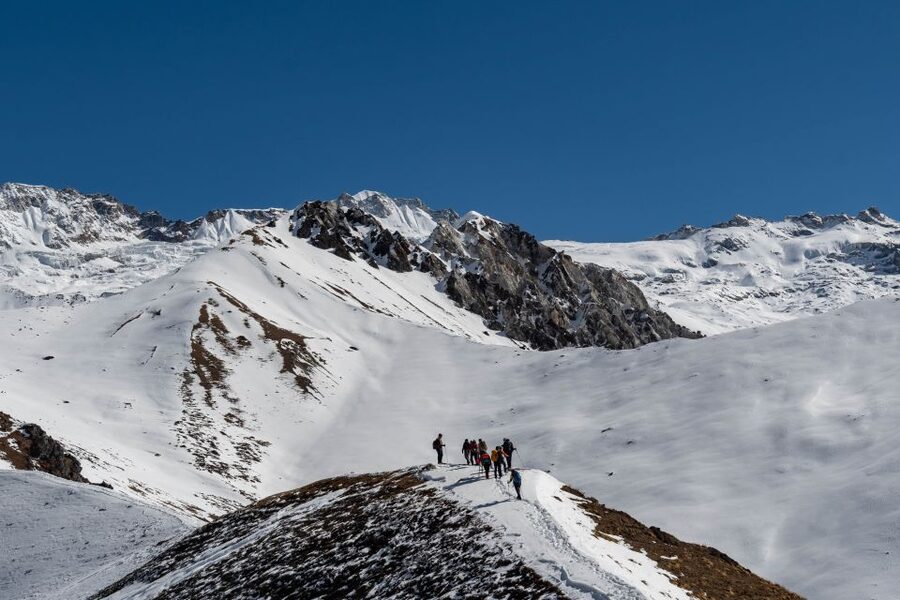
Reviewed · POON HILL SUNRISE TREKS
Pokhara: 4-Day Ghorepani, Poonhill & Ghandruk Village Trek
Golden sunrise, sharp climbs, warm locals. This 4-day Pokhara to Ghorepani trek delivers the Poonhill sunrise payoff and the Ghandruk village culture, with a good mix of steady hiking and easier walking. The one thing to think about is the early start on Day 3, because you’ll climb before dawn and the altitude can feel noticeable.
What I like most is how the route stays manageable for beginners who still want a real challenge. And the guide quality can make the difference: names like Bidur, Krishna, and Paras come up for being attentive, helpful on pace, and good at explaining Nepalese culture along the way. If you’re expecting five-star comfort every night, you may find the tourist lodges basic, but you’ll be in good shape for the next day.
This is also a smart-value trip if you want guided logistics handled for you: hotel pickup in Lakeside Pokhara, round-trip transport, government permits, and a route built around sunrise timing. If you choose the full-board option, you’re not hunting for meals mid-trek. If you choose the standard option, you’ll plan on buying meals as you go.
In This Review
- Key Things That Make This Trek Worth It
- Pokhara to Poonhill: Why This 4-Day Trek Works
- Day 1: Drive to Nayapool and Ulleri’s Terraces
- Day 2: Ulleri to Ghorepani at 2,850m
- Day 3: The Poonhill Sunrise Climb (3,210m) and Ghandruk Descent
- Ghandruk Village: Gurung Culture and Big Views Without the Rush
- Lodges, Meals, and What “Full Board” Actually Changes
- Guide and Porter: The Difference Between a Trek and a Trip
- Price and Value: What $172 Covers and What to Watch
- Who This Trek Fits Best (and Who Might Want Another Route)
- Should You Book This Pokhara Ghorepani Poonhill Ghandruk Trek?
- FAQ
- How long is the Pokhara Ghorepani Poonhill Ghandruk trek?
- What route does this trek follow from Pokhara?
- What is the highest point on the trek?
- Is pickup and drop-off included?
- Are meals included?
- Do I get a porter?
- Are permits and taxes included?
- Is the guide English-speaking?
- Is luggage storage available in Pokhara?
Key Things That Make This Trek Worth It
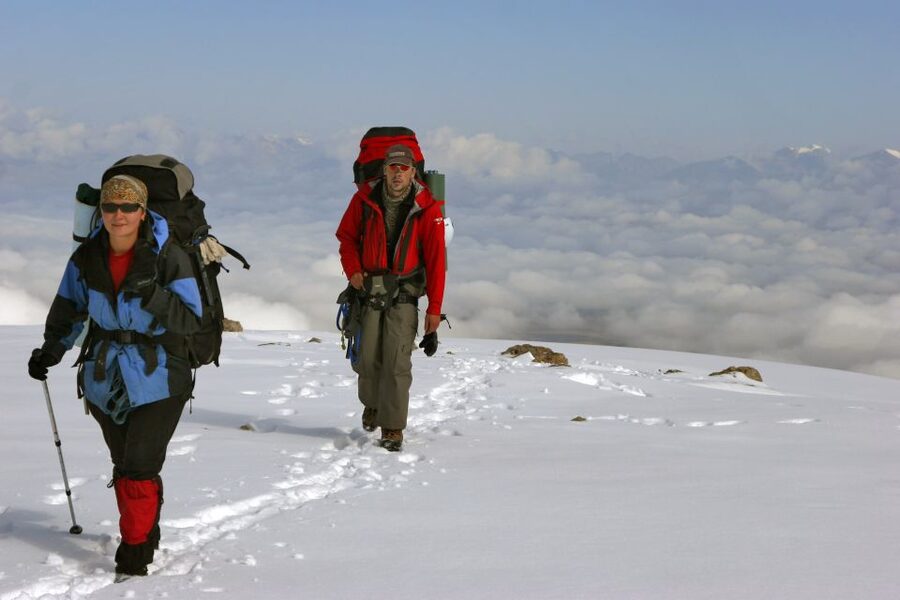
- Poonhill sunrise timing for Annapurna and Dhaulagiri golden light
- Ghandruk: a classic Gurung village with big views and human-scale culture
- Rhododendron forests on the route, plus waterfalls along the way
- A private, English-speaking guide who can adjust pacing to your needs
- A small-team feel: guides and porters often become the friendly support system you remember
More Poon Hill and Ghorepani routes, weighed by nights and effort.
- Poon hill Trek 3 days★ 5.0 · 176 reviews
- Pokhara: 4-Day Ghorepani, Poonhill & Ghandruk Mountain Trek★ 5.0 · 132 reviews
- Ghorepani – Poon Hill Trek 3N-4D★ 5.0 · 125 reviews
- From Pokhara: 3-Day Ghorepani Poon Hill Trek with Guide★ 4.9 · 68 reviews
Pokhara to Poonhill: Why This 4-Day Trek Works
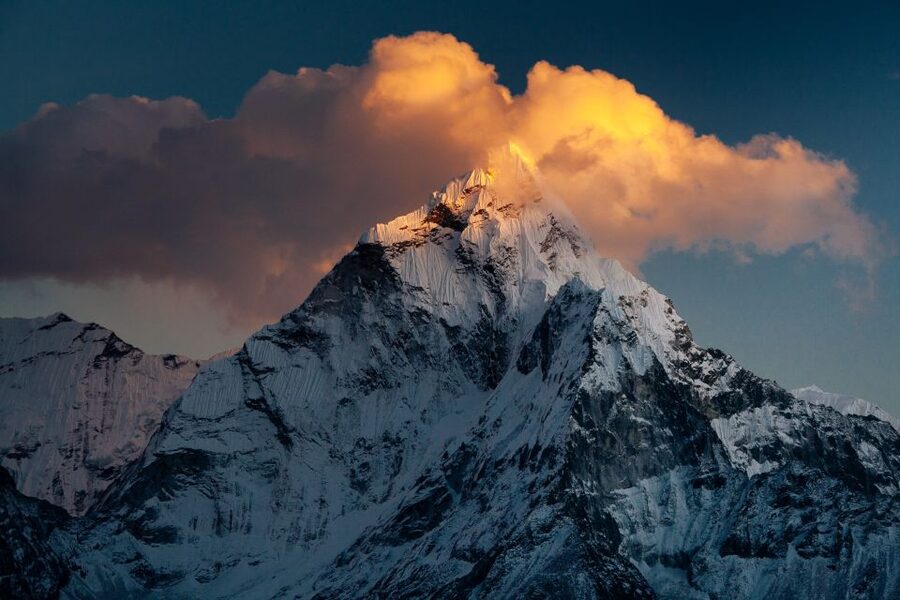
This trek is a tidy sweet spot. It’s short enough that you’re not committing a whole week, but it’s long enough to get real elevation, real early-morning views, and at least two distinct village vibes. You start in the Pokhara area, work your way up through farming terraces and forest paths, then cash in the effort with sunrise views before sliding back down.
What makes this route especially appealing is how the days are structured around variety:
- one day mostly about ascent and forest walking
- one day building toward the higher villages
- one day that peaks early with sunrise
- one day that focuses on community life in a Gurung settlement
And because you’re on a private group with an English-speaking guide, you don’t have to guess how hard to push. Past trips highlight guides who stay attentive and pace you based on your needs, which matters when you’re balancing energy for sunrise with the day-to-day climb.
Day 1: Drive to Nayapool and Ulleri’s Terraces
Your Day 1 begins with a drive from Pokhara to Nayapool (about 1.5 hours). Then you transition into trekking to Ulleri at 1,960m.
This first day matters more than it sounds. It’s where you learn the rhythm: steady uphill, small pauses for breath, and short stretches where you feel like you’re making progress quickly. You’ll walk through terraced fields and rhododendron forests, which keeps the trail from feeling like one long wall of stone steps.
Expect a “settling in” day. You’ll gain elevation, but you’re not going straight to the top. Ulleri is also a good place to get your legs used to village walking again after the drive.
Practical tip: start Day 1 with a light mindset. You’re setting yourself up for the higher sections, not proving anything.
Day 2: Ulleri to Ghorepani at 2,850m
Day 2 takes you from Ulleri to Ghorepani (about 2,850m). This is the day where the trail character shifts from terraces into more forest time. The route includes rhododendron forests and you may pass waterfalls, which can be a nice distraction from counting steps.
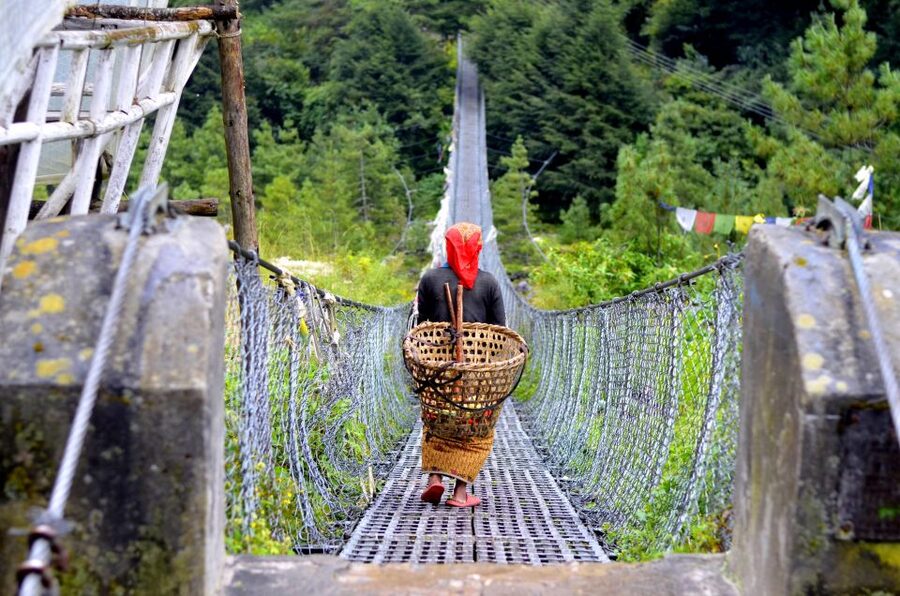
One detail that’s easy to miss when you’re planning is how many “small moments” add up on this route. Suspension bridges, quiet stretches of trail, and changing views create a steady feed of interest. That matters because the Annapurna region isn’t just about the final photo. It’s about making each day feel like it earns its own story.
By the time you reach Ghorepani, you’ll have the higher-village feeling: thinner air, cooler temperatures, and the sense that sunrise is no longer a rumor. It’s scheduled. It’s real.
If you’re prone to getting cold easily at altitude, plan for it on Day 2 too. Night temps can sneak up fast, and waking up chilly on Day 3 is no fun.
Day 3: The Poonhill Sunrise Climb (3,210m) and Ghandruk Descent
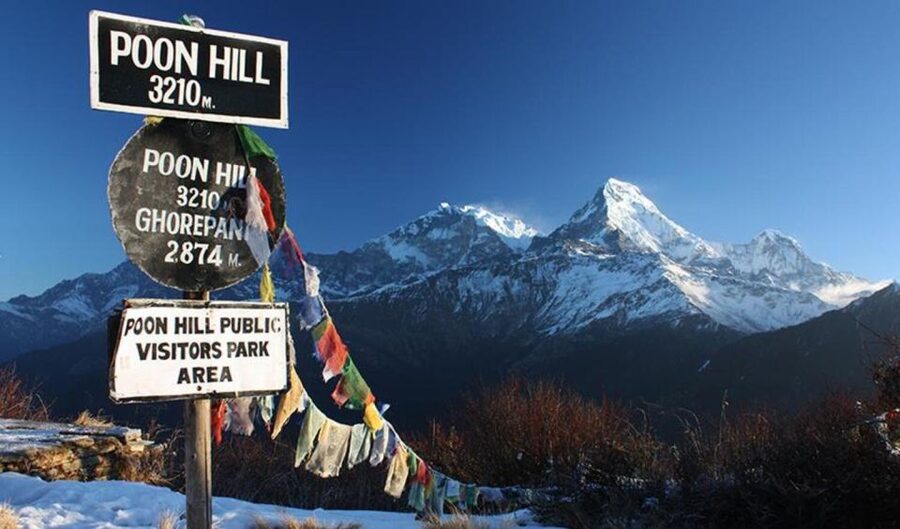
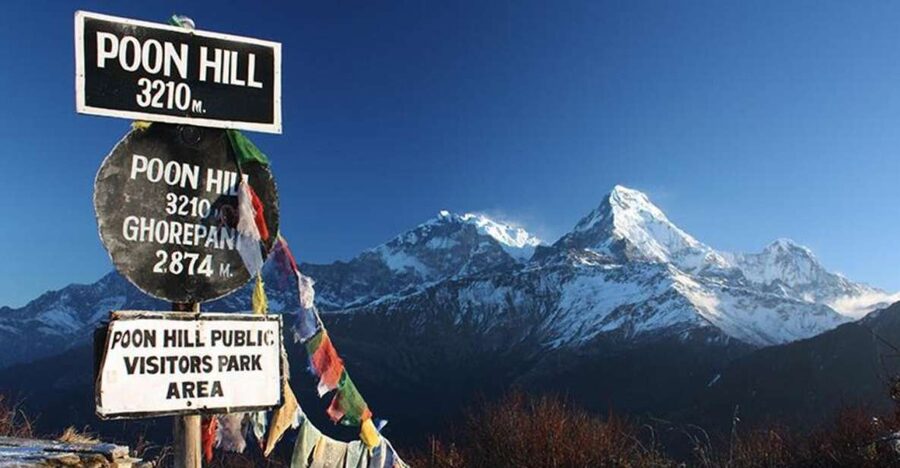
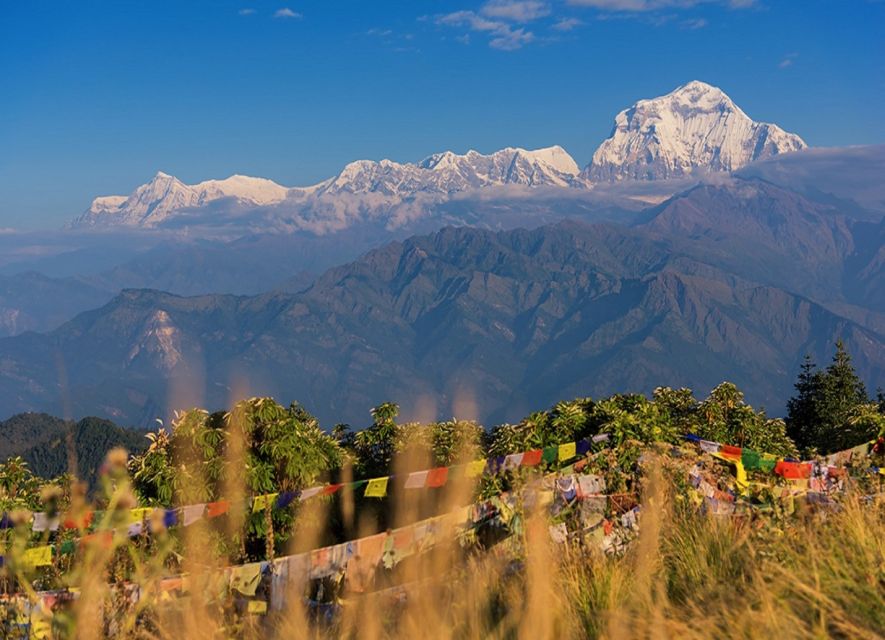
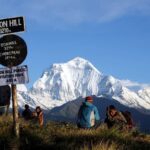
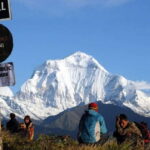
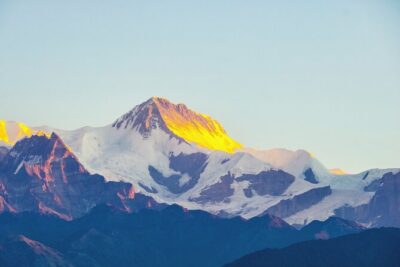
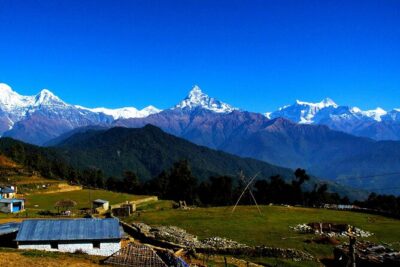
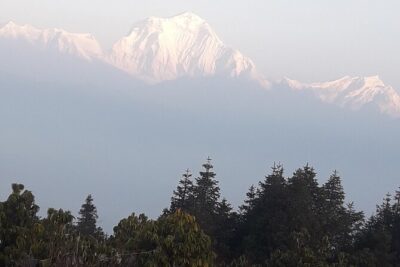
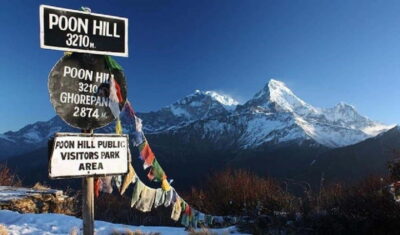
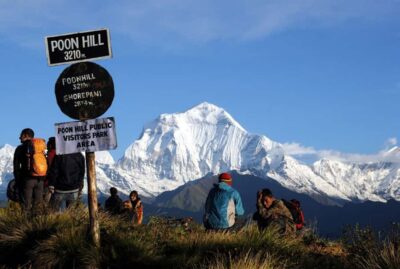
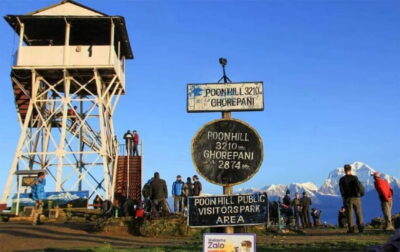
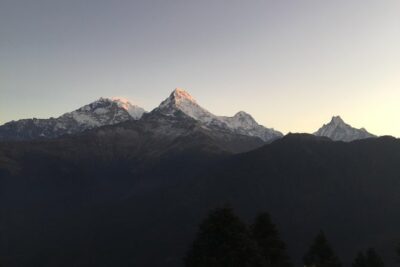
Day 3 starts early with a hike to Poonhill at 3,210m. The point is the sunrise view over the Annapurna and Dhaulagiri ranges, with that golden glow spreading across the peaks. If you only remember one morning from this whole trek, make it this one.
The timing is the trade-off: early departure means you’ll feel the climb while you’re still waking up. But the payoff is also concentrated. This is one of the most “worth it” moments in Nepal trekking because the view is the whole reason you’re here.
After sunrise, you descend to Ghandruk at 1,940m. That drop is not just elevation change. It’s a change in atmosphere. Ghendruk feels more village-centered, less “climb-and-cache-view,” more “settle and observe.”
This day is also where you’ll appreciate a guide who watches your pace. Trips with guides described as attentive and able to adjust to your needs tend to run smoother, especially when sunrise involves both stamina and timing.
More treks and hikes across the Annapurna region.
Ghandruk Village: Gurung Culture and Big Views Without the Rush
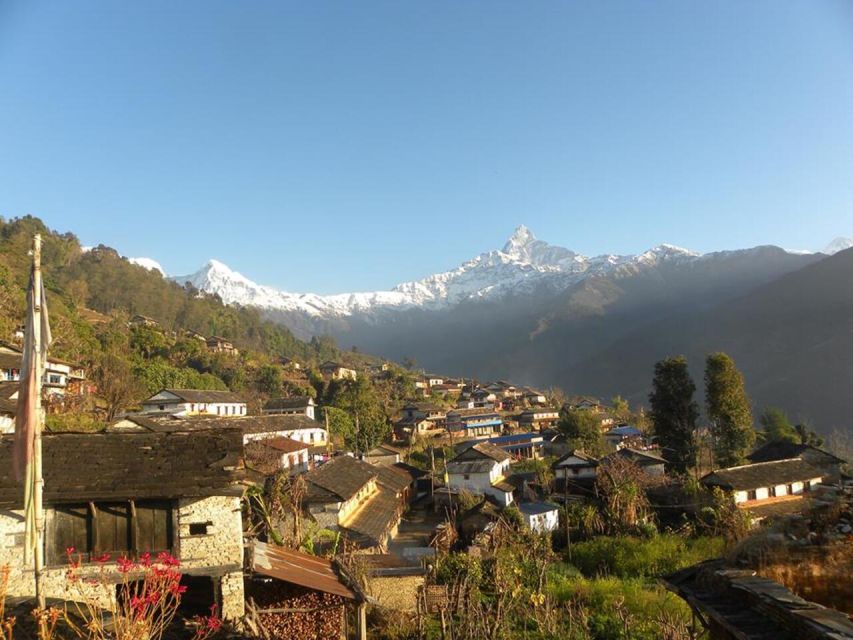
Ghandruk is known as a traditional Gurung village, and it’s one of the best places on this trek to slow down and actually look at daily life. Here, the mountains aren’t just a backdrop. They shape the way people live, farm, and build.
You’ll come into Ghendruk after the high point of Poonhill, so the village feels like a reward. Instead of constantly pushing uphill, you get space for conversation, scenery, and a calmer evening.
This is also where cultural interactions can become more than a checkbox. Past experiences highlight guides who share information about Nepalese religions, language, and mountain names, so you’re not just walking through a village—you’re understanding how locals describe the place you’re standing in.
If you like travel that feels human-scale, this stop is a strong reason to choose this trek over longer routes.
Lodges, Meals, and What “Full Board” Actually Changes
You’ll stay in tourist standard lodges with private accommodation on that standard lodge tier. That means: expect clean enough basics, hot drinks where available, and simple rooms rather than luxury.
Food coverage depends on the option you pick:
- Premium option (full board): breakfast, lunch, dinner included
- Standard option: meals are available for purchase
If you’re budgeting carefully, standard can work. But if you want less decision-making while trekking, full board is easier. You don’t need to worry about finding something edible at the right time, especially on cold mornings or when sunrise has already pulled you out of bed.
Also note: a porter is included on the premium option only. On the standard option, you can add a porter for $15 per day if you want help carrying your bag.
Smart packing note: bring a small daypack for essentials. Let the heavier items go with the porter if you’re in the full-board plan, or if you add one. Less weight makes the sunrise morning feel way more doable.
Guide and Porter: The Difference Between a Trek and a Trip
This trek runs smoothly when you have a guide who balances navigation, timing, and people. The names that show up in strong past experiences include Bidur, Krishna, and Paras, with consistent praise for being courteous and attentive.
Here’s what that translates to in real life:
- You get clear guidance when the trail turns confusing.
- Your pace doesn’t get punished. A good guide helps you move at a sustainable rhythm.
- You’re not only learning about peaks. You’re learning about culture too, like how locals talk about mountains and what religions and language mean in day-to-day life.
Porters also matter. One experience highlighted a porter who became a trekking friend, which makes sense. When someone is carrying your load and moving at your pace, you end up sharing a lot of small moments.
If you’re choosing between walking with a heavier pack versus adding a porter, be honest with yourself. If you want energy saved for sunrise and the later village time, paying for carrying help can be a practical upgrade.
Price and Value: What $172 Covers and What to Watch
The listed price is $172 per person. In Nepal trekking, that number usually needs context, and this one does.
What you get built into the experience includes:
- hotel pickup and drop-off in Lakeside Pokhara (or airport)
- round-trip transportation
- government permits, TIMS, and taxes covered
- a professional trekking guide (government registered)
- guide and porter support depending on the meal option
- first-aid kit support
- duffel bag/trekking pole/trekking bag provided if you require it
- luggage storage facility in Pokhara during the trek
- all meals included only on the premium full-board option
So the value isn’t just the trek itself. It’s the “messy middle” handled: permits, transport, and meals/porter decisions tied to your comfort level.
The main watch-out is option choice. If you book the standard option, meals aren’t included and a porter is optional. That can still be a good deal if you’re flexible and don’t mind buying meals as you go. But if you want the easiest, least stressful version, full board with porter support usually makes the whole thing feel smoother.
Who This Trek Fits Best (and Who Might Want Another Route)
This trek fits best if you want:
- sunrise views without a huge time commitment
- a classic Annapurna-region route in about four days
- village experiences in Ulleri and especially Ghandruk
- guidance in English and support for pacing
You’ll also enjoy it if you like practical travel: go early, walk steadily, then reward yourself with views and food.
You might want a different plan if:
- you hate early mornings and dark, chilly starts
- you want very comfortable accommodations every night
- you’re hoping for a long trek day every day. Day 3 and Day 4 include real descents and a calmer village feel, not constant uphill grind
Should You Book This Pokhara Ghorepani Poonhill Ghandruk Trek?
If your goal is a memorable first taste of the Annapurna region, this is a solid bet. The structure is efficient: you gain elevation, hit Poonhill at the right moment, and finish with Ghandruk village life instead of just hiking back and calling it done.
Book it if you value sunrise views, want a balanced mix of challenge and easier walking, and appreciate a guide who can handle pace and explain what you’re seeing. Choose premium full board if you want fewer decisions and included porter support; choose standard if you’re comfortable managing meals and possibly adding a porter.
Most importantly, pick based on your sunrise tolerance. The early climb is the trade. If you’re okay with that, you’re set up for one of Nepal trekking’s most satisfying mornings.
FAQ
How long is the Pokhara Ghorepani Poonhill Ghandruk trek?
It’s a 4-day trek.
What route does this trek follow from Pokhara?
You drive from Pokhara to Nayapool, trek to Ulleri, continue to Ghorepani, hike to Poonhill for sunrise, descend to Ghandruk, then trek back to Nayapool and drive back to Pokhara.
What is the highest point on the trek?
Poonhill is the highest point at about 3,210m.
Is pickup and drop-off included?
Yes. Hotel pickup and drop-off are included from Lakeside Pokhara (or Pokhara Airport).
Are meals included?
It depends on the option. Premium full board includes breakfast, lunch, and dinner. Standard option meals are available for purchase.
Do I get a porter?
Porter service is included on the premium full-board option only. On the standard option, a porter is optional at $15 per day.
Are permits and taxes included?
Yes. Government permits, TIMS, and taxes are covered.
Is the guide English-speaking?
Yes. There is a live trekking guide in English, and the guide is government registered.
Is luggage storage available in Pokhara?
Yes. There is a luggage storage facility in Pokhara during the trek.
More Treks in the Annapurnas
Also Reviewed Around Pokhara

More Poon Hill Sunrise Treks
Newer Pokhara reviews to browse before you decide
Poon Hill Sunrise Treks, compared.
 ★ 5.0Poon hill Trek 3 daysFrom $230176 reviews
 ★ 5.04-Day Ghorepani, Poonhill & Ghandruk Mountain TrekFrom $181132 reviews
 ★ 5.0Ghorepani – Poon Hill Trek 3N-4DFrom $321125 reviews
 ★ 4.93-Day Ghorepani Poon Hill Trek with GuideFrom $16268 reviews
 ★ 5.03-Day Ghorephani and Poon Hill Private TrekFrom $12658 reviews
 ★ 5.04-Day Private Poon Hill Trekking TourFrom $35958 reviews
 ★ 4.62-Day Ghorephani and Poon Hill Private TrekFrom $10450 reviews
 ★ 5.03-Day Poon Hill Trek from Pokhara.From $41045 reviews
Browse the lists this tour appears in