
Reviewed · POON HILL SUNRISE TREKS
Pokhara: 3-Day Ghorepani and Poon Hill Trek
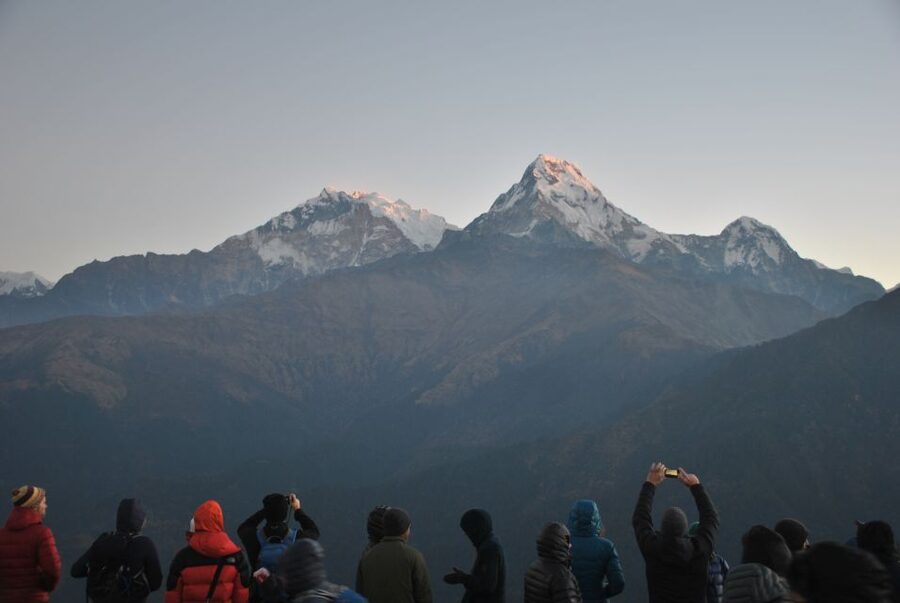
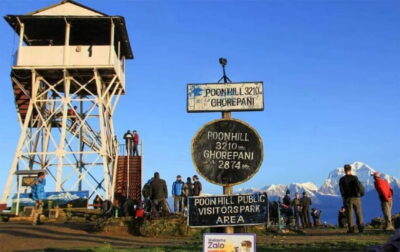
Sunrise over the Annapurnas is the main event. This 3-day trek from Pokhara climbs to Poon Hill around 3210m, with big views over the Annapurna range plus Dhawalagiri, all tied together with tea-house nights and village trails along the Modi Khola.
I especially like the combo of rhododendron forests and stone-step effort—you feel like you earned those Himalayan views. I also appreciate the human side: you’ll hike with an English-speaking guide, and people have praised guides like Deepist/Deep, Keshab, and Kaji for keeping things upbeat and practical (plus a porter like Rom for support). The one drawback to think about is effort: the Ulleri climb includes over 3,000 steps, and it can be a serious stair day depending on your fitness and pace.
In This Review
- Key Highlights You’ll Actually Feel
- Why This 3 Days Works: Poon Hill Without Needing Weeks
- Day 1: Pokhara to Nayapul and Tikhedhunga (1,570m)
- Day 2: Ulleri Stairs to Ghorepani (2,840m)
- Day 3: Poon Hill Sunrise, Dhawalagiri Views, and the Return Down
- Guides and Support: The Part That Changes Everything
- Tea Houses, Wi‑Fi, and Hot Showers: Comfort on a Stair Trek
- Altitude and Effort: What Your Body Needs to Know
- What to Pack (Without Overthinking)
- Logistics You’ll Be Glad Are Taken Care Of
- Price and Value: Is $127 a Good Deal?
- Who Should Book This Trek (and Who Should Skip It)
- Should You Book This 3-Day Ghorepani and Poon Hill Trek?
- FAQ
- How long is the Ghorepani and Poon Hill trek?
- What is the highest altitude on this trek?
- Is pickup in Pokhara included?
- Are trekking permits included?
- Are meals included?
- Do I need a guide, and what languages do they speak?
- What accommodation is provided during the trek?
- Is this trek suitable for everyone?
Key Highlights You’ll Actually Feel
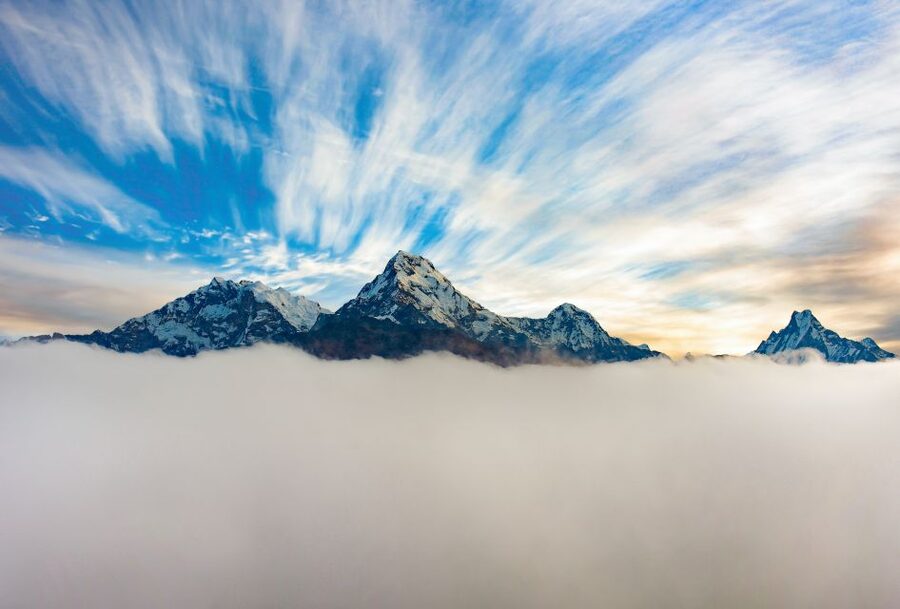
- Poon Hill sunrise at about 3210m with wide mountain views, including Dhawalagiri
- Day 2 step climb to Ulleri (thousands of steps), followed by rhododendron forest walking
- Tea-house stays with comfort details like WiFi and hot showers, reported by past trekkers
- Modi Khola/Modi River trail vibes: villages, forests, and a real sense of being on foot
- Guides who explain what you’re seeing, from plants and trees to simple trail guidance
- Trek logistics handled end to end, including pickup/drop-off and the final jeep to Nayapul
More Poon Hill and Ghorepani routes, weighed by nights and effort.
- Poon hill Trek 3 days★ 5.0 · 176 reviews
- Pokhara: 4-Day Ghorepani, Poonhill & Ghandruk Mountain Trek★ 5.0 · 132 reviews
- Ghorepani – Poon Hill Trek 3N-4D★ 5.0 · 125 reviews
- From Pokhara: 3-Day Ghorepani Poon Hill Trek with Guide★ 4.9 · 68 reviews
Why This 3 Days Works: Poon Hill Without Needing Weeks
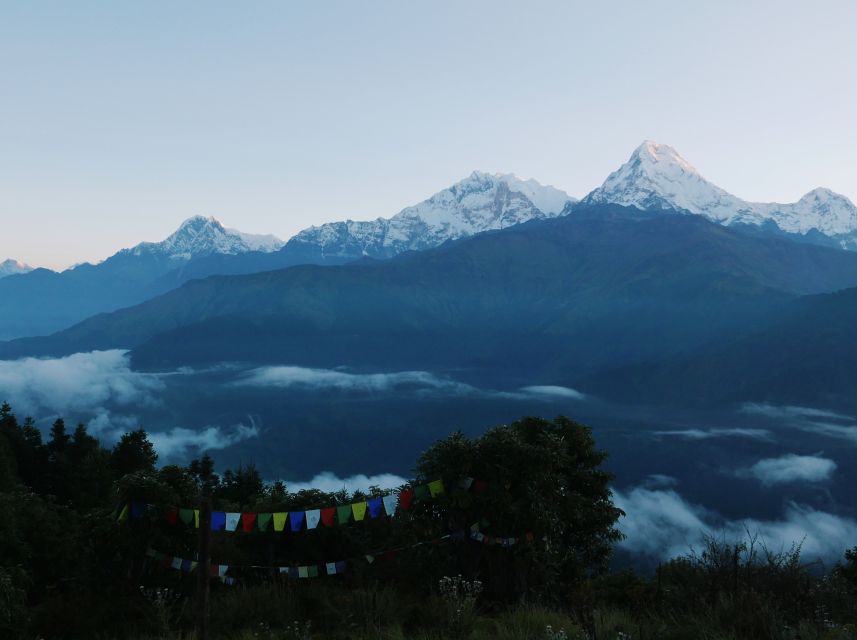
If you want Himalayan views but don’t want to commit to a long trek, this one is built for you. You get a mountain payoff fast: the trail ramps up from Pokhara’s lakeside area into hills, into forests, and then up to the viewpoint that most people come for—Poon Hill.
What makes this trek feel worth your time is the pacing. You’re not just rushing to altitude and back. Day 1 sets the trail rhythm along the Modi Khola with village walking and rhododendron forest sections. Day 2 adds real climbing—yes, steps—and puts you in Ghorepani, where you’re close enough to hit sunrise early. Day 3 focuses on the viewpoint, then gets you down the other side with a mix of steep descent and forested sections before the jeep transfer.
Also, the route gives you a sense of Nepal that’s more than just a photo stop. Tea houses, stair villages like Ulleri, river scenery—this is a working landscape at hiking speed, not a theme park.
Day 1: Pokhara to Nayapul and Tikhedhunga (1,570m)
Most days in Nepal start with a little driving, and this one does too. You begin with a scenic transfer from Pokhara to Nayapul, then start hiking along the Modi Khola River.
This is a good day to find your rhythm. The trail follows small villages and you’ll pass through rhododendron forests—exactly the kind of steady, scenic walking that helps your body adjust before the harder climbing later. Tikhedhunga (about 1,570m) is where you sleep in a tea house.
What to expect in real terms:
- You’re still at moderate altitude, so you can use the day to get your legs ready.
- You’ll likely be moving at a relaxed trekking pace, with chances to stop for photos and breaks.
- Your tea-house night here matters because Day 2 is where the stairs show up in full force.
Practical tip: treat Day 1 like warm-up, not sightseeing at sprint speed. If you arrive tired, Day 2 feels twice as long.
Day 2: Ulleri Stairs to Ghorepani (2,840m)

Day 2 is the day that earns its reputation. You climb up to Ulleri village via a steep ascent with over 3,000 steps. It’s not just “uphill”—it’s up with a lot of repetitive footwork. Some hikers have counted around 3,500 stairs on that push, and the point is the same: it’s the kind of effort where the mind gets tired before the legs do.
Once you’re through Ulleri, the trail continues through rhododendron forests and then you head into Ghorepani (2,840m) for the night.
Why Ghorepani is a great choice for an early sunrise trek
You’re positioning yourself for the next morning’s climb to Poon Hill. Ghorepani gives you altitude without the exhaustion of a long grind the night before sunrise. You also get those tea-house logistics working in your favor: past trekkers have reported comfortable guesthouses with WiFi and hot showers, which can be a big morale booster after a stair-heavy day.
What to watch for on Day 2
- Pace yourself on the stairs. Don’t copy the fastest people in your group; match your breathing.
- Keep your daypack light and accessible so you’re not constantly stopping to reorganize.
- Drink water steadily. You’re at 2,840m by the end of the day, and dehydration makes everything feel harder.
If you’re the type who hates step-count days, plan to be stubbornly patient. This is one of those treks where slow progress is still progress—and it sets you up for the payoff on Day 3.
Day 3: Poon Hill Sunrise, Dhawalagiri Views, and the Return Down
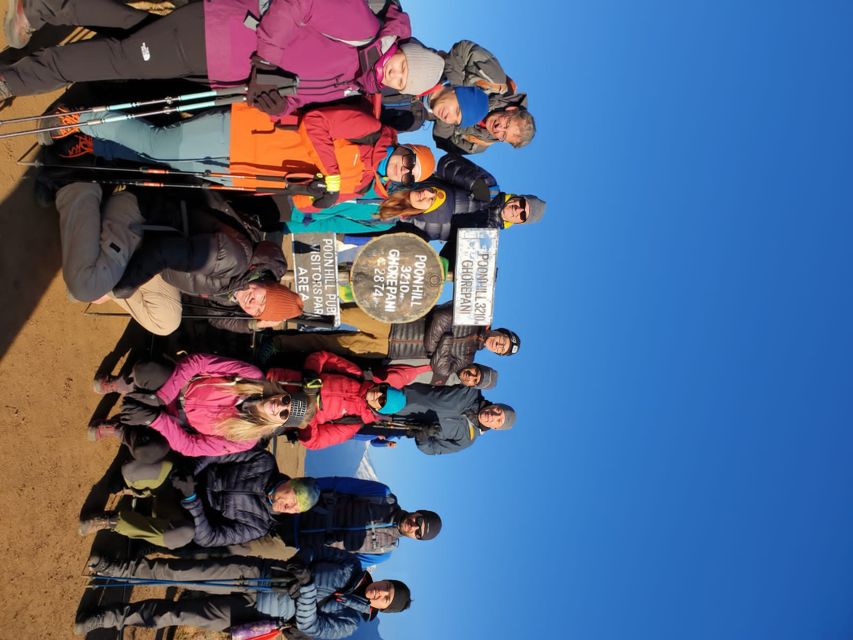
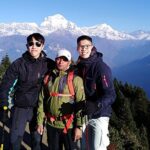
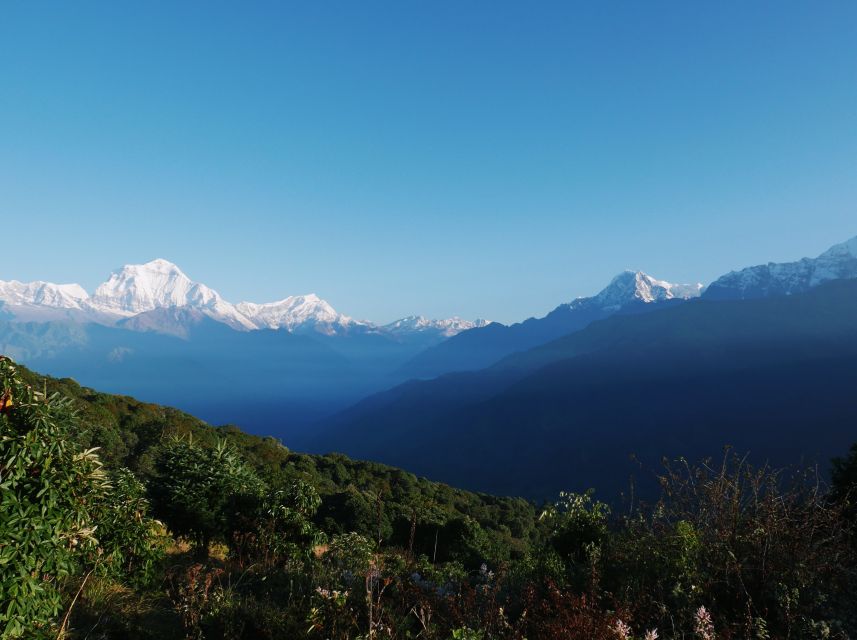
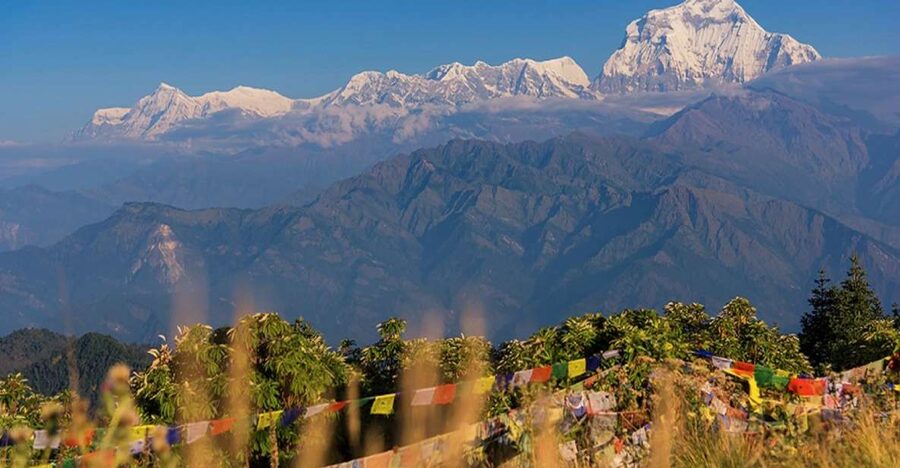
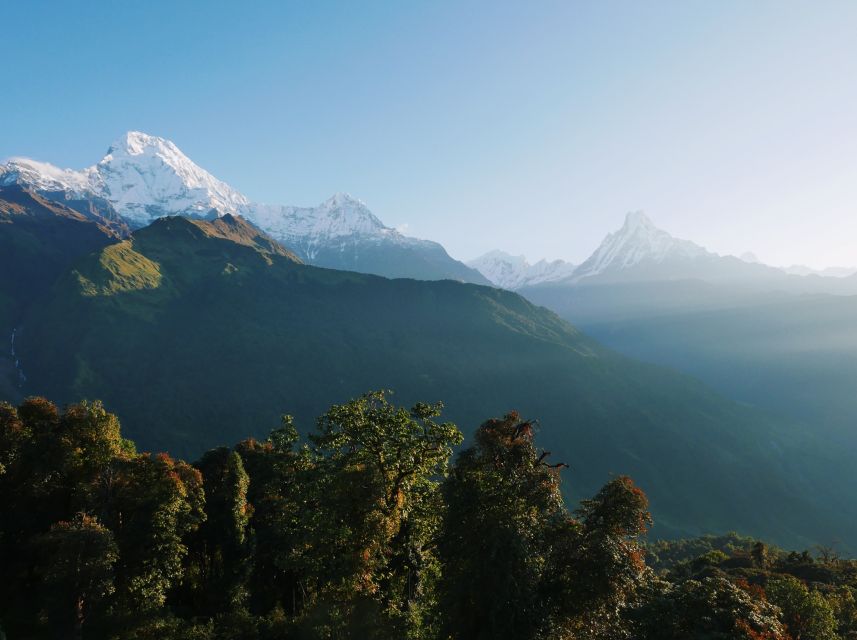
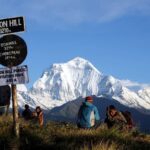
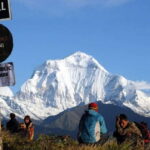
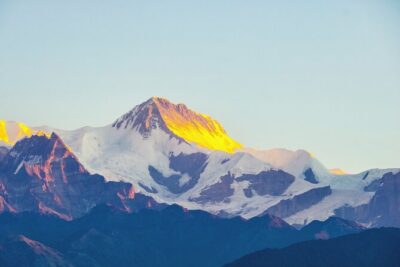
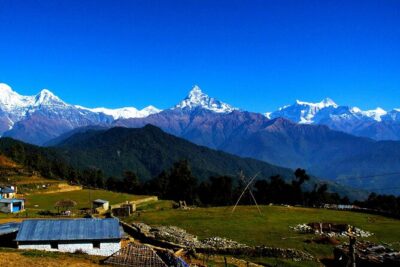
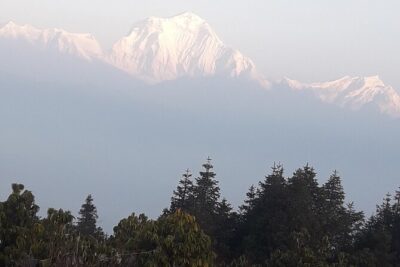
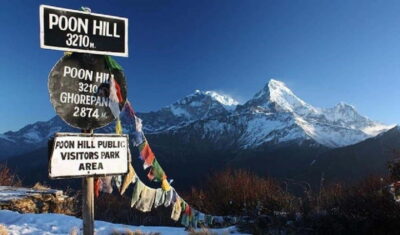
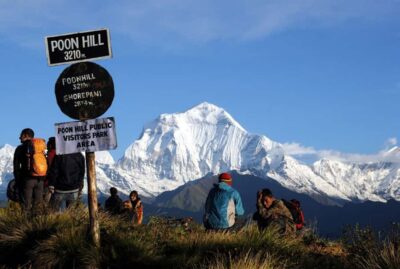
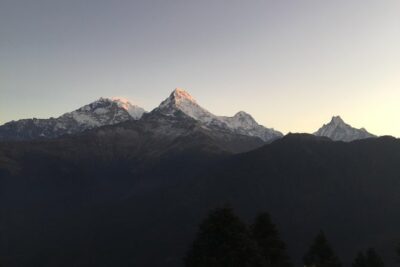
Day 3 starts early, because sunrise at Poon Hill is the headline. You climb up to Poon Hill and watch the light come over the Himalayas. With clear weather, you get sweeping views across the Annapurna range, and you can also see Dhawalagiri Mountain.
This is one of the most satisfying parts of the trek because it turns the previous two days of work into something visual and immediate. You climbed into position; now the mountain show is on.
After sunrise, you descend the same route back to Ulleri. The descent is steep, so it’s not “easy” just because you’re going down. Your knees and ankles still need respect.
Then the trail becomes a bit more interesting in a different way. You reach Hile, continue through jungle and forest sections, and follow scenery by the Modi River before you get to NayaPul by jeep. From NayaPul, you’re driven back to Lakeside Pokhara via the highway, ending the trek.
One important mental shift for Day 3
You’re not just finishing. You’re finishing while tired. Treat the descent carefully: short steps, steady footing, and no rushed footwork.
More treks and hikes across the Annapurna region.
Guides and Support: The Part That Changes Everything
This is one of those treks where the guide isn’t just paperwork and timing. It’s the day-to-day energy and problem-solving that makes it smooth.
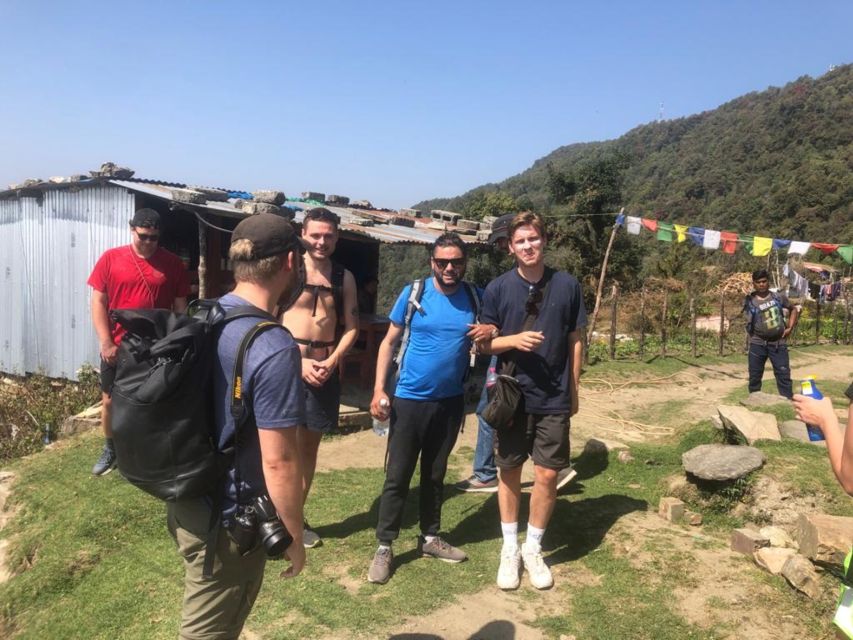
Different groups have had different guides, but the pattern in feedback is consistent: guides like Deepist/Deep, Keshab, and Kaji have been praised for being helpful on the trail, and for going beyond directions—explaining plants and trees you pass, answering questions, and keeping the mood light when the stairs hit.
If you’re traveling solo, that matters. People have said they felt safe and well taken care of, not just “delivered to a viewpoint.” And if you’re part of a group, a good guide helps you move at the right pace—so nobody gets left behind, and nobody feels pressured to power-walk past everyone.
Porter support also came up in feedback (for example, Rom has been mentioned). Even if you’re not planning to hire a porter yourself, it’s useful to know that the trip can include porter support depending on your setup. Lighter loads make a step-heavy day far more manageable.
Extra staff help: Ramesh, connected with Himalayan Nomad treks, has been described as meeting people before and after the trek and helping with equipment in a reasonable way. That’s practical support, not just a friendly face.
Tea Houses, Wi‑Fi, and Hot Showers: Comfort on a Stair Trek
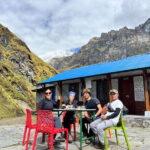
Tea-house treks can range from basic to surprisingly comfortable. In this case, past trekkers have reported that the tea houses were clean and comfortable, with WiFi and hot showers available.
That doesn’t mean you’ll get hotel-level everything—this is still a trek with mountain constraints. But for many people, having WiFi to send a message, and a hot shower to reset after the climb, changes how the trek feels at night.
Also, tea houses matter because they’re your recovery zone. You’ll eat, rest, charge what you can, and sleep. Day 2 ends high enough that rest quality affects Day 3.
My advice: bring your patience as part of your gear. Even with hot showers and WiFi, mountain weather and electricity can be inconsistent. Use the comfort as a bonus, not a guarantee.
Altitude and Effort: What Your Body Needs to Know
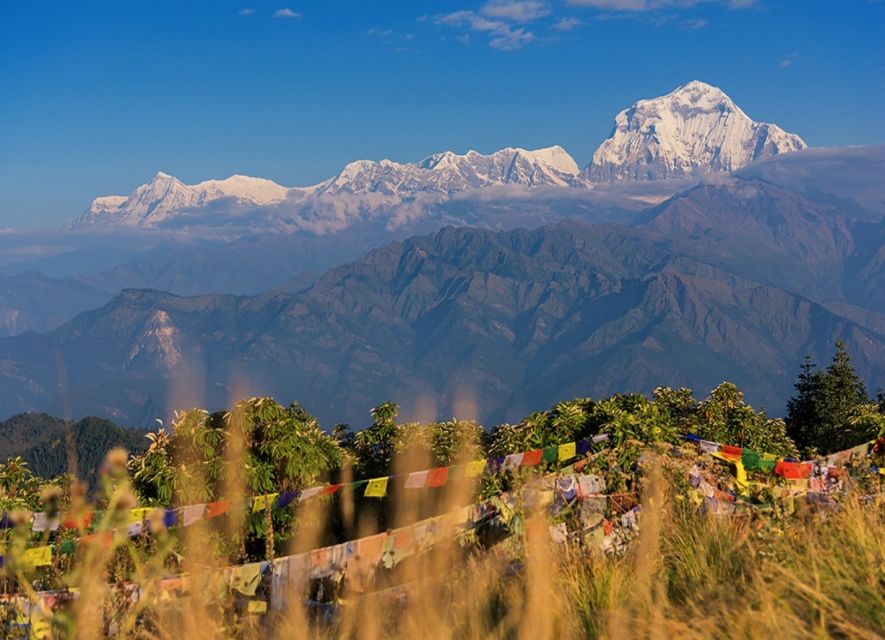
This trek targets mountain views from around 3210m, with sleeping altitudes around 1,570m (Tikhedhunga) and 2,840m (Ghorepani). That’s not extreme high altitude, but it is high enough that you should take it seriously.
The biggest physical challenge isn’t “oxygen drama.” It’s the stair work on the Ulleri climb. That repetitive uphill effort can make you feel breathless even if your lungs are fine.
A few smart moves:
- Start early and move steadily, especially on stair sections.
- Eat regularly, not only when you feel hungry.
- Dress for temperature swings. Early mornings near sunrise can be cold.
If you’ve done some hiking before and you can handle stairs, you’re in the right zone. If stairs are your weakness, you can still do this trek—but you’ll want a slower pace, more breaks, and less pride.
What to Pack (Without Overthinking)
You’ll have a tight 3-day window, so bring gear that makes sense for cold mornings, wet or muddy trail sections, and basic comfort at tea houses.
From the provided packing list, these items stand out as especially useful here:
- Jacket and long pants for morning chills and cooler high viewpoints
- Hat and sunglasses
- Sunscreen
- Sleeping bag (recommended for comfort)
- Flashlight for early sunrise timing and dark tea-house paths
- Daypack, water, and a simple first aid kit
- Trekking gear plus socks (your feet are your legs)
Other smart basics: bring cash for small purchases, and keep your phone power in mind since WiFi exists but you shouldn’t count on outlets everywhere.
Logistics You’ll Be Glad Are Taken Care Of
A short trek lives or dies based on how well the logistics are managed. Here, the trip includes:
- Hotel pickup and drop-off in Pokhara
- Trekking permits and paperwork (including TIMS fee(s))
- Accommodation during the trek, plus the last night in Pokhara at Hotel Orchid (one night)
- A farewell dinner in Lakeside Pokhara with Nepalese typical food
- Transportation support, including pickup timing guidance (wait about 10 minutes early in the hotel lobby)
They also list English-speaking guidance for the trek, and the guide languages include English, Hindi, and Nepali.
If you like your travel with fewer moving parts, this setup is a good fit.
Price and Value: Is $127 a Good Deal?
At $127 per person, this trek has solid value for the amount of planning and mountain logistics bundled in.
Here’s what you’re getting that would cost time (and often money) to arrange yourself:
- Permits and paperwork (including TIMS and the required trekking documents)
- A guide with insurance coverage included
- Tea-house accommodation during the trek
- Ground transport support: pickup/drop-off and the jeep back to NayaPul
- A proper stop in Pokhara at Hotel Orchid for the final night
- A farewell Nepalese dinner in Lakeside Pokhara
The main thing to verify before you commit is meal coverage. The details say all meals during the trek are included for Full Package only. So if you’re comparing options, make sure you’re not assuming lunch and dinner are included when they might not be for a non-full package.
Bottom line: if the package includes full meals and you want a guided, step-managed route with sunrise included, $127 is the kind of price that can feel fair rather than bargain-hunting.
Who Should Book This Trek (and Who Should Skip It)
This trek fits best if:
- You want a 3-day route to reach serious Himalayan viewpoints
- You can handle steep segments and stairs (especially the Ulleri day)
- You prefer being guided and having permits handled
- You like tea-house trekking, with the expectation of basic comfort (and likely WiFi/hot showers based on past stays)
It’s not suitable for pregnant women, as stated in the activity notes.
Also, if you’re traveling solo, you’ll likely appreciate the structure and safety support described in past experiences.
Should You Book This 3-Day Ghorepani and Poon Hill Trek?
I’d book this if you want a fast, real trekking taste of the Annapurna region with the kind of sunrise view that makes the stair day feel worth it. The route is short enough to fit into a tight Nepal schedule, but it’s not a “walk in the park.” It asks for effort, then pays you back with morning light across the mountains.
You might want to rethink or adjust expectations if you know stairs drain you quickly. This trek is step-forward, especially around Ulleri. If that’s your weakness, plan a slower pace, bring a good attitude for breaks, and don’t treat the descent lightly.
If you want an easy win in Nepal planning, this is a strong pick—especially with an included guide, permits, and end-to-end transport.
FAQ
How long is the Ghorepani and Poon Hill trek?
The trek lasts 3 days.
What is the highest altitude on this trek?
The tour highlights mountain views from about 3,210m above sea level, with Ghorepani at 2,840m and Tikhedhunga at about 1,570m.
Is pickup in Pokhara included?
Yes. Pickup and drop-off are included, and you should wait in the hotel lobby about 10 minutes before your scheduled pickup time.
Are trekking permits included?
Yes. Trekking permits, required paperwork, and the TIMS fee(s) are included.
Are meals included?
All meals (breakfast, lunch, and dinner) during the trek are included for the Full Package only.
Do I need a guide, and what languages do they speak?
Yes, an authorized English-speaking guide is included. The guide languages listed are English, Hindi, and Nepali.
What accommodation is provided during the trek?
Accommodation is provided in tea houses during the trek, and the last night in Pokhara is at Hotel Orchid for one night. Past experiences also mention comfortable tea houses.
Is this trek suitable for everyone?
No. It is not suitable for pregnant women.
If you tell me your hiking experience level and your travel month, I can help you set a realistic pace plan for the Ulleri stair day and sunrise timing.
More Treks in the Annapurnas
Also Reviewed Around Pokhara

More Poon Hill Sunrise Treks
Newer Pokhara reviews to browse before you decide
Poon Hill Sunrise Treks, compared.
 ★ 5.0Poon hill Trek 3 daysFrom $230176 reviews
 ★ 5.04-Day Ghorepani, Poonhill & Ghandruk Mountain TrekFrom $181132 reviews
 ★ 5.0Ghorepani – Poon Hill Trek 3N-4DFrom $321125 reviews
 ★ 4.93-Day Ghorepani Poon Hill Trek with GuideFrom $16268 reviews
 ★ 5.03-Day Ghorephani and Poon Hill Private TrekFrom $12658 reviews
 ★ 5.04-Day Private Poon Hill Trekking TourFrom $35958 reviews
 ★ 4.62-Day Ghorephani and Poon Hill Private TrekFrom $10450 reviews
 ★ 5.03-Day Poon Hill Trek from Pokhara.From $41045 reviews
Browse the lists this tour appears in