
Reviewed · AUSTRALIAN CAMP & DHAMPUS HIKES
From Pokhara: Australian Camp & Dhampus 1, or 2-Day Trek
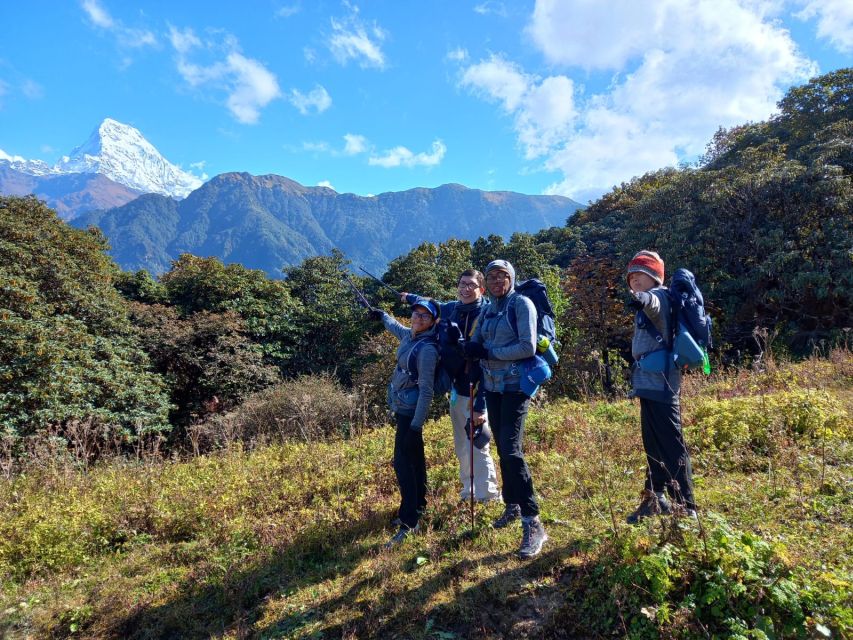
Big views in a short trek? This Australian Camp and Dhampus escape turns a day trip into a real mountain day, with 180° Annapurna views and Gurung village walking. I love how the effort stays moderate while the viewpoint feels seriously high-reward, and I love that you’re not just looking out—you’re walking through real hillside life. One heads-up: if clouds roll in, sunrise can be muted, so keep your expectations flexible.
You’ve got two ways to do it: a quick 1-day express with lunch at the camp, or a 2-day overnight that gives you the full sunset and early-morning sunrise moment from around 2,060 m. Either way, you’ll come back to Pokhara the same day or next, without turning this into a week-long project.
In This Review
- Why Australian Camp feels like a cheat code for Annapurna views
- 1 day or 2 days: choosing the version that matches your energy
- The 1-day express (quick escape, big views)
- The 2-day overnight (sunset and sunrise, slower pace)
- From Pokhara to the trailhead: what your morning drive sets up
- Climbing from Kande to Australian Camp (about 2 hours) without losing the view
- Dhampus Village: the cultural stop that makes this more than a viewpoint hike
- Pothana tea stop: the small break that resets your legs
- Sunset at Australian Camp: why the overnight option changes the whole feel
- Sunrise on day two: early wake-up, slow descent, big payoff
- Meals and the lodge basics: what’s included and what to expect on the ground
- Guide quality: how names like Mr Raju, Prakash, and Pratip shape the experience
- Gear, packing, and what you can borrow before you climb
- Difficulty level: moderate effort, high reward, and real weather tradeoffs
- Price and value: why this works even if you’re short on days
- Who should book the Dhampus and Australian Camp trek?
- Should you book it
- FAQ
- How long is the trek?
- Where do we start hiking?
- Will I see sunrise and sunset?
- What’s included in the tour?
- Is a porter included?
- What gear do I need to bring?
- Is alcohol allowed?
Why Australian Camp feels like a cheat code for Annapurna views
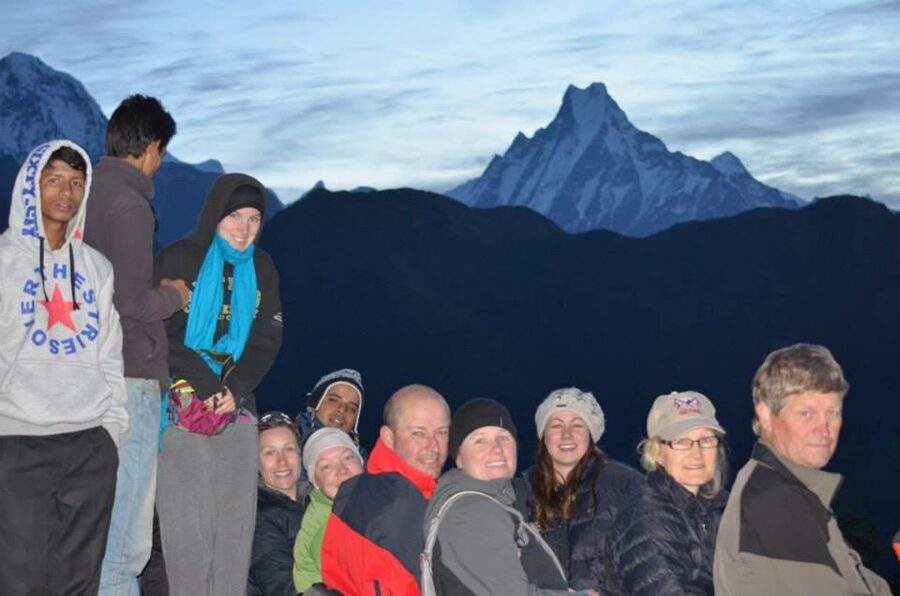
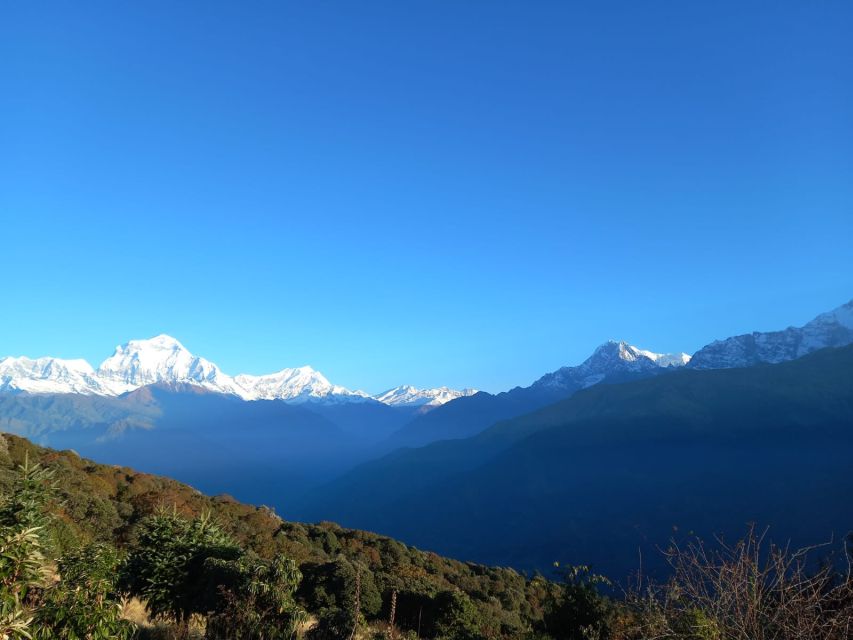
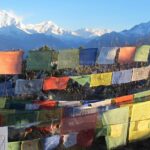
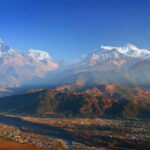
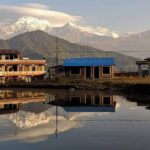
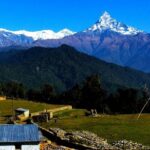
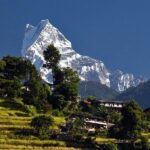
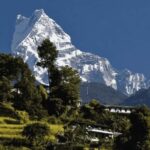
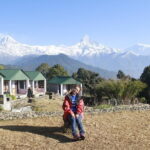
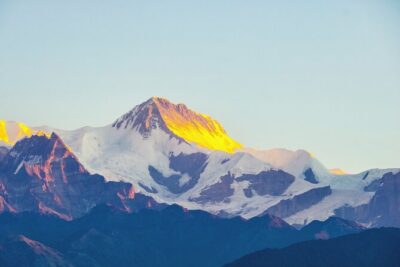
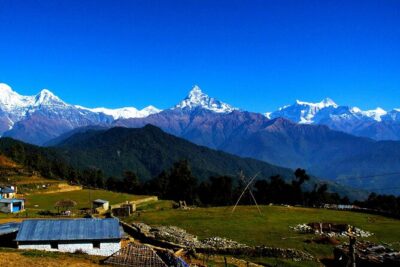
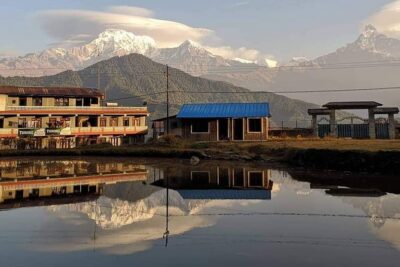
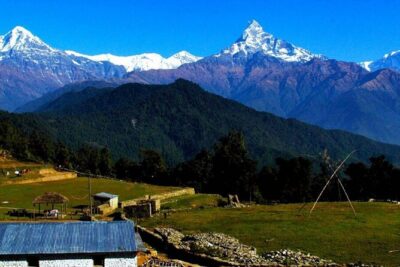
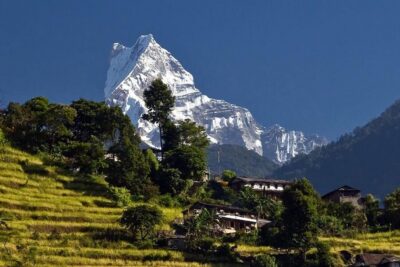
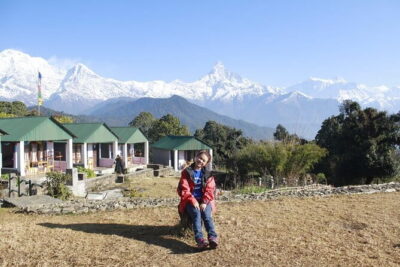
Australian Camp is the kind of place that makes you understand why people return to the Annapurna region. The hike is short enough that you can stay focused on enjoying the day, not just surviving the climb. And when you reach the camp area, the viewpoint opens up in a wide sweep—an easy-to-see grid of Annapurna South, Hiunchuli, and Machhapuchhre (Fishtail).
What I like most is that the viewpoint doesn’t require a technical skill set or a complicated schedule. You’re mainly dealing with steady uphill walking and then a descent through village terrain. In other words: this is a trek you can treat like a high-payoff outing, not a prolonged expedition.
Also, the whole area is built around hospitality. You’re eating and resting in mountain-leaning lodges/guest houses where the basics are exactly what they claim to be: simple, functional, and meant for trekkers.
Gentler hikes to Australian Camp and Dhampus, a few more picks.
- 2-Day Private Trekking Tour to Australian Camp & Dhampus★ 5.0 · 42 reviews
- 1-Day Private Dhampus Trekking Tour★ 5.0 · 35 reviews
- Pokhara: Easy Day Hike to Australian Camp & Dhampus Village★ 5.0 · 24 reviews
- Australian Base Camp Day Hike From Pokhara★ 4.8 · 19 reviews
1 day or 2 days: choosing the version that matches your energy
This trip is designed for people who want the Annapurna experience without spending a fortune on time off work. The difference between the options is mostly about atmosphere: do you want one chunk of mountain time, or do you want mountain time stretched across sunset plus sunrise?
The 1-day express (quick escape, big views)
The 1-day option is built around a tight schedule and a single daytime push to Australian Camp, then a descent back through Dhampus and down toward Phedi. It’s best if you’re traveling with limited days in Pokhara or you’re still testing your trekking stamina.
You’ll start with morning pickup in Pokhara (around 08:00), drive to Kande (about 08:15), begin the hike (around 09:00), and reach Australian Camp for lunch with the mountain views (around 11:30). From there, you head down to Dhampus Village (around 01:30), then continue downhill toward Phedi (around 03:30) for the return drive to Pokhara.
The 2-day overnight (sunset and sunrise, slower pace)
The 2-day version adds a lodge night at Australian Camp. You’ll drive to Phedi first (around 08:15), trek up via Dhampus Village, and arrive at Australian Camp (around 09:00 start time for the trek, with the idea that you reach camp in time for sunset). Then you sleep up high, wake early, watch sunrise, and slowly work your way down to Kande before driving back.
If sunrise is on your must-see list, the overnight option is the obvious choice. It also gives you something many short treks lack: time to actually sit, look, and take it in without racing every minute.
From Pokhara to the trailhead: what your morning drive sets up
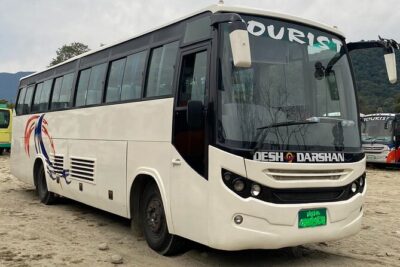
Both options start with a pickup in Pokhara and a private vehicle ride to the trek starting area. That part matters more than it sounds. You’re saving energy for the walking that counts, and you’re also getting a smoother timeline so you’re not scrambling for the right bus or sharing rides with strangers.
On the 1-day route you drive to Kande to start your uphill climb. On the 2-day route you drive to Phedi and start from there. Either way, the goal is the same: move you from city bustle into hillside quiet while you’re still fresh.
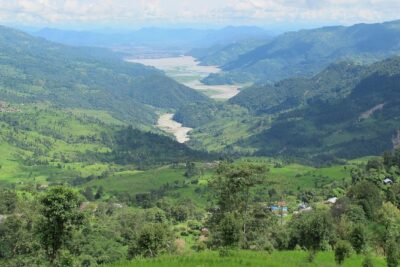
Once you start hiking, the terrain is mostly about steady effort. You’ll be walking through lush forest sections for the uphill portion, then shifting into more open viewpoints as you get higher.
More treks and hikes across the Annapurna region.
Climbing from Kande to Australian Camp (about 2 hours) without losing the view
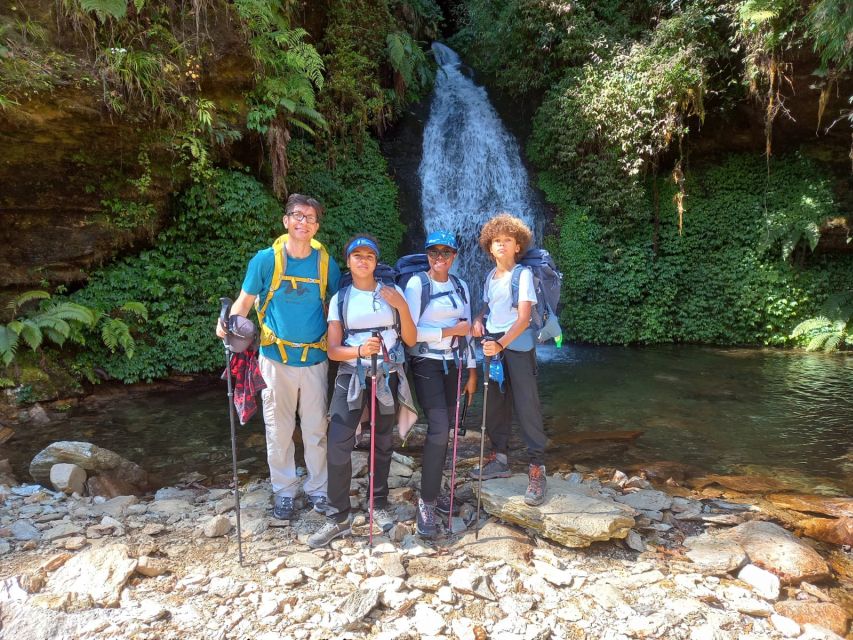
From Kande to Australian Camp, expect a moderate uphill section of roughly 2 hours. The trail is active—there’s work in every step—but it isn’t the kind of steep grind that drains you before you even reach the main reward.
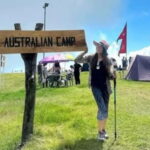
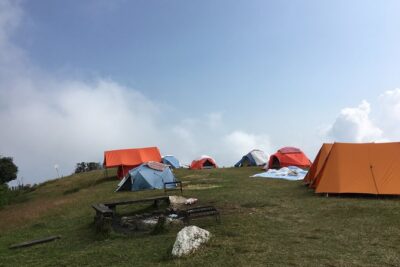
As you climb, your surroundings change. Forest cover gives you shade and a cooler feel. Then as you approach the camp zone around 2,060 m, the setting opens into a broad grassy plateau. That’s where the views become the main event.
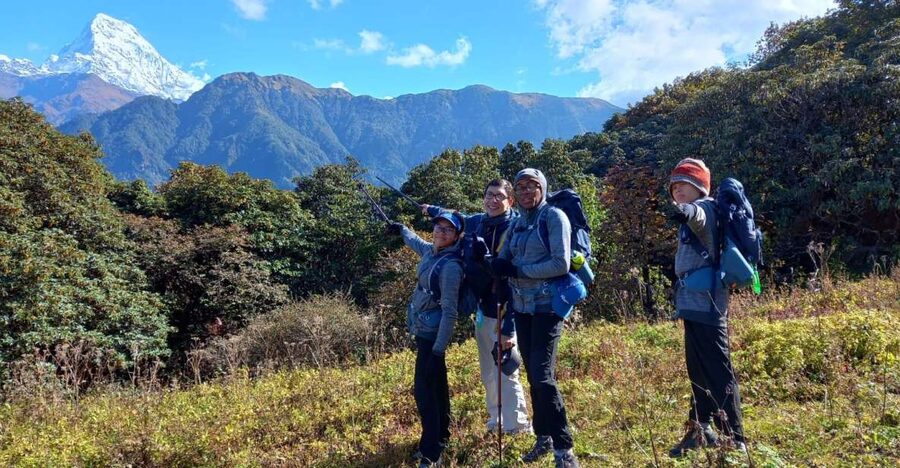
When you reach Australian Camp, plan for an unhurried pause. The viewpoint angles here are famous for good reason. You’ll be able to visually track multiple peaks at once, including Fishtail (Machhapuchhre), and you’ll likely feel like the mountains are unusually close.
If you’re worried about fitness, remember this trek is specifically sold as moderate. One of the strongest signals from the experience is that beginners can handle it when pacing is reasonable and your guide keeps things organized.
Dhampus Village: the cultural stop that makes this more than a viewpoint hike
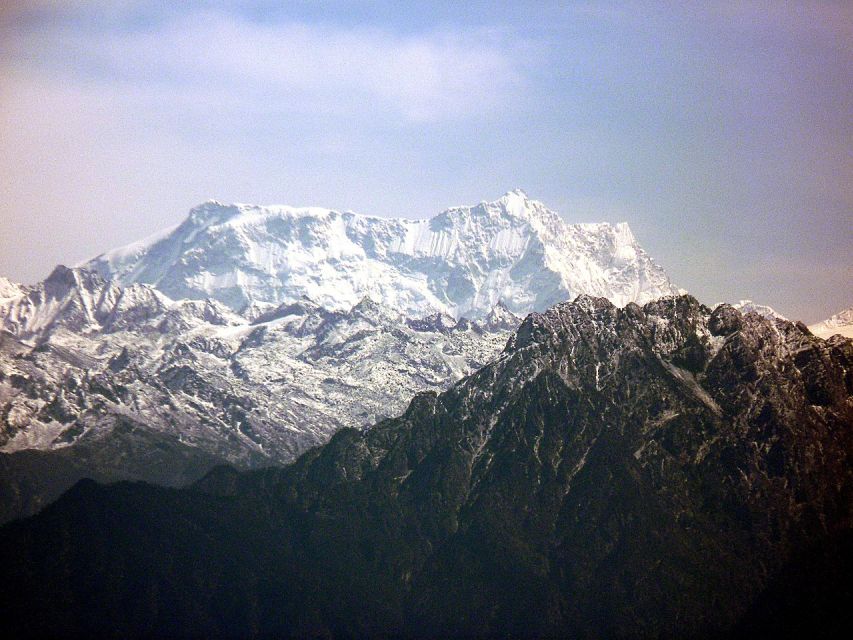
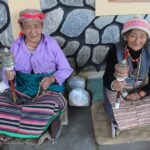
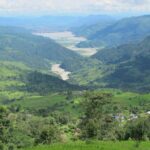
Australian Camp is the headline, but Dhampus Village is what makes the story human. As you descend, you pass through a traditional Gurung settlement with terraced fields and houses with slate roofs. You’re not just moving downhill—you’re walking through a place where farming and daily life still set the rhythm.
On the 1-day express, the schedule brings you to Dhampus Village in the early afternoon (about 01:30). On the 2-day trek, Dhampus becomes part of your uphill route and a place you’ll notice more slowly.
This matters because the trek isn’t only about grabbing photos and leaving. You get a chance to see how people live up on the hills—how homes are arranged, how paths connect fields, and how the pace changes compared with Pokhara.
And if you’re the type who likes questions, bring them. The guides on this kind of route tend to be a big reason the walk feels meaningful. In past experiences with this trek, guides named Mr Raju, Prakash, and Pratip have been praised for service and local knowledge, and for keeping the experience motivating even if you don’t start out feeling super confident.
Pothana tea stop: the small break that resets your legs
On the 1-day express option, there’s a warm break at Pothana Village with Himalayan tea. It’s the kind of pause that makes sense mid-trek: you’ve put in the climb, you’re about to continue the descent, and a hot drink helps you reset.
This isn’t a luxury stop. It’s a practical rhythm: walk, arrive, fuel, then continue. If you’ve done longer hikes before, you’ll recognize the value of these short recovery moments.
Sunset at Australian Camp: why the overnight option changes the whole feel
Even if you choose only one day, you’ll see mountain drama from the Australian Camp area. But sunset hits differently when you’re staying overnight.
In the 2-day plan, you reach camp in time for sunset over the Annapurna range. That means you can watch the light change without worrying about getting back to Pokhara at a fixed hour. You can also take your time with photos because the day isn’t a stopwatch.
One note from real-world experience: sunrise can be cloudy depending on weather. If you can’t see it clearly, you’ll still have scenery and the payoff of having spent the night up high. The overnight option gives you extra chances for the mountains to show off.
Sunrise on day two: early wake-up, slow descent, big payoff
Day two starts with an early wake-up to catch sunrise. If visibility is good, this is the moment where the Annapurna peaks often look most dramatic and sharp.
Then the descent begins. The schedule has you hiking down toward Kande and taking in the mountains one last time before heading back to Pokhara. The descent is part of why this trek works for many people: you get the view reward first, then you walk down with your legs feeling more relaxed than on a brutal uphill.
Meals and the lodge basics: what’s included and what to expect on the ground
This trek includes full board meals, but the exact pattern changes by option.
- For the 1-day express, you get one lunch.
- For the 2-day overnight, you get breakfast, two lunches, and dinner.
Accommodation for the 2-day option is a guest house stay with a private bathroom. The overall vibe is simple and functional. In real feedback, the food has often been described as above expectations for a mountain area, and guides have been credited with making the experience feel comfortable and organized.
Still, plan like a trekker: you’re in a rural mountain setting. One piece of practical advice from past participants is to expect that room supplies can be basic—so don’t count on having everything you’d get at a hotel. Keep small essentials in your day bag.
Guide quality: how names like Mr Raju, Prakash, and Pratip shape the experience
On a short trek, a guide can be the difference between feeling like you rushed through it and feeling like you actually got something out of the day. This is one reason the experience gets strong ratings: guides are described as friendly, careful, and knowledgeable, with a knack for motivating people who start a little low on energy.
In particular, guides including Mr Raju, Prakash, and Pratip have been called out for service and for taking care of trekkers—sometimes including help with photos and answering questions along the way. If you like learning what you’re seeing (mountain names, village life, trail stories), this is the kind of trek where your guide makes the walking richer.
Also, the trip runs with a live English-speaking guide and a private group setup, so you’re less likely to feel stuck waiting for other people’s pace.
Gear, packing, and what you can borrow before you climb
One smart value point here is that the trek includes borrowing key gear. You can request a down jacket, trekking poles, and a sleeping bag. That’s especially helpful if you’re traveling light or don’t want to buy cold-weather gear just for a short overnight.
You’ll still want to bring the essentials:
- Hiking shoes
- Camera
- Passport
You also should plan for luggage rules. Oversize luggage isn’t allowed, so think compact. For the overnight option, you’ll want just what you need for a short stay.
Finally, alcohol and drugs are not allowed, so keep the vibe focused and safe.
Difficulty level: moderate effort, high reward, and real weather tradeoffs
This is a moderate trek. The uphill section is the work part, and the reward comes from the viewpoint at around 2,060 m plus the mountain panoramas around you.
Your main “difficulty” variable won’t be technical terrain—it’ll be how your body handles steady walking and how weather affects visibility. That’s why choosing 2 days can help even if sunrise is tricky. You get more time on the mountain, more chance for clear views, and less pressure to hit one perfect moment.
Bring a camera and expect changing conditions. Even in good seasons, mornings can be cooler and evenings can shift fast, especially when you’re sleeping at higher altitude.
Price and value: why this works even if you’re short on days
No price is listed here, so I’ll focus on value. This trek is built around getting a major Annapurna viewpoint experience without the time commitment of longer routes. You’re also covered for several key costs in the included list: permits/paperwork, government taxes and service charges, guide time, and private vehicle transfers.
That means your money goes toward the parts that usually add up on trek trips—organization and compliance—rather than just moving you around informally. The included gear-optional borrowing also helps if you’re not bringing trekking poles or a warm sleeping layer.
If you want the Annapurna views, Gurung village walking, and a real sunrise/sunset shot opportunity, this format is a strong match for time-crunched travelers.
Who should book the Dhampus and Australian Camp trek?
This is a good fit for:
- First-time trekkers who want a real mountain day without a huge challenge
- People who care about village culture, not just photos
- Families (the experience has been done with children as young as 8 and 12)
- Photographers who want wide views from a manageable hike
- Anyone staying in Pokhara who wants a short break from the city
If you already know you need a major altitude push, long backcountry time, or a multi-pass route, this probably won’t satisfy that itch. But if you want a meaningful Himalayan experience in 1–2 days, it’s built for you.
Should you book it
I’d book the 1-day express if you want the Australian Camp viewpoint, a taste of Dhampus life, and you’re optimizing for time. I’d book the 2-day overnight if sunrise and sunset are part of your dream, because the overnight stay turns the mountain into an experience, not just a photo stop.
If clouds worry you, the best move is the 2-day option anyway. Even when sunrise visibility doesn’t cooperate, you still get the core thing this trek delivers: a short, organized climb to a high-reward panoramic viewpoint and a walk through authentic hillside settlements.
FAQ
How long is the trek?
You can choose either a 1-day express option (about 7 hours) or a 2-day overnight option (1–2 days total).
Where do we start hiking?
For the 1-day option, the hike starts from Kande. For the 2-day option, the hike starts from Phedi.
Will I see sunrise and sunset?
The 2-day option includes both sunset and an early-morning sunrise attempt from Australian Camp. The 1-day express focuses on daytime views and lunch at the camp.
What’s included in the tour?
The package includes hotel pickup and drop-off, private vehicle transfers, a trekking guide, permits/paperwork, government tax and service charges, trekking meals (1 lunch for the 1-day option; full board meals for the 2-day option), and water purification tablets as required.
Is a porter included?
A porter is not included, but it can be added as an add-on option.
What gear do I need to bring?
Bring hiking shoes and a camera, plus your passport. Oversize luggage is not allowed.
Is alcohol allowed?
No. Alcohol and drugs are not allowed on this experience.
More Treks in the Annapurnas
Also Reviewed Around Pokhara

Easy Hikes: Australian Camp and Dhampus
Newer Pokhara reviews to browse before you decide
Australian Camp & Dhampus Hikes, compared.
 ★ 5.02-Day Private Trekking Tour to Australian Camp & DhampusFrom $9942 reviews
 ★ 5.01-Day Private Dhampus Trekking TourFrom $6735 reviews
 ★ 5.0Easy Day Hike to Australian Camp & Dhampus VillageFrom $5824 reviews
 ★ 4.8Australian Base Camp Day Hike From PokharaFrom $3919 reviews
 ★ 4.9Guided Day Hike From Dampus To Australian Base CampFrom $5516 reviews
 ★ 5.0Easy Day Hiking to Australian Camp from PokharaFrom $10014 reviews
 ★ 5.0Australian Camp and Dhampus easy hikingFrom $5112 reviews
 ★ 4.91 N 2 Days easy Dhampus,Australian camp trek from PokharaFrom $8610 reviews
Browse the lists this tour appears in