
Reviewed · POON HILL SUNRISE TREKS
From Pokhara: 4-Day Annapurna and Poon Hill Himalayan Trek
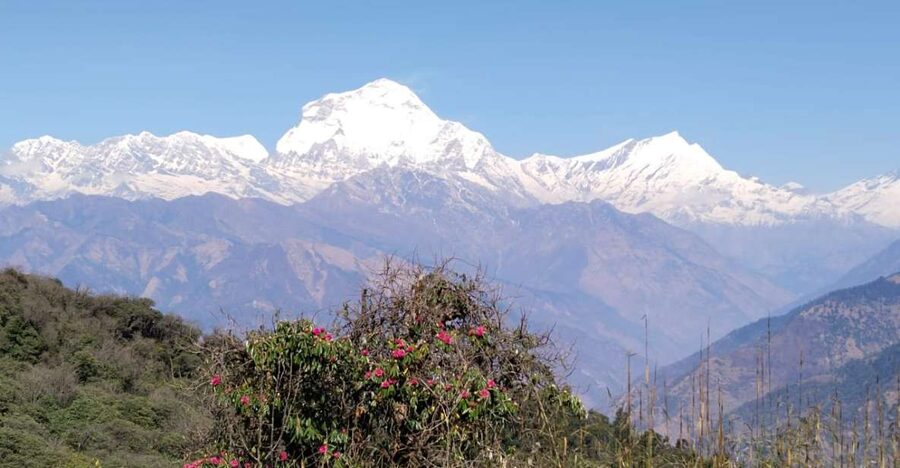
Sunrise on Poon Hill is worth the early wake-up. This 4-day trek takes you through the Annapurna Valley—from Ghorepani and Tadapani up to the full Annapurna Range view—then finishes with a soak in Jhinu’s hot springs.
I love the mix of scenery: lower Himalayan forest trails that feel wild and quiet, plus the classic viewpoint payoff at Poon Hill. I also love that the itinerary adds a real recovery moment—Jhinu hot springs—after hiking days.
One drawback to plan for: routes can shift when weather or land impacts happen, so the exact timing of certain segments may change. In one past case, a landslide forced a later start point and knocked an item off the plan, even though the sunrise goal still happened.
In This Review
- Key highlights at a glance
- Why this 4-day Annapurna and Poon Hill trek feels like a smart taste of the Himalayas
- Day 1: Pokhara to Ulleri, then the climb to Ghorepani (about 5 hours walking)
- Day 2: Sunrise at Poon Hill, breakfast in Ghorepani, then the trek to Tadapani (about 6 hours)
- Day 3: From Tadapani to Jhinu hot springs, then onward to Ghandruk (about 6–7 hours)
- Day 4: Down to Nayapul, then back to Pokhara
- Price and what your $287 per person covers (and what it doesn’t)
- Guides, weather, and how to handle itinerary shifts without panic
- Tea house nights in Ghorepani, Tadapani, and Ghandruk: simple, practical, and part of the deal
- What to pack for cold mornings, hot springs, and day-to-day trail comfort
- Who this trek is best for (and who should skip it)
- Should you book this Annapurna and Poon Hill trek?
- FAQ
- Where does this trek start and end?
- How long is the trek?
- What is the main highlight on the second day?
- What are the overnight stops?
- Is Jhinu hot springs included?
- What’s included in the price?
- What is not included?
- What language is the guide?
- What do I need to provide for permits?
- Who should not book this trek?
Key highlights at a glance
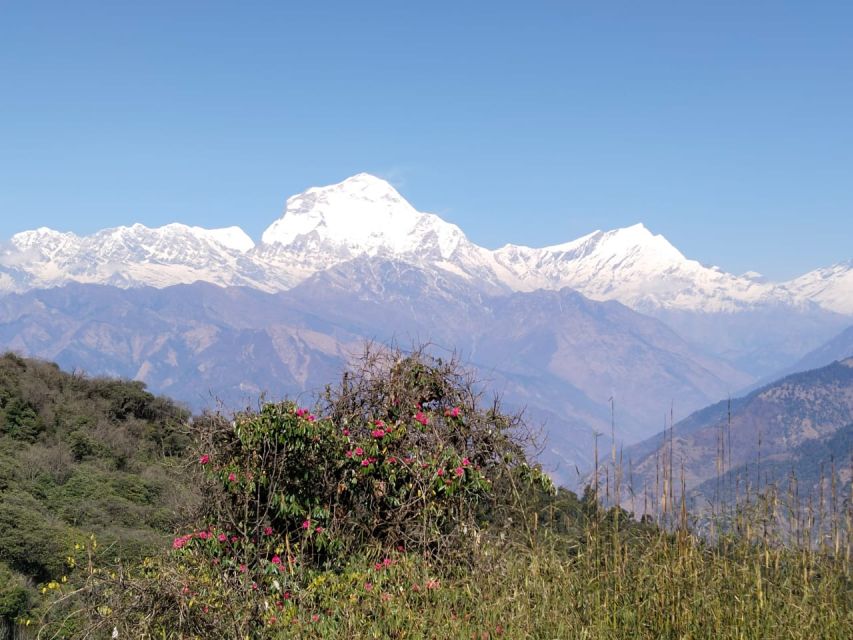
- Poon Hill sunrise view with broad Annapurna Range panoramas
- Forest hiking through the lower Himalayan belt toward Ghorepani and beyond
- Jhinu hot springs bath in naturally warmed water after trekking
- Ghandruk Gurung village with traditional home styles and mountain-life perspective
- Tea house nights in Ghorepani, Tadapani, and Ghandruk for simple trail comfort
More Poon Hill and Ghorepani routes, weighed by nights and effort.
- Poon hill Trek 3 days★ 5.0 · 176 reviews
- Pokhara: 4-Day Ghorepani, Poonhill & Ghandruk Mountain Trek★ 5.0 · 132 reviews
- Ghorepani – Poon Hill Trek 3N-4D★ 5.0 · 125 reviews
- From Pokhara: 3-Day Ghorepani Poon Hill Trek with Guide★ 4.9 · 68 reviews
Why this 4-day Annapurna and Poon Hill trek feels like a smart taste of the Himalayas
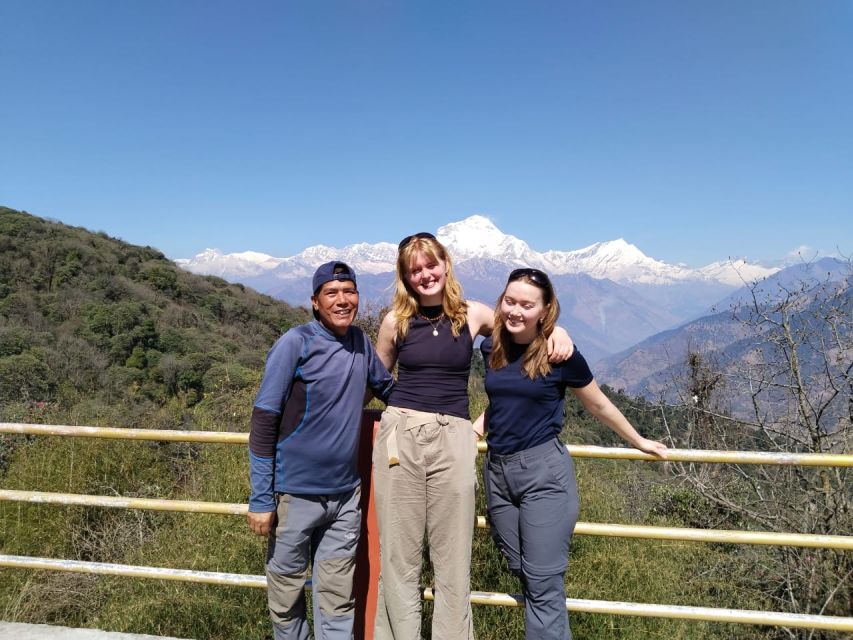
This trek is short enough to fit a tight schedule, but it doesn’t feel like a drive-by. You get multiple “moods” of the Annapurna region in just four days: the shaded work of uphill walking, the open-air drama of viewpoints, and then a reset in hot water at the end of a long day.
What makes it especially appealing is how the days are paced around the two big anchors. First is the sunrise at Poon Hill, which is why people wake up while the world is still dark. Second is the Jhinu hot spring stop, which turns day three into more than just mileage. If you want Annapurna without committing to a longer high-altitude trek, this is built for that.
Day 1: Pokhara to Ulleri, then the climb to Ghorepani (about 5 hours walking)
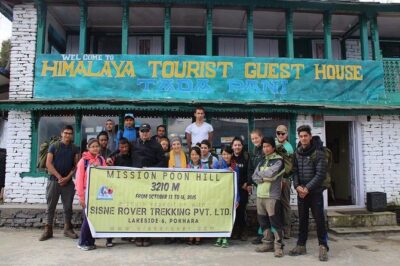
Your guide meets you early and you drive from Pokhara toward Ulleri. After breakfast, you’ll start hiking uphill to reach Ghorepani, where you sleep in a tea house.
This day is about getting your legs ready. You’re not racing to a single viewpoint; you’re building rhythm. Trails here tend to feel like a slow conversation with the mountains—step, breathe, glance up, then settle into the forest shade.
What I like about starting this way: Ghorepani is a good “trek base” for the next morning because you’re already high enough to make an early push for sunrise realistic. Tea houses also mean you can manage your energy: you can rest, eat, and prep without needing complicated logistics.
What to watch for: the road-to-trail transition can vary with conditions. Even though the walking time is listed as about 5 hours, plan for the overall day to feel longer because of the drive and the need to pause for water and snacks.
Day 2: Sunrise at Poon Hill, breakfast in Ghorepani, then the trek to Tadapani (about 6 hours)
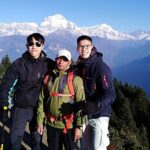
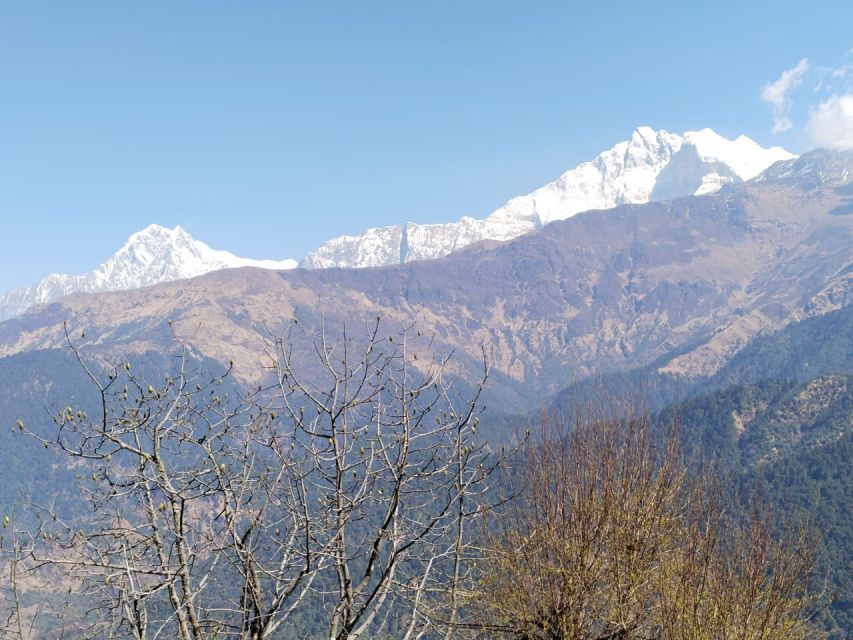
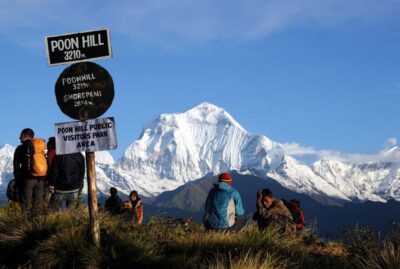
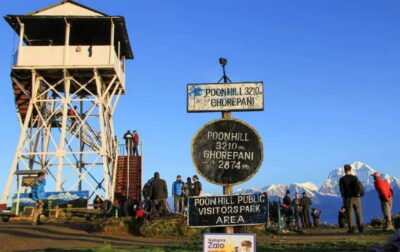
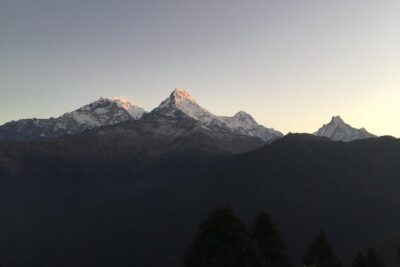
Day two starts before sunrise with the hike to Poon Hill for the view. It’s listed as about an hour to the top, which is short—but it’s still uphill, and it’s still cold in the early morning air. Once you reach the viewpoint, you’re looking for that classic moment when the clouds thin and the peaks light up.
After the sunrise, you hike back down toward Ghorepani. You’ll have breakfast, then continue on to Tadapani, arriving for overnight.
Why this day is the heart of the trek: Poon Hill is one of those places where the effort feels “earned.” It’s not just pretty scenery; it’s a clear orientation to the Annapurna massif and the scale of everything around you. Seeing the Annapurna Range from this vantage helps the rest of the trip make sense.
A practical caution: weather can control your view more than you expect. One guide experience shared with me mentioned that a guide could have watched weather forecasts more closely instead of relying on luck. You can’t control clouds, but you can control whether you’re making smart calls about timing and expectations. Ask your guide what the weather is doing that morning and how it might shift.
Day 3: From Tadapani to Jhinu hot springs, then onward to Ghandruk (about 6–7 hours)
Today is the day you earn your soak. You trek toward Jhinu for the hot springs bath. The water is considered therapeutic, and the main idea here is recovery: warm water after cold mornings and steep steps.
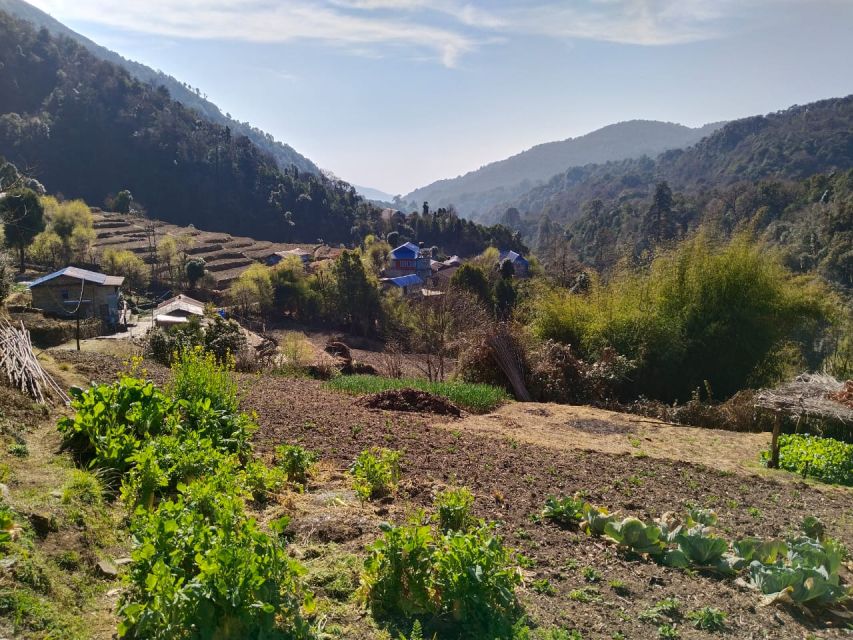
After a short stay, you continue on to Ghandruk, a Gurung village known for traditional village architecture and for showing how the Gurungs adapted to life in the mountains.
This is where the trek becomes more than hiking. The route gives you a window into mountain settlement: homes built to meet the climate, paths used for daily movement, and a village layout shaped by terrain rather than convenience. Even if you don’t go deep into formal history on the trail, you’ll feel the logic of mountain living as you walk through the community area.
What to know about the hot springs stop: it’s described as a chance to bathe in healing water, not as a long spa session. Plan to treat it like a reset—bring a towel/quick-change basics if you have them, and keep your timing tight so you don’t start the next hiking segment tired or chilled.
More treks and hikes across the Annapurna region.
Day 4: Down to Nayapul, then back to Pokhara
The final day is the descent to Nayapul, followed by a drive back to Pokhara where you’re dropped off at your hotel.
Day four is usually a mix of relief and “legs still feel it.” Expect downhill walking to put stress on different parts of your body than uphill. If you want this day to feel easier, take it slow and steady and save your big energy for the last stretch to the vehicle.
Once you’re back in Pokhara, the trek becomes a memory with clear edges: the sunrise moment, the warm springs, and the village stop that turned the route from scenery into real people and real place.
Price and what your $287 per person covers (and what it doesn’t)
At $287 per person for a 4-day trek, this is not a “cheap thrill,” but it also isn’t priced like a luxury expedition. The value is in the essentials you don’t want to juggle yourself:
- Hotel pickup and drop-off in a private car/jeep
- All necessary permits
- Accommodation in tea houses or guest house
- Licensed English-speaking guide
- Guide expenses
What’s not included is food and drinks (you buy along the trail). That’s normal for this style of trekking, and it’s actually one reason you’ll find the trek feels flexible—tea houses are part of the routine.
Where the price makes sense for you: if you’d rather focus on walking, views, and a guided route than dealing with permits, planning, and day-to-day decisions. With a guide, you’re paying for smoother flow and for local knowledge—especially useful when conditions change.
Where you might feel it: if you were hoping the price included full meals. Budget for food daily, plus hot drinks and snacks that keep you comfortable.
Guides, weather, and how to handle itinerary shifts without panic
The itinerary is clearly structured, but trekking in Nepal isn’t run like a spreadsheet. One experience shared described quick communication with the provider, yet an adjustment was made due to a landslide, which changed the starting point and removed an item from the plan. The big takeaway for you isn’t blame—it’s awareness.
Here’s how to protect your trip even when plans shift:
- Ask your guide for a plain forecast check the night before key walking segments.
- Confirm what will happen if roads or trail sections are blocked.
- If your main goal is sunrise at Poon Hill, make sure you’re aligned with the timing early and that you know what time the hike starts.
You’ll also benefit from a guide who keeps the trip comfortable on the ground. Two guide names came up in shared feedback: Muku (noted as good) and Gobinda (noted as kind and helpful). That fits the overall role of a licensed guide here: keep you moving, keep you safe, help you make sense of the terrain, and handle the small problems that always come up on the trail.
Tea house nights in Ghorepani, Tadapani, and Ghandruk: simple, practical, and part of the deal
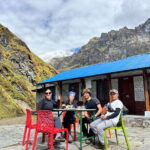
You’ll spend the nights in tea houses or a guest house, with overnight stops in Ghorepani, Tadapani, and Ghandruk.
This is a key part of the trek’s value because it turns overnight logistics into a non-issue. You’re not carrying tents. You’re not searching for beds at the last minute. You’re stepping into a trail rhythm where dinner, hot drinks, and a place to sleep are part of the pattern.
The trade-off: tea house comfort is “functional,” not hotel-grade. Plan to dress for cooler temperatures, and remember that mountain nights can feel colder than you expect, especially if you’re returning from a long day of hiking.
What to pack for cold mornings, hot springs, and day-to-day trail comfort
The tour info is clear on paperwork and a basic day plan, so pack with the trek’s rhythm in mind.
You’ll need:
- Passport (a copy is accepted)
- Passport details must be provided at least 24 hours before the tour so permits can be prepared
For trekking comfort (not explicitly listed, but you’ll be glad you thought about it), consider packing for:
- Cold early mornings (sunrise hike on day two)
- Layering for changing temperatures between forest shade and open viewpoints
- Hot springs basics (a towel and a change of clothes help, even if the stop is short)
- Snacks and water management for walking days (food isn’t included)
Who this trek is best for (and who should skip it)
This route is listed as not suitable for pregnant women and for people with mobility impairments. That fits with the reality of the walking days: you’re looking at 5 hours, then 6 hours, then 6–7 hours of trekking with uphill and downhill terrain.
Best fit:
- You want a classic Annapurna intro without committing to a longer trek
- You care about a specific sunrise viewpoint and want it built into the schedule
- You like the idea of pairing hard hiking with a reset stop in Jhinu hot springs
- You enjoy village atmosphere as part of the journey, not just endpoints
If you’re looking for a fully relaxed day with minimal walking, this probably won’t match what you want.
Should you book this Annapurna and Poon Hill trek?
I’d say book it if your top priority is a short Annapurna experience with two real moments: sunrise at Poon Hill and the Jhinu hot springs bath. The route hits the right variety—forest walking, viewpoint payoff, village culture, and a practical guided structure—while keeping the whole thing to 4 days.
I’d think twice if you’re very sensitive to schedule changes. Trek routes can shift because of landslides or weather, and one past experience showed how that can impact the itinerary. If that’s a concern, go in with a flexible mindset and stay engaged with your guide about conditions.
If you like the idea and the timing works, this is a strong way to see the Annapurnas without spending weeks doing it.
FAQ
Where does this trek start and end?
It starts in Pokhara with hotel pickup, then you drive toward Ulleri on day one. The trek ends on day four with a drive from Nayapul back to Pokhara and drop-off at your hotel.
How long is the trek?
The trek duration is 4 days.
What is the main highlight on the second day?
You’ll hike to Poon Hill early in the morning for a sunrise view, with a full panorama of the Annapurna Range from the top.
What are the overnight stops?
You’ll spend nights in tea houses or a guest house in Ghorepani, Tadapani, and Ghandruk.
Is Jhinu hot springs included?
Yes. On day three, you’ll head to Jhinu for a hot spring bath, and the water is considered therapeutic.
What’s included in the price?
Included are hotel pickup and drop-off in a private car/jeep, permits, accommodation in tea houses or a guest house, a licensed English-speaking guide, and guide expenses.
What is not included?
Food and drinks are not included. You can purchase them along the way.
What language is the guide?
The guide is English-speaking.
What do I need to provide for permits?
You need to provide passport details at least 24 hours before the tour so permits can be prepared. A passport copy is accepted.
Who should not book this trek?
It’s listed as not suitable for pregnant women and for people with mobility impairments.
More Treks in the Annapurnas
Also Reviewed Around Pokhara

More Poon Hill Sunrise Treks
Newer Pokhara reviews to browse before you decide
Poon Hill Sunrise Treks, compared.
 ★ 5.0Poon hill Trek 3 daysFrom $230176 reviews
 ★ 5.04-Day Ghorepani, Poonhill & Ghandruk Mountain TrekFrom $181132 reviews
 ★ 5.0Ghorepani – Poon Hill Trek 3N-4DFrom $321125 reviews
 ★ 4.93-Day Ghorepani Poon Hill Trek with GuideFrom $16268 reviews
 ★ 5.03-Day Ghorephani and Poon Hill Private TrekFrom $12658 reviews
 ★ 5.04-Day Private Poon Hill Trekking TourFrom $35958 reviews
 ★ 4.62-Day Ghorephani and Poon Hill Private TrekFrom $10450 reviews
 ★ 5.03-Day Poon Hill Trek from Pokhara.From $41045 reviews
Browse the lists this tour appears in