
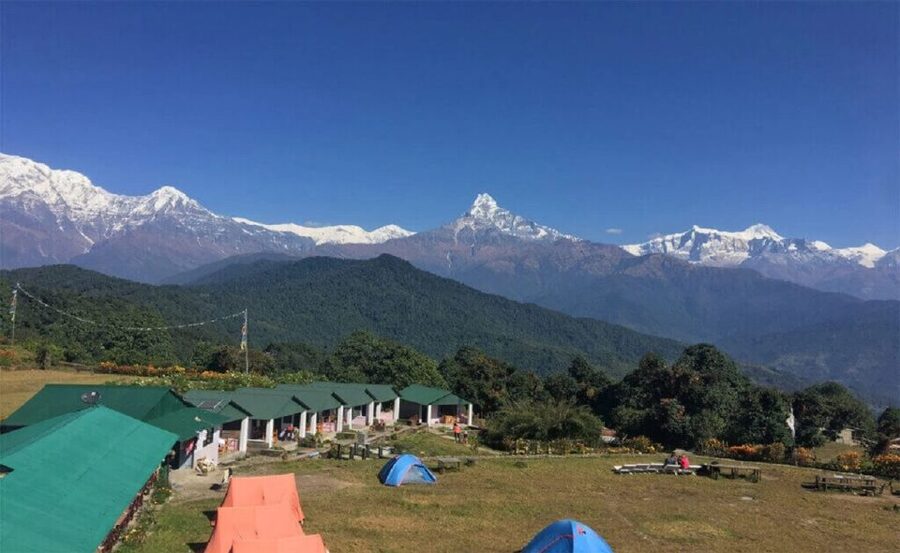
Reviewed · AUSTRALIAN CAMP & DHAMPUS HIKES
Australian Base Camp Hike For Sunrise over the Himalayas
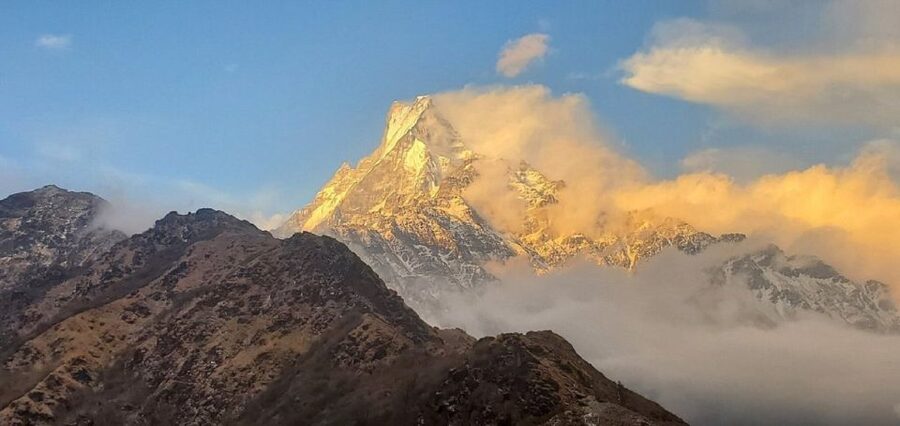
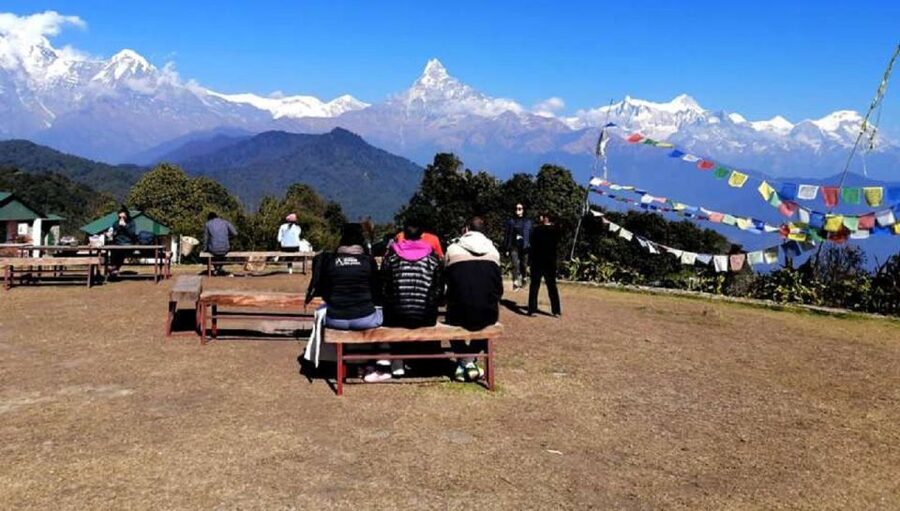
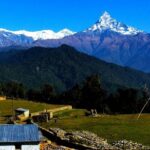
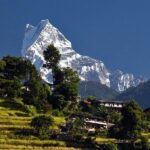
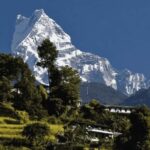
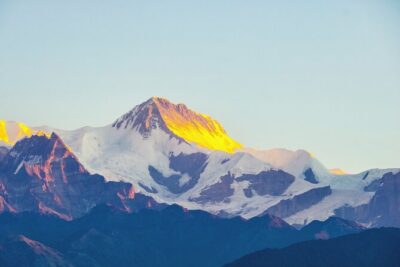
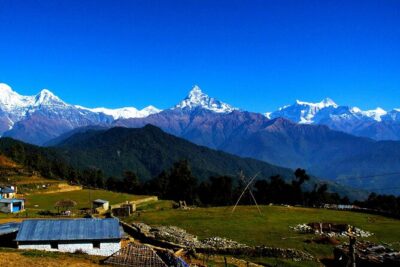
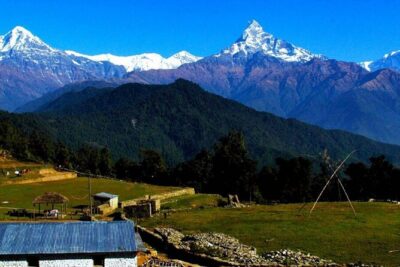
Sunrise here feels like you’re standing on clouds. The early climb to Australian Camp sets you up for a fog-busting, 360° Annapurna range show over Pokhara. You’ll also get iconic sightlines to Machhapuchhre (Fishtail) as daybreak hits the peaks.
What I love most is the combo of big mountain views and a trail that actually feels like Nepal. The guides (often led by Moti Thapa) bring real mountain and nature context, set a comfortable pace with smart breaks, and help you find good spots for photos. Second, the time at the camp is long enough to enjoy sunrise properly, not just snap and rush.
One consideration: this is an early morning start and the uphill can feel vigorous for some people. If you’re not into cold, pre-dawn departures, or you prefer slow, flat walking, this may test your patience even though it’s moderate overall.
In This Review
- Key Things I’d Put on Your Radar
- Why Australian Camp Sunrise From Pokhara Is Worth the Alarm
- The Ride to Kande: A Short Transfer That Matters
- Kande to Australian Camp: What Moderate Really Means at Sunrise Hour
- At Australian Camp: The 1.5-Hour Sunrise Block (How to Use It)
- The Descent Back to Kande: Faster, But Don’t Get Overconfident
- Back to Pokhara: Transfers That Keep the Day Simple
- Price and Value: What $64 Buys You Here
- The Guide Experience: Why Moti Thapa Gets Mentioned
- Who Should Book This Sunrise Hike (And Who Might Skip It)
- Practical Tips So Your Sunrise Feels Smooth
- Should You Book This Sunrise Hike From Pokhara?
- FAQ
- What is the duration of the Australian Camp sunrise hike?
- How long is the hike from Kande to Australian Camp?
- How long do we spend at Australian Camp for sunrise?
- Is the hike difficult?
- What does the tour include?
- What should I bring?
- Are lunch and drinks included?
Key Things I’d Put on Your Radar
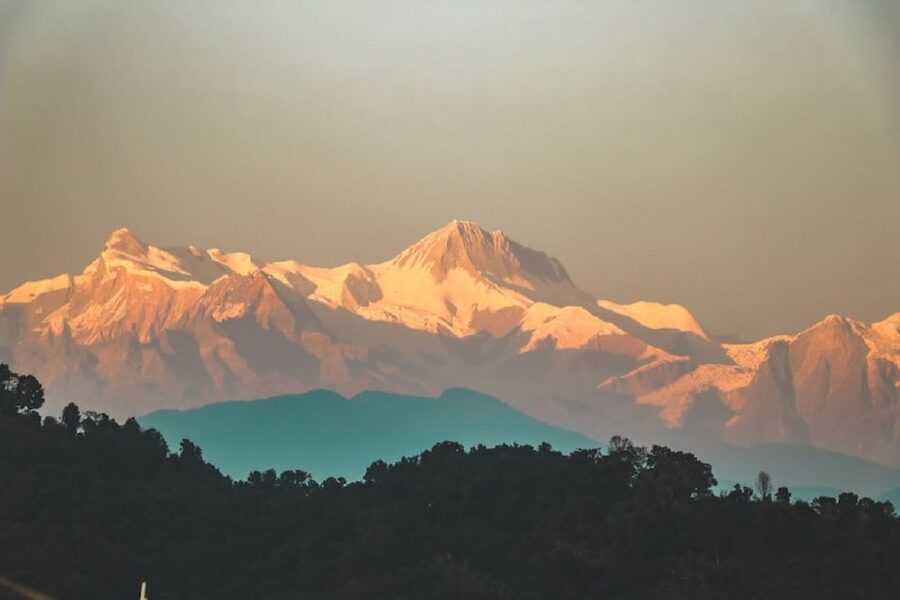
- 360° sunrise over the Annapurna range from the Australian Camp viewpoint
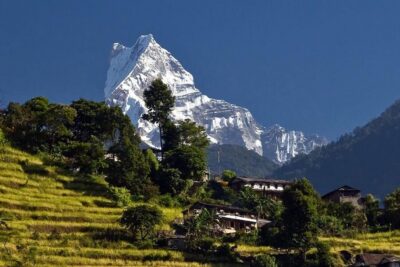
- Machhapuchhre (Fishtail) at first light, a classic moment you can actually frame
- Moderate uphill, doable timing with about 1 to 1.5 hours to reach the camp
- Village-and-forest trail vibes, not just a straight shot to a viewpoint
- Guides who manage the pace and photos, including help with finding angles
- Wildlife sightings when conditions are right, including one deer spot during the return
Gentler hikes to Australian Camp and Dhampus, a few more picks.
- 2-Day Private Trekking Tour to Australian Camp & Dhampus★ 5.0 · 42 reviews
- 1-Day Private Dhampus Trekking Tour★ 5.0 · 35 reviews
- Pokhara: Easy Day Hike to Australian Camp & Dhampus Village★ 5.0 · 24 reviews
- Australian Base Camp Day Hike From Pokhara★ 4.8 · 19 reviews
Why Australian Camp Sunrise From Pokhara Is Worth the Alarm
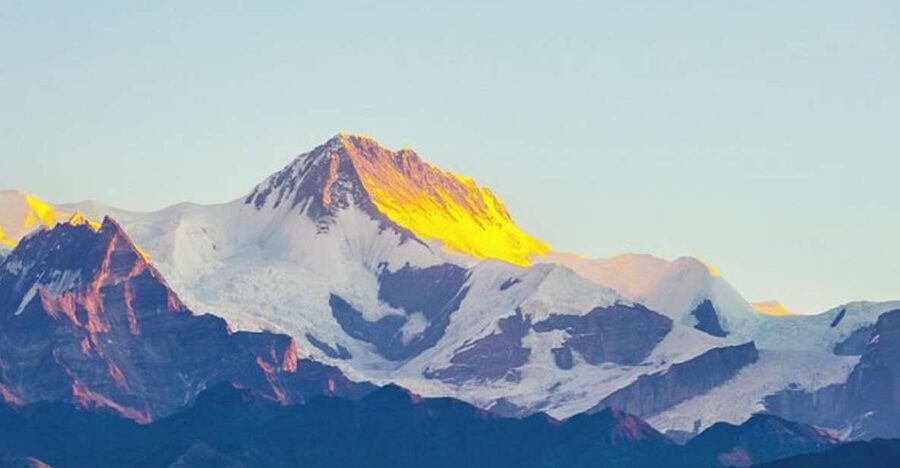
If you’ve ever watched sunrise from a city viewpoint, you know it’s over in a blink. Here, the timing is built around the moment the Annapurna peaks catch the first light, and you arrive before the show starts. That’s the difference between a photo stop and a real sunrise experience.
Australian Camp is the kind of place where the valley can sit under fog, and suddenly you’re looking out from above it. That “over the clouds” feeling makes the mountains look closer and bigger, even when you’re still at the same distance. And when the fog thins, the view widens into a broad panorama that’s hard to get anywhere else without committing to a hike.
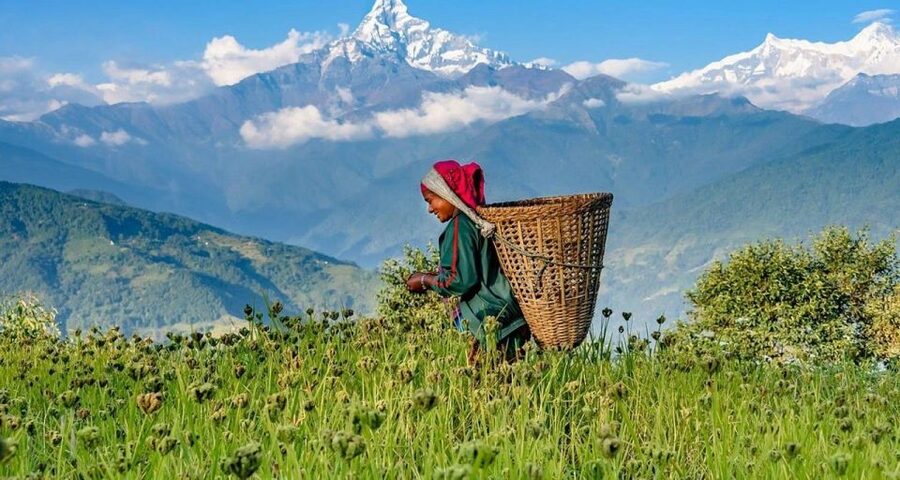
I also like that this isn’t just about the destination. The climb moves through forests, terraced fields, and charming villages, so the morning has texture instead of monotony. You’re not just walking toward a single angle—you’re walking through a landscape that wakes up as you go.
The Ride to Kande: A Short Transfer That Matters
Most of your comfort comes before you even put on your shoes. You’ll be picked up from your hotel early in the morning, and the drive to Kande takes about 30 to 40 minutes. That’s long enough to get you out of Pokhara’s center, but short enough that you’re not spending your morning in the car.
Kande matters because it’s where the hike starts—an actual village on the scenic route between Pokhara and Australian Camp. Arriving there early also means you start the climb before crowds and before the day heats up, which helps keep the effort feeling manageable.
You’ll typically have pickup and drop-off options around Lakeside Road (Lakeside Rd 6 / Lakeside Road), and the service includes transfers within the Lakeside and Sarangkot areas. It’s a small detail, but it can make or break a pre-dawn day. You don’t want to be hunting for a meeting point while you’re half-asleep.
Kande to Australian Camp: What Moderate Really Means at Sunrise Hour
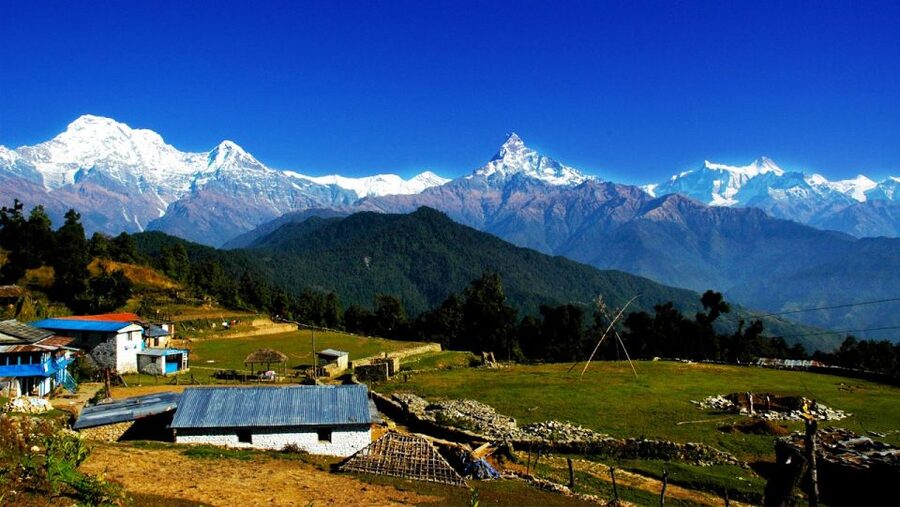
The hike from Kande to Australian Camp takes about 1 to 1.5 hours, depending on your pace. The description is “relatively moderate,” and that lines up with what you need for a sunrise trek: enough uphill to feel like you earned the view, but not so much that everyone is wrecked before the main event.
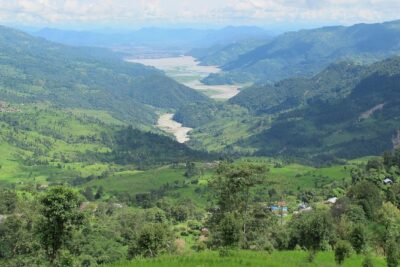
The trail is a mix of natural and human scenery. You’ll pass through lush forests, and you’ll also see villages and terraced fields as you gain elevation. Even if your goal is photography, this part matters because it gives you something to look at while you’re warming up, not just watching your feet.
Because it’s early morning, you might also see wildlife along the way. One of the best surprises from past hikes was a deer spotted during the return. You can’t plan on wildlife, but starting early increases your odds and makes the walk feel alive rather than purely functional.
If you tend to rush when you’re excited, this is where the guide helps. People on this tour have praised the way Moti Thapa adjusts pace and takes breaks when they’re needed. That’s not fluff—it’s what keeps sunrise from turning into a stress sprint.
At Australian Camp: The 1.5-Hour Sunrise Block (How to Use It)
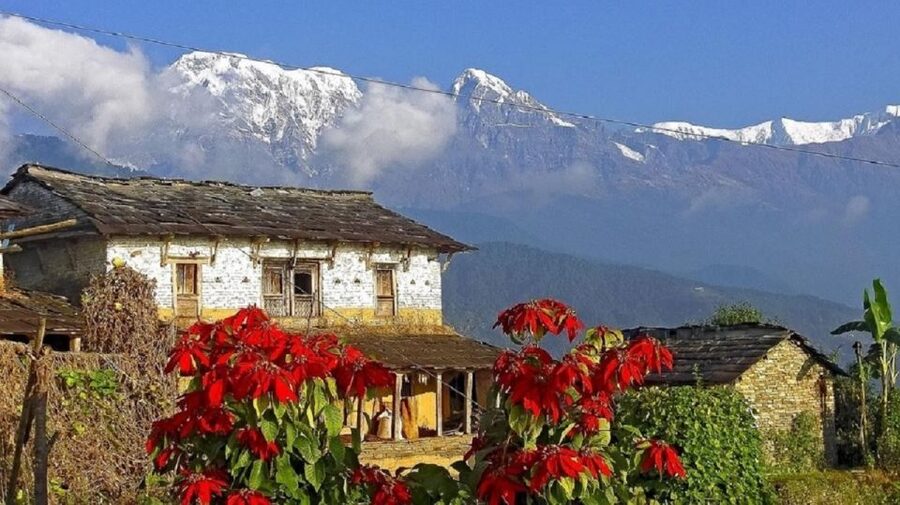
Once you reach Australian Camp, the day shifts from hiking to watching. You’ll spend about 1.5 hours at the viewpoint area, which is exactly what you want for sunrise—time to settle, scan the peaks, and watch light move across the ridgeline.
The big targets are the Annapurna range peaks, including Annapurna South, Machhapuchhre (Fishtail), and Hiunchuli. The glow hitting these mountains is the core payoff, and Machhapuchhre in particular tends to make people stop talking because it’s so instantly recognizable.
A practical note: the best sunrise viewing isn’t only about where you stand. It’s also about when clouds drift, and where fog clears first. This is why guides matter. In past groups, Moti Thapa helped people find the best spots and angles for photos, and he also helped with taking pictures. If you’re traveling solo or you’re not confident setting up shots in low light, that help is worth real money.
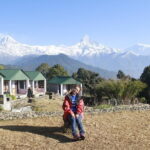
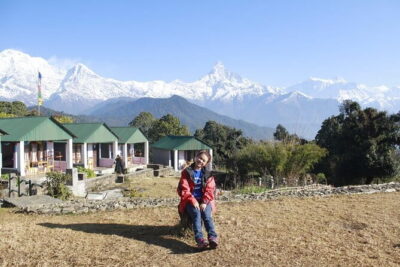
You’ll also find teahouses at the camp for a break and refreshments. That’s a smart inclusion because you’re not just standing around cold—you can warm up and reset. And since you’ve already hiked uphill, a sit-down moment helps you enjoy the full sunrise window instead of counting minutes until you can move.
More treks and hikes across the Annapurna region.
The Descent Back to Kande: Faster, But Don’t Get Overconfident
After sunrise viewing, you’ll start the descent to Kande. Expect about 1 hour downhill, and yes, it tends to feel easier than the ascent.
Still, downhill can be the part that trips you up—literally. Your knees and ankles do the work, and you might be a little slow to notice slippery ground because your eyes are still on the mountains you just watched. Keep your steps deliberate and save your energy.
The return walk also gives you a chance to catch any last early-morning wildlife moments. One memorable highlight was a deer pointed out during the return, which shows how quickly the morning can offer unexpected nature sightings.
Back to Pokhara: Transfers That Keep the Day Simple
Once you’re back to the starting area (Kande), the tour returns you to Pokhara by vehicle. The plan is built to keep the whole sunrise day organized, so you’re not trying to find transport while you’re tired and awake at odd hours.
One of the nice details in the setup is that the tour includes the private ride segments for the transfer portions. You’ll also have included drop-off around the Lakeside Road area (matching the pickup options listed), which keeps the end of the day smooth.
The whole experience comes in at about 5 hours, so it fits well into a trip schedule without eating your entire day. That matters in Pokhara, where it’s easy to stack too many plans and end up rushing everything.
Price and Value: What $64 Buys You Here
At $64 per person for a 5-hour private-group sunrise hike, you’re paying for more than a path to a viewpoint. You’re paying for a full morning package: early pickup, an organized transfer to Kande, permits and fees, a professional English-speaking guide, and support on timing and photo spots.
The “included” items are practical:
- Hotel pick-up and drop-off within Lakeside and Sarangkot areas
- Government-certified, professional English-speaking guide
- Private vehicle transfers for the ride segments
- Permits and required fees
- A bottle of water for each participant
- First aid kit
Then there are the “not included” pieces that you’ll want to budget for mentally: lunch and beverages during the trek and personal snacks. For a sunrise hike, this makes sense—most of the value is in the viewpoint timing and the guide’s plan, not in providing a full meal.
I’d call it good value if you want the classic Annapurna sunrise without the hassle of coordinating guides, permits, and the early morning logistics yourself. If you’re comfortable building your own hike plan and you already have a reliable local guide sorted, you could spend less. But for most people, paying for a tidy, timed sunrise day is a smart trade.
The Guide Experience: Why Moti Thapa Gets Mentioned
A sunrise hike is only half about views. The other half is how the morning feels while you’re walking in the dark or early light, when your legs are still waking up.
In past hikes on this route, Moti Thapa was praised for anticipating the pace that worked best and for taking breaks when they were needed. That’s a big deal. When sunrise trekking goes wrong, it’s usually because people push too hard, arrive stressed, and then miss the best part of the show.
He’s also been noted for sharing lots of interesting info about the Himalaya and Nepal in general. And he helped with photos by showing where to stand and by assisting with picture-taking. Add a helper who carries a bag for at least some participants, and the experience feels more like a supported morning outing than a solo slog.
Even in a different language context, the theme stayed the same: the guide was kind, helpful, and made the early start feel manageable. For many hikers, that’s the difference between a “good view” and a truly enjoyable morning.
Who Should Book This Sunrise Hike (And Who Might Skip It)
This tour is a strong fit if you:
- want the Annapurna sunrise experience from Australian Camp without extra planning
- like having a guide who helps you with pacing and photo angles
- enjoy morning walking through forests and villages, not just a viewpoint stop
- want an organized start from Pokhara with hotel transfers included
You might think twice if you:
- dislike very early departures and pre-dawn starts
- have limited tolerance for uphill walking (even though it’s moderate, it’s still uphill)
- need a fully leisurely hike with zero physical effort
If you’re the type who enjoys being outside, warm-up time included, and you’re okay with a short, focused outing, this should click.
Practical Tips So Your Sunrise Feels Smooth
I can’t control sunrise conditions, but you can control how comfortable you are when the morning is still cool. Here are the choices that make the biggest difference on a trek like this.
- Bring passport or an ID card. It’s specifically listed as required.
- Dress in layers for early hours. You’ll be walking, then standing at a viewpoint, then descending.
- Wear shoes with good grip for the downhill. The views are great, but your footing still matters.
- Plan for the fact that you’ll want refreshments at the camp. The presence of teahouses helps, but lunch and beverages aren’t included.
- If you want photos, ask the guide where to stand once you’re at the camp. On this route, that support is part of what people appreciate.
And if you’re traveling with a partner or friends, coordinate your photo expectations. A guided sunrise works best when everyone gives the guide a little flexibility on pacing and timing.
Should You Book This Sunrise Hike From Pokhara?
Book it if you want the classic Annapurna sunrise with organized logistics, a guide who helps with pacing and photos, and a trail that feels like more than a stairway to a view. At $64, the value is strongest when you factor in transfers, permits, guide support, and the long enough camp viewing window to actually enjoy the light change—not just arrive and leave.
Skip it if you’re not a fan of early starts or you want a flat, slow walk. This is a sunrise trek with real hiking time. The payoff is huge, but your body has to show up first.
If you’re visiting Pokhara and you want one “wow” morning that feels authentic—mountains, village trail, and that fog-above-the-valley feeling—this is a very sensible way to spend a half-day.
FAQ
What is the duration of the Australian Camp sunrise hike?
The experience runs for about 5 hours, including pickup, the hike up, time at the viewpoint for sunrise, and the return to Pokhara.
How long is the hike from Kande to Australian Camp?
The uphill hike from Kande to Australian Camp takes about 1 to 1.5 hours, depending on your pace.
How long do we spend at Australian Camp for sunrise?
You’ll spend around 1.5 hours at the Australian Camp viewpoint for sunrise viewing, photos, and sightseeing.
Is the hike difficult?
It’s described as relatively moderate. The return hike downhill to Kande is about 1 hour, and you can take breaks as needed.
What does the tour include?
It includes hotel pick-up and drop-off within the Lakeside and Sarangkot areas, a professional English-speaking guide, private transfers from Pokhara to Kande and back, permits and fees, a bottle of water, a first aid kit, and government taxes/charges.
What should I bring?
You should bring a passport or ID card. It also helps to dress for early morning hiking and bring personal snacks if you want more than the water provided.
Are lunch and drinks included?
No. Lunch and beverages during the trek are not included, though you can use teahouses at the camp for a break and refreshments.
More Treks in the Annapurnas
Also Reviewed Around Pokhara

Easy Hikes: Australian Camp and Dhampus
Newer Pokhara reviews to browse before you decide
Australian Camp & Dhampus Hikes, compared.
 ★ 5.02-Day Private Trekking Tour to Australian Camp & DhampusFrom $9942 reviews
 ★ 5.01-Day Private Dhampus Trekking TourFrom $6735 reviews
 ★ 5.0Easy Day Hike to Australian Camp & Dhampus VillageFrom $5824 reviews
 ★ 4.8Australian Base Camp Day Hike From PokharaFrom $3919 reviews
 ★ 4.9Guided Day Hike From Dampus To Australian Base CampFrom $5516 reviews
 ★ 5.0Easy Day Hiking to Australian Camp from PokharaFrom $10014 reviews
 ★ 5.0Australian Camp and Dhampus easy hikingFrom $5112 reviews
 ★ 4.91 N 2 Days easy Dhampus,Australian camp trek from PokharaFrom $8610 reviews
Browse the lists this tour appears in