

Reviewed · POON HILL SUNRISE TREKS
3 Days 2 Nights Poon Hill Trekking
Sunrise at Poon Hill hits fast.
This 3 days 2 nights trekking experience in Nepal’s Annapurna region is a guided, hassle-free way to get close to the Himalayan range without needing months of planning. You’ll move through lower Himalayan forests, then end with village atmosphere in Ghandruk, all while your guide explains what you’re seeing along the trail.
What I like most is how much the licensed mountain guide helps you make sense of the route—culture, terrain, and the practical rhythm of the days. I also appreciate the care taken with logistics: private transportation from Pokhara, permits and entry fees handled, and tea house accommodation included during the trek. Even the follow-through from the team stands out, with names like Ravi Gyawali and Madhu Sudan Dahal showing up in the way they communicate and support guests.
One thing to consider: this is still a trek, so you’ll want moderate fitness and comfort with early starts. Also, food and drinks aren’t included, so you’ll plan your budget for meals along the way.
In This Review
- Key highlights worth getting excited about
- Why this short Poon Hill trek works so well from Pokhara
- The day-by-day route: Uleri, Ghorepani, Poon Hill, Ghandruk, Nayapul
- Day 1: Drive to Uleri, then hike toward Ghorepani
- Day 2: Early trek to Poon Hill sunrise, then down toward Ghandruk
- Day 3: Ghandruk to Nayapul
- Tea houses and Ghandruk village life: what you’re really paying for
- Logistics that keep the trek from feeling like paperwork
- Price reality check: is $228.47 good value?
- The main considerations before you commit
- Who should book this Poon Hill trekking experience?
- Should you book Peak to Peak Tours and Treks for Poon Hill?
- FAQ
- How long is the Poon Hill trekking experience?
- Where does the trek start?
- What does the itinerary include each day?
- What’s included in the tour price?
- What’s not included?
- Do I need permits?
- What fitness level do I need?
- Is this a private trip?
- Do I get a ticket on my phone?
- What is the cancellation policy?
Key highlights worth getting excited about
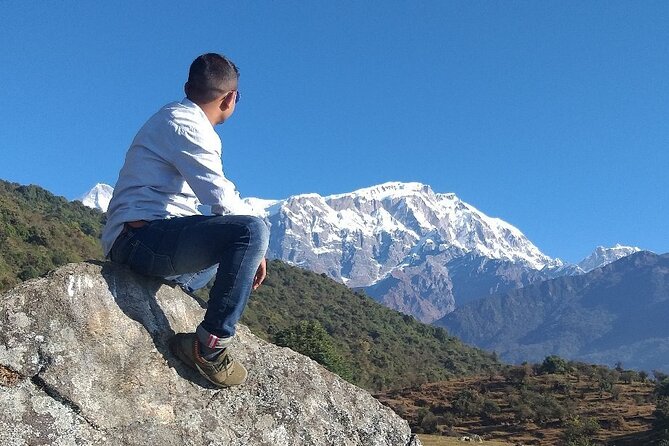
- Poon Hill sunrise: an early-morning payoff designed for big mountain views
- Ghandruk village visit: real foothills culture, not just sightseeing
- Tea house nights: simple lodging built for trekkers, included in the price
- Licensed mountain guide: clarity on terrain, culture, and timing
- Permits and entry fees included: fewer admin headaches
- Private group experience: you’ll be with your party only
More Poon Hill and Ghorepani routes, weighed by nights and effort.
- Poon hill Trek 3 days★ 5.0 · 176 reviews
- Pokhara: 4-Day Ghorepani, Poonhill & Ghandruk Mountain Trek★ 5.0 · 132 reviews
- Ghorepani – Poon Hill Trek 3N-4D★ 5.0 · 125 reviews
- From Pokhara: 3-Day Ghorepani Poon Hill Trek with Guide★ 4.9 · 68 reviews
Why this short Poon Hill trek works so well from Pokhara
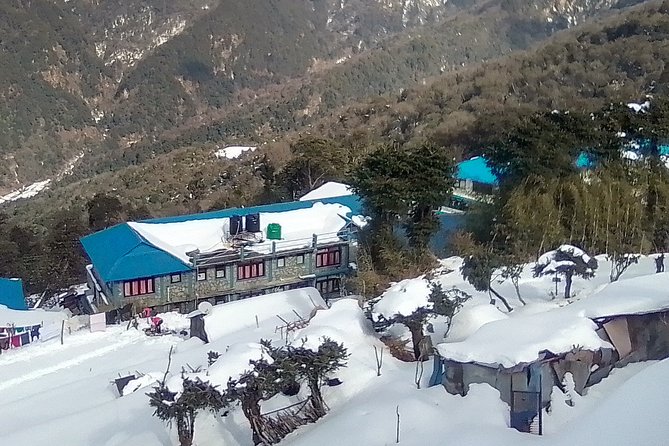
If you have only a few days in Nepal, the Poon Hill area is a smart choice. You’re in the Annapurna region, close enough to Pokhara that transportation and check-in logistics can be straightforward, yet you still get that classic Himalayan trekking feeling—switchbacks, forest sections, and then the “wait for it” morning moment.
This trip is built for people who want value without turning the days into a scavenger hunt. You’re not just getting directions. You’re getting guidance on where to be and when, plus context about what you’re walking through. That matters because the trail experience is more enjoyable when you understand what’s around you.
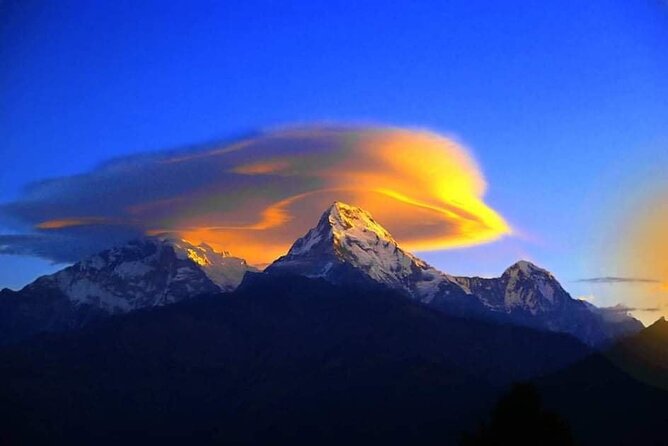
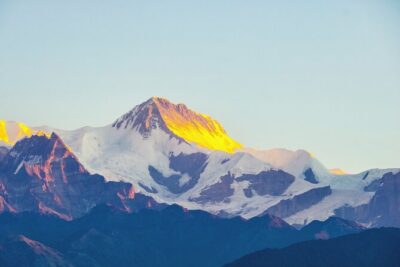
And yes, the sunrise theme is real here. Poon Hill is famous because the timing lines up with dramatic light and sharp mountain visibility on clear mornings. If you’re the kind of person who doesn’t mind being up early for a view, you’ll be glad you came.
The day-by-day route: Uleri, Ghorepani, Poon Hill, Ghandruk, Nayapul
The trek runs for three days, using the classic Poon Hill loop format with a village finish. Here’s what your pacing looks like.
Day 1: Drive to Uleri, then hike toward Ghorepani
You’ll start with a drive from Pokhara, then move into trekking mode. The first day includes a hike that takes you to the Ghorepani area, often described as a point where the trail transitions into higher viewpoints.
This day is about settling into the terrain. You’ll be walking through parts of the lower Himalayan evergreen forests—a very different feel from rocky, barren higher trails. The forest sections make the hike feel shaded and calmer, and they also break up the day so it doesn’t feel like nonstop uphill.
What to watch: your first-day pace. You’ll feel better on later mornings if you don’t “win the day” by rushing.
Day 2: Early trek to Poon Hill sunrise, then down toward Ghandruk
This is the highlight day. You’ll trek early morning to Poon Hill for sunrise views, then continue onward and hike back toward Ghandruk.
The morning start is the trade. Sunrise comes with an alarm clock, and you’ll likely be outside while it’s still cold. But the payoff is why this route stays popular: the mountain views can feel immediate and overwhelming—in a good way.
After sunrise, the day becomes more about movement and atmosphere. You’re transitioning from the viewpoint zone toward the foothills village experience around Ghandruk. This is where you stop thinking only about the view and start noticing everyday village life and the way people live with the mountains nearby.
More treks and hikes across the Annapurna region.
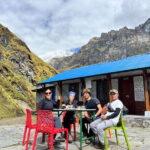
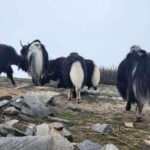
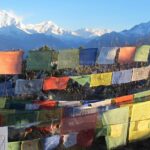
Day 3: Ghandruk to Nayapul
On the final day, you’ll hike from Ghandruk to Nayapul. The long-term goal here is simple: connect the village trekking to the trail-to-road transition so you can get back to Pokhara smoothly.
This day is often less about peak moments and more about finishing strong. If your legs are tired, focus on steady steps and short rests. The route stays scenic, but the best strategy is to conserve energy.
Tea houses and Ghandruk village life: what you’re really paying for
This trek includes tea house accommodation during the trekking days, which is a big part of why the experience feels doable. Tea houses are basic, but they’re built for trekkers: you can dry off, warm up, and eat without needing to pack a full kitchen.
While tea houses aren’t luxury hotels, they are part of the cultural rhythm of trekking in this region. You see the same places again and again because trekkers use them as stepping stones. That familiarity can make the trip feel easier, especially on a short 3-day schedule.
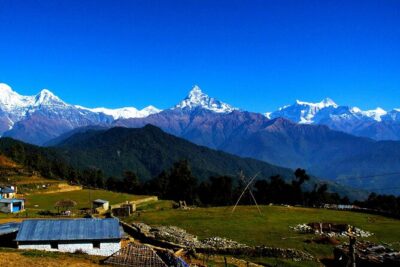
Ghandruk adds a different flavor. It’s not just a stop on a map. It’s a traditional village setting in the Himalayan foothills. You get a sense of how communities fit into the trekking routes—where pathways connect homes, guest rooms, and views.
One practical note: because food and drinks are not included, your nightly meal choices will affect your comfort and budget. If you like eating early and keeping things simple, you’ll do fine. If you’re picky or you expect Western-style meals at every stop, plan for slower options and limited menus.
Logistics that keep the trek from feeling like paperwork
This is where value shows up quietly. You get private transportation, and the company handles the permits and all entry fees. That means you’re not spending precious trekking days figuring out which office, which document, and which timeline you need.
You also get a licensed mountain guide. A guide does more than set pace. They help you interpret the route, understand the terrain, and stay safer by guiding decisions based on conditions. Even if you’re an experienced hiker, having local expertise for weather and trail flow reduces stress.
A few other details you should appreciate:
- Pickup offered: reduces the “how do I get there” scramble
- Mobile ticket: useful if you prefer digital travel docs
- Near public transportation: helpful if you’re combining this with other Pokhara plans
- Private group setup: only your group participates, so the schedule fits your party
In plain terms: the trip is designed so you can focus on walking and views, not admin.
Price reality check: is $228.47 good value?
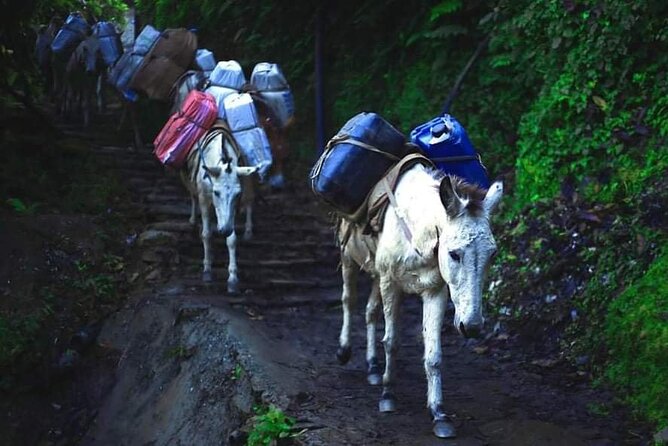
At $228.47 per person, you’re paying for more than the trail itself. What’s included is what usually costs real time and money when you plan independently: private transportation, a licensed mountain guide, and permits/entry fees. You also get tea house accommodation during trekking.
If you compare this to a DIY approach, permits and guide costs can be the parts that slow you down. And tea house lodging is rarely the “free” part of the equation—someone still needs to coordinate which places you’ll stay and how your route connects.
What’s not included matters too. Food and drinks are available for purchase, so your total cost will rise based on how many meals you buy and what you choose. Rescue cost in an emergency is also not included, so it’s worth having travel insurance that covers trekking if you’re serious about protecting your trip budget.
There’s also the optional gratitude. That’s normal for guided travel and usually handled at the traveler’s discretion.
Overall, this pricing makes sense if you want a guided, short, well-connected trek with documentation handled. If your biggest priority is total control and you’re comfortable planning permits and route logistics yourself, then you may prefer to compare options. But for many people, that bundled approach is exactly the point.
The main considerations before you commit
This is a moderate trek, but it’s still a trek. Your biggest “make or break” factor is not whether you can hike uphill—it’s whether you can handle the rhythm of:
- an early morning for sunrise
- steady walking days with changing elevation
- limited food choices at tea houses
Also, you’ll want to pack for temperature swings. Sunrise mornings in the Himalayas can feel sharply cold, even if the daytime hiking is warmer. Bring layers you can adjust quickly.
Finally, keep your expectations realistic. Tea houses are convenient, but they’re not five-star stays. The comfort level you get will depend on the season, weather, and how busy the route is at the time you go.
Who should book this Poon Hill trekking experience?
This trek is a great fit if:
- you want a classic sunrise viewpoint without a long trek
- you prefer a guided route over navigation stress
- you like cultural stops and village atmosphere, especially around Ghandruk
- you can handle moderate physical fitness and early starts
It’s also a smart pick for first-time trekkers who want the Annapurna region experience with fewer moving parts. And because it’s a private activity (only your group), it’s easier for couples or friends who want a smoother pace that matches their comfort level.
If you only care about lounging and photo ops with minimal effort, this probably isn’t your style. But if you want the mix—forest walking, sunrise payoff, and village life—this is right in the sweet spot.
Should you book Peak to Peak Tours and Treks for Poon Hill?
I’d book if your priority is a well-supported 3-day trek where permits, transportation, and guide support are handled. The overall rating is very high, and the themes that repeat are exactly what you want from this kind of trip: smooth management, strong hospitality, and a sunrise view that makes the effort feel worth it.
Skip booking only if you know you won’t enjoy early mornings, you don’t want to budget extra for meals and drinks, or you’re looking for a fully self-guided adventure. Otherwise, this looks like a solid value way to get your Himalayan moment in a short window.
FAQ
How long is the Poon Hill trekking experience?
The experience is 3 days, approximately, with 2 nights of trekking accommodation in tea houses.
Where does the trek start?
It’s based in Pokhara, and pickup is offered. The trek then includes driving to the start point for the first day’s hike.
What does the itinerary include each day?
You hike through the Annapurna region with a day that goes from Uleri to Ghorepani, a day for early trek to Poon Hill for sunrise then onward toward Ghandruk, and a final day hiking from Ghandruk to Nayapul.
What’s included in the tour price?
Included items are private transportation, guide expenses, a licensed mountain guide, all fees and taxes, permits and entry fees, and tea house accommodation during the trek.
What’s not included?
Food and drinks are not included (you can buy them on the trek). Rescue cost in an emergency is also not included. Gratitude to your guide is optional.
Do I need permits?
Permits and entry fees are included, so you don’t need to handle them on your own.
What fitness level do I need?
You should have a moderate physical fitness level.
Is this a private trip?
Yes. This is described as a private tour/activity where only your group participates.
Do I get a ticket on my phone?
The tour features include a mobile ticket.
What is the cancellation policy?
Cancellation is free up to 24 hours in advance for a full refund. If you cancel less than 24 hours before the experience starts, you won’t receive a refund.
More Treks in the Annapurnas
Also Reviewed Around Pokhara

More Poon Hill Sunrise Treks
Newer Pokhara reviews to browse before you decide

Poon Hill Sunrise Treks, compared.
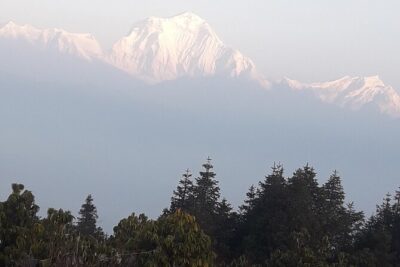 ★ 5.0Poon hill Trek 3 daysFrom $230176 reviews
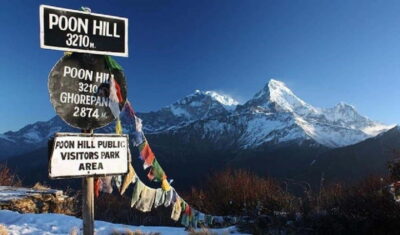 ★ 5.04-Day Ghorepani, Poonhill & Ghandruk Mountain TrekFrom $181132 reviews
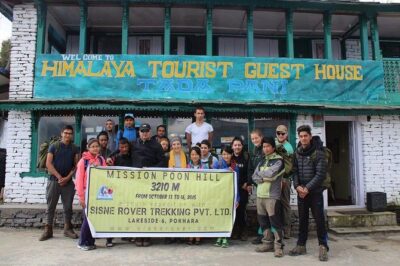 ★ 5.0Ghorepani – Poon Hill Trek 3N-4DFrom $321125 reviews
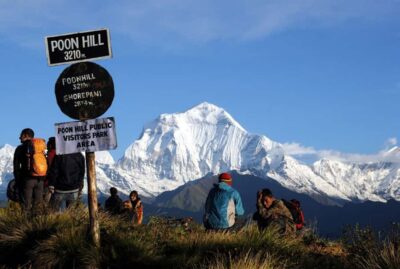 ★ 4.93-Day Ghorepani Poon Hill Trek with GuideFrom $16268 reviews
 ★ 5.03-Day Ghorephani and Poon Hill Private TrekFrom $12658 reviews
 ★ 5.04-Day Private Poon Hill Trekking TourFrom $35958 reviews
 ★ 4.62-Day Ghorephani and Poon Hill Private TrekFrom $10450 reviews
 ★ 5.03-Day Poon Hill Trek from Pokhara.From $41045 reviews
Browse the lists this tour appears in