
Reviewed · POON HILL SUNRISE TREKS
Pokhara:4-Day Ghorepani Poon Hill Guided Trek via Ghandruk
Clear mountain mornings are the goal here.
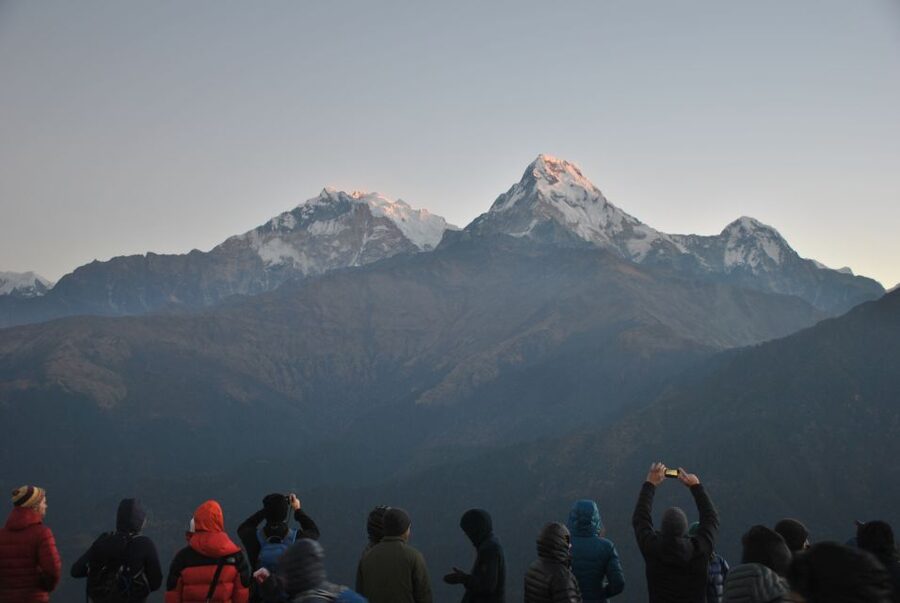
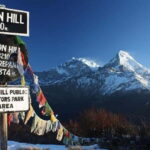
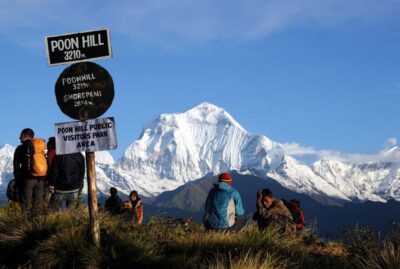
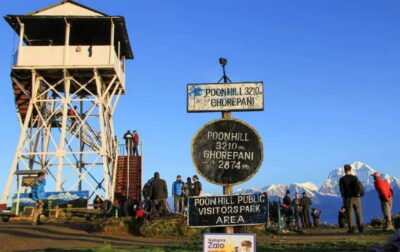
This 4-day guided trek in Nepal’s Annapurna region is built around one unforgettable payoff: sunrise views from Poon Hill at about 3,210m. You’ll hike through village paths, rhododendron forests, and river valleys, then end in Ghandruk with time to enjoy the village before heading back down.
I like that the route gives you real hiking effort without being a hardcore expedition: tea-house nights in Ghorepani, steep but short climbs, and plenty of chances to pause. I also like the human side of the trip—guides such as Prakash and Ghanshyam are praised for adjusting to your pace, which matters a lot when fitness varies.
One consideration: the sunrise and final mountain views depend on the weather, so you should plan to be flexible if clouds roll in.
In This Review
- Key points to know before you go
- Poon Hill to Ghandruk: Why This 4-Day Route Works
- Altitude, Steps, and Weather: What You’re Really Signing Up For
- Day 1: Pokhara to Nayapul and Tikhedhunga Tea Houses
- Day 2: Ulleri Steps to Ghorepani at 2,840m
- Day 3: Tadapani Descent and the Walk into Ghandruk
- Day 4: Sunrise Viewpoint, Ghandruk Village Time, and the Return to Pokhara
- Guides, Pace, and the Human Side of the Trek
- Price and Value: What $153 Covers (and What It Doesn’t)
- Where You’ll Stay and Eat: Tea Houses vs. Ghandruk Hotel
- What to Pack for This Annapurna Trek (No Guesswork Needed)
- Who Should Choose This Trek—and Who Should Skip It
- Should You Book This 4-Day Ghorepani Poon Hill Trek?
- FAQ
- What is the highest altitude on this trek?
- Where does the trek start and where does it end?
- What are the overnight stops during the trek?
- Are meals included?
- Is there an English-speaking guide?
- What permits are included?
- Is a porter included?
- What should I bring for the trek?
- Is this trek suitable for everyone?
- Can I cancel and get a refund?
Key points to know before you go
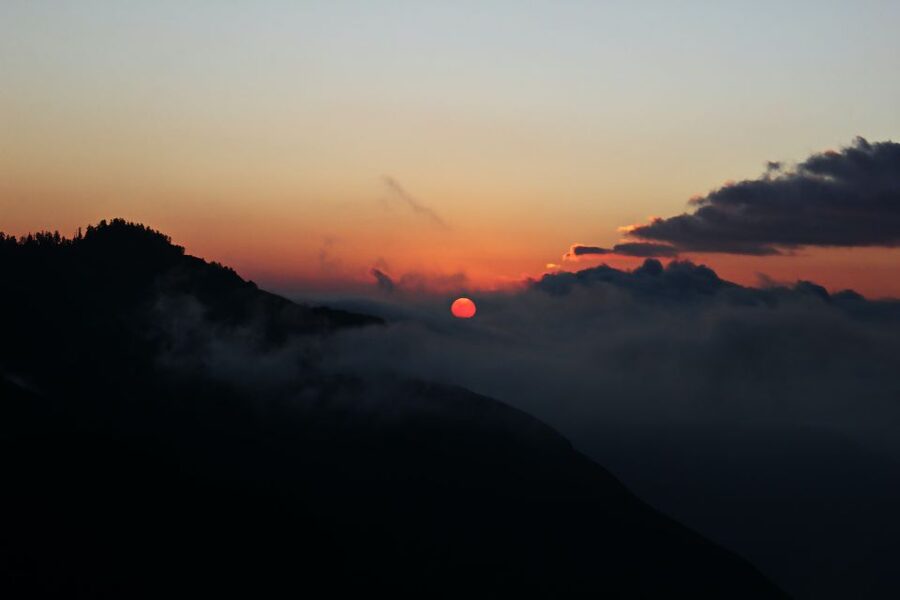
- Sunrise focus: You’re aiming for early-morning viewpoints from Poon Hill rather than a late start.
- Ulleri steps are the workout: Expect a steep climb with over 3,000 steps.
- Forest walking: Rhododendron forests and shaded stretches make the trek feel less monotonous.
- Real village contrast: Tea houses in Ghorepani, then a more hotel-based stay in Ghandruk.
- Pace-friendly guiding: Guides like Prakash and Ghanshyam are known for patience and pacing.
More Poon Hill and Ghorepani routes, weighed by nights and effort.
- Poon hill Trek 3 days★ 5.0 · 176 reviews
- Pokhara: 4-Day Ghorepani, Poonhill & Ghandruk Mountain Trek★ 5.0 · 132 reviews
- Ghorepani – Poon Hill Trek 3N-4D★ 5.0 · 125 reviews
- From Pokhara: 3-Day Ghorepani Poon Hill Trek with Guide★ 4.9 · 68 reviews
Poon Hill to Ghandruk: Why This 4-Day Route Works
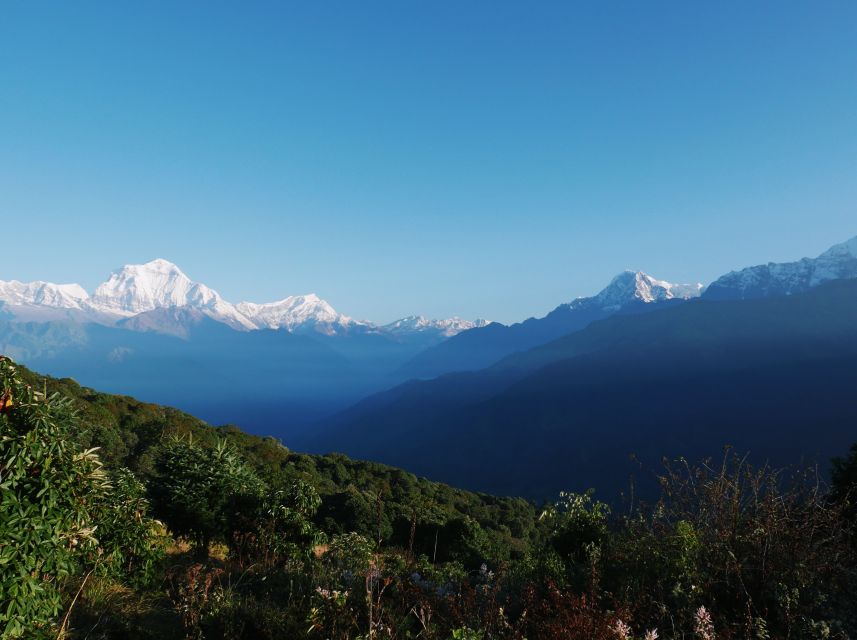
This trek is a classic because it hits the sweet spot. You get high-altitude mountain drama without needing specialized gear or long, multi-week travel days. Starting from Nayapul and working upward through Tikhedhunga and Ghorepani keeps the climbing steady, then the route turns into a satisfying descent toward Ghandruk.
What you’re really buying is a mix of views and effort. Poon Hill is the headline, but the walk matters too: river crossings and village paths, plus forest sections that can feel cool and sheltered when the sun is strong.
It’s also a good choice if you want structure. You sleep at planned places each night, meals are handled on the trek (for full package), and an English-speaking guide keeps the schedule moving without making you feel rushed.
Altitude, Steps, and Weather: What You’re Really Signing Up For
The altitude is real. You’re not just talking about numbers—Poon Hill reaches about 3,210m, and that’s enough height to make breathing feel different, especially on the climb days. Your best tool here is pacing. If you’re the kind of hiker who likes to go fast, you’ll want to slow down anyway.
Then there’s the other big factor: weather. Even when everything is perfect on paper, clouds can steal the dramatic mountain reveal at the last moment. The good news is that you can still get plenty of scenery the next day if visibility changes, and the trek itself keeps unfolding day by day.
Finally, the Ulleri segment is a known pin in the map. The route climbs to Ulleri with over 3,000 steps, so plan your energy for that day rather than spreading it out.
Day 1: Pokhara to Nayapul and Tikhedhunga Tea Houses
Your trip starts in Pokhara, with pickup from the airport or bus stand to your hotel. The idea is simple: get settled, do any last-minute shopping, and then travel toward the trek’s starting point.
From there, you head to Nayapul and begin the trek. Day 1 follows the Modi Khola River, passing small villages and moving through rhododendron forest stretches. This is a smart first day because it lets you find your rhythm while you’re still at a lower elevation.
You’ll end in Tikhedhunga around 1,570m, sleeping in a tea house. Tea houses are basic by Western standards, but that’s part of the charm. You’re close to hikers, close to the trail life, and you’ll likely feel the quiet of the valley once the day’s traffic thins out.
Practical tip: start slow. Day 1 is where you learn how your body handles the altitude before the steps show up on Day 2.
Day 2: Ulleri Steps to Ghorepani at 2,840m
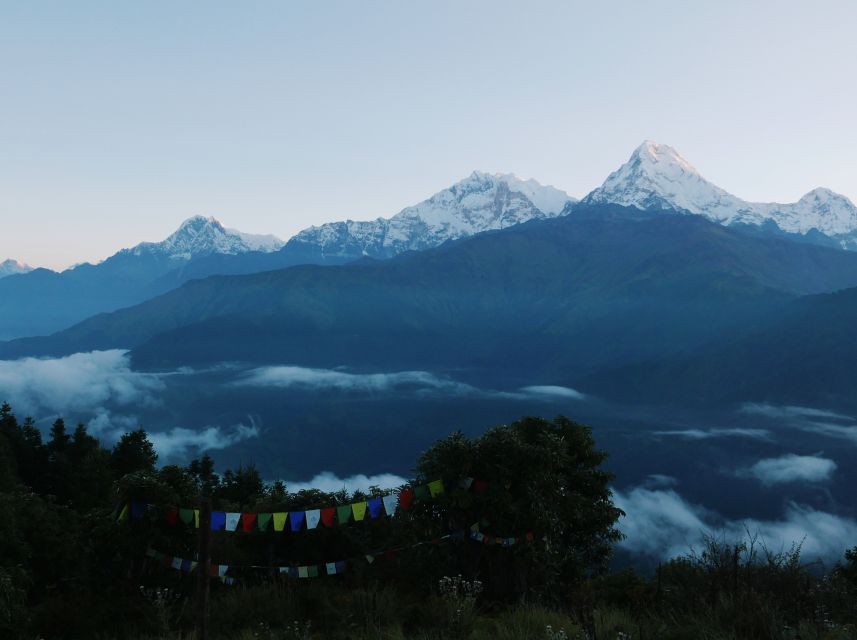
Day 2 is the physical test. You climb up to Ulleri village, and yes, the route includes a steep ascent with over 3,000 steps. This isn’t a long-distance problem so much as a vertical grind—steady effort, lots of foot placement, and careful pacing.
Once you get past the hardest part, the trek shifts into rhododendron forest again. That change in scenery helps. It breaks the monotony and can make the climb feel more manageable, especially if the light is softer under the trees.
You finish the day in Ghorepani, around 2,840m, staying in a tea house. Ghorepani is the practical base for the Poon Hill sunrise plan. You’ll want your evening to be low-drama: early sleep, water, and a simple plan for the next morning.
If you’re hoping for a guide who matches your pace, this is where it shows. Guides like Prakash and Ghanshyam are highlighted for being patient and adjusting to hikers who need slower, steadier walking.
More guided departures worth a look.


Day 3: Tadapani Descent and the Walk into Ghandruk
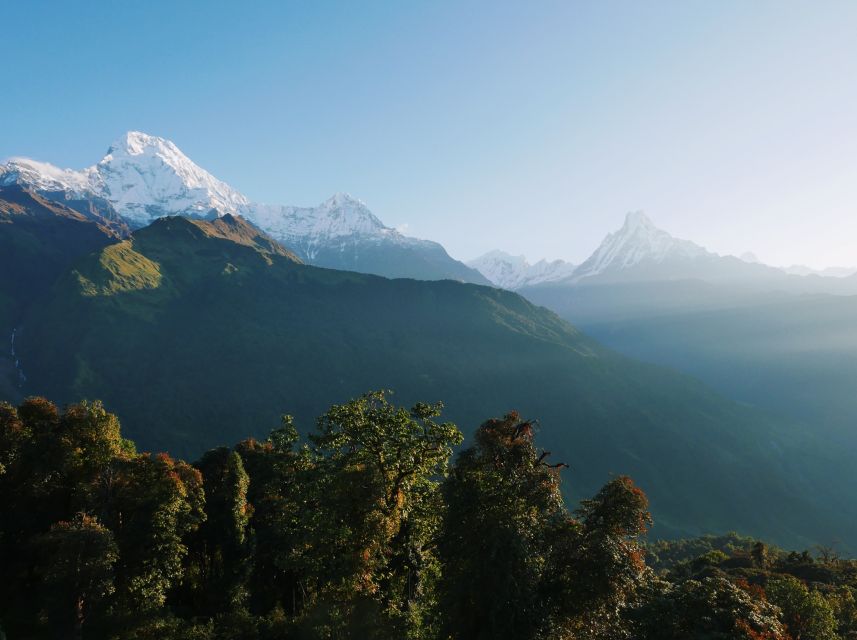
Day 3 is more about moving downhill than pushing up. You’ll descend via Tadapani toward Ghandruk, with a steep descent described as a key part of the day. If you’re not used to downhill hiking, this is where your knees and quads will notice the most.
The good trade-off: the scenery keeps changing. You’ll continue through jungle and forest sections, with sights that connect you to the Modi River valley. It feels like the trek is transitioning from high-viewpoint country into village terrain.
You end at Ghandruk around 2,000m, sleeping in a hotel. That hotel night is a welcome reset after several nights in tea houses, and it often gives you more comfort at the end of the trek.
Ghandruk also matters because it’s not just a waypoint. It’s a real village setting where you can slow down and take in local life before you start the final descent back to Pokhara.
Day 4: Sunrise Viewpoint, Ghandruk Village Time, and the Return to Pokhara
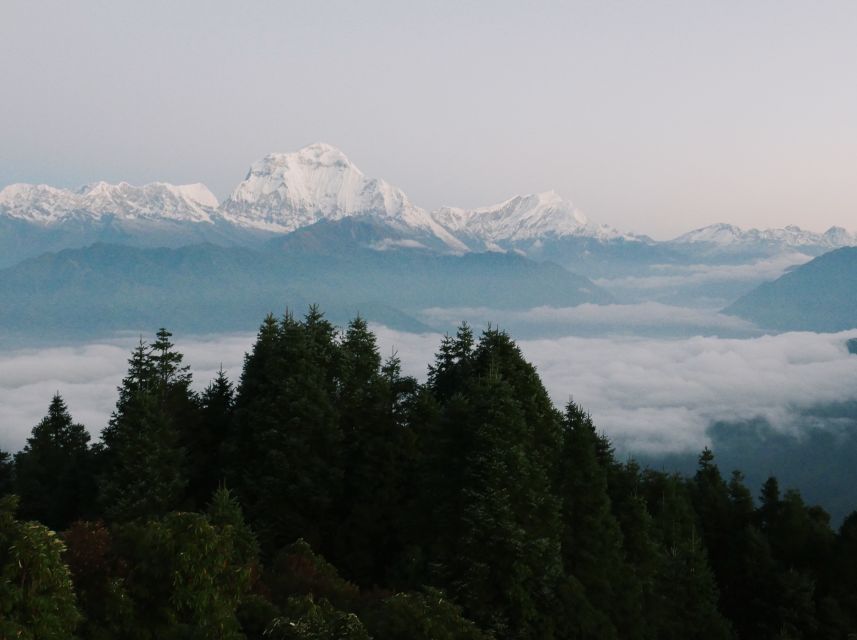
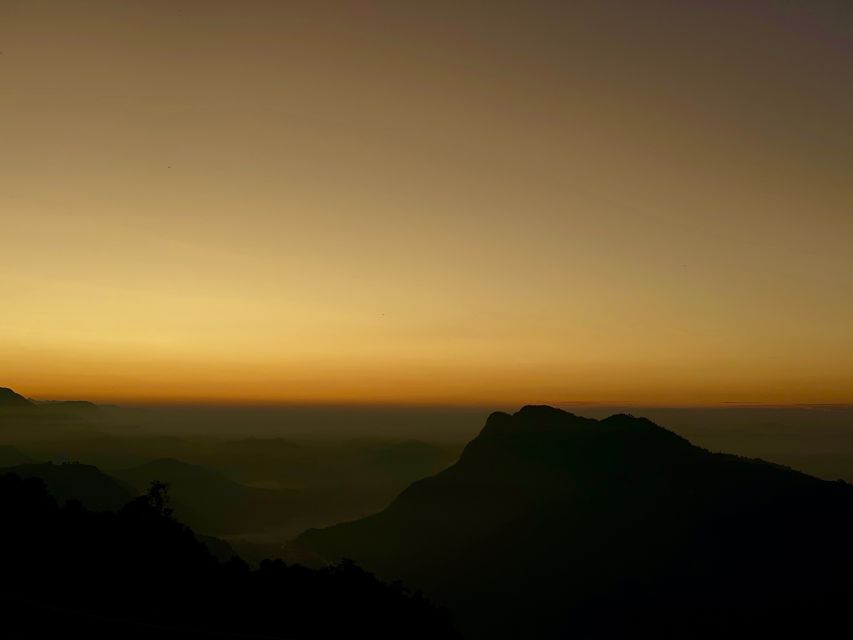
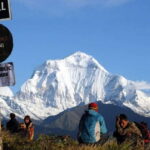
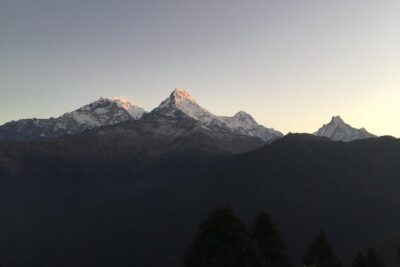
You wake early and head up to the viewpoint for sunrise. This is the moment the whole itinerary is built around. If skies cooperate, you get the dramatic mountain views that make Poon Hill famous. If not, you still get a rewarding early-morning hike and another chance at visibility as the day opens.
After the sunrise hike, you return for breakfast and spend time exploring Ghandruk village. This is a nice pacing choice. Instead of turning the trek into a nonstop march, you get a bit of village time before the final travel logistics.
Then you descend to Nayapul and drive back to Pokhara, where the trek ends. It’s the kind of finish that feels clean: you’re done with the hardest elevation days, and you can transition back to normal life fairly quickly.
Guides, Pace, and the Human Side of the Trek
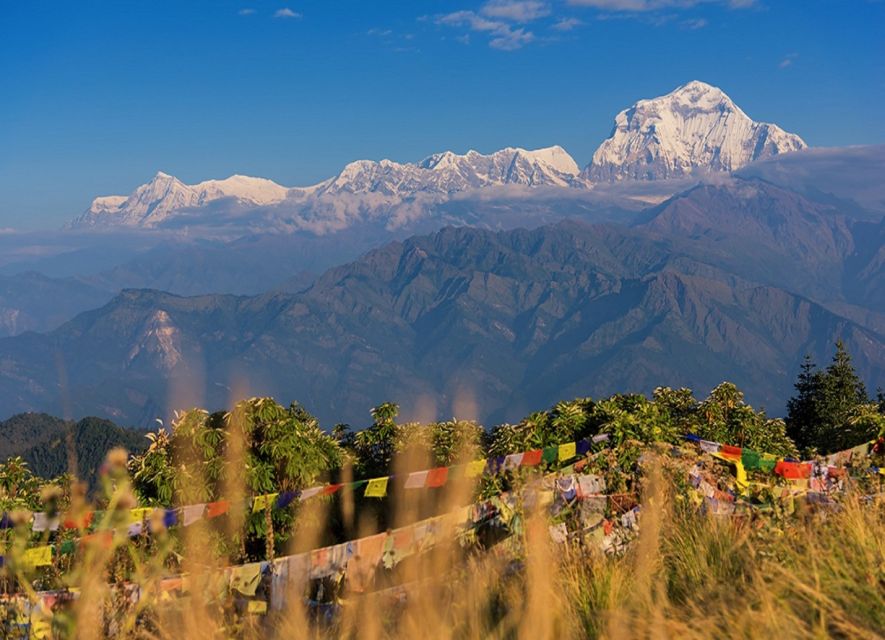
A trek like this lives or dies on pacing. When you’re climbing steps and breathing at higher altitude, you don’t need a drill sergeant. You need someone who understands when to slow down and when to encourage you.
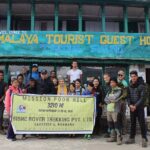
The guides linked with this trip—Prakash and Ghanshyam—are praised for exactly that. In one case, the guide is described as working with a traveler’s slower fitness level. In another, the guide is noted for being patient and kind when trekking with a parent in their 60s. That tells you something important: the guiding style is flexible.
There’s also the business side of reliability. The owner named Ramesh is credited with having a well-run setup and a friendly team. One practical detail that comes up: you can contact the organizer on WhatsApp ahead of time to clarify questions, which reduces stress when you’re packing and planning your first Nepal trek.
For you, that means fewer surprises. You’ll still need to bring the right gear and go at your pace, but the trip won’t feel chaotic.
Price and Value: What $153 Covers (and What It Doesn’t)
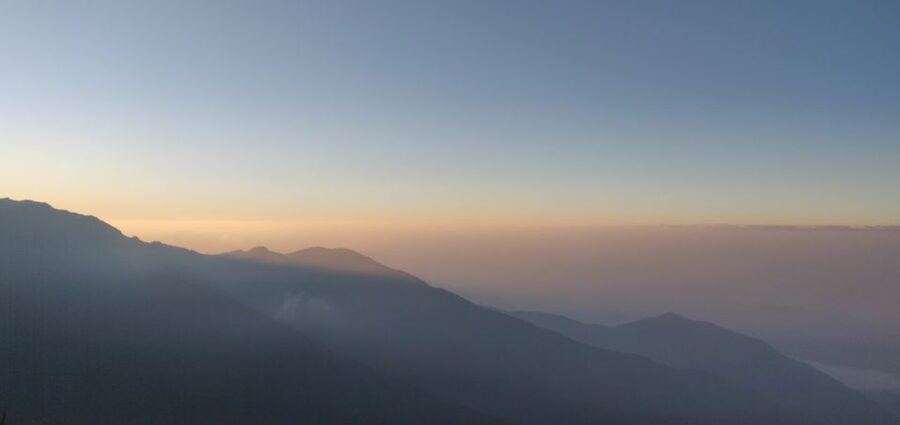
At around $153 per person, this trek can represent solid value because so much is packaged for you. Your included items include trek permits/paperwork, the TIMS fee, a medical kit, and an authorized English-speaking guide with insurance. You also get pickup and drop-off, plus accommodations during the trek.
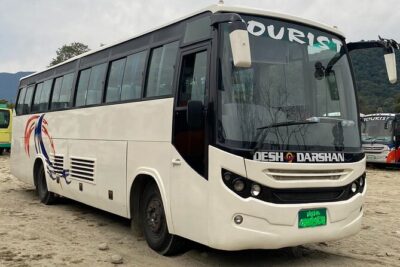
Transportation is also included depending on your package type. For the full package, you get deluxe transportation as listed in the itinerary. For other package types, shared transportation by bus may apply. That matters if you care about comfort and schedule tightness.
Meals are another value piece, but read carefully how your option is structured. The trek package includes all meals (breakfast, lunch, dinner) during the trek for the full package only. If you’re not in the full meal option, you’ll be paying for meals separately at tea houses, and those can be pricier than what you’d pay back in Pokhara.
What’s not included is just as important for your budget. You’ll cover drinks, travel/rescue insurance, porter service if you choose to add it, and personal expenses like phone calls and extra bottled or boiled water. Also, lunches and evening meals in Pokhara aren’t included, so plan on a normal town-food bill before and after the trek.
Bottom line: if your goal is to hike without spending time on logistics, this price makes sense. If you’re traveling super light and eating mostly independently, you might save money by not selecting add-ons—but you’ll still pay some costs out of pocket.
Where You’ll Stay and Eat: Tea Houses vs. Ghandruk Hotel
This trek uses two “worlds” for sleeping. Tikhedhunga and Ghorepani are tea house nights. Tea houses are simple and functional, usually with shared common areas and straightforward rooms. The upside is convenience: you’re already inside the trail ecosystem.
Ghandruk switches to a hotel at around 2,000m. That hotel night can feel like a soft landing. It’s often a good time to wash up, dry out socks, and let your body reset after the descent day.
Meals during the trek are handled for full package travelers. Otherwise, you’ll need to manage food choices and costs on your own. Either way, expect that food will be more basic than restaurant dining, but also predictable and easy to order while hiking.
Practical tip: eat what agrees with you. On altitude hikes, your stomach is part of the system. Keep it simple and don’t take big risks with unfamiliar foods.
What to Pack for This Annapurna Trek (No Guesswork Needed)
The packing list for this trek is clear, and it matches what you’ll actually feel on the trail: temperature shifts, bright sun, and long walking days.
Bring:
- Hiking shoes and socks you trust
- Jacket and long pants (layers matter)
- Sunglasses, sunscreen, and a hat
- Water and a plan to keep hydrated
- Shorts and change of clothes for comfort
- A sleeping bag (as listed)
- Towel and basic trekking gear
- Passport or ID card
- First aid kit (listed)
If you want one easy comfort upgrade, it’s good socks and a jacket that you can keep warm without overheating. The trail days can be sunny and warm, then cool off fast at dawn.
Also note the rule: this trek isn’t suitable for pregnant women, based on the operator’s guidance.
Who Should Choose This Trek—and Who Should Skip It
This is a great fit if you want:
- A guided Annapurna experience with permits handled
- A route focused on Poon Hill sunrise
- A mix of forest walking and village life
- A manageable 4-day structure with planned overnights
It’s also a solid option for hikers who aren’t elite fitness machines. The route is demanding, but the guidance style described here is supportive, including help for slower paces.
You might want to consider a different kind of trek if you:
- Are very sensitive to altitude changes (you’ll reach about 3,210m)
- Struggle with steep step climbs and steep descents
- Need pregnancy-friendly support (this option is not suitable)
Should You Book This 4-Day Ghorepani Poon Hill Trek?
If your main priority is sunrise views from Poon Hill plus a classic Annapurna village route, I think this one is worth booking. The value is strong because permits, guide support, and trek accommodations are handled, and the guides described here seem genuinely focused on pacing you.
Just go in with the right expectation: mountain views can be cloudy, and the Ulleri climb plus the steep descent mean you should prepare your legs. If you’re honest about your hiking comfort and pack smart, you’ll likely find this trek feels like a complete story, not just a checklist of viewpoints.
FAQ
What is the highest altitude on this trek?
The route reaches about 3,210 meters at Poon Hill.
Where does the trek start and where does it end?
You’re taken to Nayapul to start, and on the last day you descend back to Nayapul before returning to Pokhara.
What are the overnight stops during the trek?
You sleep in tea houses at Tikhedhunga and Ghorepani, then in a hotel in Ghandruk.
Are meals included?
All meals during the trek (breakfast, lunch, dinner) are included for the full package. Lunch and evening meals in Pokhara are not included.
Is there an English-speaking guide?
Yes. The trek includes an authorized English-speaking guide, and the live tour guide is listed as English and Hindi.
What permits are included?
Trekking permits and the required paperwork are included, along with the TIMS fee(s).
Is a porter included?
A porter is not included, but it’s available for purchase.
What should I bring for the trek?
You’re advised to bring items such as passport or ID card, hiking shoes, jacket, hat, sunscreen, sunglasses, a sleeping bag, trekking gear, and a first aid kit.
Is this trek suitable for everyone?
It’s not suitable for pregnant women.
Can I cancel and get a refund?
Yes. Free cancellation is available up to 24 hours in advance for a full refund, and you can also reserve now and pay later.
More Guided Departures
Also Reviewed Around Pokhara

More Poon Hill Sunrise Treks
Newer Pokhara reviews to browse before you decide
Poon Hill Sunrise Treks, compared.
 ★ 5.0Poon hill Trek 3 daysFrom $230176 reviews
 ★ 5.04-Day Ghorepani, Poonhill & Ghandruk Mountain TrekFrom $181132 reviews
 ★ 5.0Ghorepani – Poon Hill Trek 3N-4DFrom $321125 reviews
 ★ 4.93-Day Ghorepani Poon Hill Trek with GuideFrom $16268 reviews
 ★ 5.03-Day Ghorephani and Poon Hill Private TrekFrom $12658 reviews
 ★ 5.04-Day Private Poon Hill Trekking TourFrom $35958 reviews
 ★ 4.62-Day Ghorephani and Poon Hill Private TrekFrom $10450 reviews
 ★ 5.03-Day Poon Hill Trek from Pokhara.From $41045 reviews
Browse the lists this tour appears in