
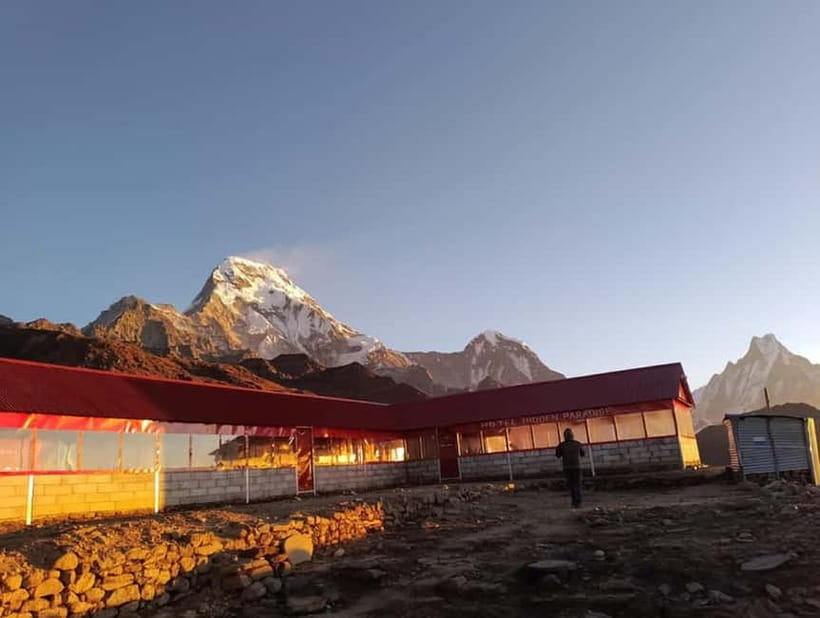
Reviewed · POON HILL SUNRISE TREKS
Pokhara: 3-Day Ghorepani, Poon Hill & Ghandruk Guided Trek
Every step ends in a viewpoint. This 3-day Ghorepani, Poon Hill & Ghandruk guided trek turns a short trip into big Himalayan mornings, especially the famous sunrise panorama. I love the Poon Hill sunrise over Annapurna and Dhaulagiri, and the way guides like Jeet and Anil help you understand what you’re seeing along the trail. One possible drawback: if you choose a fixed meal plan, it may feel expensive compared with ordering directly at tea houses.
This is a classic Annapurna-region short trek: forests, village stairways, and cozy overnight tea houses, with a manageable pace built into the schedule. You get a cultural stop in Ghandruk plus the payoff of high-mountain views without committing to a longer trek. Just remember it’s still physically demanding, and temperatures can swing hard once you’re at higher altitudes.
In This Review
- Key highlights that hit fast
- Why this 3-day Ghorepani–Poon Hill–Ghandruk trek makes sense
- Getting from Pokhara to the trail: Ulleri and Tikhedhunga without fuss
- Day 1: Pokhara to Ghorepani (2,874 m) through stairs, forests, and village rhythm
- Day 2: the Poon Hill sunrise run, then onward to Tadapani or Ghandruk
- Day 3: exploring Ghandruk village with Gurung culture and mountain views
- Tea houses, meals, and the real value of the $179 price
- Guides that actually matter: Jeet, Anil, and Sanjay’s impact
- Fitness, cold mornings, and packing that won’t annoy you
- Should you book this trek?
- FAQ
- How long is the Pokhara to Poon Hill and Ghandruk trek?
- What are the main places you’ll visit on the route?
- What altitude will we reach during the trek?
- What language will the guide speak?
- Are permits included?
- Is travel insurance included?
Key highlights that hit fast
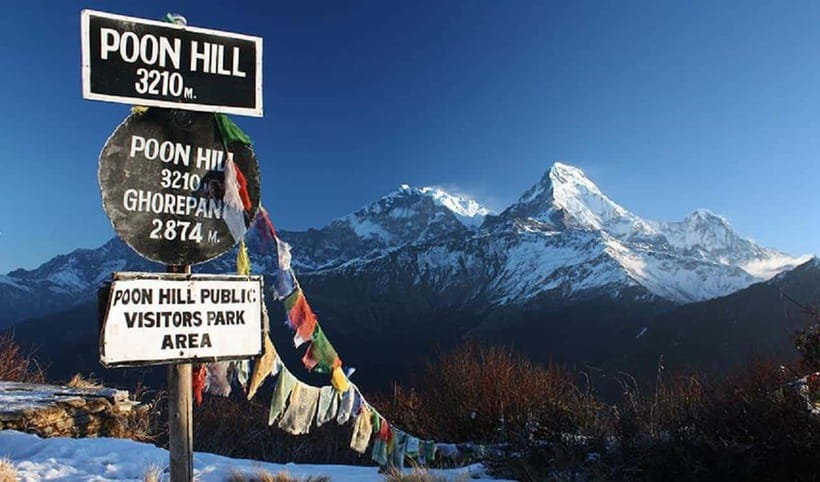
- Poon Hill sunrise with a wide panorama including Annapurna, Dhaulagiri, and Machhapuchhre
- Tea house nights in Ghorepani with warm hospitality after a long day of walking
- Rhododendron forests and terraced trails for scenery that changes mile by mile
- Gurung village time in Ghandruk, with mountain views from the village viewpoints
- Guides who teach on the move, including names like Anil and Sanjay praised for clarity
More Poon Hill and Ghorepani routes, weighed by nights and effort.
- Poon hill Trek 3 days★ 5.0 · 176 reviews
- Pokhara: 4-Day Ghorepani, Poonhill & Ghandruk Mountain Trek★ 5.0 · 132 reviews
- Ghorepani – Poon Hill Trek 3N-4D★ 5.0 · 125 reviews
- From Pokhara: 3-Day Ghorepani Poon Hill Trek with Guide★ 4.9 · 68 reviews
Why this 3-day Ghorepani–Poon Hill–Ghandruk trek makes sense
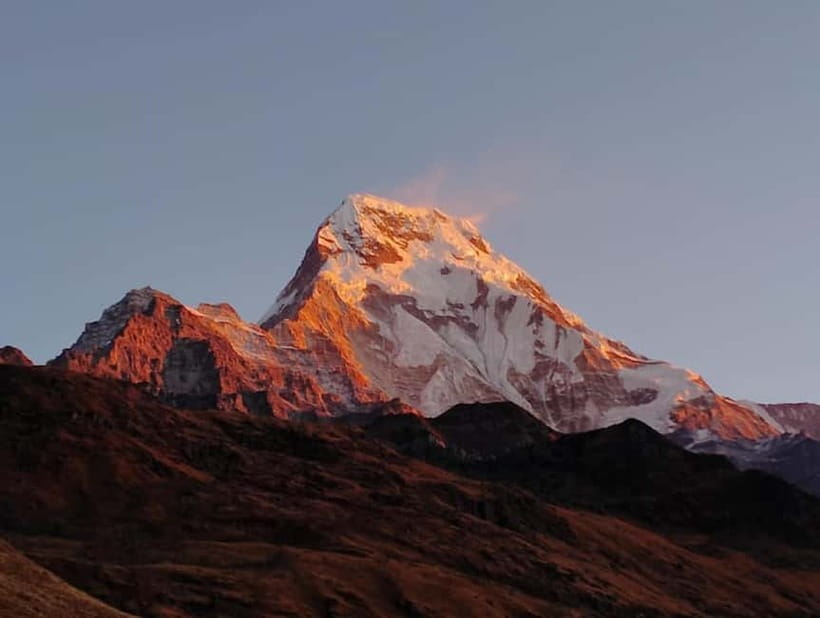
This trek is built for one main idea: you want the big Annapurna-region views, but you don’t want to spend a week on the trail. In three days, you’ll climb from the Pokhara area up to Ghorepani (2,874 m) and then reach Poon Hill (3,210 m) for sunrise, before dropping down toward Ghandruk (around 1,940 m). That rhythm matters because it keeps the trip short while still giving you the dramatic payoff you came for.
You’re also not hiking in a vacuum. The route passes through villages and local trails, so you’re not only chasing mountain photos. The cultural piece is part of the experience, especially in Ghandruk, where the focus is on Gurung culture and village life with peaks in the background.
The other thing I like: the days are long enough to feel like a real trek, but the itinerary keeps things realistic for a 3-day schedule. That’s why many people treat this as a first serious trek or a “best views in limited time” option.
Getting from Pokhara to the trail: Ulleri and Tikhedhunga without fuss
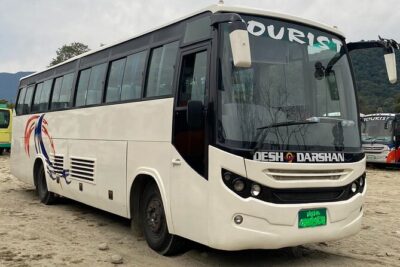
Most days start the same way: a drive out of Pokhara, then your first proper uphill climb begins. You’ll typically be picked up from the Pokhara Lakeside area, the Sarangkot area, or even Pokhara International Airport (PIA) if that’s where you’re arriving. Then you’ll travel toward Tikhedhunga or Ulleri by bus/coach or jeep/SUV, roughly 2–3 hours depending on the setup.
Once you reach the trailhead area, Ulleri usually includes a break and photo stop, plus time to visit or look around before you start climbing higher. Those little pauses are more than boredom management. They help you set your pace, especially on day one when your legs are still fresh and your plan is still “don’t burn matches.”
Day 1: Pokhara to Ghorepani (2,874 m) through stairs, forests, and village rhythm
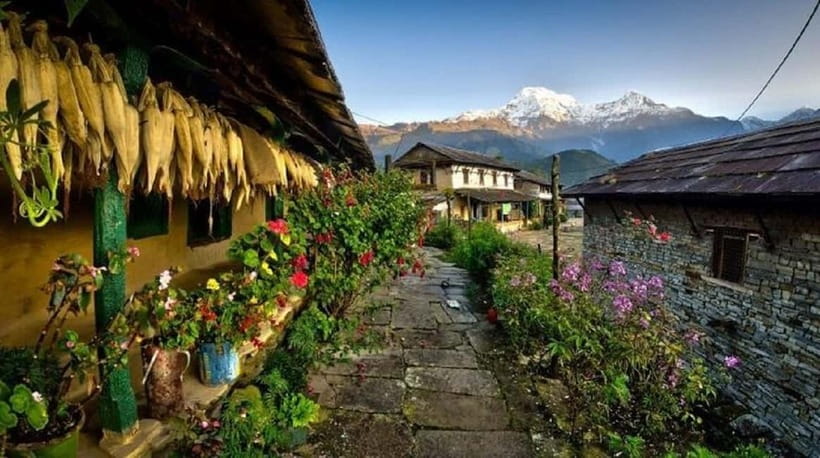
Day one is about earning the next morning. You’ll drive for about 3 hours and then start trekking uphill for around 5–6 hours, finishing at Ghorepani (2,874 m). The terrain is classic Annapurna short-trek stuff: stone stair sections, terraced paths, and village-to-forest transitions.
This is where the rhododendron atmosphere starts to matter. You’ll move through forested stretches and alongside mountain farms, so the views don’t only happen at the end of the day. They show up as you climb—sometimes glimpsed between trees, sometimes opening wider as the trail rises.
Once you reach Ghorepani, you’ll settle into a simple tea house or lodge for your first overnight. The experience here is not about luxury. It’s about recovery, warm hospitality, and being surrounded by the mountains while you eat a hot meal. One practical note: you’ll want to treat this evening like pre-sunrise training. Get some rest, organize your layers, and keep your headlamp or warm gear ready.
Day 2: the Poon Hill sunrise run, then onward to Tadapani or Ghandruk
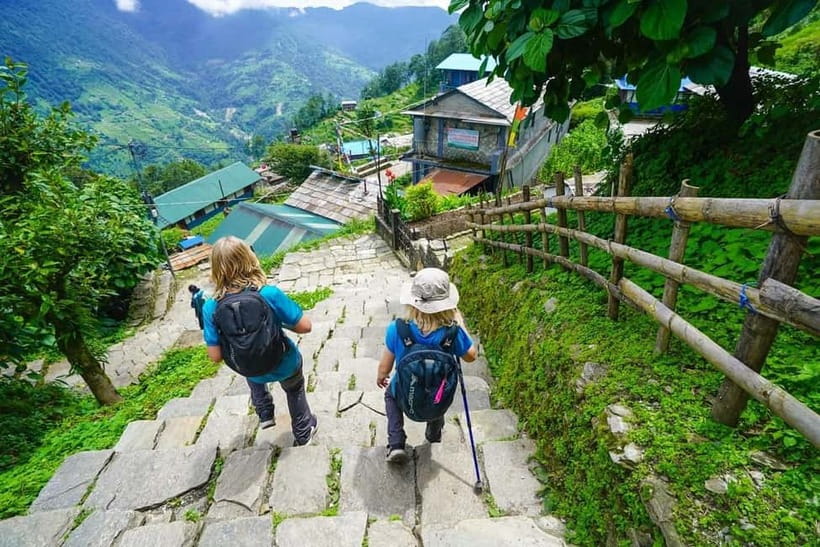
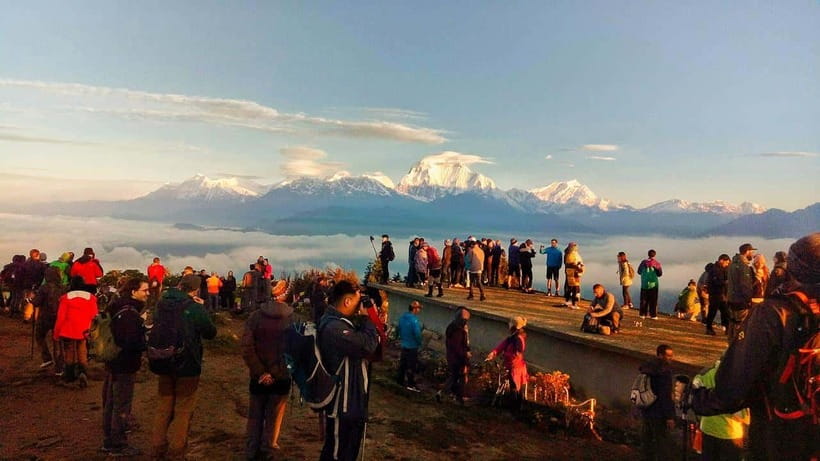
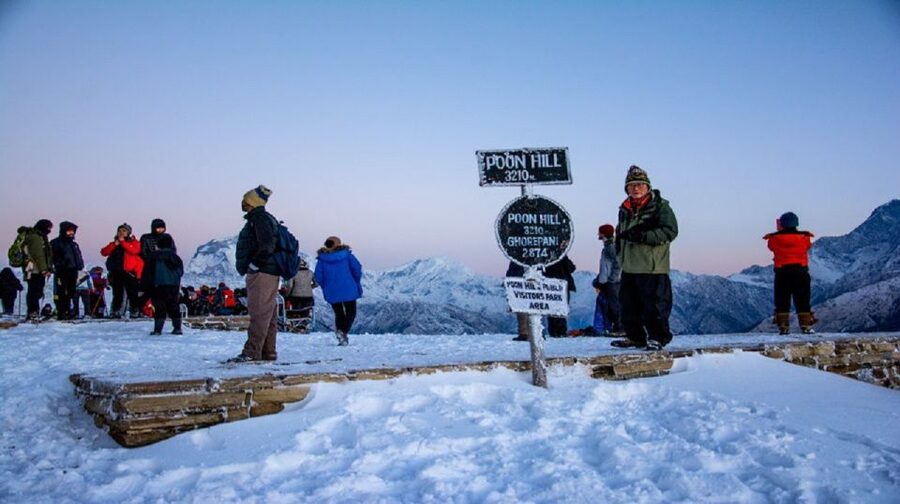
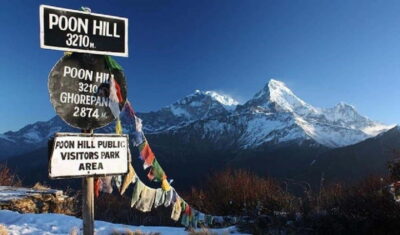
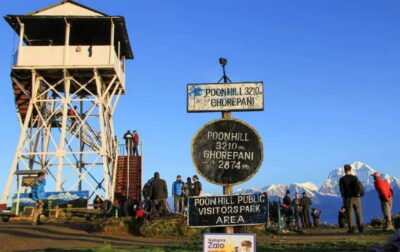
Day two is the big event. You’ll start with an early hike to Poon Hill (3,210 m) for sunrise. Expect roughly 45–60 minutes up to the viewpoint, which is short on paper but long enough to feel the cold and thin-air bite. This is where packing and layers really pay off, since temperatures can be very different at higher altitude.
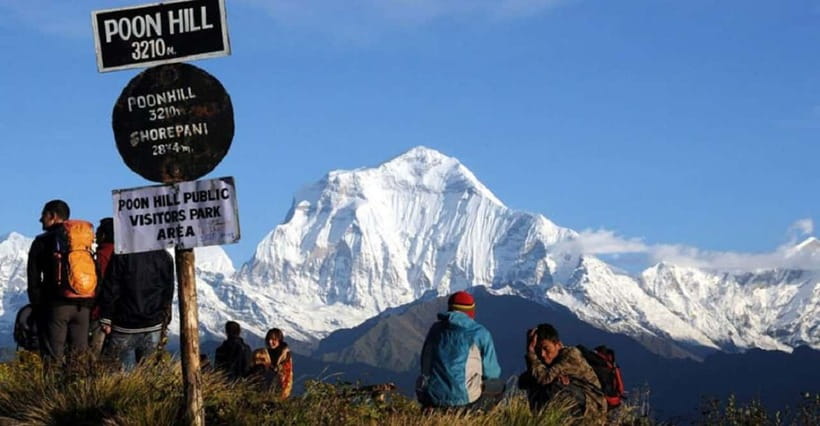
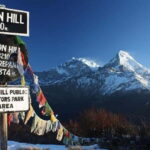
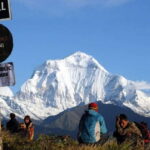
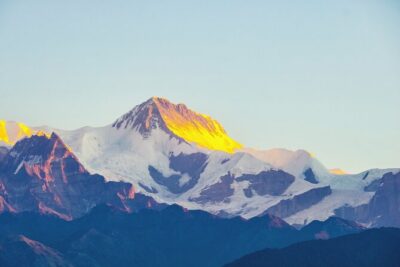
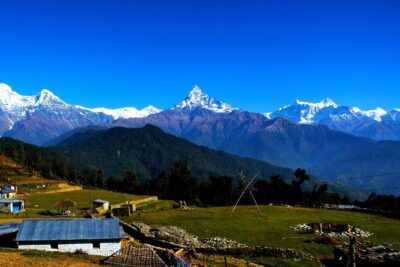
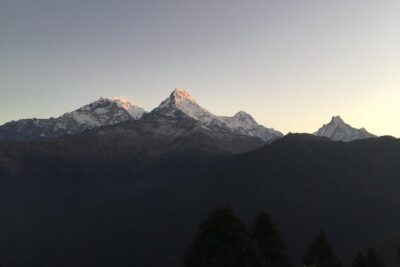
From Poon Hill, the panorama is the headline: views across Annapurna and Dhaulagiri, plus famous surrounding peaks including Machhapuchhre. Even if you’re not a mountain-name nerd, this viewpoint helps you make sense of why this region is so popular. The best part is the combination of sunrise light and the sheer number of peaks in one sweep.
After the sunrise walk, you return for breakfast and then continue trekking for about 5–6 hours toward Tadapani or Ghandruk (the itinerary lists Tadapani at 2,630 m and Ghandruk around 1,940 m). This section is where rhododendron forests and ridge walking often feel like the real “trek” part: you’re moving through varied terrain rather than only climbing.
You’ll likely appreciate the guided component here. In reviews, the guides praised not just logistics but interpretation—names of mountains you can see and small discoveries along the way. If you’ve ever hiked and felt like you were staring at fog without a guide to explain what you’re looking at, this is the part that changes the whole experience.
More guided departures worth a look.


Day 3: exploring Ghandruk village with Gurung culture and mountain views
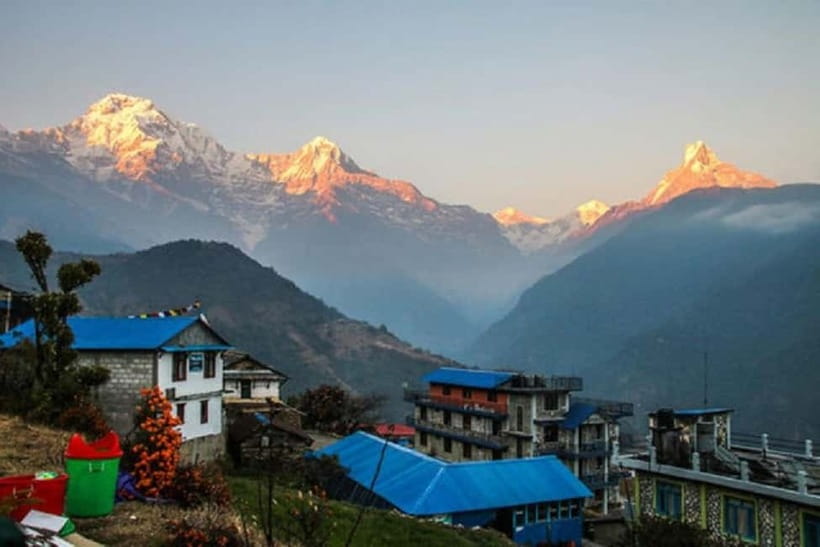
The third day shifts from “climb and descend” to “look around.” You’ll spend time exploring Ghandruk village—including village viewpoints and Gurung culture—before driving back to Pokhara. The drive back is about 3 hours.
Ghandruk is special because the village itself becomes part of the scenery. Instead of only chasing high-altitude overlooks, you get a sense of how people live in the shadow of huge peaks. You’ll be walking around and taking in mountain angles that you don’t always get on the trail.
This day is also a good pace reset. It helps if you’re traveling with mixed fitness levels or you’re just tired of cold mornings. The trip ends in Pokhara with a straightforward return, so you don’t have to plan a second long transfer day.
Tea houses, meals, and the real value of the $179 price
The price is listed at $179 per person for a 3-day guided trek. That’s often competitive for Nepal short treks because it bundles more than just a guide. Here’s what the package includes, based on the tour info: round-trip transportation between your Pokhara location and the trek start/end, tea house or lodge accommodation, a certified trekking guide, permits and fees, and all guide expenses. It also includes a first aid kit and luggage storage in Pokhara so you don’t carry extra bulk during the trek.
Gear support is part of the offering too: trekking sticks and sleeping bags as needed. That can matter if you’re traveling light or you’re not sure you want to buy trekking gear before you arrive.
Meals are where you should pay attention. The tour info says meals are included depending on the selected option, but one review flagged that the pre-set meal plan felt expensive (NR 40k for 3 days) and suggested that paying directly at tea houses might cost less. I’d treat this as a practical reminder: before you lock in your meal option, check exactly what meals are covered and how tea house prices compare in your season. On many Nepal treks, you can end up with more flexibility by choosing what you order each day.
What’s not included is also important for planning: travel insurance (explicitly mandatory for safety), personal expenses like snacks and drinks, and emergency rescue services if needed. A porter is also optional, listed at $20 per day, if you want help with load.
Guides that actually matter: Jeet, Anil, and Sanjay’s impact
On a short trek, a good guide doesn’t just move you from point A to B. They help you connect the dots. In the reviews, Jeet was described as a real positive presence, and Anil and Sanjay received praise for being friendly and explaining what’s around you in a clear, reassuring way.
That “on-the-move explanation” is a big deal at viewpoints like Poon Hill. Instead of seeing a mass of peaks, you learn the names and what’s worth noticing. One review also mentioned discoveries beyond scenery—things like monkeys in trees, vegetation at your feet, and even beehives built on rock walls. That’s the kind of detail you’d miss if you’re only focused on the next photo.
The trekking guide being certified, plus the tour being private group, is a practical advantage. You’re more likely to get a steady pace, good timing for sunrise, and a chance to ask questions instead of waiting for a large group to catch up.
Fitness, cold mornings, and packing that won’t annoy you
Even though this is one of the region’s better-known short treks, it still counts as a serious walk. The tour info notes it can be physically demanding, so you’ll want a reasonable fitness base and comfort with uphill hiking and stair sections.
Temperatures are the other reality check. The tour notes that higher altitudes are often very cold, and conditions can change quickly. You’ll be heading to Poon Hill at 3,210 m at sunrise, so the cold can hit before the sun does.
Here’s the packing list you’re given, and it’s a good one to follow closely:
- Passport or ID card
- Comfortable shoes and also hiking shoes
- Hat
- Jacket
- Change of clothes
- Camera
- Cash
- Hair tie
- Hiking pants
- Trekking gear
You might also find it smart to keep your small items easy to reach. Sunrise hikes are quick, and you don’t want to spend cold minutes hunting for a layer.
One more administrative detail that affects your trip: you’re asked to submit a copy of your passport at least one day before the trek so permits can be arranged. This is normal in Nepal, but it’s easy to forget if you’re juggling flights and hotel check-ins.
Should you book this trek?
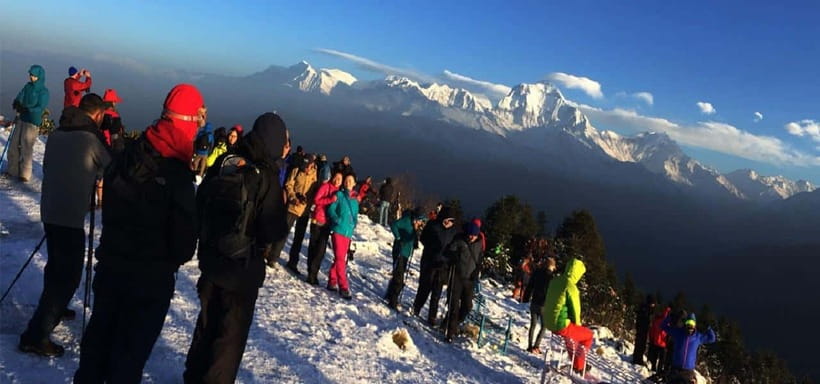
Book this trek if you want the Annapurna region’s best “wow” factor in a short time: Poon Hill sunrise, then villages and tea house nights, ending with Ghandruk and Gurung culture. It’s a good match for first-timers who are ready for a real hike but don’t want a multi-week commitment.
Skip it or plan carefully if any of these apply: you’re not comfortable with physically demanding uphill walking, you’re not prepared for cold mornings at altitude, or you want total control over every meal choice (since meal options can vary in cost and structure). If you’re worried about carrying extra load, consider the optional porter so you can keep the day-two sunrise and day-three exploration enjoyable.
If you want a quick decision rule: if sunrise at Poon Hill is your main goal and you’re traveling with the right fitness for 5–6 hour hiking days, this is a strong value way to do it.
FAQ
How long is the Pokhara to Poon Hill and Ghandruk trek?
The trek lasts 3 days.
What are the main places you’ll visit on the route?
You’ll trek from the Pokhara area toward Ghorepani, hike to Poon Hill for sunrise, then continue to Tadapani or Ghandruk, finishing with exploration in Ghandruk and a drive back to Pokhara.
What altitude will we reach during the trek?
Key altitudes listed are Tikhedhunga/Ulleri (~1,540–2,050 m), Ghorepani (2,874 m), Poon Hill (3,210 m), Tadapani (2,630 m), and Ghandruk (about 1,940 m).
What language will the guide speak?
The live tour guide is available in English, Hindi, and Nepali.
Are permits included?
Yes. All required permits and fees are included, and you’ll need to submit a copy of your passport at least one day before the trek.
Is travel insurance included?
No. Travel insurance is not included and is described as mandatory for your safety and peace of mind.
More Guided Departures
Also Reviewed Around Pokhara

More Poon Hill Sunrise Treks
Newer Pokhara reviews to browse before you decide
Poon Hill Sunrise Treks, compared.
 ★ 5.0Poon hill Trek 3 daysFrom $230176 reviews
 ★ 5.04-Day Ghorepani, Poonhill & Ghandruk Mountain TrekFrom $181132 reviews
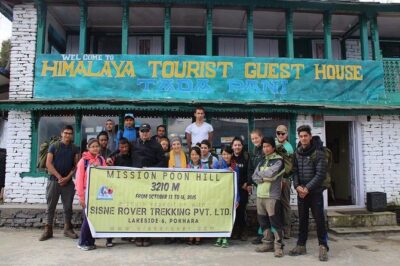 ★ 5.0Ghorepani – Poon Hill Trek 3N-4DFrom $321125 reviews
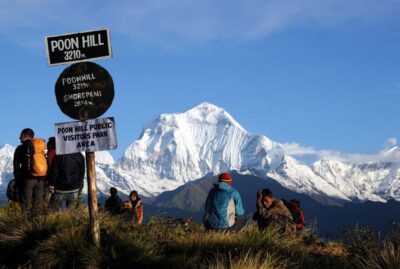 ★ 4.93-Day Ghorepani Poon Hill Trek with GuideFrom $16268 reviews
 ★ 5.03-Day Ghorephani and Poon Hill Private TrekFrom $12658 reviews
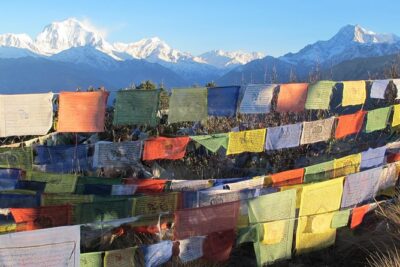 ★ 5.04-Day Private Poon Hill Trekking TourFrom $35958 reviews
 ★ 4.62-Day Ghorephani and Poon Hill Private TrekFrom $10450 reviews
 ★ 5.03-Day Poon Hill Trek from Pokhara.From $41045 reviews
Browse the lists this tour appears in