
Reviewed · HIKING & TREKKING
Kathmandu: 9-Day Annapurna Circuit Trek via Thorong La Pass
One high pass can change the whole trip.
This 9-day Annapurna Circuit trek is interesting because you’re moving through real altitude and real villages, not just ticking off viewpoints. I love the moment you crest Thorong La (5,416m), and I also love how Upper Pisang feels like a meeting point of Annapurna and Tibetan-influenced mountain life.
I’m also drawn to the way the route builds from lush valleys up to the dry, higher terrain around Manang, with enough structure to help your body adjust. You’re not forced to rush every day, and the big day still feels earned.
One caution: teahouse nights can be cold, and the pass day is tough even when you feel ready.
In This Review
- Key Things That Make This Trek Worth It
- What You’ll Be Walking Through on the Annapurna Circuit
- Day 1: From Kathmandu Into the Hills (Besisahar + Dharapani)
- Day 2: Dharapani to Chame, Your First Real Trek Rhythm
- Day 3: Chame to Upper Pisang, a Village With Big-View Energy
- Day 4: Upper Pisang to Manang, Higher Terrain and Big Names
- Day 5: Acclimatize in Manang (around 4,050m)
- Day 6: Manang to Yak Kharka, Shorter Walk, Higher Stakes
- Day 7: Yak Kharka to Thorong Phedi, Setting Up for the Pass
- Day 8: The Big Day — Thorong La Pass (5,416m) to Muktinath
- Day 9: Muktinath Back to Pokhara
- Tea Houses, Meals, and the Real Comfort Level
- Guides, Permits, and What You’re Paying For (Without Price Numbers)
- Best Time to Go and Who Should Skip This Trek
- Should You Book the 9-Day Annapurna Circuit via Thorong La?
- FAQ
- How high is Thorong La Pass on this trek?
- How long is the trek, and what’s the overall duration?
- What time do we start on the day we cross Thorong La?
- Is there an acclimatization day before the pass?
- What lodging and meals are included?
- What’s included for permits and paperwork?
- Is travel or rescue insurance included?
- What’s included in the return and transport?
- What should I bring, and is anything not allowed?
Key Things That Make This Trek Worth It
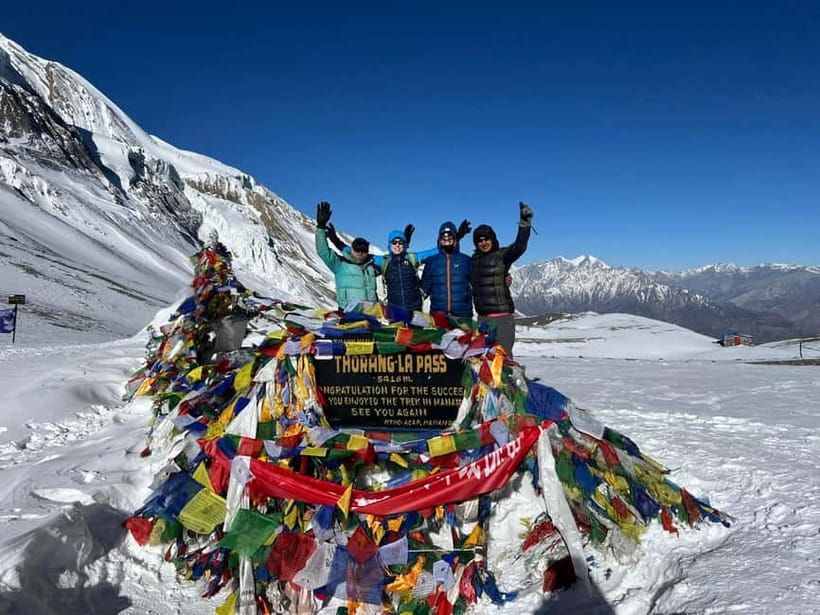
- Thorong La Pass (5,416m): a very high, very serious crossing with prayer flags and wide panoramas.
- Upper Pisang + Bhote villages: you’ll see Tibetan-style culture and meet locals along the way.
- Manang acclimatization day (around 4,050m): a built-in pause before the highest section.
- A steady build to Thorong Phedi: shorter walking on Day 6 helps your legs absorb the altitude.
- Muktinath Temple after the pass: you get a spiritual landing spot once you’re down from the big elevation.
More treks and hikes across the Annapurna region.
- Poon hill Trek 3 days★ 5.0 · 176 reviews
- Trekking in Annapurna/Langtang/Everest/Upper Mustang regions★ 5.0 · 161 reviews
- Pokhara: 4-Day Ghorepani, Poonhill & Ghandruk Mountain Trek★ 5.0 · 132 reviews
- Ghorepani – Poon Hill Trek 3N-4D★ 5.0 · 125 reviews
What You’ll Be Walking Through on the Annapurna Circuit
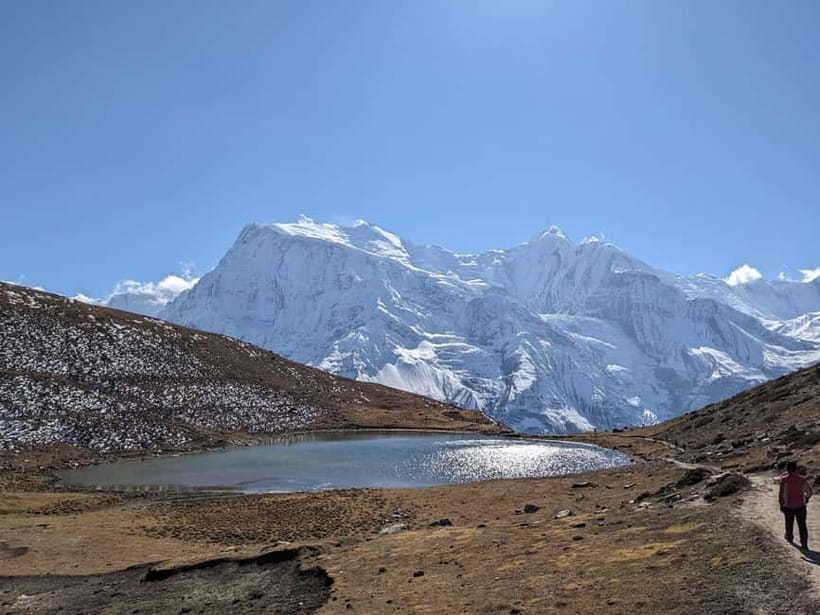
The Annapurna Circuit is famous for a reason: it’s not one kind of scenery. Over a few days you’ll go from warmer, greener valleys into harsher high-mountain air. That shift matters, because your body feels it. The trek feels like a gradual change in both weather and rhythm—less like a single long hike and more like several mini-climbs stitched together.
You also get a cultural route, not just a mountain route. Between Bhote villages, Tibetan-style settlements, and small teahouse hubs, you’ll spend time with people who live at altitude year-round. In a couple of guide-led moments I loved hearing how yaks and local food fit into daily life—stuff you won’t get from a viewpoint alone. You’ll also notice prayer flags and temple life creeping in as you get closer to the Thorong La / Muktinath zone.
If you’re looking for the kind of trip where your senses stay busy, this one works. The mountains are the star, but the village details keep the days interesting when the walking gets grindy.
Day 1: From Kathmandu Into the Hills (Besisahar + Dharapani)
Your trek starts with a long travel day that’s actually useful. You leave Kathmandu early, take a bus to Besisahar, then transfer to a local jeep to Dharapani. It’s about 7–8 hours of driving total, roughly 175 km, and that first day helps you loosen up without wasting your first full trekking day.
What I like about starting this way is that the countryside shows up in pieces: terraced fields, village streets, and occasional mountain silhouettes. When you finally reach Dharapani, you’re ready to sleep and recharge instead of staring at your boots all afternoon.
Expect teahouse lodging tonight. It’s simple, but it’s exactly what you need on Day 1.
Day 2: Dharapani to Chame, Your First Real Trek Rhythm
Today is where the trek clicks into gear. You walk about 13 km for roughly 6 hours, reaching around 2,670m. The route goes through Bhote village areas, plus pine and oak forest. You’re also walking alongside streams and open farmland views, so you’re not stuck in one tight mood for the entire day.
Chame at around 2,670m is your first “okay, we’re in it now” point. Chame also feels like a proper trek town—teahouse, food, rest, repeat. After this day, you’ll likely feel the difference between altitude fatigue and normal tiredness. Normal tiredness is muscle. Altitude tiredness is head-and-breath.
Teahouse overnight again tonight. Your job is to hydrate, eat a solid dinner, and sleep early.
Day 3: Chame to Upper Pisang, a Village With Big-View Energy
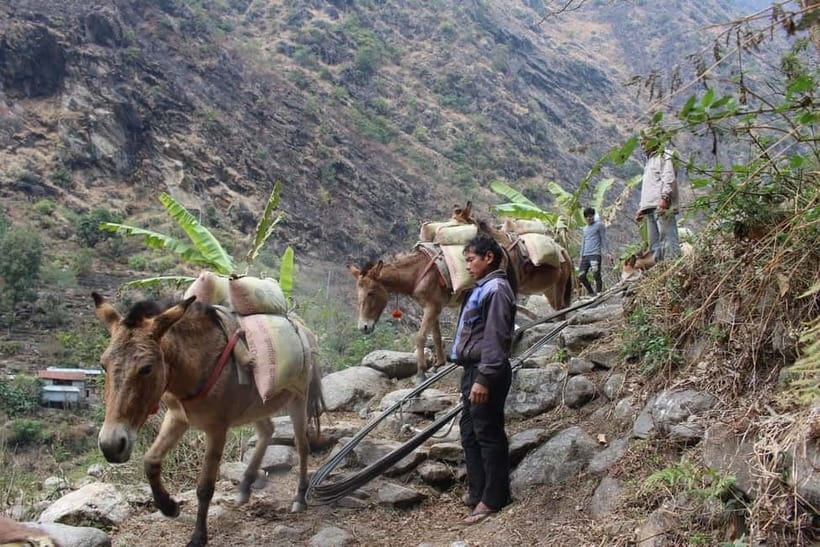
This is a great day for people who love villages and mountain drama. You’ll climb to around 3,200m over about 15 km, typically 5–6 hours.
The approach via the Bhratang Valley feels scenic and steady. You’ll notice the air thinning, but the views start showing Annapurna angles that you can’t ignore. When you reach Upper Pisang, you’re not just checking into a teahouse—you’re stepping into a village where mountain culture shows up clearly.
I especially like this stop because it’s one of the places where you can slow down without feeling guilty. Walk a little, sit in the teahouse area, ask locals what they see day to day. This is also a common photo day because the mountain lines look sharp and close.

Day 4: Upper Pisang to Manang, Higher Terrain and Big Names
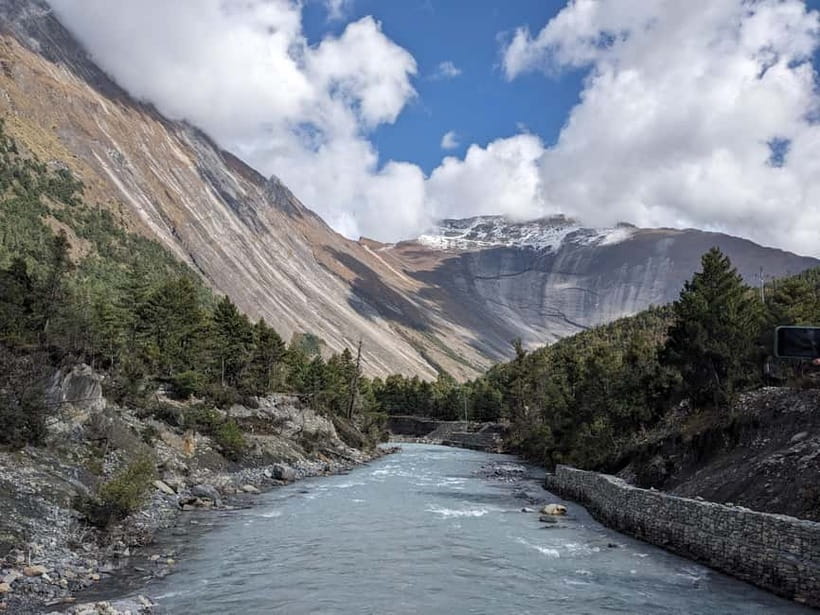
Another step upward. You’ll trek about 16 km in 5–6 hours to Manang (around 3,540m). This day shifts further toward alpine terrain with forests and valleys, and the peaks start getting named for a reason: Tilicho Peak, Annapurna III, and Annapurna IV.
There’s a practical reason Manang matters beyond the views. Manang is where people start feeling the altitude more directly, so the finish here sets up the acclimatization plan for what comes next. When you arrive, you’ll rest at a teahouse and let your body catch up.
If you’re prone to getting anxious on climbs, this is the day to keep your pace calm. You don’t win by rushing. You win by arriving and being able to sleep.
Day 5: Acclimatize in Manang (around 4,050m)
This is one of the most valuable days on the whole itinerary. You stay in Manang at about 4,050m for acclimatization, which is exactly what it sounds like: your body gets time to adjust.
There’s an optional hike if you feel up to it, including an outing toward Gangapurna Glacier Lake or nearby icefalls. Even when you don’t do the optional hike, the day still works. The rhythm becomes: rest, eat, hydrate, and walk a little if you can.
I’ve found acclimatization days make or break high-altitude trips. They turn “I’m surviving” into “I’m participating.” And you’ll appreciate that later on the pass day.
Day 6: Manang to Yak Kharka, Shorter Walk, Higher Stakes
Today is a shorter trek: about 7 km over roughly 4 hours, rising to around 4,050m. The point is smart. You don’t just keep climbing relentlessly; you give your system time to adjust while still moving higher.
Yak Kharka feels like alpine pasture territory. The views are wide, and the air is crisp in a way that makes breathing feel more intentional. You’ll likely reach your teahouse with a “worked but okay” feeling, which is what you want before tomorrow.
Unwind, eat well, and don’t underestimate sleep. Tomorrow is the day you’ll remember for years.
Day 7: Yak Kharka to Thorong Phedi, Setting Up for the Pass
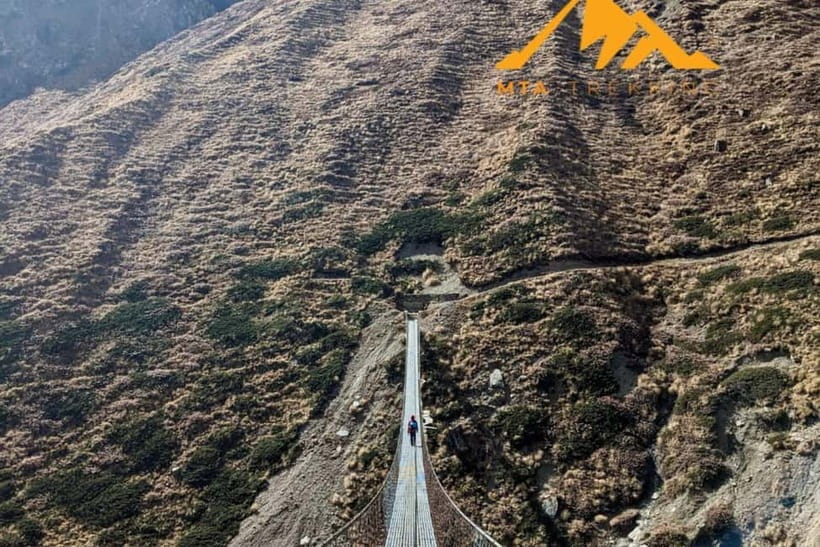
This day is about getting to Thorong Phedi (around 4,450m). It’s roughly 6 km over 4–5 hours, climbing across rocky paths and suspension bridges. You’ll feel the height in your lungs, but the trail also gives you a clear target: tomorrow’s pass crossing.
Thorong Phedi is essentially base-camp territory for Thorong La. You’ll settle into a teahouse and plan your timing. This is where your guide’s job becomes very real: keeping the group calm, explaining how to pace, and helping you manage the mental game of a very high pass.
Some guides in this group experience are known for staying close, checking in often, and sharing practical pacing advice. In past trekkers’ experiences, guides like Sishir and Parkash were mentioned for that steady support, plus giving smart suggestions such as carrying part of a bag on the hardest day.
Day 8: The Big Day — Thorong La Pass (5,416m) to Muktinath
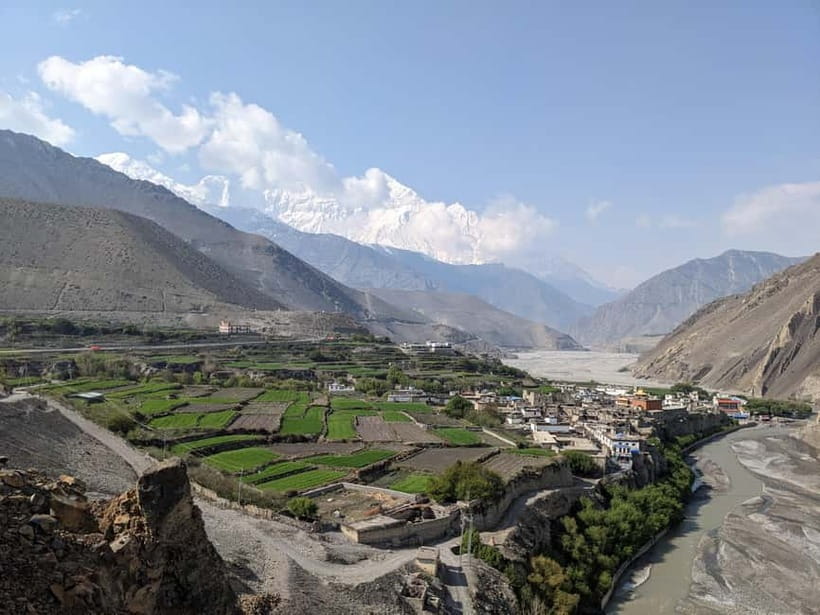
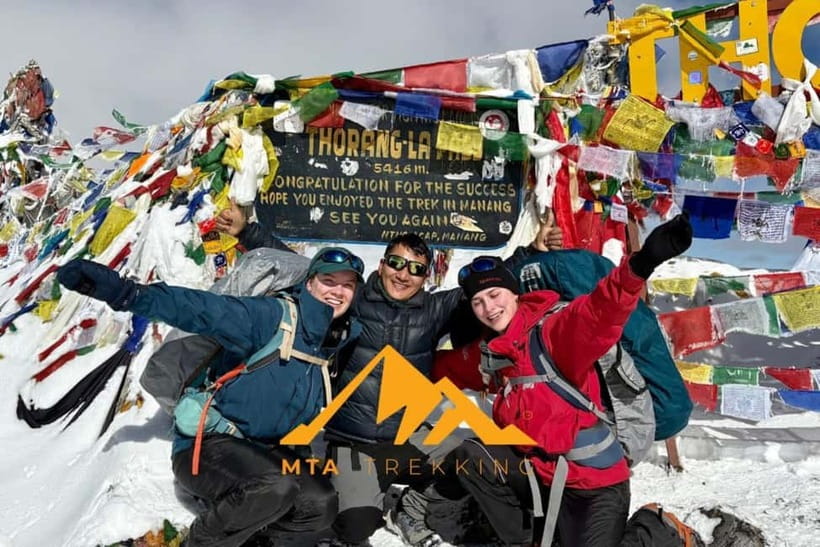
This is the headline act. The plan starts very early, around 4:00 AM, because wind and conditions matter at high altitude. You climb up to Thorong La Pass (5,416m), and while it’s challenging, it’s also rewarding in the classic “I did it” way—prayer flags, huge panoramas, and that empty, cold clarity you only get up high.
The climb can feel exhausting going up. The descent can also feel longer than you expect because your legs are doing new work at altitude. Plan for that. Don’t judge yourself for suffering a little.
After the pass, you descend steadily toward Muktinath, arriving around 12–1 PM. You’ll stop for lunch and overnight in the Muktinath area. This is a cool shift: you go from high pass hardship into a pilgrimage landscape where temples and faith are part of daily life.
There’s also an optional side trip to Tatopani hot springs after the big day. The important detail is that the taxi costs are listed as about USD 50, and that’s not included in the base package.
Day 9: Muktinath Back to Pokhara
You finish with a drive from Muktinath to Pokhara by bus, about 5–6 hours (roughly 110 km). This day is mostly recovery and logistics, and that’s a relief after the pass.
In Pokhara, you’ll have one night of tourist-standard luxury accommodation at Hotel Orchid, plus a farewell dinner in Lakeside with traditional Nepali food. It’s a nice way to come down from the mountain emotionally too, not just physically.
If you’re heading back to Kathmandu, the plan includes a luxury tourist AC sofa-seater bus from Pokhara to Kathmandu.
Tea Houses, Meals, and the Real Comfort Level
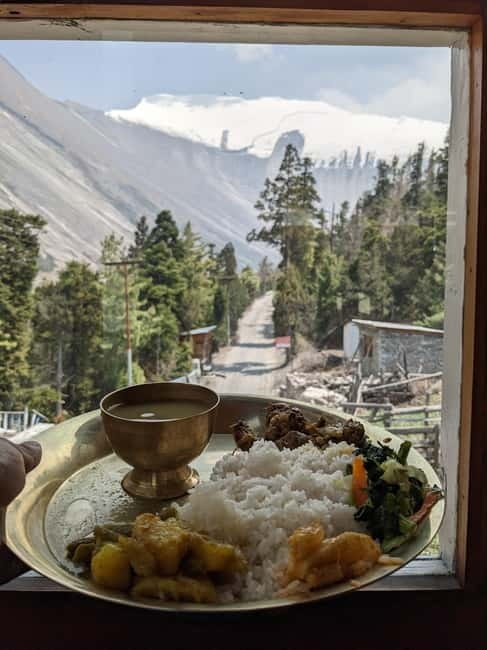
Let’s talk comfort without sugarcoating it. You’ll sleep in tea houses / lodges for 8 nights on the trek. These are functional places: warm layers, basic rooms, and meals that keep you moving. The good news is you’ll be well fed enough to trek. The caution is that food can feel repetitive, since options in each small village are limited.
Cold is the big factor. One trekkers’ experience called out how seriously cold it got and warned to bring a proper sleeping bag. That matches what you should assume at high elevation. You’ll likely want to think in layers: base layer, warm mid layer, outer layer, and sleep gear that can handle chilly nights.
For water and showers, details aren’t spelled out in what’s included, but personal expenses like bottle/boiled water and shower costs are listed as not included. Bring your own plan for staying hydrated and handling the practical bits.
Guides, Permits, and What You’re Paying For (Without Price Numbers)
Even without a published dollar total here, you can judge value by what’s covered. This package includes:
- Authorized English-speaking trekking guide (and porter availability for an extra cost)
- Permits and paperwork, plus TIMS fees and government taxes
- Guide insurance coverage
- Luggage storage
- All meals during the trek for Full Package bookings
- Hotel Orchid in Pokhara and a farewell dinner
In plain terms: you’re paying for less guesswork. You’re not arranging permits, figuring route logistics, or haggling your way through every transfer. That matters a lot on a trek with real altitude and a pass day that starts at 4:00 AM.
You’ll also notice from real experiences that the human factor is strong. People described guides such as Ramit as friendly and accommodating, Ghanshyam as kind and safety-focused, and Chakra as supportive with local food and yak experiences. Even Binod and Bijay show up as coordinators and guides in first-hand accounts, which hints that this operator runs a system, not just a single guide who figures it out day to day.
Best Time to Go and Who Should Skip This Trek
Timing is everything in Nepal. The best windows are:
- Spring (March–May): warmer temps and blooming season
- Autumn (Sept–Nov): best visibility, mild temperatures
Winter (Dec–Feb) can mean cold and snow, plus possible trail closures. Monsoon (June–Aug) brings heavy rain and slippery trails, which is exactly what you want to avoid on a high pass route.
Health-wise, this trek is not for everyone. It’s not suitable for:
- children under 7
- pregnant women
- people with altitude sickness
- people with high blood pressure
If you’ve had altitude issues before, treat this as a serious warning, not a suggestion. You should also make sure your travel insurance covers high-altitude trekking, since travel and rescue insurance isn’t listed as included.
Should You Book the 9-Day Annapurna Circuit via Thorong La?
Book it if you want a trek that feels real: villages, teahouses, real altitude challenges, and a pass crossing that delivers a life highlight. This route has enough structure for acclimatization in Manang, plus a thoughtful build-up to Thorong Phedi and a very early pass start.
You might skip (or at least rethink timing and preparation) if cold nights would be a dealbreaker, or if you’re not confident about long walking days at elevations up to 5,416m. The pass day is tough. Even with a strong guide and good pacing, your body will work.
If you train a bit, pack for cold, and take acclimatization seriously, this is the kind of trek that gives you more than a photo. It gives you a story you’ll tell for years.
FAQ
How high is Thorong La Pass on this trek?
Thorong La Pass is at 5,416 meters above sea level. You cross it on the Day 8 trek after starting early around 4:00 AM.
How long is the trek, and what’s the overall duration?
The trek runs 9 days total, including travel days and the pass day.
What time do we start on the day we cross Thorong La?
On the Thorong La crossing day, the plan is to start very early, around 4:00 AM, to cross before winds pick up.
Is there an acclimatization day before the pass?
Yes. You have an acclimatization day in Manang around 4,050 meters (Day 5). An optional hike is offered if you feel up to it.
What lodging and meals are included?
You get 8 nights in tea houses/lodges during the trek, plus 1 night at Hotel Orchid in Pokhara. For Full Package bookings, all meals (breakfast, lunch, and dinner) during the trek are included.
What’s included for permits and paperwork?
Permits and paperwork are included, along with TIMS fees and applicable government taxes.
Is travel or rescue insurance included?
No. Travel and rescue insurance is listed as not included. You should make sure your own coverage fits high-altitude trekking.
What’s included in the return and transport?
You’ll travel by bus/jeep as per the route and return by bus from Muktinath to Pokhara on Day 9. The plan also includes an AC sofa-seater bus from Pokhara to Kathmandu.
What should I bring, and is anything not allowed?
Bring comfortable shoes, sunglasses, a sun hat, sunscreen, comfortable clothing, passport or ID card (copy accepted), and quick-dry clothing. Alcohol and drugs are not allowed.
More Treks in the Annapurnas
Also Reviewed Around Pokhara
Newer Pokhara reviews to browse before you decide
Hiking & Trekking, compared.
 ★ 5.0Poon hill Trek 3 daysFrom $230176 reviews
 ★ 5.0Trekking in Annapurna/Langtang/Everest/Upper Mustang regionsFrom $40161 reviews
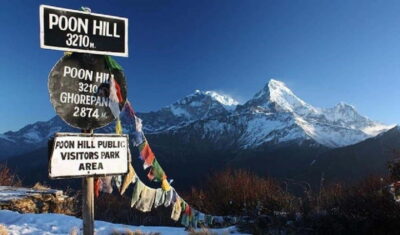 ★ 5.04-Day Ghorepani, Poonhill & Ghandruk Mountain TrekFrom $181132 reviews
 ★ 5.0Ghorepani – Poon Hill Trek 3N-4DFrom $321125 reviews
 ★ 5.0Annapurna Foothills Day Hike with TransfersFrom $42100 reviews
 ★ 4.9Kathmandu/Pokhara: 5-Day Annapurna Base Camp (ABC) TrekFrom $9672 reviews
 ★ 4.93-Day Ghorepani Poon Hill Trek with GuideFrom $16268 reviews
 ★ 4.94-Day Mardi Himal TrekFrom $13959 reviews
Browse the lists this tour appears in