
Reviewed · HIKING & TREKKING
Kathmandu: 10-Day Annapurna Circuit Trek via Thorong La Pass
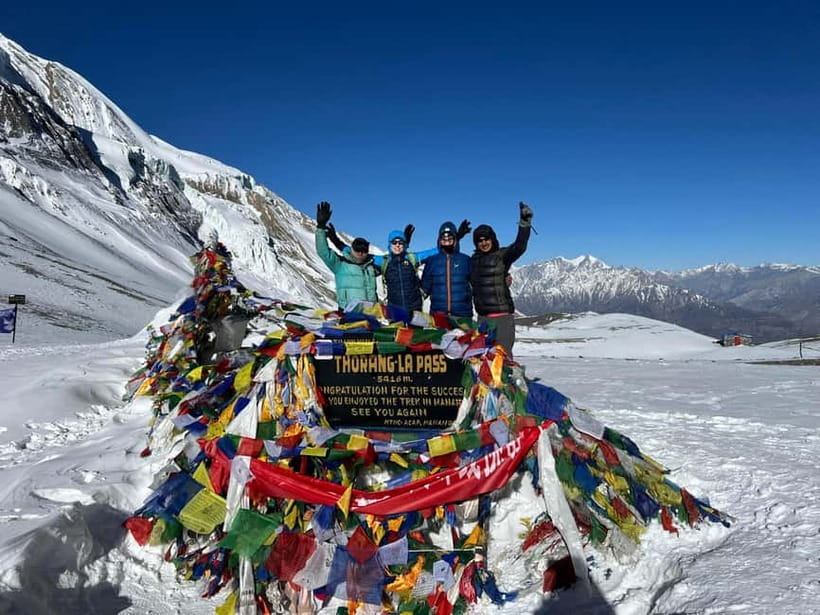
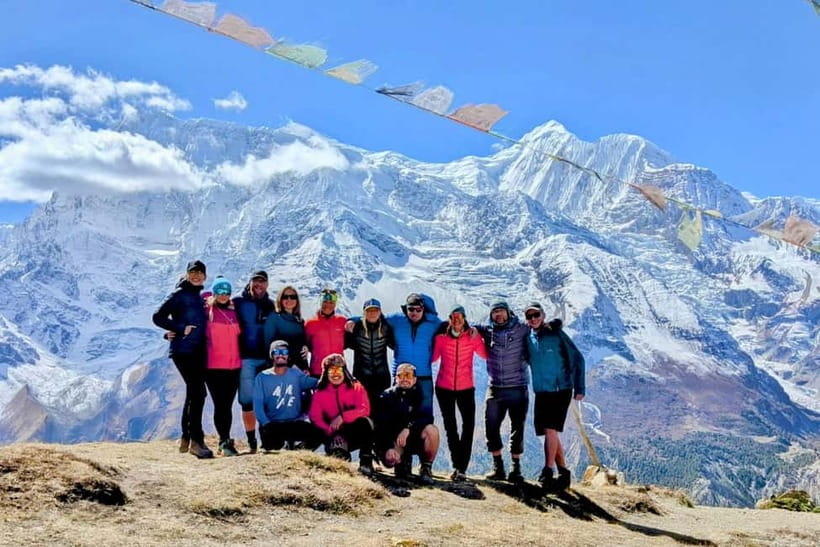
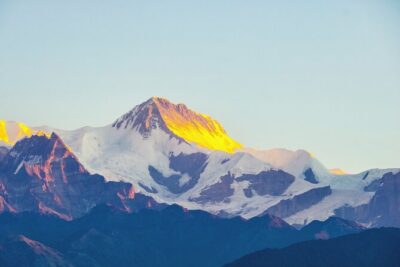
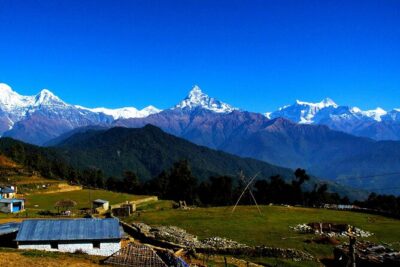
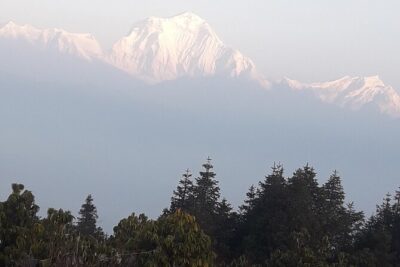
Thorong La is the real pay-off. This 10-day Annapurna Circuit trek from Kathmandu takes you from greener valleys into a high-altitude world of Tibetan-influenced villages, big views, and the kind of pass crossing you remember for years. The route’s centerpiece is Thorong La Pass (5,416m), with Annapurna, Dhaulagiri, and Machapuchare showing up again and again in the crisp air.
What I like most is the built-in acclimatization rhythm—you don’t just rush upward. The day in Manang (with optional short explorations) helps you adjust before the thinner air near Yak Kharka and Thorong Phedi. I also like how the trip emphasizes local culture and real trekking logistics, from village stops like Chame and Upper Pisang to tea house nights with all meals handled, so you can focus on breathing, walking, and resting.
The main drawback to think about is altitude reality. Thorong La at 5,416m can be a serious strain, especially with cold mornings, early starts, and limited margin for mistakes—this trek isn’t for everyone, and it’s explicitly not suitable for people with altitude sickness, respiratory issues, or pregnancy.
In This Review
- Key things to know before you go
- Why the Annapurna Circuit still feels like the best kind of challenge
- Price and what you actually get for $447
- Day 1–2: Kathmandu to Dharapani, then into Chame
- Day 3–4: Upper Pisang and Manang, where the villages turn mountain-focused
- Day 5: Acclimatize in Manang like you mean it
- Day 6–7: Yak Kharka and Thorong Phedi, the altitude test without the long days
- Day 8: Thorong La Pass at 5,416m to Muktinath
- Day 9–10: Kagbeni, Jomsom, and the reset in Pokhara
- Tea houses and meals: your best altitude tool is routine
- Guides, pacing, and why the right support changes everything
- Health and altitude: how serious you should treat Thorong La
- What to bring so cold mornings don’t wreck you
- Should you book this 10-Day Annapurna Circuit trek via Thorong La?
- FAQ
- How high do you trek on this route?
- What’s included in the trek price?
- Are meals included?
- What lodging do you use on the trek?
- Do I need trekking gear I provide myself?
- What languages does the guide speak?
- What are the transport parts from Kathmandu?
- Is this trek suitable for children?
- Is there free cancellation?
Key things to know before you go
- Thorong La Pass at 5,416m: the day you’ll plan everything around, including pacing and warmth.
- Manang acclimatization day: a full breathing space plus optional side hikes for perspective and comfort.
- Tea house trekking with all meals: fewer decisions each day when weather and altitude get demanding.
- Village culture stops: Chame, Upper Pisang, Muktinath, and Kagbeni help the trek feel human, not just high.
- A government-registered local guide: safety-first navigation and steady support at altitude.
- Pokhara comfort after the hard parts: one night at Hotel Orchid plus a farewell dinner to close the loop.
More treks and hikes across the Annapurna region.
- Poon hill Trek 3 days★ 5.0 · 176 reviews
- Trekking in Annapurna/Langtang/Everest/Upper Mustang regions★ 5.0 · 161 reviews
- Pokhara: 4-Day Ghorepani, Poonhill & Ghandruk Mountain Trek★ 5.0 · 132 reviews
- Ghorepani – Poon Hill Trek 3N-4D★ 5.0 · 125 reviews
Why the Annapurna Circuit still feels like the best kind of challenge
The Annapurna Circuit works because it gives you variety that feels earned. In just a handful of days you move through greener lower hills into drier, higher country where the villages look Tibetan and the mountains sharpen into view. That change isn’t just scenery—it’s a changing rhythm for your body, your mind, and how your day feels from start to finish.
I also like the way this route keeps the peaks relevant. You don’t just pass mountains on a map—you get repeated chances to notice them during the climb and again from higher vantage points near the Manang area. And since the pass is the big goal, the rest of the trek builds toward it with gradual steps rather than a single jump.
Price and what you actually get for $447
At $447 per person, this trek is priced like a solid “guided + organized” value rather than a bare-bones DIY adventure. The included package covers permits and TIMS, a government registered local guide, tea house/lodge accommodations during the trek, and all trek meals (breakfast, lunch, dinner). It also includes pickups and drop-offs from Kathmandu Thamel and Pokhara Lakeside, plus transport between destinations, and an emergency rescue assistance option.
It’s also easier to budget because you’re not paying for every meal and bed night along the way. You do still need to plan for what’s not included: soft and hard drinks, trekking insurance and medical coverage, Nepal visa fee and international flights, plus personal expenses like phone calls, laundry, shower items, battery recharge, and bottled or boiled water.
If you want the trade-off in plain terms: you pay more than a do-it-yourself route, but you buy down uncertainty. With a high-altitude pass involved, that matters.
Day 1–2: Kathmandu to Dharapani, then into Chame
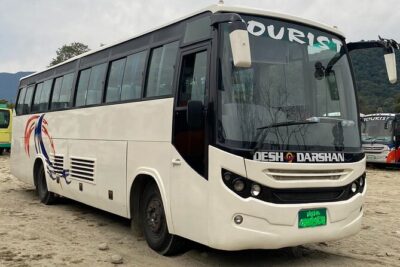
You start with a bus ride from Kathmandu to Besisahar (about 7–8 hours), then a shared jeep to Dharapani. It’s a long travel day, but it also does something useful: it gets you out of the city and into the trekking mindset without pretending the mountains are instantly close.
On Day 2 you trek to Chame (around 6 hours). This stretch is a good warm-up into the Annapurna Circuit feel: you walk through grassy areas with views of Annapurna II, pass through a Bhote village area and a Buddhist temple at Bagarchhap, and then shift into oak and pine forest before leveling out near Chame. The overnight in a tea house is where your new routine starts—layers on, water sorted, early sleep.
Potential consideration: the altitude climbs, but you’re still in a stage where you need to watch effort. It’s easy to get excited and walk too fast just because the day feels manageable.
Day 3–4: Upper Pisang and Manang, where the villages turn mountain-focused
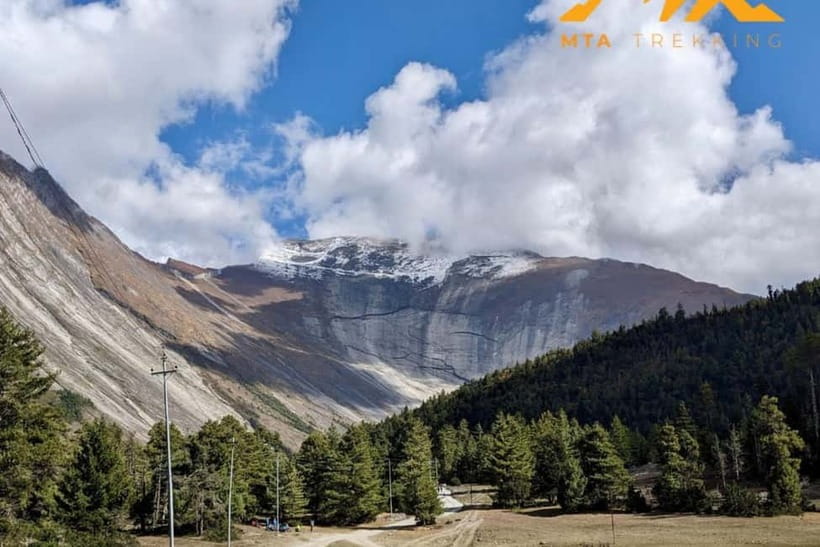
Day 3 takes you from Chame to Upper Pisang (about 5–6 hours). Expect a mix of climb and adaptation, with views toward Lamjung Himal. You also pass an apple orchard, which is a nice reminder that the Annapurna Circuit isn’t only about stone and ice—it’s also about farming and daily life in thin-air communities. As you reach the Bhratang Valley and head toward Pisang or Upper Pisang, your day starts feeling more “high Himalaya” than “hill trek.”
Day 4 goes from Upper Pisang to Manang (about 5–6 hours). This is one of the days where the views can feel almost educational: you get sightlines toward Tilicho Peak, Annapurna III, and Annapurna IV, plus a changing sense of the valley. You cross the Marsyangdi River on a wooden bridge and pass villages like Mungji and Braga before arriving in Manang.
What to watch: Manang sits high, and even when trekking hours aren’t long, the air makes your breathing work harder. Keep your pace controlled and don’t let the excitement set your rhythm.
Day 5: Acclimatize in Manang like you mean it
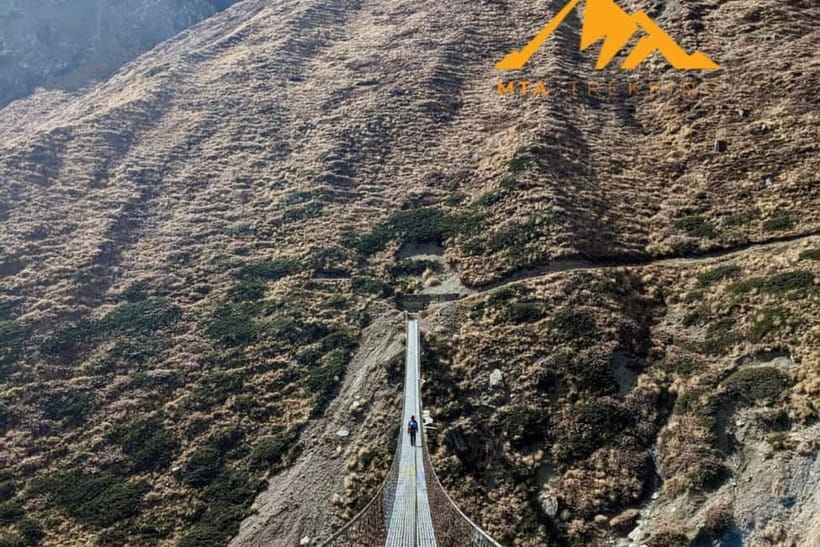
Manang is where the trek becomes smart. You take a full day here (max altitude listed at 4,050m), and the trip also includes time to explore the village and hike to a stupa. That’s not just sightseeing—it helps because you can move gently, get your bearings, and let your body catch up.
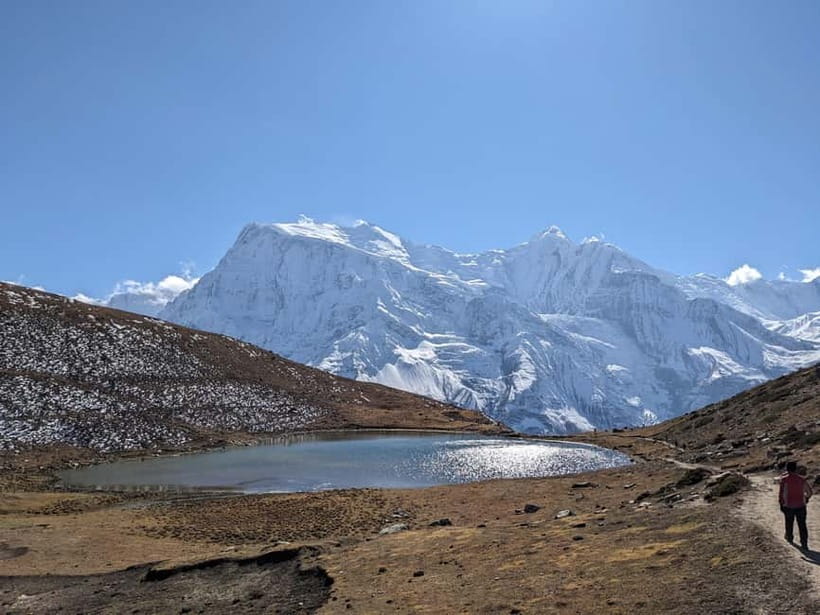
You also have optional side treks depending on energy and conditions. The plan mentions a crossing route to see an icefall and an option to explore Gangapurna Glacier Lake. These choices matter because they give you something to do without forcing a full day of hard climbing.
This is also where good guiding really shows. One guide praised in this trek style, Prakash, was specifically described as keeping people warm at night, making sure everyone ate well, and guiding acclimatization so altitude fears didn’t become altitude panic.
Day 6–7: Yak Kharka and Thorong Phedi, the altitude test without the long days
Day 6 is from Manang to Yak Kharka (about 4 hours). The day is shorter, but the altitude makes it feel heavier than you’d expect. Reviews and trekking guidance here consistently stress slow movement, steady hydration, and avoiding the temptation to sprint because the clock looks friendly.
Then Day 7 climbs from Yak Kharka to Thorong Phedi (about 4–5 hours). This is a key setup day. You start with a gradual ascent, then descend toward the Marsyangdi headwaters before heading back up along the river area. You’ll cross a hidden wooden bridge and then follow the path on the right bank as Thorong La gets closer.
Practical feel: this isn’t a day to rush gear checks. Cold at high altitude can hit fast, so plan your warmth strategy early—layers, warm top for breaks, and comfortable dry socks.
Day 8: Thorong La Pass at 5,416m to Muktinath
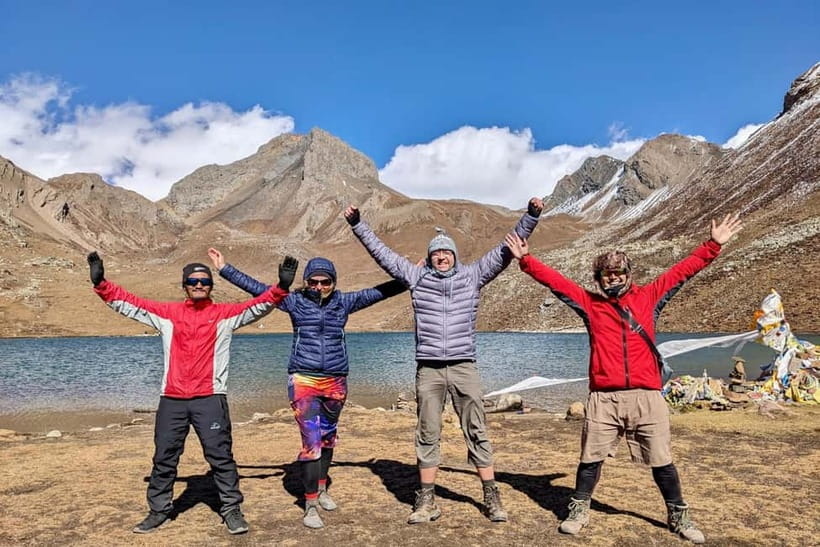
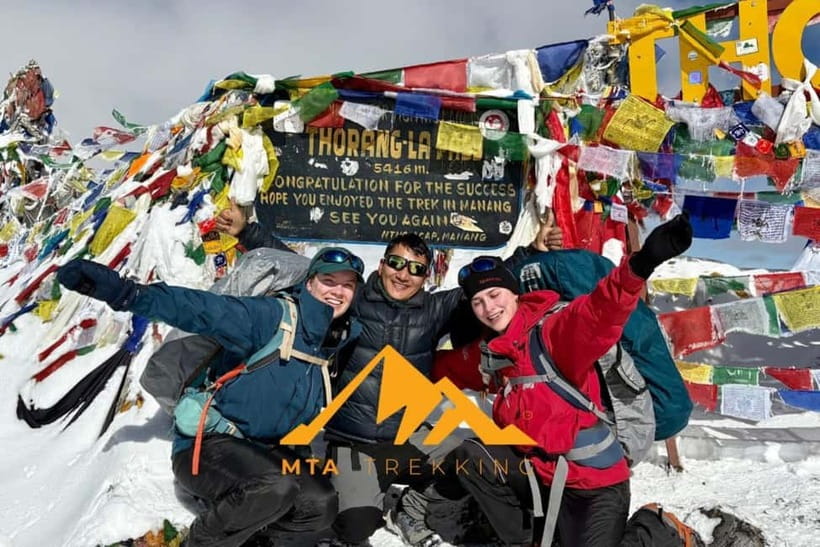
Day 8 is the big one: Thorong Phedi to Muktinath via Thorong La Pass (7–8 hours). The pass at 5,416m is one of the highest trekking passes around, and the route treats it like the main event for a reason. The challenge is physical (breathing) and mental (staying calm in thin air), not just technical.
Expect the day to be a mix of hard uphill segments and long stretches where you just focus on effort control. As you get higher, the views become a payoff you can’t rush. Then you descend, and the terrain changes again—Thorong La drops you into a different mood, with the Mustang Valley area and Dhaulagiri showing up during the descent toward Muktinath.
Guide support tends to matter most here. For example, Chakra was praised for route knowledge and for coaching people on acclimatization and food choices to reduce trouble at altitude. Ghanshyam was praised for adapting support to needs and guiding people to Thorong La in a way that felt comfortable rather than chaotic.
Day 9–10: Kagbeni, Jomsom, and the reset in Pokhara
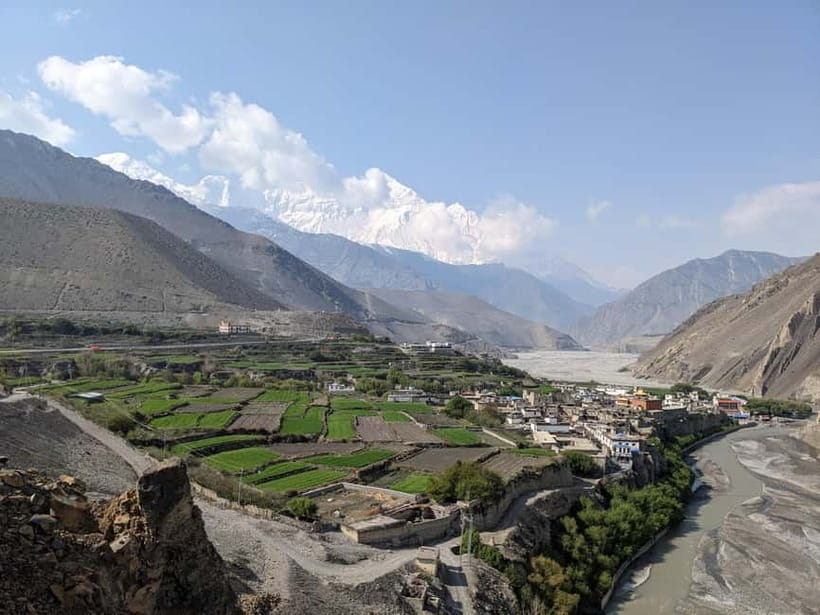
Day 9 treks from Muktinath to Jomsom via Kagbeni (about 7–8 hours). This section often feels different because it’s more about letting you enjoy the last stretch without worrying about the pass. Kagbeni adds that extra human layer—more village character, narrow valley paths, and a sense that Mustang-influenced culture is truly part of the trekking story.
Day 10 shifts gears with public bus service from Jomsom to Pokhara (about 8 hours). After days of walking and altitude adjustments, the bus ride can feel like a gentle ending. You also get that post-trek reward built in: one night at Hotel Orchid in Pokhara plus a farewell dinner to close out the trip.
A nice practical point: Pokhara is where you can sleep on a normal schedule again, eat at a calmer pace, and do any small reset tasks like sorting photos, drying gear, and giving your body a full recovery day.
Tea houses and meals: your best altitude tool is routine
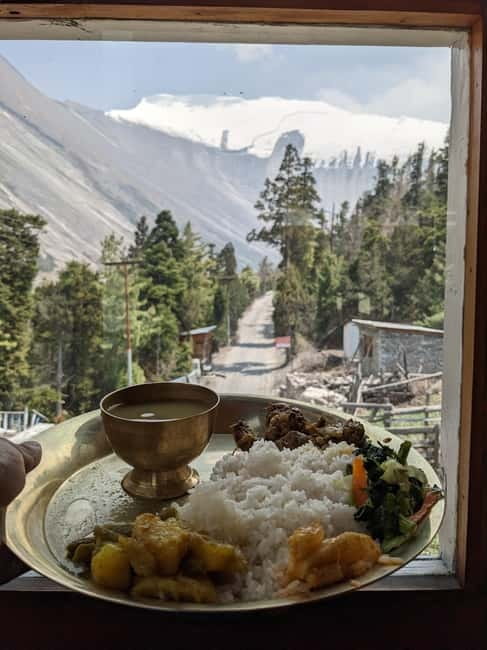
This trek uses tea houses and lodges, and the package includes all meals during the trek. That’s a big help at altitude, because when breathing is harder, fewer decisions reduce stress. You know you’ll have breakfast, lunch, and dinner waiting, and you don’t need to hunt for food options late in the day.
One guide story worth taking seriously: Ganshyam was praised for helping with water safety and even providing purifier tablets in advance. Even if your experience varies, the message is consistent: hydration and safe drinking water matter, and a good guide takes it personally when people feel tired or cold.
What you still control: your pacing, your clothing layers, and how carefully you follow altitude rules. The guidance shared through this trek style emphasizes eating appropriately and avoiding risky choices at higher elevations.
Guides, pacing, and why the right support changes everything
The trek includes an experienced government registered local guide, and the trip is private group with English and Hindi support. In a high-altitude setting, this isn’t a small detail—it’s how you keep the day from turning into guesswork.
Several guide names came up with the same overall approach: Ganesh, Prakash, Chakra, and Ghanshyam were all praised for caring, patient support, and acclimatization focus. The common thread is pacing and safety mindset: reminders to go slowly, enough rest, and staying hydrated. One review also highlighted how the guide helped someone adapt routes that were maybe longer but more visually rewarding—so you still feel like you’re walking toward something, not just dragging uphill.
Group size is private, so you can expect fewer crowd constraints than shared big-group trekking formats. That can help your rhythm stay consistent, especially on rough weather or fatigue days.
Health and altitude: how serious you should treat Thorong La
Acute Mountain Sickness (AMS) is a real risk on this route, and the trip explicitly calls it out. For your safety, it recommends comprehensive travel insurance with medical coverage and helicopter evacuation up to an altitude of 5,400 meters. That’s not there for drama; it’s a practical reminder that help at high elevations can be complicated.
The trek is also listed as not suitable for:
- children under 15
- people with altitude sickness
- people over 70
- people with respiratory issues
- pregnant women
If you’re unsure where you fit, treat this as a medical decision, not a vacation bet. You’ll feel the altitude most on the higher days (Yak Kharka, Thorong Phedi, and especially Thorong La).
What to bring so cold mornings don’t wreck you
The trip gives a clear packing list, and I’d follow it closely:
- warm clothing
- change of clothes
- long pants
- waterproof bag
- sunscreen
- passport or ID card
- trekking gear
- hiking shoes
- sunglasses
Also think in systems: you want dry layers you can swap quickly, plus footwear that grips well when trails get icy or slippery. If you’re missing even one comfort item, you’ll feel it more at 5,000m-plus.
Alcohol and drugs are not allowed, which is important for safety and how people respond to altitude.
Should you book this 10-Day Annapurna Circuit trek via Thorong La?
Book it if you want a structured, guided Annapurna Circuit trek with meals handled, tea house nights included, and a proper acclimatization day in Manang before the Thorong La Pass crossing. The $447 price makes sense when you factor in permits/TIMS, a government registered local guide, transport from Kathmandu into the trekking route, and the Pokhara hotel plus farewell dinner.
Skip it (or at least rethink) if you don’t have a safe altitude plan for AMS risk, if you fall into the listed not-suitable categories, or if you’re likely to ignore your body just to keep up. This trek rewards patience. People who try to power through often suffer more.
If you’re comfortable making smart choices—slow pace, warm layers, steady hydration—then Thorong La feels like the kind of goal that turns into a true travel memory, not just a line on a checklist.
FAQ
How high do you trek on this route?
The itinerary includes crossing Thorong La Pass at 5,416m. It also lists maximum altitudes across several days, including 4,050m at Manang and 4,450m at Thorong Phedi.
What’s included in the trek price?
Included items are hotel pickup and drop-off (Kathmandu Thamel and Pokhara Lakeside areas), permit and TIMS card, a government registered local guide, tea house/lodge accommodation during the trek, all trek meals, transport between destinations and to/from included activities, an Orchid Hotel stay in Pokhara after the trek, a farewell dinner, and emergency rescue assistance.
Are meals included?
Yes. Breakfast, lunch, and dinner are included during the trek.
What lodging do you use on the trek?
You’ll stay in tea houses and lodges during the trekking days.
Do I need trekking gear I provide myself?
Yes. Trekking gears are listed as not included.
What languages does the guide speak?
The live guide is listed as English and Hindi.
What are the transport parts from Kathmandu?
You drive from Kathmandu to Besisahar by bus (about 7–8 hours), then transfer from Besisahar to Dharapani by shared jeep. The end of the trek includes public transport from Jomsom to Pokhara by bus (about 8 hours).
Is this trek suitable for children?
No. It is not suitable for children under 15.
Is there free cancellation?
Yes. You can cancel up to 24 hours in advance for a full refund.
More Treks in the Annapurnas
Also Reviewed Around Pokhara
Newer Pokhara reviews to browse before you decide
Hiking & Trekking, compared.
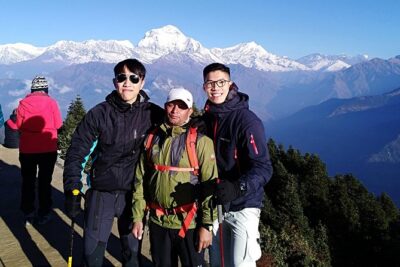
 ★ 5.0Poon hill Trek 3 daysFrom $230176 reviews
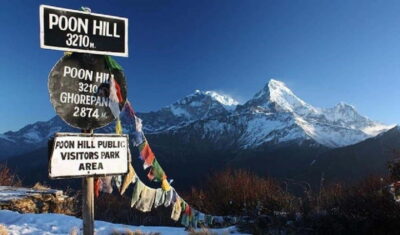
 ★ 5.0Trekking in Annapurna/Langtang/Everest/Upper Mustang regionsFrom $40161 reviews
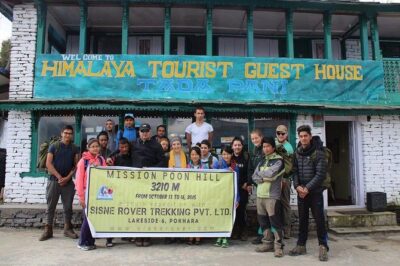
 ★ 5.04-Day Ghorepani, Poonhill & Ghandruk Mountain TrekFrom $181132 reviews
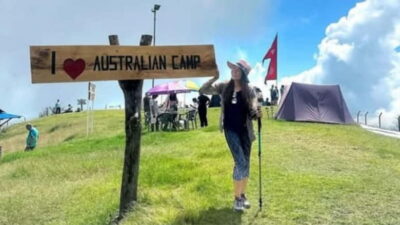
 ★ 5.0Ghorepani – Poon Hill Trek 3N-4DFrom $321125 reviews
 ★ 5.0Annapurna Foothills Day Hike with TransfersFrom $42100 reviews
 ★ 4.9Kathmandu/Pokhara: 5-Day Annapurna Base Camp (ABC) TrekFrom $9672 reviews
 ★ 4.93-Day Ghorepani Poon Hill Trek with GuideFrom $16268 reviews
 ★ 4.94-Day Mardi Himal TrekFrom $13959 reviews
Browse the lists this tour appears in