
Reviewed · POON HILL SUNRISE TREKS
Private 4 Day Poon Hill Trek from Pokhara
Poon Hill dawn sets the tempo. This Private 4-day trek from Pokhara pairs Poon Hill sunrise with Gurung and Magar village teahouses, so you get mountains plus day-to-day Nepal life. It’s a tight loop that’s short enough for most people, but still gives you that big-horizon feeling you came for.
I love the way the trip balances effort and comfort. The English speaking trekking guide is built in, and the focus isn’t only on walking—it’s also on stories about the region, traditions, and wildlife. I also like that permits (TIMS and trekking permit) are included, plus hotel pickup/drop-off and round-trip transfer by private car.
One possible drawback: you’ll start very early on summit day for sunrise. Also, meals aren’t included, and you’ll be paying about US$28 per person per day once you’re on the trail.
In This Review
- Key things that make this Poon Hill trek worth your time
- Poon Hill sunrise: why that early start is the whole point
- Pokhara to the start of the trail: getting moving without chaos
- Day 1 Tikhedhunga: a gentle build toward the main trek days
- Day 2 Ulleri to Ghorepani: staircase energy plus rhododendron and oak
- Day 3 Poon Hill at dawn, then Ghandruk’s Gurung hospitality
- Day 4 Ghandruk to Naya Pul: downhill views and back to Pokhara
- Guides, permits, and private comfort: where the value shows up
- Teahouses and meals: what’s included, what’s on you
- Price and logistics: does $240 make sense?
- Who should choose this Poon Hill trek (and who should pause)
- Should you book the Private 4 Day Poon Hill Trek from Pokhara?
- FAQ
- How long is the Private 4 Day Poon Hill Trek?
- Where does the trek start and end?
- Is hotel pickup and drop-off included?
- Do I need to arrange trekking permits myself?
- Is an English-speaking guide provided?
- What type of accommodation do we stay in?
- Are meals included in the price?
- How long are the trekking days?
- Is this a private tour?
- What is the cancellation policy?
- Do you get confirmation after booking?
Key things that make this Poon Hill trek worth your time
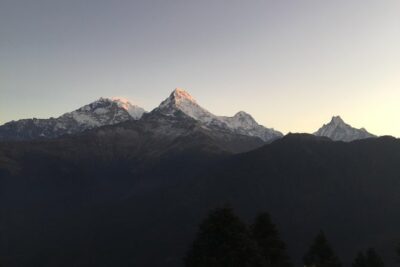
- The Poon Hill sunrise is the main event with panoramic views over the Annapurna and Dhaulagiri ranges.
- Ulleri’s stone staircase adds a real workout, but it’s the kind that feels honest and doable.
- Teahouse nights keep it human-scale with time to talk with locals and slow down.
- Ghandruk gives you Gurung hospitality vibes after a long walking day.
- Private trip setup matters if you want a smoother pace and less waiting around.
- You’re not stuck managing paperwork because trekking permit and TIMS card are handled.
More Poon Hill and Ghorepani routes, weighed by nights and effort.
- Poon hill Trek 3 days★ 5.0 · 176 reviews
- Pokhara: 4-Day Ghorepani, Poonhill & Ghandruk Mountain Trek★ 5.0 · 132 reviews
- Ghorepani – Poon Hill Trek 3N-4D★ 5.0 · 125 reviews
- From Pokhara: 3-Day Ghorepani Poon Hill Trek with Guide★ 4.9 · 68 reviews
Poon Hill sunrise: why that early start is the whole point
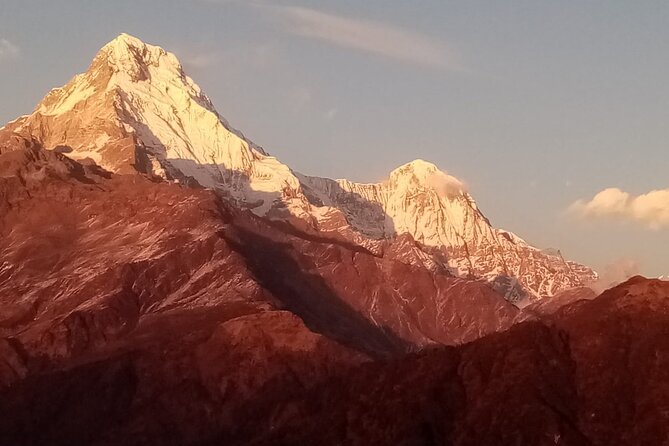
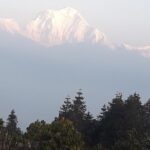
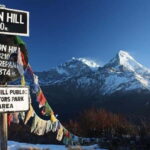
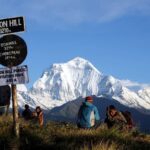
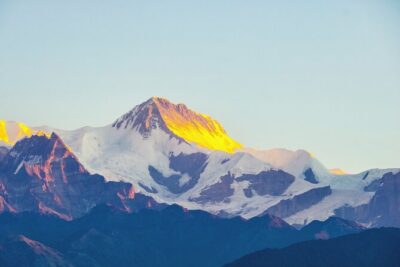
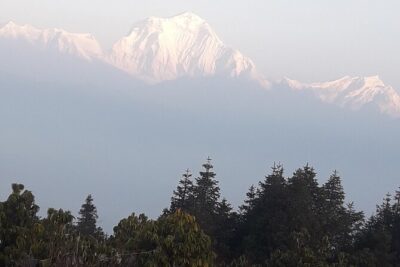
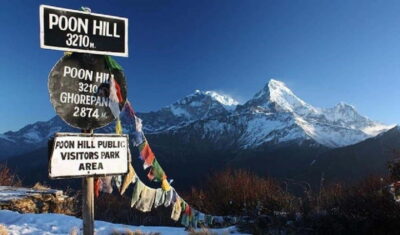
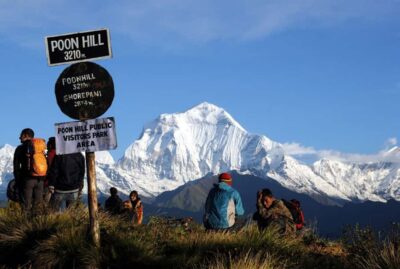
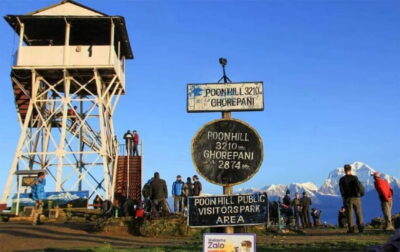
If you’re doing a Poon Hill trek, you’re doing it for the dawn views. The plan is a very early hike up to Poon Hill View Point so you can catch the sunrise lighting up the Annapurna and Dhaulagiri ranges—orange and gold vibes is the idea.
What I like here is how focused the schedule is. Day 3 is built around that one moment, then you’re back on the trail quickly afterward to continue toward Ghandruk. That prevents the trip from turning into a one-night wonder.
Rain and cloud can always happen in the mountains. If the sky is grey, sunrise may not look like the photos. Your best bet is to go anyway and trust the guide to keep timing tight so you don’t waste the dawn window.
Pokhara to the start of the trail: getting moving without chaos
Pokhara is your base, and the trek starts with a straightforward transfer. On day one, you’ll drive by public bus from Pokhara to Nayapul (about 1–2 hours), then begin trekking from Nayapul, passing through places like Birethanti and Hille before climbing up toward Tikhedhunga.
This is a smart way to start because it avoids that feeling of being thrown onto a trail with zero ramp-up. You’re walking by day, not just hitching a ride from one point to another. For a first-time trekker, that matters.
If you’re the kind of person who hates uncertainty, note that your broader transport includes pickup and drop-off, and the tour is set up as private. Even though part of the route uses a public bus, the overall structure is designed to keep you from handling logistics all by yourself.
Day 1 Tikhedhunga: a gentle build toward the main trek days
Day one is about getting your legs used to trail rhythm. You’ll trek for around 6 hours, starting from Nayapul and climbing through Tikhedhunga.
Tikhedhunga is a good first-night village because it sits at the point where the trek feels real but you’re still not facing the steepest sections back-to-back. You also start meeting the rhythm of teahouse travel: walk, stop for tea, chat, walk again.
The biggest “drawback” on day one is simply fatigue. Six hours isn’t huge, but it’s enough to make you feel the next morning. If you want to avoid that groggy day-two mood, keep your pace steady and don’t sprint the first climbs.
Day 2 Ulleri to Ghorepani: staircase energy plus rhododendron and oak
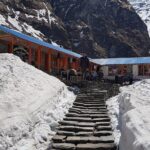
Day two is the day with the signature effort. You ascend via a steep stone staircase to Ulleri village, then continue through rhododendron and oak forests, reaching Ghorepani for an overnight stay after about 6 hours of trekking.
That staircase matters because it gives you a clear “I earned this” feeling. It’s also where trekking poles can be useful for some people (not required, but helpful on stone steps). The guide will set your pace, and the private nature of the trip usually helps avoid getting stuck behind slower hikers for too long.
Ghorepani is also a turning point. Even before Poon Hill day, you start getting that sense of the mountains opening up. It’s a classic base for summit timing, and your night here puts you in position for the early hike on day three.
More private, guide-led trips in Pokhara.
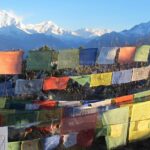
Day 3 Poon Hill at dawn, then Ghandruk’s Gurung hospitality
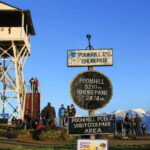
Day three has two phases, and you’ll feel the change in tempo. First comes the early morning hike to Poon Hill View Point for sunrise over the Annapurna and Dhaulagiri ranges. Then you descend back to Ghorepani and continue trekking toward Ghandruk.
The Ghorepani-to-Ghandruk hike is listed at about 6 hours, and Ghandruk is known for its Gurung village culture and hospitality. This is where the trek becomes more than scenery. You’re in teahouse accommodation, and the day gives you more chances to interact with locals rather than just move from stop to stop.
One thing to plan mentally: day three is long in two different ways. You’re walking early for sunrise, then you’re still walking again to reach Ghandruk. If you’re sensitive to early mornings, ask your guide about how they handle timing so you can rest as much as possible after the sunrise moment.
Guides named in customer feedback—like Milan Rai, Biru, Vikram, Amrit, and Sham—are often praised for clear English and caring pacing. That matters on a split day like this, where you need both safety and good timing more than you need speed.
Day 4 Ghandruk to Naya Pul: downhill views and back to Pokhara
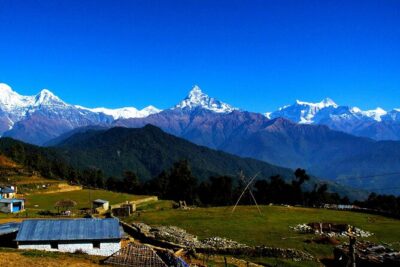
Day four is the “legs-down” day. From Ghandruk you hike downhills via a scenic route toward Naya Pul, with time in rhododendron forest along the way. The walk is listed at about 6 hours, and the route includes mountain views such as Annapurna I, Annapurna South, Dhaulagiri, Fishtail, and Himchuli.
Downhill trekking is its own kind of challenge. It can feel easier than climbing, but it can be rough on knees if you overstride. I’d keep your steps short and controlled, and let your guide set a pace that feels safe rather than fast.
After reaching Naya Pul, you catch a local bus back to Pokhara Lakeside (about 1 hour 30 minutes) and then get dropped back to your hotel. This is a nice way to close the loop because you return with time to shower, eat, and actually enjoy Pokhara again without rushing.
Guides, permits, and private comfort: where the value shows up
This trek includes an English speaking trekking guide, and that’s not a small detail. When you’re walking through village trails and forest sections, you benefit from someone who can explain what you’re seeing and keep the timing right for summit day.
The other value piece is paperwork and permissions. You get a trekking permit and the TIMS card included, which means you’re not trying to figure out forms while traveling. For many visitors, that alone makes the trip feel less stressful.
Transport is also handled. You get hotel pickup and drop-off, plus round-trip transfer by private car as per the itinerary. The tour also notes a mobile ticket and group discounts, but either way, the private setup means it’s just your group.
In customer feedback, guides like Biru and Bikram are described as patient and helpful, and Vikram is credited with listening to what guests want and adjusting the experience with off-the-beaten-track routes. That kind of guide style can make the trek feel more personal without turning it into a chaotic free-for-all.
Teahouses and meals: what’s included, what’s on you
Your lodging is at guest house / teahouse style accommodations. Meals are not included, but meals are available to purchase on the trail, listed at about US$28 per person per day.
That setup is common on shorter trekking routes. It also gives you control: if you feel like resting, you can keep it light; if you need fuel, you can eat more. The tradeoff is cost planning, because your trek budget needs room for daily meals.
Practical advice: carry some cash and a few snacks you like for the walking moments. You don’t want to be stuck waiting for food at the exact time you’re ready to move.
Price and logistics: does $240 make sense?
At $240 per person for an approx 4-day private trek, the math looks fair when you count what’s included. You’re getting an English speaking guide, guest house accommodation, hotel pickup/drop-off, private-car transfers as per itinerary, and the trekking permit plus TIMS card.
Meals are extra, and optional gratitude is mentioned, so your true total depends on how you eat. But even with that, $240 is covering a lot of the expensive “in-between” work: transport coordination, guide support, and compliance permits.
Where this really pays off is if you value convenience and don’t want to spend your vacation days organizing logistics. If you like DIY trekking planning, you could potentially arrange parts cheaper. But if you want a smoother, guided experience with the sunrise built in, this pricing is in the reasonable zone.
Who should choose this Poon Hill trek (and who should pause)
This tour is aimed at people with moderate physical fitness. If you can handle 6-hour trekking days and a steep stone staircase, you’ll likely feel comfortable. The route is short enough to manage without weeks of acclimatization planning.
This is a great fit if you want:
- A classic Poon Hill sunrise experience without going longer than four days
- Village nights in teahouses and chances to interact with locals
- A private guided setup with English support
I’d pause if you have knee issues or you dislike early mornings. Day three starts very early, and day four is downhill for hours. Neither is impossible, but it’s worth knowing what you’re signing up for before you lock in.
Should you book the Private 4 Day Poon Hill Trek from Pokhara?
I’d book this if you want the Annapurna sunrise moment, plus real village time, in a compact 4-day format. The combination of Poon Hill timing, Gurung-focused village living in teahouses, and included permits makes it a practical way to do a famous trek without adding extra hassle.
If you’re deciding between doing this yourself versus booking, I’d lean toward booking when you care about guide support on timing and safety. And if you’re the type who likes meeting locals rather than just taking photos and moving on, the Ghandruk night is the part that often makes people remember the trek more than the view alone.
If you care most about having a relaxing pace, consider asking your guide about day-to-day speed and break rhythm before you start. With a private tour, that conversation can actually matter.
FAQ
How long is the Private 4 Day Poon Hill Trek?
The trek is listed as 4 days (approx.).
Where does the trek start and end?
It starts from Nayapul and returns to Nayapul on day four, then you go back to Pokhara Lakeside and are dropped at your hotel.
Is hotel pickup and drop-off included?
Yes. Hotel pickup and drop-off are included.
Do I need to arrange trekking permits myself?
No. Trekking permit and the TIMS card are included.
Is an English-speaking guide provided?
Yes. The tour includes an English speaking trekking guide.
What type of accommodation do we stay in?
You stay at guest house / teahouse accommodation during the trek.
Are meals included in the price?
No. All meals are not included, but meals are available for purchase on the trail (about US$28 per person per day).
How long are the trekking days?
The trek includes days with about 6 hours of hiking on day one, day two, and the Ghorepani to Ghandruk segment on day three, plus about 6 hours for the Ghandruk to Naya Pul walk on day four.
Is this a private tour?
Yes. This is a private tour/activity, and only your group will participate.
What is the cancellation policy?
You can cancel for a full refund if you cancel up to 24 hours in advance. If you cancel less than 24 hours before the start time, the amount paid will not be refunded.
Do you get confirmation after booking?
Yes. Confirmation is received at the time of booking.
More Private Trips
Also Reviewed Around Pokhara

More Poon Hill Sunrise Treks
Newer Pokhara reviews to browse before you decide
Poon Hill Sunrise Treks, compared.
 ★ 5.0Poon hill Trek 3 daysFrom $230176 reviews
 ★ 5.04-Day Ghorepani, Poonhill & Ghandruk Mountain TrekFrom $181132 reviews
 ★ 5.0Ghorepani – Poon Hill Trek 3N-4DFrom $321125 reviews
 ★ 4.93-Day Ghorepani Poon Hill Trek with GuideFrom $16268 reviews
 ★ 5.03-Day Ghorephani and Poon Hill Private TrekFrom $12658 reviews
 ★ 5.04-Day Private Poon Hill Trekking TourFrom $35958 reviews
 ★ 4.62-Day Ghorephani and Poon Hill Private TrekFrom $10450 reviews
 ★ 5.03-Day Poon Hill Trek from Pokhara.From $41045 reviews
Browse the lists this tour appears in