
Reviewed · POON HILL SUNRISE TREKS
Pokhara: 5-Day Ghorepani and Poon Hill Private Trek
Five days of mountains, and one early wake-up that feels worth it. This Pokhara-based Ghorepani and Poon Hill trek is built for big views without a long itinerary, and the payoff is a dramatic sunrise from Poon Hill. I love the contrast: quiet forest walking one day, then suddenly you’re watching the Himalayas light up the next. I also like the cultural stop in Ghandruk, where traditional Gurung villages make the trek feel more than just sightseeing. The main drawback to plan for is the sheer number of stairs, especially early in the route.
You’ll also get a real sense of place through your guide. In this private trek, English-speaking guides like Paras and Bidur are known for keeping things relaxed, explaining mountain and town names, and helping with practical stuff like ordering meals and handling small logistics along the way. If you’re expecting a totally flat walk, this isn’t it, but if you want an easy-to-manage trek with memorable moments, it works.
In This Review
- Key highlights that make this trek worth it
- Why the Pokhara to Poon Hill plan fits five days
- Day 1: Pokhara to Nayapul, then Tikhedhunga (820 m to 1,570 m)
- Day 2: Tikhedhunga to Ghorepani (1,570 m to 2,850 m)
- Day 3: Ghorepani to Poon Hill for sunrise (3,210 m), then down to Tadapani (2,610 m)
- Day 4: Tadapani to Ghandruk (2,610 m down to 1,940 m)
- Day 5: Ghandruk to Nayapul (1,940 m to 1,070 m), then back to Pokhara (820 m)
- Guides who make it easier: Paras and Bidur-style support
- What to expect on the trail: stairs, pace, and weather reality
- Price and value: is $187 per person a fair deal?
- What’s included (and what you’ll pay for anyway)
- Who should book this trek—and who might reconsider
- Should you book this 5-Day Ghorepani and Poon Hill Private Trek?
- FAQ
- What is the total duration of the Ghorepani and Poon Hill private trek?
- What are the main altitude points on the itinerary?
- Is this trek considered difficult?
- What is included in the price?
- Are meals included?
- Do I get pickup in Pokhara?
- Can I cancel for a full refund?
Key highlights that make this trek worth it
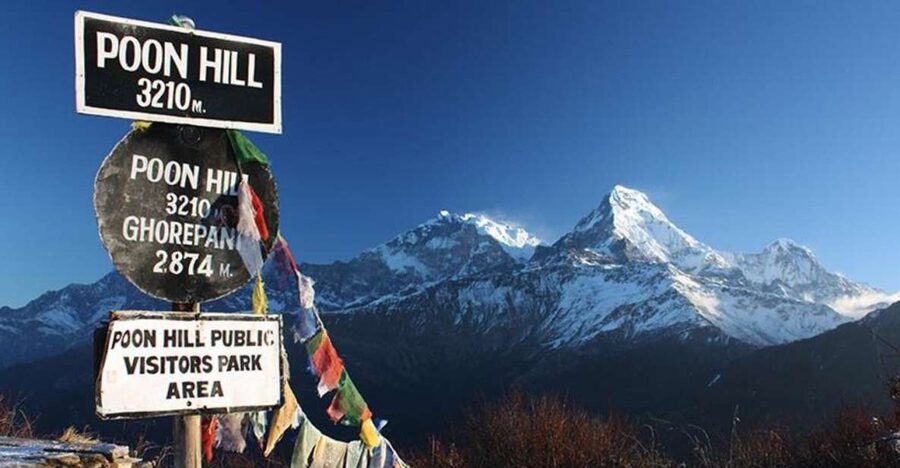
- Poon Hill sunrise from 3,210 m, with clear sightlines when the weather cooperates
- Ghandruk (1,940 m) for Gurung culture and classic mountain views
- Rhododendron forests on the way, especially when the trees are in full bloom
- Teahouse-style stops in Ghorepani, where you can warm up, eat simply, and acclimatize
- Private pacing so you’re not stuck marching to someone else’s tempo
More Poon Hill and Ghorepani routes, weighed by nights and effort.
- Poon hill Trek 3 days★ 5.0 · 176 reviews
- Pokhara: 4-Day Ghorepani, Poonhill & Ghandruk Mountain Trek★ 5.0 · 132 reviews
- Ghorepani – Poon Hill Trek 3N-4D★ 5.0 · 125 reviews
- From Pokhara: 3-Day Ghorepani Poon Hill Trek with Guide★ 4.9 · 68 reviews
Why the Pokhara to Poon Hill plan fits five days
This trek is popular in the Annapurna region because it hits the sweet spot: manageable hiking days, famous viewpoints, and enough village life to feel connected to Nepal. You’re not committing to a week or more of trekking, but you still get the signature experience—sunrise views over multiple Himalayan peaks.
Pokhara is a great base for this because you can start with a scenic drive rather than jumping straight into a full day of travel. Also, being a private group means you can move at a pace that matches your legs and your photos.
If you want the main sights without intense altitude pressure, this route is built for you. The highest point you reach is Poon Hill at 3,210 meters—high enough to feel different, but generally realistic for many people with average fitness.
Day 1: Pokhara to Nayapul, then Tikhedhunga (820 m to 1,570 m)
Your trek begins right after the drive. You’ll go from Pokhara (about 820 meters) to Nayapul (1,070 meters) by road, then start walking toward Tikhedhunga at 1,570 meters.
This first day matters because it sets the tone. The trail winds through villages and terraced farmland, so you get that “this is actually real life here” feeling instead of only seeing scenery from a bus window. Expect a mix of uphill effort and small breaks as the trail finds its rhythm.
Practical tip: this is the day to settle in with your trekking rhythm. If you can’t stand the idea of nonstop stairs later, start practicing a slower pace now—your knees will thank you.
Day 2: Tikhedhunga to Ghorepani (1,570 m to 2,850 m)
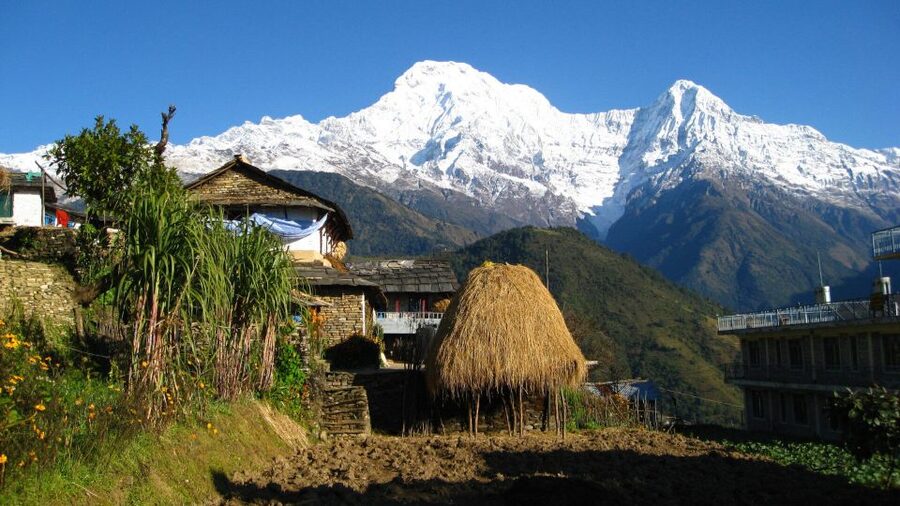
Today you climb to Ghorepani at 2,850 meters, and this is where you’ll feel the altitude more than on day one. Ghorepani itself is a lively village in the trekking world—traditional homes and teahouses, with an easy “arrive, rest, eat, repeat” flow.
This is a key acclimatization day. Even though the trek is often described as relatively easy, your body will still notice the rise in elevation. The good news is you get time to settle in, drink something warm, and let your breathing adjust before the early-morning push.
If you’re the type who loves a calm evening, Ghorepani can be that. You’ll likely spend time in teahouses, chatting with locals or simply watching the mountain light change as night falls.
Day 3: Ghorepani to Poon Hill for sunrise (3,210 m), then down to Tadapani (2,610 m)
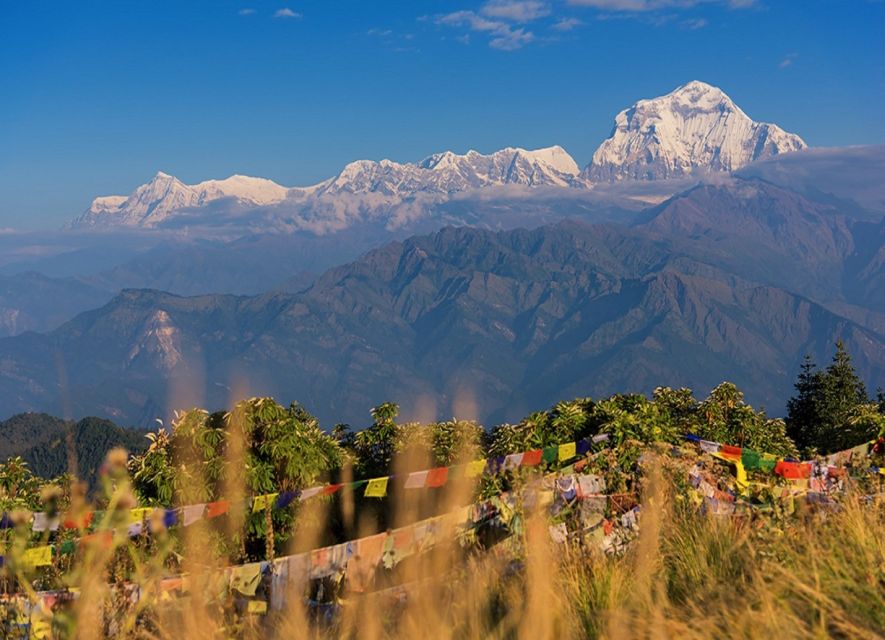
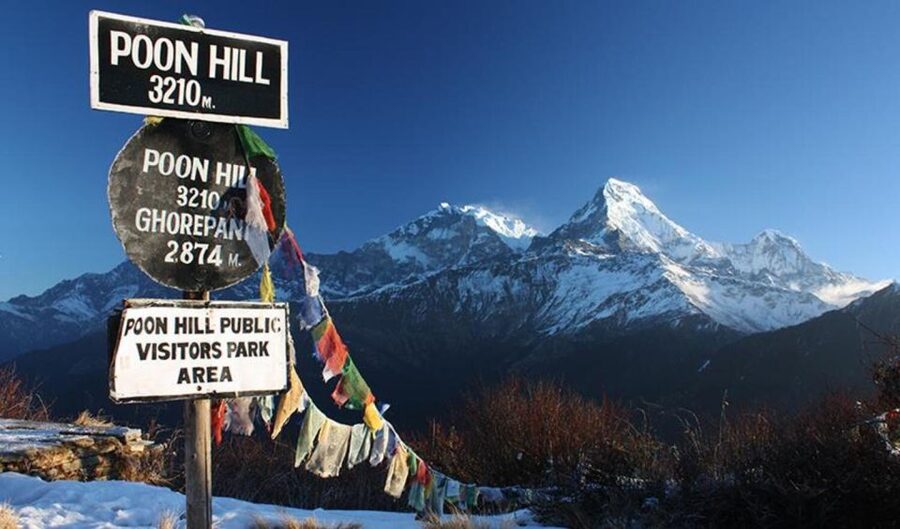
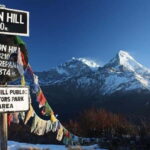
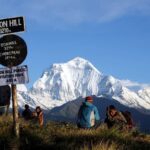
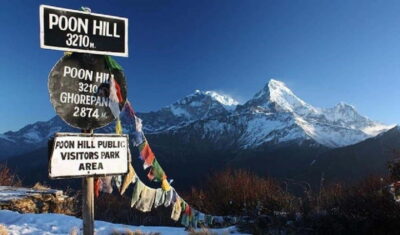
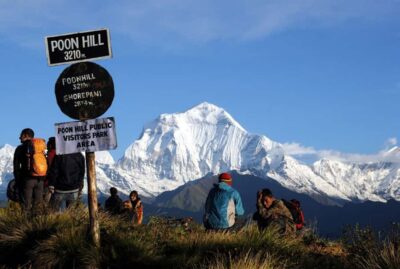
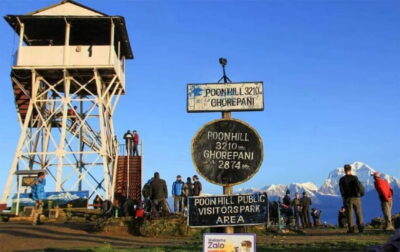
This is the day. You’ll wake up early and hike up to Poon Hill at 3,210 meters for sunrise.
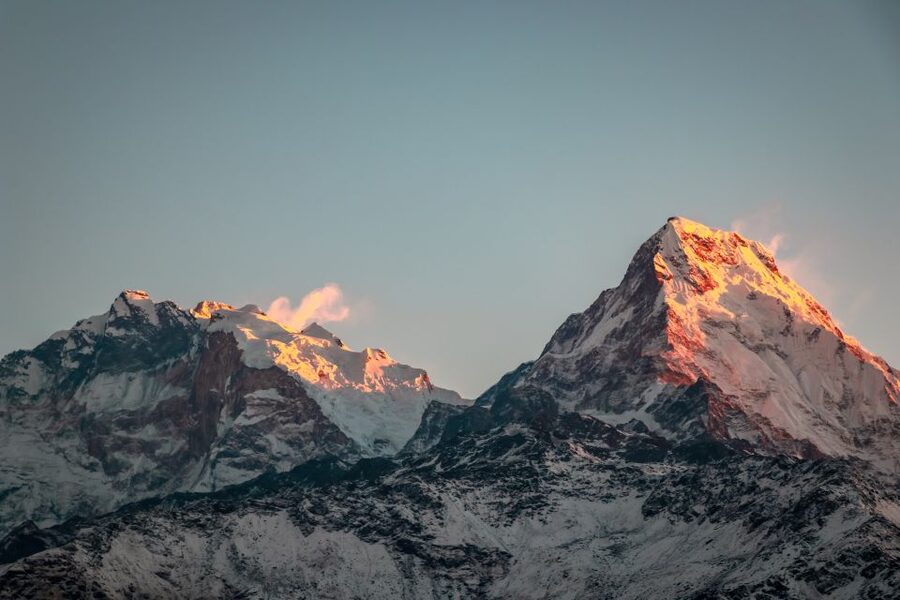
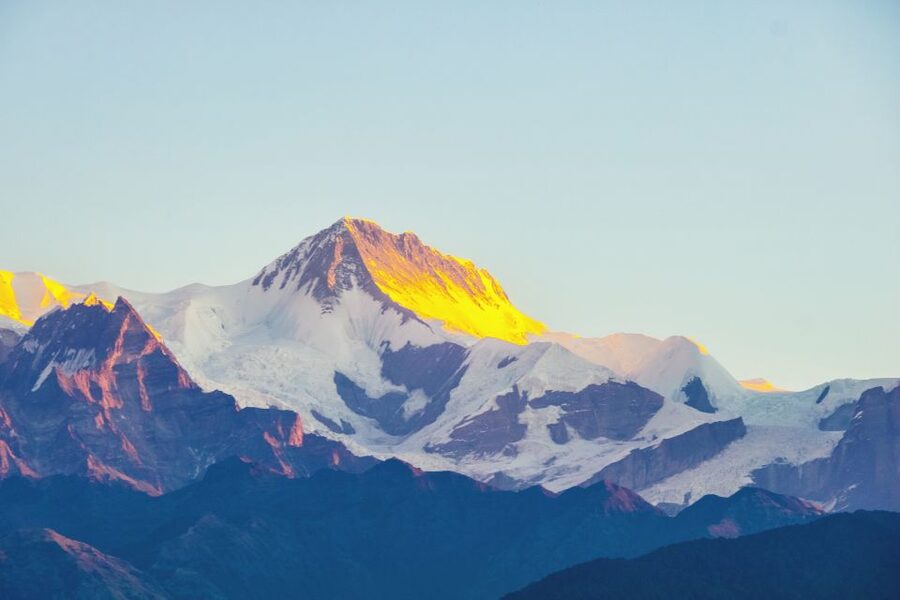
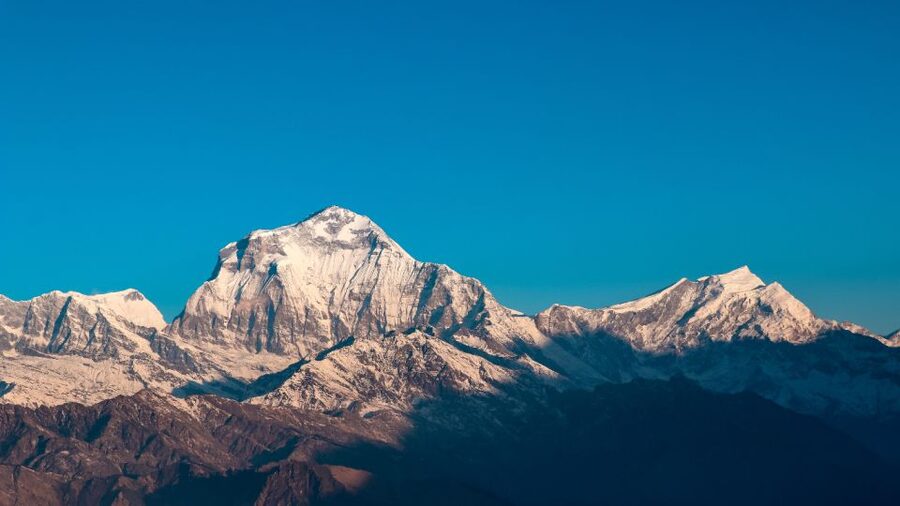
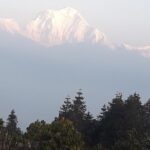
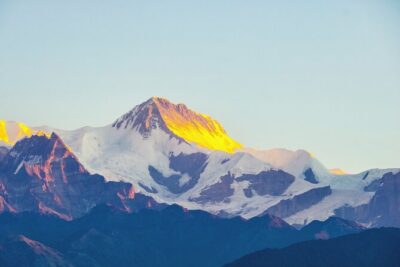
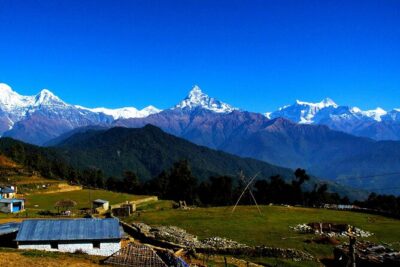
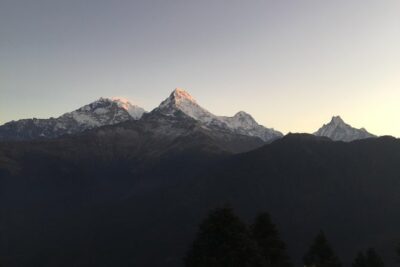
The goal is simple: sit, wait, and watch the mountains turn from silhouette to color. When visibility is good, you can see multiple peaks from the viewpoint, including Dhaulagiri, Annapurna South, Hiunchuli, and Machhapuchhre. Even if you’ve seen photos before, sunrise from here has a different scale—part weather, part timing, all awe.
After sunrise, you return to Ghorepani for breakfast, then continue to Tadapani at 2,610 meters. This section has a pleasant payoff: rhododendron forests, where the walk feels more shaded and atmospheric than the more exposed stretches. It’s also a smart way to break up the effort after the early climb.
Practical tip: bring a warm layer for sunrise. Morning at 3,000+ meters can feel much colder than you expect, even in seasons that are otherwise comfortable.
More private, guide-led trips in Pokhara.
Day 4: Tadapani to Ghandruk (2,610 m down to 1,940 m)
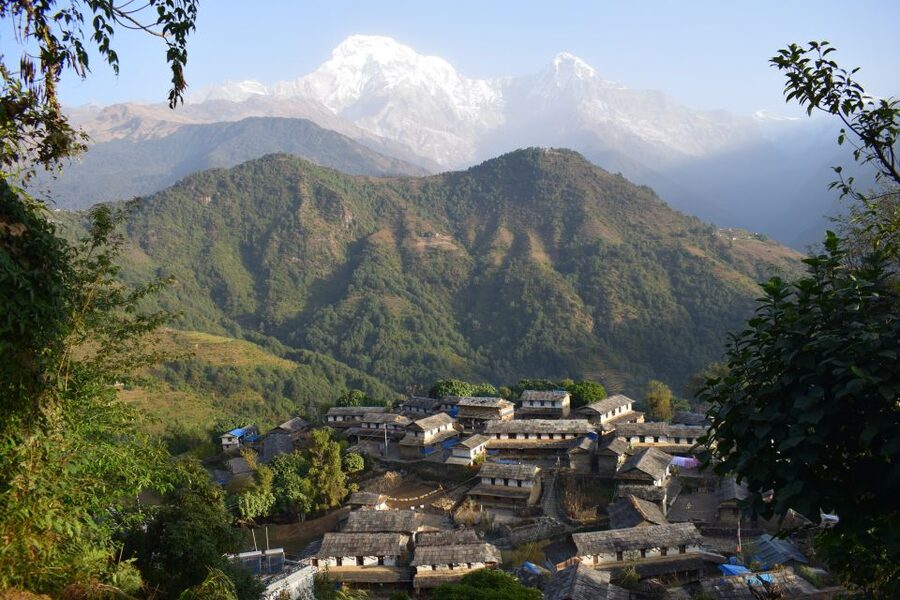
Today shifts your focus from altitude to culture. You’ll hike toward Ghandruk at 1,940 meters, a Gurung village known for traditional architecture and strong local identity.
Ghandruk is one of those places where you can feel the community rather than just pass through it. The village viewpoint also delivers classic mountain views, including Annapurna and Machhapuchhre, giving you another chance to connect what you saw earlier with a grounded, lived-in setting.
The walking is still real, just less about climbing your highest point and more about managing descent and enjoying the views. This day can feel like a reward after the early-start sunrise routine.
Day 5: Ghandruk to Nayapul (1,940 m to 1,070 m), then back to Pokhara (820 m)
Your final day is a downhill day—down to Nayapul (1,070 meters)—and then you’re back in a car toward Pokhara (820 meters).
This is the practical finish: fewer altitude worries, more time to mentally “reset.” You’ll roll off the trek and into lakeside Pokhara, where you can eat without thinking about elevation and soak up the end-of-journey feeling.
If you want to celebrate, do it in Pokhara. The trek gives you the mountains. Pokhara lets you recover like a normal person.
Guides who make it easier: Paras and Bidur-style support
This trek is private, and that changes how the experience feels. You’re not stuck waiting for a slow group or being rushed by faster walkers. A good guide can help you stay comfortable and still enjoy the view stops.
In the field, guides such as Paras and Bidur are known for customizing trips to your needs and keeping the pace where you want it. There’s also a practical side that makes the trek smoother: helping you order meals, handling small issues at teahouses, and making sure you’re not flustered when you’re tired and hungry.
Bidur’s style is especially praised for explanation—mountain and hill names, how towns got their names, and even conversation that connects Nepal’s countryside with bigger ideas like culture and local life. That kind of talk turns the trail into a moving classroom without making it feel like a lecture.
Bottom line: for a short trek, your guide’s competence matters a lot. It’s the difference between just hiking and actually understanding what you’re seeing.
What to expect on the trail: stairs, pace, and weather reality
Let’s be honest: this route includes a lot of stairs. One of the best bits of advice I can give you is to treat the stairs as your training. Short, steady steps and regular pauses beat trying to “power through.”
Also, sunrise depends on weather. You’re doing the right thing by aiming for Poon Hill, but you can’t control fog or clouds. When visibility is good, the viewpoint is spectacular; when it’s not, you still get a different kind of mountain experience—quiet, cold, and atmospheric.
Altitude is another reality check. You’re not going extremely high, but you will climb to 2,850 m and 3,210 m. If you feel a headache, nausea, or unusually heavy fatigue, slow down. This is where a private guide and flexible pacing can genuinely help.
Price and value: is $187 per person a fair deal?
At $187 per person, the value here is less about luxury and more about what you’re not doing yourself. The price includes round-trip transportation from Pokhara, permits/entrance fees (TIMS and permits), an English-speaking experienced guide, and four nights of guest house accommodation.
You also get taxes and service charges included, which can be a big deal for budgeting on travel days. For a five-day private trek with lodging and permits handled, that’s a pretty straightforward value package.
What’s not included—like meals—are normal for this type of trek. You’ll pay for food as you go, but you can choose what you want from teahouses. If you want control over your calories and preferences, this setup is workable.
If you’re comparing options, look at the combination of: private guide + permits + lodging + transport. That’s the bundle that makes the trek feel easy to manage.
What’s included (and what you’ll pay for anyway)
Here’s the practical breakdown based on what’s covered:
Included
- English-speaking experienced trekking guide
- TIMS and permits (entrance fees)
- 4 nights’ guest house accommodation
- Round-trip transportation
- Taxes and service charges
Not included
- All meals (you buy them on the trail)
- Rescue costs in an emergency
Meals are the main budgeting variable. The upside is you can usually stop whenever you need—tea, coffee, and simple meals at teahouses are part of the rhythm of this trek.
And on the safety side: rescue costs not being included is standard, but it’s worth planning for with the right insurance.
Who should book this trek—and who might reconsider
This is a strong match if:
- You want classic Annapurna views without a long trek
- You like the idea of a sunrise hike with a clear payoff
- You enjoy village walking and want at least one meaningful cultural stop in Ghandruk
- You want an itinerary that’s short enough to fit a focused Nepal trip
You might reconsider if:
- You hate stairs and already know you’ll struggle with step-heavy routes
- You’re looking for a “no early mornings” experience (sunrise is the whole point)
- You want all meals included and zero extra spending on the trail
Should you book this 5-Day Ghorepani and Poon Hill Private Trek?
Yes, if your priority is the big viewpoint reward with an itinerary that stays realistic. The Poon Hill sunrise, the Ghandruk cultural experience, and the day-by-day structure (with guest houses ready for you) make this a smart choice for limited time.
Book it especially if you like the idea of a guide who can keep the trek comfortable—Paras-style customization or Bidur-style explanations and practical help. Just plan your body for stairs, pack for cold mornings, and don’t treat the sunrise as guaranteed on every day. When it’s clear, it’s the kind of moment that sticks.
FAQ
What is the total duration of the Ghorepani and Poon Hill private trek?
The trek takes 5 days.
What are the main altitude points on the itinerary?
You’ll start around 820 m (Pokhara), climb to Tikhedhunga (1,570 m), continue to Ghorepani (2,850 m), reach Poon Hill (3,210 m) for sunrise, then go to Tadapani (2,610 m) and finish at Ghandruk (1,940 m) before descending to Nayapul (1,070 m) and returning to Pokhara (820 m).
Is this trek considered difficult?
It’s described as a relatively easy trek that can be completed in five days, but it does include many stairs, so you should be prepared for that.
What is included in the price?
The price includes all taxes and service charges, TIMS and permits, an English-speaking experienced trekking guide, 4 nights’ accommodation in a guest house, and round-trip transportation.
Are meals included?
No. All meals are available for purchase during the trek.
Do I get pickup in Pokhara?
Yes. Pickup is included from any hotel or the airport in Pokhara.
Can I cancel for a full refund?
Yes. You can cancel up to 24 hours in advance for a full refund.
More Private Trips
Also Reviewed Around Pokhara

More Poon Hill Sunrise Treks
Newer Pokhara reviews to browse before you decide
Poon Hill Sunrise Treks, compared.
 ★ 5.0Poon hill Trek 3 daysFrom $230176 reviews
 ★ 5.04-Day Ghorepani, Poonhill & Ghandruk Mountain TrekFrom $181132 reviews
 ★ 5.0Ghorepani – Poon Hill Trek 3N-4DFrom $321125 reviews
 ★ 4.93-Day Ghorepani Poon Hill Trek with GuideFrom $16268 reviews
 ★ 5.03-Day Ghorephani and Poon Hill Private TrekFrom $12658 reviews
 ★ 5.04-Day Private Poon Hill Trekking TourFrom $35958 reviews
 ★ 4.62-Day Ghorephani and Poon Hill Private TrekFrom $10450 reviews
 ★ 5.03-Day Poon Hill Trek from Pokhara.From $41045 reviews
Browse the lists this tour appears in