
Reviewed · NEPALI COOKING CLASSES
Pokhara: 3 Hour MoMo cooking class
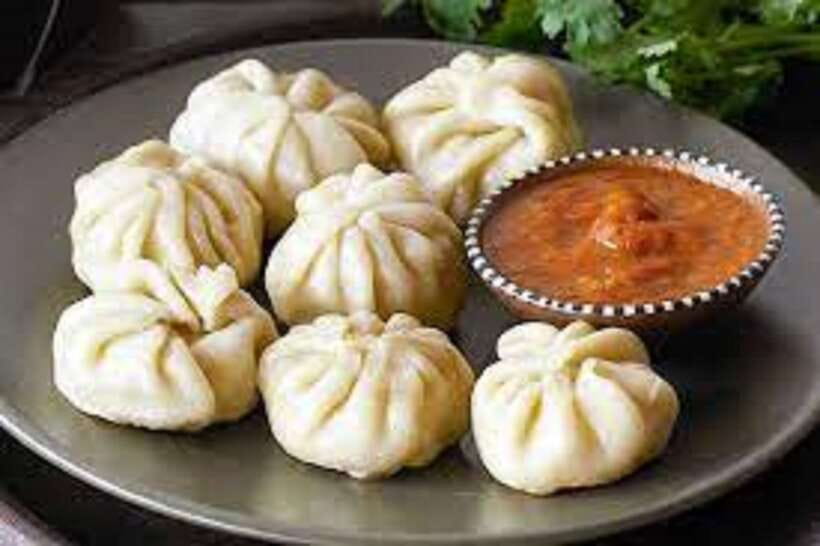
Momo-making in 3 hours is real. In this Pokhara class, I love the hands-on folding (pleats and crescent shapes) and the chance to make your own dipping sauces to match your dumplings. One thing to keep in mind: the class is hands-on and takes place at a working café setup, so it’s not a great fit if you have mobility impairments.
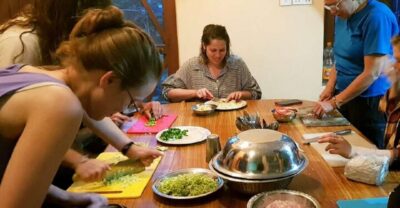
You’ll get picked up within the Lakeside area and taken to a local café, then follow a tight, well-timed lesson plan that runs rain or shine. It’s a private group with instruction in English and Hindi, which makes asking questions feel easy instead of awkward.
In This Review
- Key highlights you’ll feel right away
- Three hours of momo basics that actually stick
- Pickup from Pokhara’s Lakeside and a café you can find easily
- The intro: learning what momo is before you touch ingredients
- Filling session (40 minutes): you choose vegetarian, chicken, or meat
- Dough session (30 minutes): the knead and rest that prevent disasters
- Rolling and shaping (40 minutes): pleats and crescent moons
- Steaming (20 minutes): learn timing for tender dumplings
- Sauce-making (15 minutes): spicy, mild, and soy-based choices
- Tasting and feedback (15 minutes): eat what you made
- Q&A wrap-up (10 minutes): quick recap and last questions
- Price and value: what $29 gets you in real skills
- Language, group size, and what that means for your comfort
- What to bring (and what to skip)
- Who this Pokhara momo class suits best
- Should you book this momo cooking class in Pokhara?
- FAQ
- How long is the Pokhara momo cooking class?
- Where does the class take place?
- Is hotel pickup and drop-off included?
- What languages are the instructors?
- What kind of momo fillings can I choose from?
- Is food included?
- What should I bring?
- Is the experience indoors and does it run in the rain?
Key highlights you’ll feel right away
- Hotel pickup from the Lakeside area, so you start without logistics stress
- Filling choices with vegetarian, chicken, or meat options you control
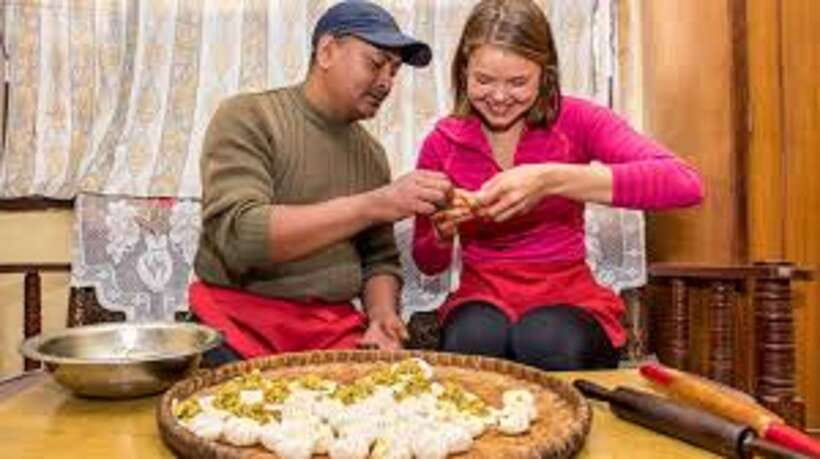
- Wrapper thickness and shaping practice (traditional pleats, crescent moon styles)
- Steaming that teaches timing for tender, fully cooked momos
- Sauce-making with spicy, mild, and soy-based options to customize your bites
More momo and dal bhat cooking classes in Pokhara.
- Nepalese Kitchen in Pokhara: Momos or Dal Bhat Cooking Class★ 5.0 · 67 reviews
- MoMo or Dal Bhat Cooking Class at Aama Kitchen in Pokhara★ 4.9 · 28 reviews
- Pokhara: 3 Hour MoMo cooking class★ 4.5 · 10 reviews
- Pokhara: Nepali Cooking Class and Momo Making Workshop★ 5.0 · 6 reviews
Three hours of momo basics that actually stick

A momo class sounds like a fun food stop. This one earns its keep because it teaches the steps that matter: dough, filling, folding, steaming, then the flavor finish with sauce. You’re not just watching someone cook. You’re building the dumplings yourself, step by step, with enough time to make your own decisions.
The schedule is also thoughtfully paced. You start with an intro to what momo is and why it matters in Nepalese food culture, then you move into the heavy hitters—filling and dough—before you get to shaping and cooking. By the time you sit down to eat, you’re tasting something you understand.
Pickup from Pokhara’s Lakeside and a café you can find easily
The tour includes hotel pickup and drop-off and specifically mentions pickup within the Lakeside area of Pokhara. That matters because Pokhara traffic and finding the exact meeting spot can be a time drain. Here, you’re collected and brought to the food-making location so your morning or afternoon stays on track.
You’ll also want to go light. Large bags or luggage aren’t allowed, so bring a small day bag. And if rain shows up, don’t assume it will cancel. The experience runs rain or shine, so wear something you can move in and handle a damp Pokhara day.
What I like about this setup is the tone: it feels like a local café activity, not a staged tourist show. With a private group format, you’re more likely to get your questions answered as you work, especially around the parts that usually frustrate people—dough texture and folding.
The intro: learning what momo is before you touch ingredients
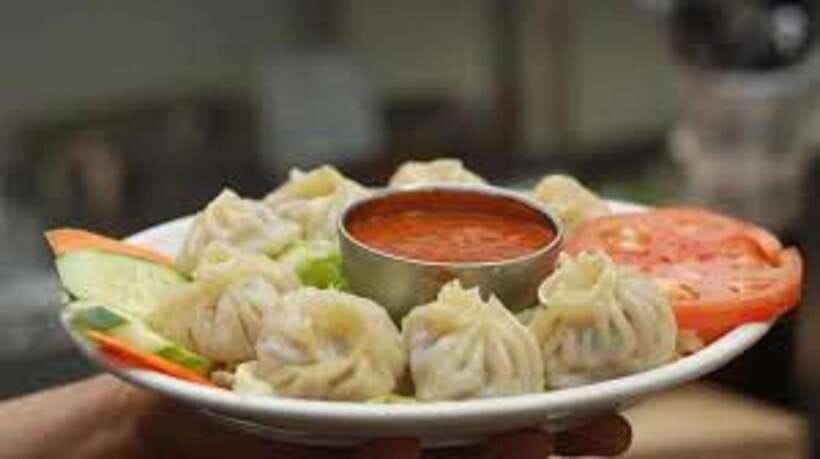
You’ll get about 10 minutes of welcome and background. The class covers momo basics and its cultural significance, then points you toward the ingredients and equipment you’ll use.
This matters more than it sounds. When you know what the dumpling is supposed to be like—soft wrapper, savory filling, cooked through—you make better choices later. You’re not just following steps blindly. You’re trying to get the result the food is meant to deliver.
Filling session (40 minutes): you choose vegetarian, chicken, or meat
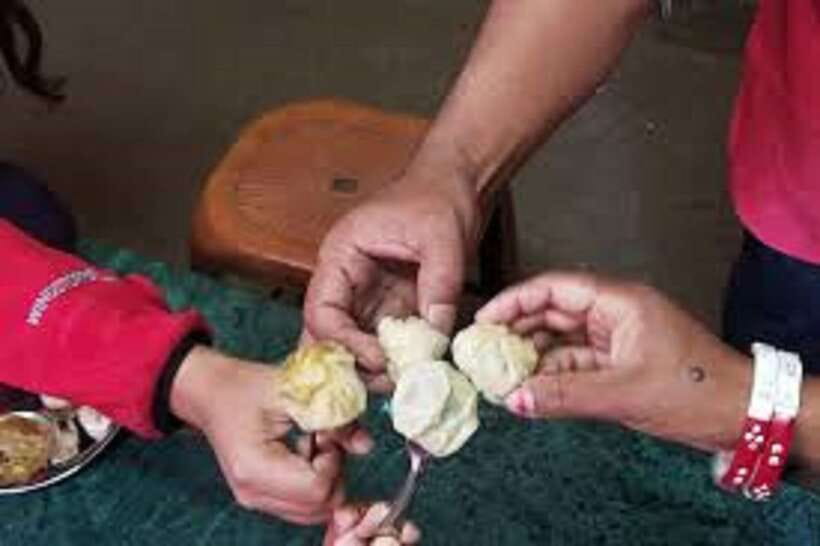
The most flexible part of your momo day is the filling. The lesson explains different filling options—vegetarian, chicken, or meat—and demonstrates how to prepare the filling using your chosen ingredients.
Then you get hands-on time with it, so you’re not stuck in the role of “observer who occasionally stirs.” You’ll practice making the filling portion-ready, which is important because filling consistency affects everything else. Too wet, and folding gets messy. Too dry, and you lose that juicy bite when you steam.
Here’s a practical tip for you as you decide: pick based on what you actually want to eat, not what you think will be easiest. If you like spicy, don’t hide from that choice just because you’re new to dumplings. The sauce step comes right after, and you’ll be able to tune the heat and flavor.



Dough session (30 minutes): the knead and rest that prevent disasters
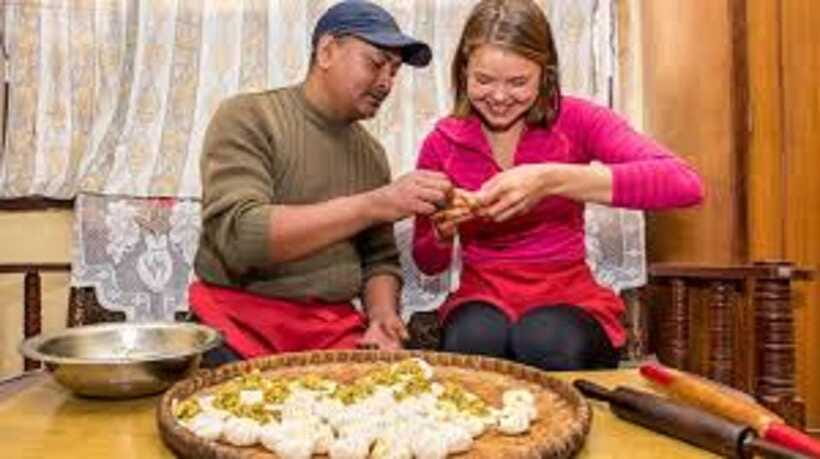
Next comes the dough (about 30 minutes total). You’ll get an explanation of the dough ingredients and why they matter, then step-by-step kneading instructions. After you make your own dough, you let it rest for a few minutes.
That resting time is key. Resting relaxes the dough so it rolls more evenly later. If you rush this part, the wrapper can fight back and tear, and your folding effort gets harder than it should.
This section is usually where people either gain confidence or get discouraged. The good news: this class is structured so you’re taught how to adjust along the way, not just handed a tool and told to work miracles.
Rolling and shaping (40 minutes): pleats and crescent moons
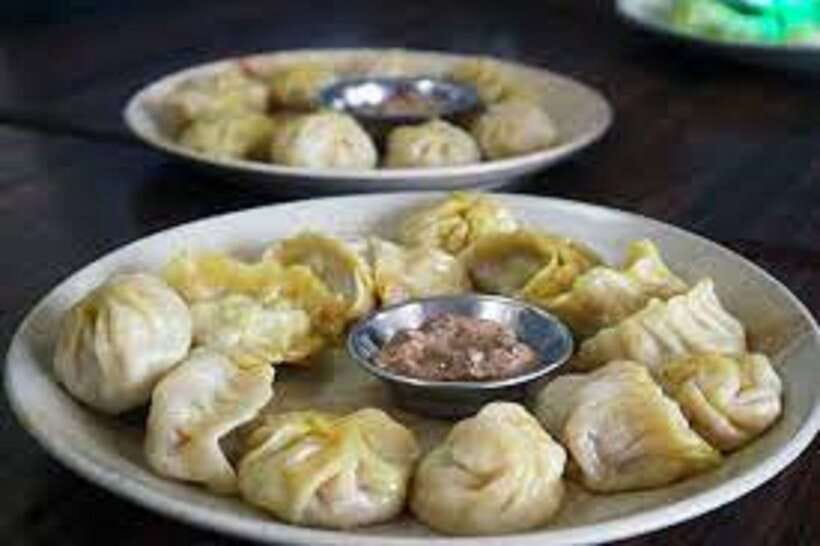
Now for the part most people remember: folding.
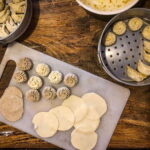
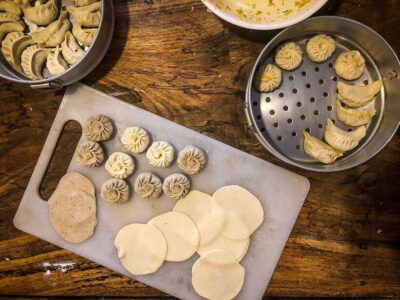
You’ll see demonstrations on how to roll out momo wrappers to a good thickness, and then you’ll learn techniques for shaping different styles—traditional pleats and crescent moon shapes are specifically mentioned. After the demo, you practice rolling and shaping your own momos.
This is the “skill-building” core of the class. Rolling wrapper thickness affects how the dumpling cooks and how it tastes. Too thick and it feels stodgy. Too thin and it can tear or cook unevenly. The folding technique also controls how much filling stays sealed inside.
One thing that surprised me in the learning style: you’re encouraged to try. Some folds will look better than others, but that’s part of the process. The goal isn’t to create perfect dumplings on the first attempt. It’s to learn the technique so you can repeat it later at home.
Steaming (20 minutes): learn timing for tender dumplings
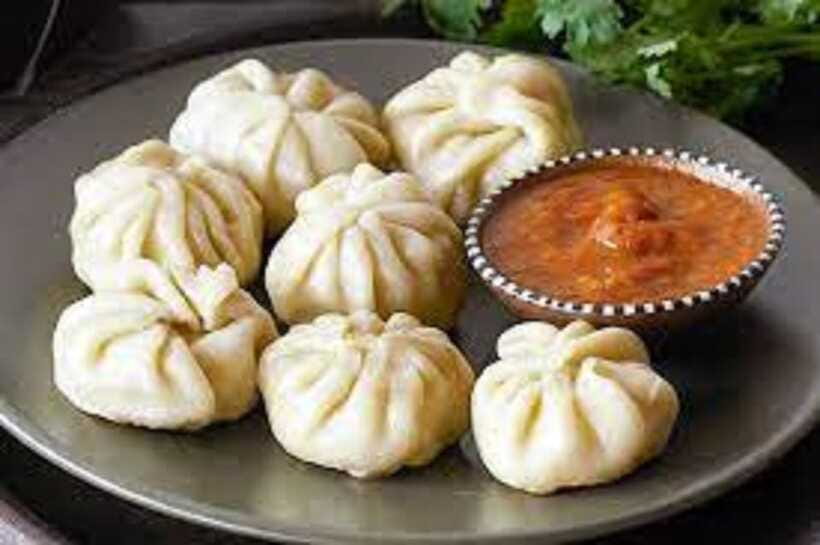
Then you steam your momos for about 20 minutes. The class explains the steaming process and why it matters, including tips on setting up a steamer and preparing it for cooking.
Steaming is ideal for learning because it’s forgiving compared to pan-frying. You’re building a baseline technique: steam until fully cooked and tender. If your wrappers are uneven or your filling is too wet, you’ll spot the issues here—then you’ll understand what went wrong.
When you’re new to momo, this part is also where patience pays off. Steam too little, and the center won’t be right. Steam too long, and the wrapper can get soft in a way you might not enjoy. The class timing helps you internalize the sweet spot.
Sauce-making (15 minutes): spicy, mild, and soy-based choices
Here’s where your dumplings stop being one-size-fits-all. You’ll learn about different dipping sauces—spicy, mild, soy-based, and more—and you’ll get a demonstration. Then you make your own sauces to go with your momos.
In my view, this is one of the best value parts of the class. Momo sauce is where you can customize for your taste: more heat, more tang, or a soy-forward profile. It also gives you a practical home-cooking win. Even if your folds aren’t restaurant-perfect later, a good sauce makes the whole experience taste right.
You’re not just making food. You’re learning a flavor system.
Tasting and feedback (15 minutes): eat what you made
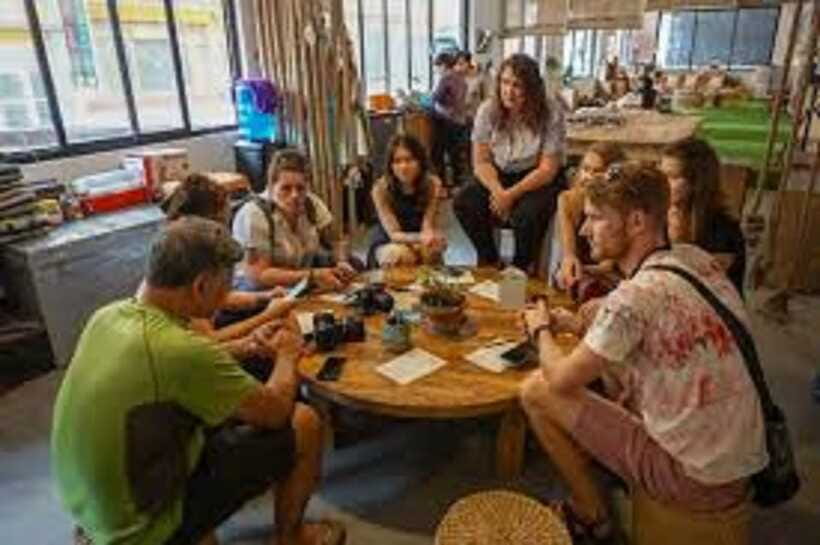
After steaming, the class gathers for tasting. You eat the momos you made with the dipping sauces you prepared. The instructor provides feedback and answers questions, which is a helpful way to connect your process to the final result.
This part is also useful if you want to replicate the experience at home. You’ll often catch small fixes here—how much filling to pack, how to adjust wrapper thickness, or what to aim for with sauce balance.
If you’re the kind of person who likes to ask follow-up questions, this is the moment to do it. You’ll get clearer guidance when you can taste the outcome.
Q&A wrap-up (10 minutes): quick recap and last questions
The session ends with open-floor Q&A and a recap of the key steps and techniques you learned—ingredients, dough making, rolling and shaping, steaming, and sauce matching.
A short recap helps you remember the sequence next time you cook. Momos are one of those foods where the steps are simple, but timing and technique make the difference. This wrap-up is designed to lock in those links.
Price and value: what $29 gets you in real skills
At about $29 per person for a 3-hour class, you’re paying for more than a meal. You’re paying for instruction and materials, plus hotel pickup and drop-off.
Here’s the value logic:
- You get hands-on practice through the full workflow: dough → filling → folding → steaming → sauce.
- You leave with a method you can repeat, not just a one-time taste.
- Included materials remove the “what do I need at home?” friction.
Food is not included beyond what you cook in class, and drinks are not automatically included for purchase. But cold drinks are included (a glass per person), and since you’re making and eating your own momos, the main meal portion is covered by the class itself.
If you’re in Pokhara and want one activity that feels practical—something you can bring home with you—this is a strong match.
Language, group size, and what that means for your comfort
Instruction is offered in English and Hindi, which is a big help if you’re not fluent in Nepali food terminology. It also supports a smoother class flow. You’re more likely to understand cooking instructions without guessing.
The experience is a private group. That usually makes it feel less rushed and more personal. You can ask about technique when your folding isn’t cooperating or when you’re unsure about sauce balance.
One small consideration: you may be prompted during the experience to provide a rating or feedback. That doesn’t change the cooking, but it can be a slight distraction if you’re trying to fully focus.
What to bring (and what to skip)
For what you need on you:
- Bring a passport or ID card
For what to leave at home:
- No luggage or large bags
And because it runs rain or shine, plan clothing for movement. You’re going to knead, roll, fold, and stand in a working café kitchen environment.
Also note the class isn’t suitable for people with mobility impairments.
Who this Pokhara momo class suits best
You’ll probably enjoy this most if you:
- want a hands-on Nepalese food experience rather than a sightseeing-only activity
- like structured lessons with enough time to practice
- enjoy learning practical kitchen techniques you can repeat later
It’s also a good option if you’re traveling with friends and want something social but still skill-focused. With private-group instruction, the experience doesn’t feel like you’re lost in a crowd.
Should you book this momo cooking class in Pokhara?
If you want a short, practical activity that teaches you how to make Nepalese momos from scratch, I’d book it. The biggest selling points are the workflow (from dough to steaming) and the extras that turn it into a full meal—especially the dipping sauce-making.
Skip it only if you need an activity with minimal standing or minimal hands-on work. Otherwise, this is a solid way to spend a few hours in Pokhara with something you can actually take home: technique, flavor, and confidence.
FAQ
How long is the Pokhara momo cooking class?
The class lasts 3 hours.
Where does the class take place?
Pickup is from the Lakeside area of Pokhara, and the cooking activity takes place at a local café.
Is hotel pickup and drop-off included?
Yes. Hotel pickup and drop-off are included.
What languages are the instructors?
The instructor speaks English and Hindi.
What kind of momo fillings can I choose from?
The class includes filling options such as vegetarian, chicken, or meat.
Is food included?
Food isn’t listed as included beyond what you cook. Additional food and drinks can be purchased.
What should I bring?
You should bring a passport or ID card.
Is the experience indoors and does it run in the rain?
It runs rain or shine, so plan for wet weather even if the activity is at a café.
More Workshops and Classes

Also Reviewed Around Pokhara
More Nepali Cooking Classes
Newer Pokhara reviews to browse before you decide




Nepali Cooking Classes, compared.
 ★ 5.0Nepalese Momos or Dal Bhat Cooking Class (Cook with Delight)From $5099 reviews
 ★ 5.0Nepalese Kitchen in Pokhara: Momos or Dal Bhat Cooking ClassFrom $2867 reviews
 ★ 4.9MoMo or Dal Bhat Cooking Class at Aama Kitchen in PokharaFrom $2828 reviews
 ★ 5.0Nepali Cooking Class and Momo Making WorkshopFrom $426 reviews
Browse the lists this tour appears in