
Reviewed · NEPALI COOKING CLASSES
Pokhara: Nepali Cooking Class and Momo Making Workshop
A small kitchen lesson can taste like Nepal. I love how hands-on the class is, with momo shaping on your hands and dal bhat cooking you through the basics of everyday Nepalese meals, plus a comforting bowl at the end. One thing to consider: this activity isn’t listed as suitable for food allergies, so you’ll want to ask questions in advance if you have any.
The setup is simple and friendly. You get hotel pickup in Pokhara, a small group limited to 8, and an English-speaking instructor working with a local home chef known as the Aama. If you’re curious about Nepali cooking and want something more personal than a restaurant meal, this is a great fit.
In This Review
- Why This Pokhara Cooking Class Feels Different
- Meeting Your Aama Chef in a Real Home Kitchen
- Momo or Dal Bhat: You Pick the Focus, Then Learn the Logic
- If you choose Dal Bhat
- If you choose Momo
- Either way: you’ll taste and eat what you make
- The Market Stop That Makes the Flavors Make Sense
- What the 3 Hours Usually Feel Like
- Group Size, English Guidance, and a Calm Pace
- Price and Value: Is $42 Worth It?
- Who Should Book This Workshop?
- Practical Tips So Your Class Goes Smoothly
- The Best Part: Leaving With Real Skills and a Full Stomach
- Should You Book This Pokhara Nepali Cooking Class?
- FAQ
- How long is the Nepali cooking class in Pokhara?
- What can I cook during the class?
- Is hotel pickup and drop-off included?
- Is masala tea included?
- Do they include a meal or just samples?
- Is the class suitable if I have dietary restrictions or allergies?
Why This Pokhara Cooking Class Feels Different
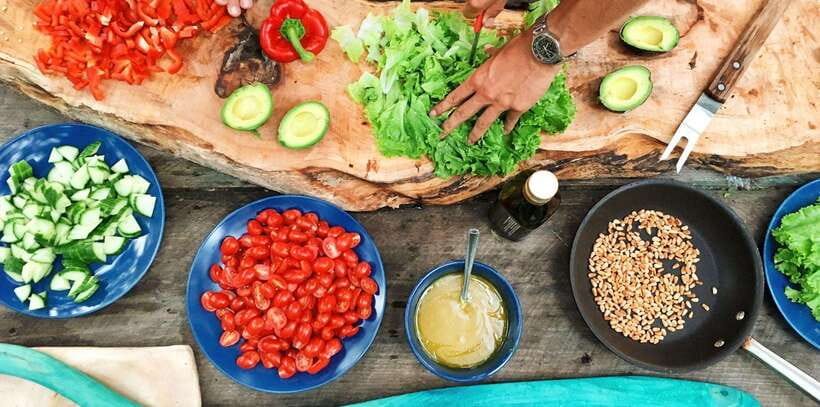
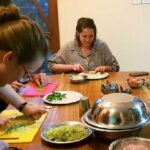
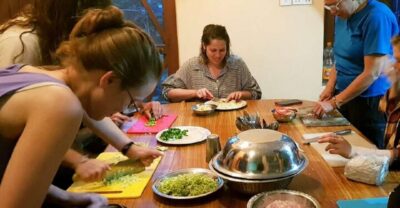
There are cooking classes that show you steps and then send you home. This one is built around actually doing the work in a real home-style kitchen, with step-by-step guidance from the Aama chef-instructor and the family team. In practice, that means you’re not just watching dumplings happen, you’re making them happen.
The best part for me is that the class respects what Nepali meals really are: practical, flavorful comfort food that uses spices with purpose. You’ll also taste what you cook, and you’ll sit down to a full prepared meal, not only a quick sample.
The other reason it stands out for value is the structure. You get a market and ingredient-buying component, then you head to the kitchen to cook. That ingredient story matters when you go back home and try to recreate even a small piece of the flavors.
More momo and dal bhat cooking classes in Pokhara.
- Nepalese Kitchen in Pokhara: Momos or Dal Bhat Cooking Class★ 5.0 · 67 reviews
- MoMo or Dal Bhat Cooking Class at Aama Kitchen in Pokhara★ 4.9 · 28 reviews
- Pokhara: 3 Hour MoMo cooking class★ 4.5 · 10 reviews
- Pokhara: Nepali Cooking Class and Momo Making Workshop★ 5.0 · 6 reviews
Meeting Your Aama Chef in a Real Home Kitchen
Right away, you’re greeted in a traditional Nepali cooking space where spices smell alive. The class experience is paced for learning, whether you’re brand new to cooking or you just enjoy picking up techniques.
The instructor role is clear: a local Aama chef guides you with practical steps and patience. English instruction helps you connect what you’re doing to why it works. In the experience I’m describing, the “family” element shows up too—people aren’t just teaching, they’re welcoming.
You may also notice little touches that make it feel like a once-in-a-lifetime afternoon. Some participants have been surprised with a printed completion certificate, and there are stories of a tika placed on the forehead and a scarf included. Those details aren’t the point of the course, but they do explain why people remember this class as more than just food.
Momo or Dal Bhat: You Pick the Focus, Then Learn the Logic
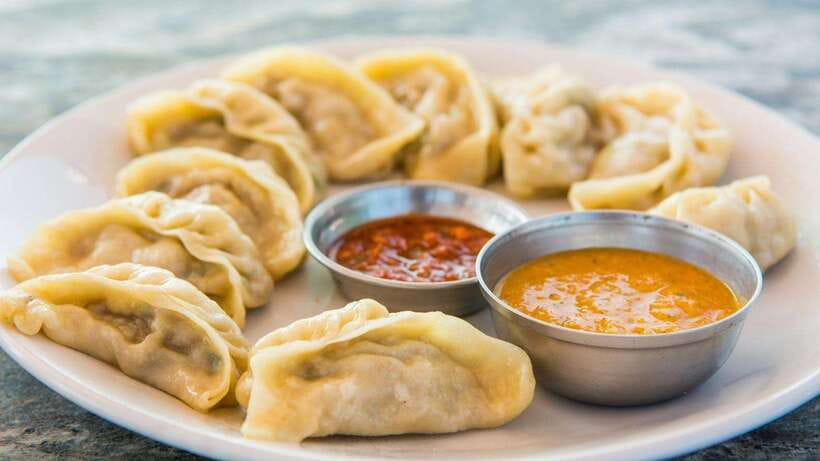
You’ll come in with a menu choice. The class offers either Dal Bhat (rice with lentil soup and curry) or Momo (dumplings, with chicken or vegetarian filling), depending on what you choose. At the same time, the teaching aims to cover iconic Nepali flavors and techniques, so you’re still learning patterns that show up across the meal.
If you choose Dal Bhat
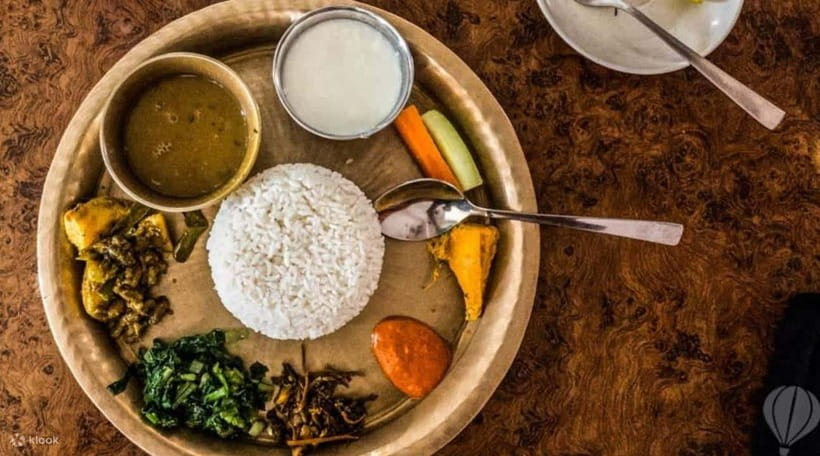
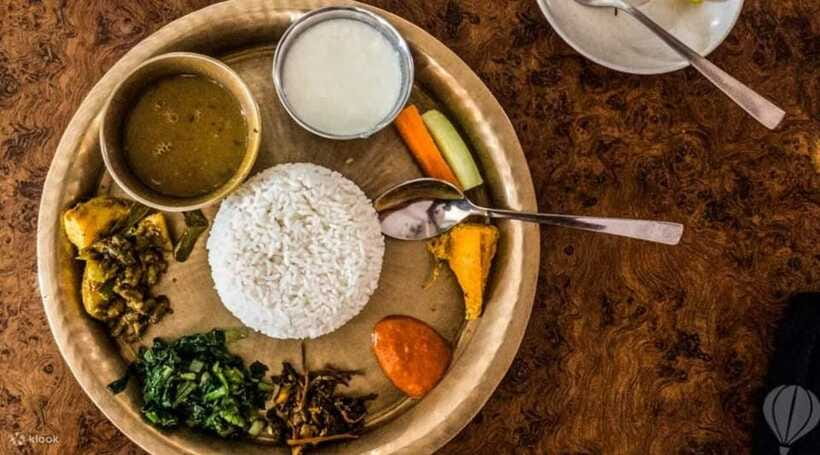
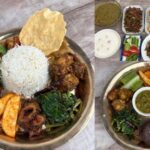
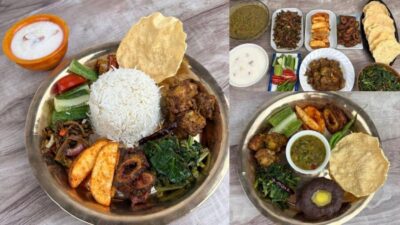
Dal bhat is the heart of Nepali everyday eating: rice paired with lentils and a curry side. The class context is helpful here because you learn how spices and ingredients work together, not just how to follow a recipe. Even if you never cook again at home, you’ll leave understanding the structure of a Nepali meal.
If you choose Momo
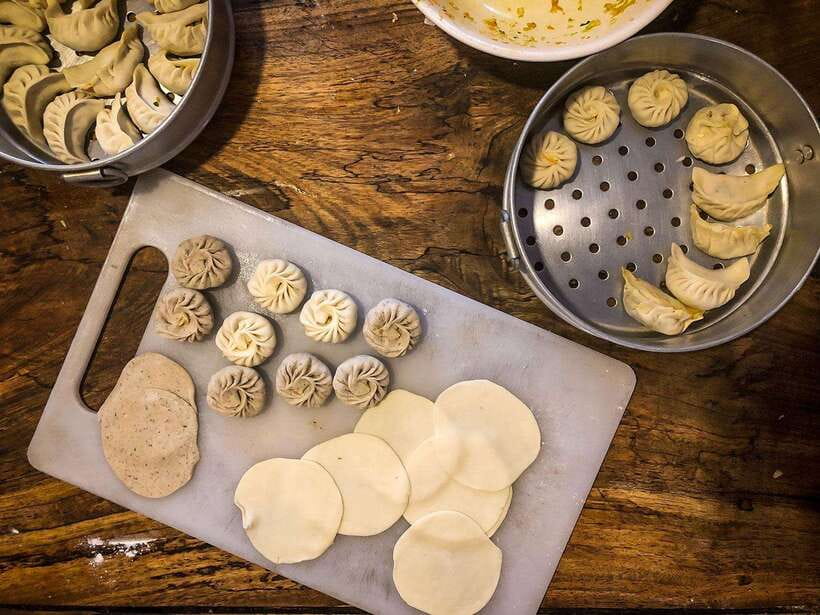
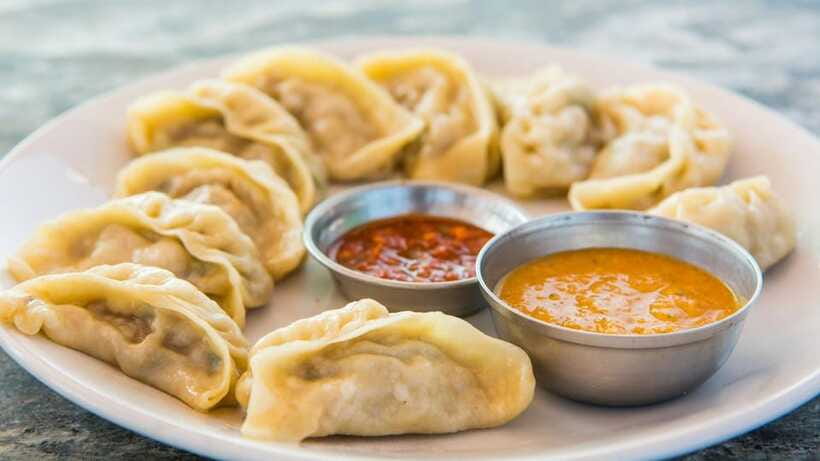
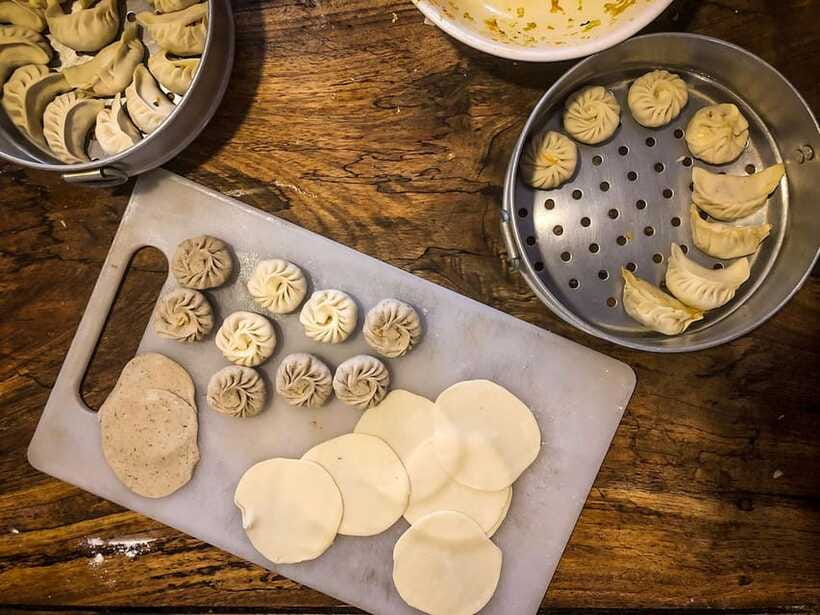
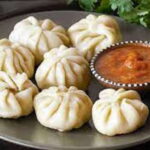
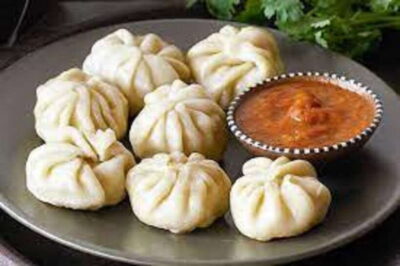
Momo is Nepalese comfort food you can recognize anywhere once you learn the feel of it. You’ll practice the dough and filling method, and you’ll get a real sense of dumpling technique rather than only shaping “for the photo.” The filling choice—chicken or vegetarian—also makes the course flexible for different tastes.

Either way: you’ll taste and eat what you make
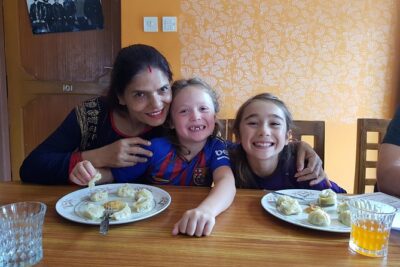
This is key. The workshop includes a tasting session and a meal of the prepared dishes. That turns it from a demo into a full experience where you understand flavor balance because you eat it, not because someone tells you.
The Market Stop That Makes the Flavors Make Sense
Before you start cooking, you’ll explore local market areas to buy ingredients—vegetables, spices, and meat (depending on the dish you’re making). This part is short, but it’s one of the most practical benefits of the workshop.
Why it matters: Nepali cooking relies heavily on spice blends and fresh produce. When you see and pick ingredients yourself, the flavors become less mysterious. Back home, you may not find the exact same spice blend, but you’ll have a better sense of how different spices are meant to taste together.
For you, this means the class doesn’t stay stuck in the kitchen. You get a small window into how people shop and prioritize ingredients day to day in Pokhara.
What the 3 Hours Usually Feel Like
The whole class runs about 3 hours, with pickup and drop-off included. In real life, that time can feel tight or just right, depending on what you want.
Here’s the typical rhythm you should expect:
- Pickup in Pokhara from your hotel (the driver uses a name card).
- Hands-on cooking time in the home kitchen with step-by-step instruction from the Aama chef-instructor and the family team.
- Tea during the lesson, specifically Nepali masala tea.
- Cooking + tasting, then eating your meal before you head back.
The short timeline is a plus for many visitors: you get a meaningful cultural experience without losing half a day. The possible drawback is that you won’t have time to master every tiny technique like a full multi-session course would. Still, the structure is designed to get beginners comfortable fast and give food enthusiasts enough depth to feel satisfied.
Group Size, English Guidance, and a Calm Pace
With a small group limited to 8 participants, you’re not stuck in a chaotic crowd. You can ask questions and get corrections when needed, especially when learning dumpling shaping or how curry spices are combined.
The instructor speaks English, which makes a big difference when you’re trying to connect steps to outcomes. You’re not only copying hand movements; you understand what to adjust if something looks off—thickness, seasoning, or texture.
Also worth noting: the workshop is described as wheelchair accessible. If mobility is part of your planning, this helps you feel more comfortable bringing your needs to the table.
Price and Value: Is $42 Worth It?
$42 for a 3-hour, hands-on Nepali cooking class in Pokhara includes hotel pickup and drop-off, ingredients and equipment, instruction, masala tea, and a meal of what you cook. That bundle matters.
You’re not just paying for teaching time. You’re paying for:
- market ingredient selection,
- kitchen access and equipment,
- the meal,
- and the logistics of getting you from your hotel to the home kitchen and back.
For many people, the biggest value is that you leave with practical confidence. You don’t just think you liked Nepali food—you understand how to make at least one core dish in a way that tastes right.
Who Should Book This Workshop?
This is a strong choice if:
- you want a hands-on culture experience in Pokhara,
- you’re excited by momo or dal bhat and want technique, not just a plate,
- you travel in a small group size and prefer calmer instruction,
- you like learning from a local home chef rather than a staged restaurant kitchen.
It may not be the best fit if:
- you have food allergies (the activity is not listed as suitable for people with allergies),
- you hate cooking mess or kneading/rolling steps,
- you’re looking for a culinary class focused on advanced pastry chemistry or long fermentation timelines.
Practical Tips So Your Class Goes Smoothly
You’ll get a better experience if you show up prepared. Here’s what you should plan for based on how the workshop is set up:
- Wear comfortable clothes and shoes you don’t mind getting spice-stained.
- Bring a camera if you want to document the cooking process and the final dishes.
- Tell the instructor about dietary restrictions in advance.
- Skip smoking indoors; it’s not allowed during the workshop.
If you’re sensitive to spice levels, ask early about how the flavors are adjusted for different preferences. The class is designed to work for beginners, but your comfort matters.
The Best Part: Leaving With Real Skills and a Full Stomach
A lot of activities in Pokhara are fun photos and quick tastes. This one is different because it combines three things that build real confidence: ingredient knowledge from the market, technique from the Aama chef and family team, and the payoff of tasting and eating what you made.
That’s why the most praised parts of the experience tend to be consistent: warm hospitality from the family, patient step-by-step teaching, and the fact that your meal actually ends up tasting like it belongs to Nepal, not like an imitation.
Should You Book This Pokhara Nepali Cooking Class?
Yes, if you want a short, meaningful food workshop with real instruction and a home-kitchen vibe. The $42 price makes sense because you’re getting pickup, ingredients, teaching, masala tea, and a meal—not just a demo.
Book it especially if you’re choosing between momo and dal bhat and you want the confidence to recreate either dish later. Just be honest about dietary needs, and if you have allergies, don’t assume you can safely participate.
If you want Pokhara beyond lakeside strolls and viewpoints, this class gives you something hands-on and genuinely local.
FAQ
How long is the Nepali cooking class in Pokhara?
The workshop runs for 3 hours.
What can I cook during the class?
You can choose between Dal Bhat and Momo, and the class also covers iconic Nepali dishes and flavorful curries while using fresh local ingredients.
Is hotel pickup and drop-off included?
Yes. You’ll be picked up from your hotel and returned to Pokhara afterward.
Is masala tea included?
Yes. Nepali masala tea is included during the lesson.
Do they include a meal or just samples?
You’ll have a tasting session and also a meal of the prepared dishes.
Is the class suitable if I have dietary restrictions or allergies?
You should inform the instructor of dietary restrictions in advance. The activity is not suitable for people with food allergies.
More Workshops and Classes

Also Reviewed Around Pokhara
More Nepali Cooking Classes
Newer Pokhara reviews to browse before you decide

Nepali Cooking Classes, compared.
 ★ 5.0Nepalese Momos or Dal Bhat Cooking Class (Cook with Delight)From $5099 reviews
 ★ 5.0Nepalese Kitchen in Pokhara: Momos or Dal Bhat Cooking ClassFrom $2867 reviews
 ★ 4.9MoMo or Dal Bhat Cooking Class at Aama Kitchen in PokharaFrom $2828 reviews
 ★ 4.53 Hour MoMo cooking classFrom $2910 reviews
Browse the lists this tour appears in