
Reviewed · NEPALI COOKING CLASSES
Nepalese Momos or Dal Bhat Cooking Class (Cook with Delight)
Your hands learn Nepal faster than your camera. In Pokhara, this 2-hour, small-group cooking class at Hotel Diplomat helps you make either momos or dal bhat from scratch, then you sit down to eat your results.
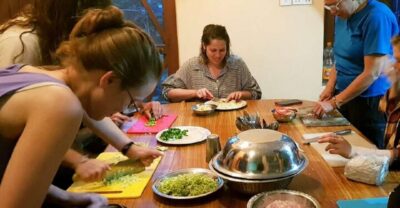
I love the max five-person setup—it’s personal, not crowded, and you get real attention while forming dumplings or building a dal bhat plate. I also like how the session starts with a printed recipe and then moves step by step, including hands-on grip and finger placement tips.
One consideration: you pick one workshop only (lunchtime for dal bhat or evening for momos), so if you want both, you’ll need to plan your Pokhara schedule.
In This Review
- Key Things That Make This Class Worth Your Time
- Hotel Diplomat in Pokhara: A Short Walk from Phewa Lake
- Dal Bhat at Lunch or Momos in the Evening: Pick the Right Time
- The 2-Hour Flow: From Recipe Card to Finished Dumplings or Dal Bhat
- What You’ll Make: Momos and Dal Bhat Basics You Can Actually Repeat
- Momos: Technique-First Dumplings
- Dal Bhat: A Daily-Style Plate
- The Family Team Behind It: Friendly, Patient Coaching
- Included Meal and Drinks: You Eat What You Learn
- Price and Value: Why $50 Makes Sense Here
- Who Should Book This Class—and Who Might Not
- Should You Book Cook with Delight in Pokhara?
- FAQ
- Where does the cooking class take place in Pokhara?
- How long is the cooking class?
- Can I choose between dal bhat and momos?
- How big is the group?
- Is a meal included?
- Is there free cancellation?
Key Things That Make This Class Worth Your Time
- Hotel Diplomat location: less than 10 minutes on foot from Phewa Lake, so it’s easy to fit into your day
- Choose your dish: lunch = dal bhat set, evening = momos workshop
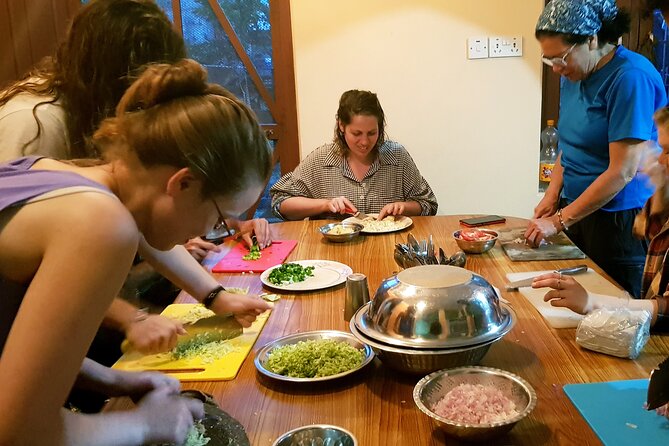
- Small group limit: capped at five travelers for close instruction
- Printed recipe card: you start with a recipe in hand and follow along step by step
- Technique coaching: you’ll practice dumpling making (including finger and thumb placement and grip pressure)
- Meal included: you eat a home-cooked meal made during class, with soft drinks and water
More momo and dal bhat cooking classes in Pokhara.
- Nepalese Kitchen in Pokhara: Momos or Dal Bhat Cooking Class★ 5.0 · 67 reviews
- MoMo or Dal Bhat Cooking Class at Aama Kitchen in Pokhara★ 4.9 · 28 reviews
- Pokhara: 3 Hour MoMo cooking class★ 4.5 · 10 reviews
- Pokhara: Nepali Cooking Class and Momo Making Workshop★ 5.0 · 6 reviews
Hotel Diplomat in Pokhara: A Short Walk from Phewa Lake
The class takes place at Hotel Diplomat, starting on the ground floor. The address is Pragati Marga, Pokhara 33700, and it’s a convenient stop if you’re already spending time around the lakeside. Even if you’re sightseeing earlier, the location is close enough that you can take a quick walk rather than fight with longer transport plans.
I also like that you end right where you started. That sounds minor, but in a place where plans change fast, “back to the meeting point” is one less moving piece to manage while you’re hungry and still covered in flour.
The hotel itself is part of the vibe. One review specifically called it charming, which makes sense: you’re not crammed into a back room. You’re in a real place where people live normally—so it feels less like a performance and more like a family kitchen lesson.
Dal Bhat at Lunch or Momos in the Evening: Pick the Right Time
You get to choose between two workshops: dal bhat at lunchtime, or momos in the evening. That choice matters more than it sounds.
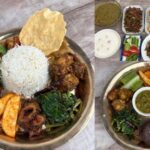
Dal bhat is a comforting, classic rice-and-lentils setup. If you want a dish that feels practical and repeatable at home, the lunch option is a strong pick—especially if you like meals that aren’t fussy. It’s also a great way to learn Nepali home cooking in a “daily food” style.
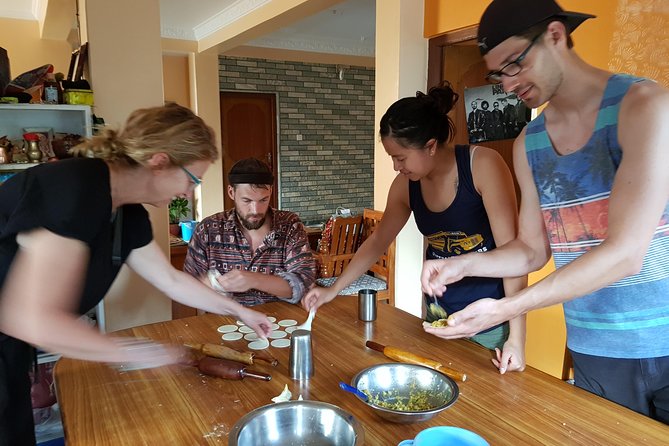
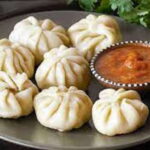
Momos are the other big draw. Dumplings can look simple until you’re shaping them yourself. The class leans into that reality with hands-on technique coaching. If you’re the kind of person who loves learning how the small details affect the final result, the evening momos workshop is likely your best match. One comment highlighted how the teacher guided finger and thumb placement and grip pressure—exactly the kind of “this is the difference” instruction that turns dumpling attempts into dumpling success.
Tip: if your goal is to taste and learn both Nepali staples, don’t assume you can do both in one slot. You’ll want to plan either two separate days or a careful choice based on what you miss most at home.
The 2-Hour Flow: From Recipe Card to Finished Dumplings or Dal Bhat
The class starts with a printed recipe you hold from the beginning. That’s a smart touch for two reasons. First, it keeps you on track when instructions move quickly. Second, it gives you something concrete to follow later if you try the dish at home.
Then the chef (and the family team behind the class) guides you through the steps. The workshop format is hands-on rather than lecture-based. For momos, expect technique work as you form dumplings—an approach that one review called out as especially helpful, because you learn how to hold, press, and place your fingers the right way. For dal bhat, you’ll follow along building the meal components into something that looks and tastes like what’s actually served.
Finally, you sit down and eat what you made. That matters. Cooking classes can sometimes feel like a training session where the “real meal” happens elsewhere. Here, the point is that your effort turns into your dinner (or lunch), served right after the cooking part.
A small practical note: since it’s a 2-hour class, pace matters. The lesson moves through real steps, not endless explanation, so show up ready to work with your hands.
What You’ll Make: Momos and Dal Bhat Basics You Can Actually Repeat
Let’s talk about “repeatability,” because that’s usually what you want from a cooking class after the vacation glow fades.


Momos: Technique-First Dumplings
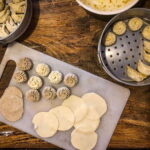
Momos can be tricky because the dumpling shape and seal are everything. The coaching you’ll get—like finger and thumb placement and how firm your grip should be—addresses the part that most people struggle with when they try at home from memory or photos. One review specifically said the instructions included technique details and how to make imperfect creations still turn out delicious. That’s the real win: you learn how to correct yourself as you go, not just copy a final look.
You’ll also be making momos from scratch, not just assembling packaged components. That’s what gives you confidence to try again later.
Dal Bhat: A Daily-Style Plate
Dal bhat is taught as a set. You’ll go through the cooking steps during the class, and then enjoy your plate. The biggest value of learning dal bhat in a home-style workshop is that it’s not treated as “chef-only food.” It’s framed as normal family cooking—exactly the kind of food you want to be able to recreate with basic ingredients and a calm kitchen rhythm.
If you prefer learning a dish that feels straightforward and comforting, dal bhat at lunch is a very practical choice.
The Family Team Behind It: Friendly, Patient Coaching
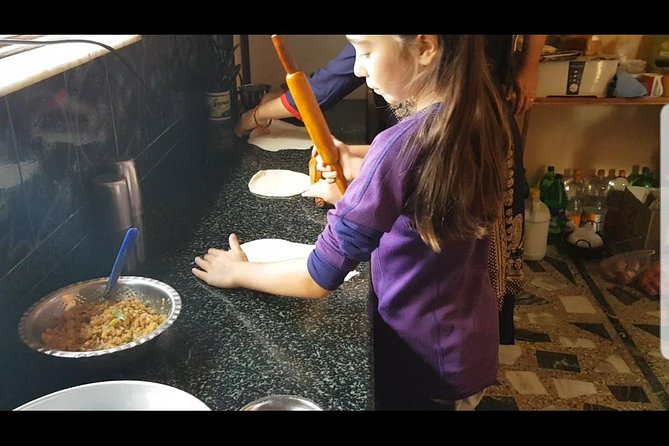
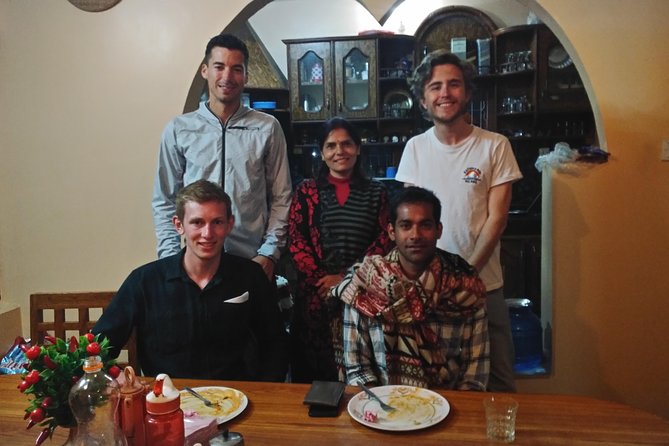
One of the most praised parts of this class is the family-run teaching style. Multiple reviews describe a father/son combo who were friendly and enthusiastic, and happy to answer questions. That’s the kind of host energy that makes beginners feel comfortable asking what should be obvious to someone else.
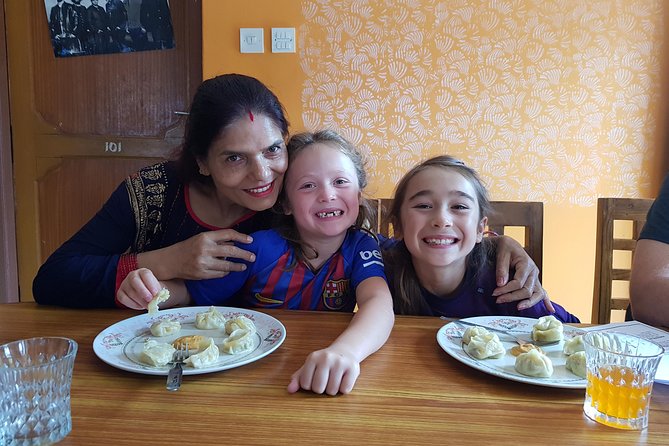
Patience also comes up again and again—especially around momo shaping. One review highlighted how helpful the teacher was while guiding the process, then how much they enjoyed eating the dumplings they made. Another pointed out the warm laughter and supportive atmosphere once they began forming the momos themselves.
You might even cook with a specific family member depending on the session. One review named Sandhya while describing a veg momo class and the experience of making momos using her recipe for family back home. Even if you don’t get the same cook, the consistency is the teaching approach: hands-on practice, questions welcomed, and no shaming if your first few dumplings look more like art than food.
Included Meal and Drinks: You Eat What You Learn
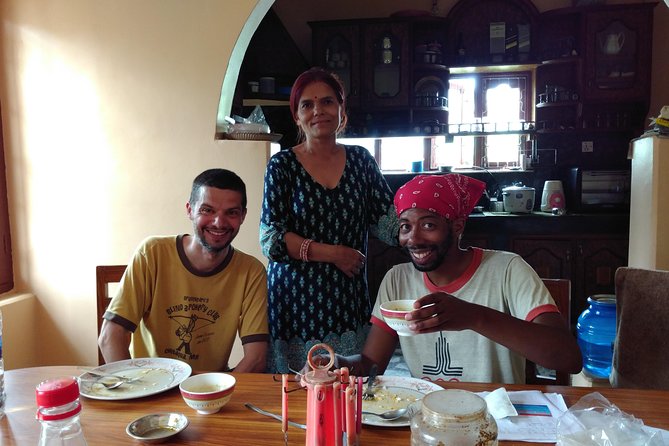
The class includes a home-cooked meal after you finish cooking. Along with your meal, you get complimentary soft drinks and water. That keeps the experience simple and avoids the “pay extra for basic refreshments” problem that can pop up in some food tours.
I like that the meals feel like the point, not an afterthought. You don’t just stand near a counter and watch; you help make the food and then get to enjoy it while it’s still at its best.
Also, the class being near Phewa Lake is helpful. You can plan your day with fewer gaps. Do the workshop, eat, then walk off any lingering hunger afterward with the lakeside scenery in your back pocket.
Price and Value: Why $50 Makes Sense Here
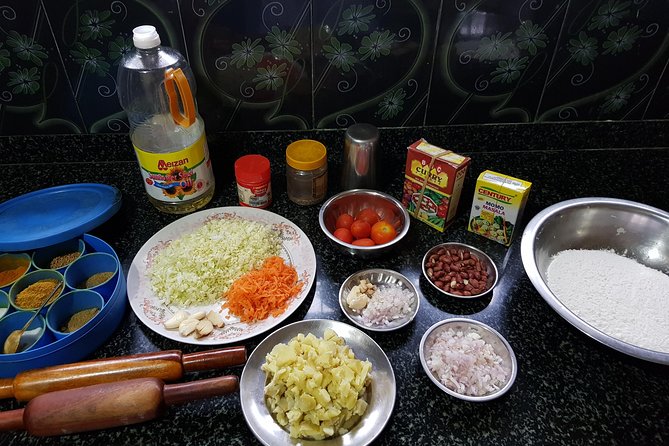
At $50 for about 2 hours, the price is fair when you look at what’s included: small group instruction, a printed recipe, hands-on cooking, and a meal with drinks. The cost isn’t only for “watching someone cook.” It’s for guided technique—especially important with momos, where the details are what make the dish.
The small cap of five people is also part of the value equation. If you’ve ever taken a cooking class where you’re basically in a line, struggling to hear instructions, you know why that matters. Here, the class is structured so the team can help you form dumplings correctly or move through dal bhat steps without being left behind.
Is it the cheapest food activity in Pokhara? Probably not. But if you want more than a photo and you care about learning how Nepali food is actually made in a home kitchen, this price starts to feel like a bargain.
Who Should Book This Class—and Who Might Not
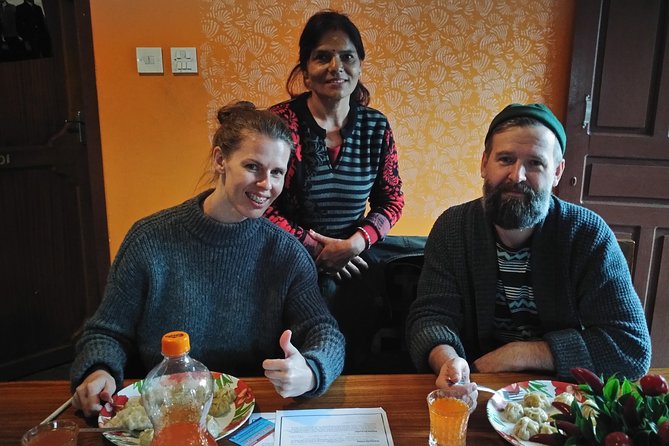
This works especially well if you:
- want a hands-on cultural activity that ends with a real meal
- prefer learning cooking technique you can repeat at home
- enjoy small-group instruction rather than big tours
- are choosing between lunch and evening activities and want one practical plan
You might think twice if:
- you’re only interested in eating Nepali food and don’t want to cook
- you want to do both dal bhat and momos in one session (you choose one workshop type)
- you’re short on time and can’t fit a focused 2-hour block
One more practical angle: the momos workshop is technique-heavy, and that’s exactly why it gets such strong praise. If you hate fiddly tasks, dal bhat might feel easier to start with.
Should You Book Cook with Delight in Pokhara?
If your goal is to take something real home—skills, not just snacks—I’d book this. The combination of a small group size, a printed recipe from the start, and hands-on coaching makes it worth it, particularly for momos where technique details really matter. Add in a home-cooked meal with soft drinks and water, plus an easy meeting spot near Phewa Lake, and you’ve got a solid Pokhara experience that doesn’t feel like a tourist trap.
If you’re still deciding between the two options, choose based on what you’ll actually crave later. Want a comfort-food base you can cook often? Pick dal bhat. Want a challenging, rewarding dish that teaches you the “how” behind good momos? Pick the evening momos workshop.
FAQ
Where does the cooking class take place in Pokhara?
The workshop starts at the ground floor of Hotel Diplomat on Pragati Marga, Pokhara 33700. The activity ends back at the meeting point.
How long is the cooking class?
The class runs for about 2 hours.
Can I choose between dal bhat and momos?
Yes. You can choose either a lunchtime dal bhat workshop or an evening momos workshop.
How big is the group?
It’s capped at a maximum of five travelers, so instruction is more personalized.
Is a meal included?
Yes. A home-cooked meal is included after you finish cooking, along with complimentary soft drinks and water.
Is there free cancellation?
Yes. You can cancel for a full refund if you cancel up to 24 hours in advance of the experience start time.
If you want, tell me your travel dates and whether you’re more excited for momos or dal bhat—I can suggest which time slot is the better fit for your Pokhara day plan.
More Workshops and Classes
Also Reviewed Around Pokhara
More Nepali Cooking Classes
Newer Pokhara reviews to browse before you decide



Nepali Cooking Classes, compared.
 ★ 5.0Nepalese Kitchen in Pokhara: Momos or Dal Bhat Cooking ClassFrom $2867 reviews
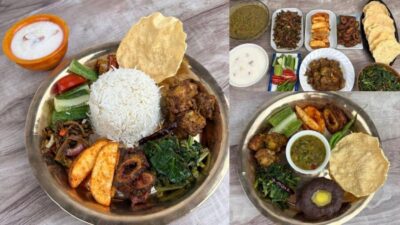 ★ 4.9MoMo or Dal Bhat Cooking Class at Aama Kitchen in PokharaFrom $2828 reviews
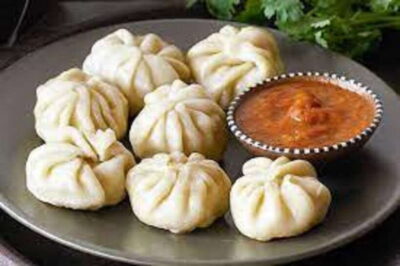 ★ 4.53 Hour MoMo cooking classFrom $2910 reviews
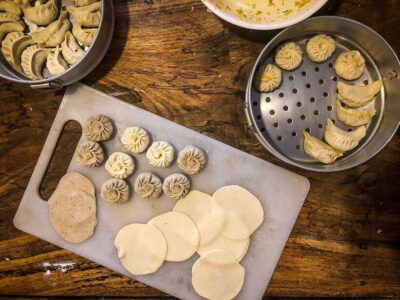 ★ 5.0Nepali Cooking Class and Momo Making WorkshopFrom $426 reviews
Browse the lists this tour appears in