
Reviewed · NEPALI COOKING CLASSES
MoMo or Dal Bhat Cooking Class at Aama Kitchen in Pokhara
Dinner turns into a lesson in Pokhara. This Aama Kitchen cooking class lets you choose momos or dal bhat and learn from the family head, a patient home cook with years of organic know-how. I like the hands-on format in a real apartment kitchen, and I like that you leave with a recipe you can actually repeat later. One drawback: it’s not ideal if you have food allergies, since it’s a hands-on cooking activity in a family home.
You’ll get round-trip transfer from the Lakeside area (a short drive to the home kitchen), instruction in English or Hindi, and a live Q&A while you cook. A lot of the magic here is the family vibe—Aama and her sons (including cooks named Sadaha or Shanta in some sessions) focus on getting you through the steps, not just feeding you.
In This Review
- Quick hits before you book
- Aama Kitchen turns cooking into a real Pokhara experience
- Momo or Dal Bhat: what you’ll cook in those 3 hours
- If you choose momos
- If you choose dal bhat
- What you’ll do either way
- Getting there: Lakeside pickup and a short drive to the home kitchen
- The Aama-led teaching style: patient, practical, and family-focused
- Spices, sides, and small cultural touches (when timing lines up)
- What you take home: notes, recipes, and repeatable skills
- Price and value at about $28 per person
- Who this class is perfect for (and who should rethink)
- Who might not love it
- Should you book the Aama Kitchen momo or dal bhat class?
- FAQ
- Can I choose momos or dal bhat?
- How long is the cooking class?
- Is pickup available in Pokhara?
- What languages are used during the class?
- What’s included in the price?
- Do I need to bring anything?
- Are large bags or luggage allowed?
- Is it wheelchair accessible?
- Can I cancel for a refund?
- Is it suitable if I have food allergies?
Quick hits before you book
- Home-kitchen teaching from Aama: You learn the way Nepalese families actually cook, not a staged demo.
- Choose your dish ahead of time: Pick momos or dal bhat when booking so the class matches your appetite.
- Round-trip Lakeside pickup included: Less hassle in Pokhara; you’re not wandering for a meeting point.
- Step-by-step practice (plus Q&A): You can ask why a spice mix works and how to fix small mistakes.
- Clean setup and patience: Many people specifically call out how encouraging the teaching is when folding or timing gets tricky.
- You take the recipe home: The goal is repeatability, not just a full stomach.
More momo and dal bhat cooking classes in Pokhara.
- Nepalese Kitchen in Pokhara: Momos or Dal Bhat Cooking Class★ 5.0 · 67 reviews
- MoMo or Dal Bhat Cooking Class at Aama Kitchen in Pokhara★ 4.9 · 28 reviews
- Pokhara: 3 Hour MoMo cooking class★ 4.5 · 10 reviews
- Pokhara: Nepali Cooking Class and Momo Making Workshop★ 5.0 · 6 reviews
Aama Kitchen turns cooking into a real Pokhara experience
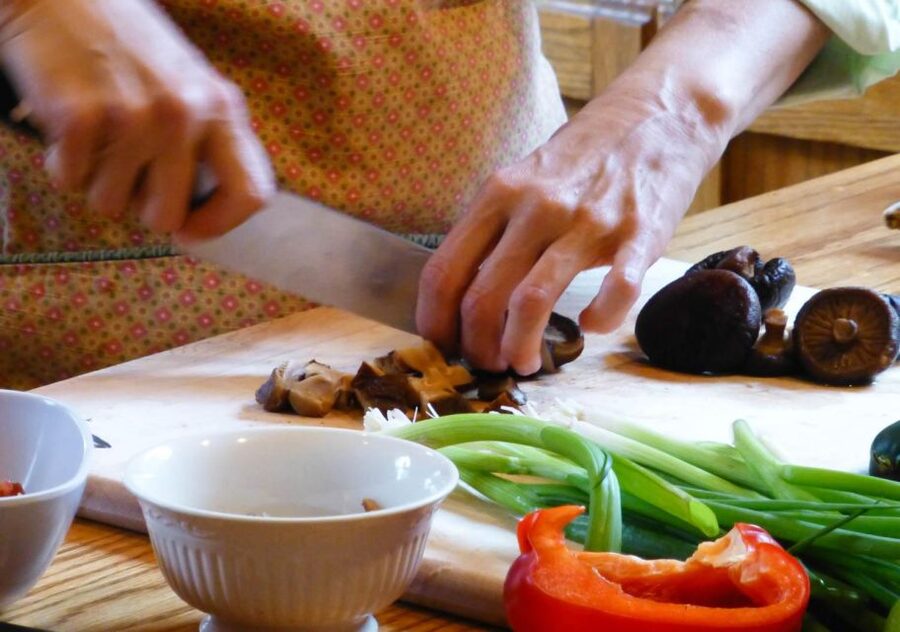
Pokhara is great for views and lakeside wandering, but a cooking class is different. It puts you in the rhythm of daily food—where ingredients, spices, and technique matter more than any performance. At Aama Kitchen, you’re not watching from the sidelines. You’re doing the work: shaping, mixing, cooking, adjusting.
What I like about this style of experience is the “you belong here” feeling. It’s a family apartment environment, so the pace is homely and practical. That matters because Nepalese cooking is partly hands-on muscle memory (like getting momo wrappers right) and partly comfort with flavors (like understanding when lentils or spice mixes need time).
You should also know what kind of place this is. It’s not a commercial classroom with a polished studio vibe. It’s a home kitchen. That’s a plus if you want authenticity, but it also means the class involves active cooking in a small space.
Momo or Dal Bhat: what you’ll cook in those 3 hours
You choose the dish when you book, so your time lines up with what you want to learn. The class lasts about 3 hours, which is a sweet spot: long enough to make something from scratch, short enough not to swallow your whole day in Pokhara.
If you choose momos
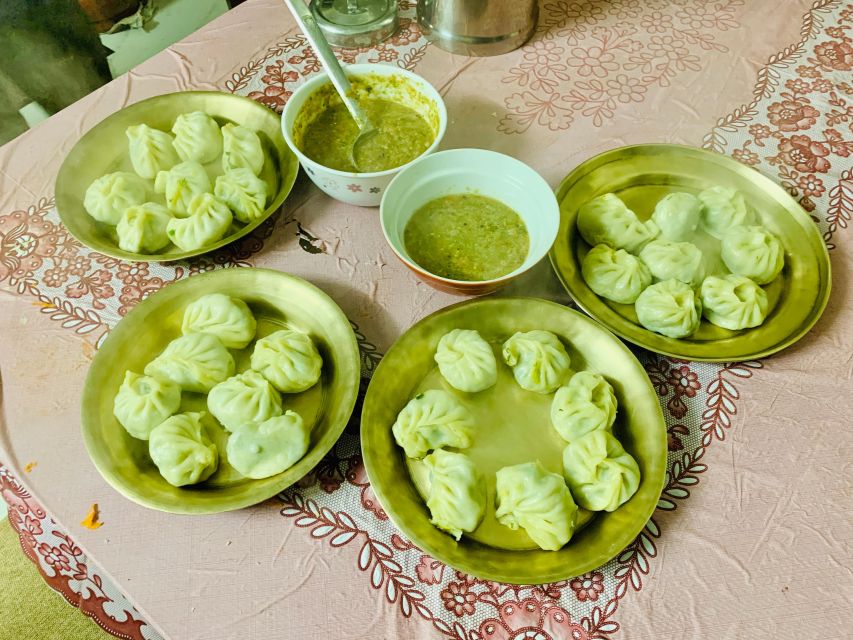
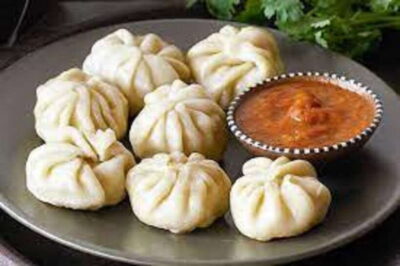
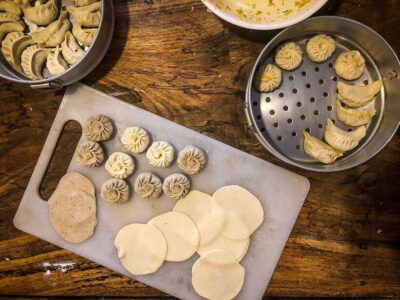
Expect a hands-on session built around momo-making basics. You’ll work with the wrapper and filling process and then practice the folding steps. This is where people often need extra patience. A common theme in the feedback is that the teacher stays encouraging even when folding gets messy the first time.
The best part is that you’re learning the technique, not just eating a finished plate. If you’ve only ever ordered momos in restaurants, you’ll notice how much control you gain when you understand the dough/wrapper work and how to manage filling quantity.
If you choose dal bhat
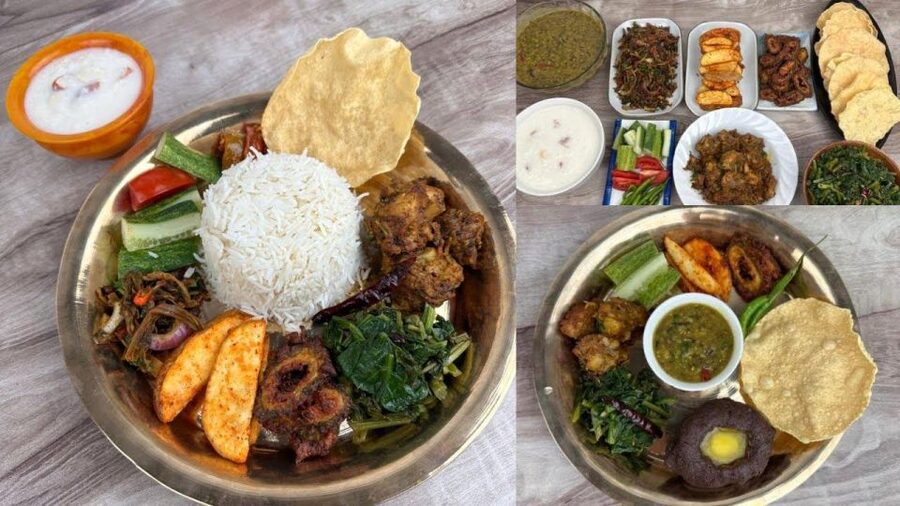
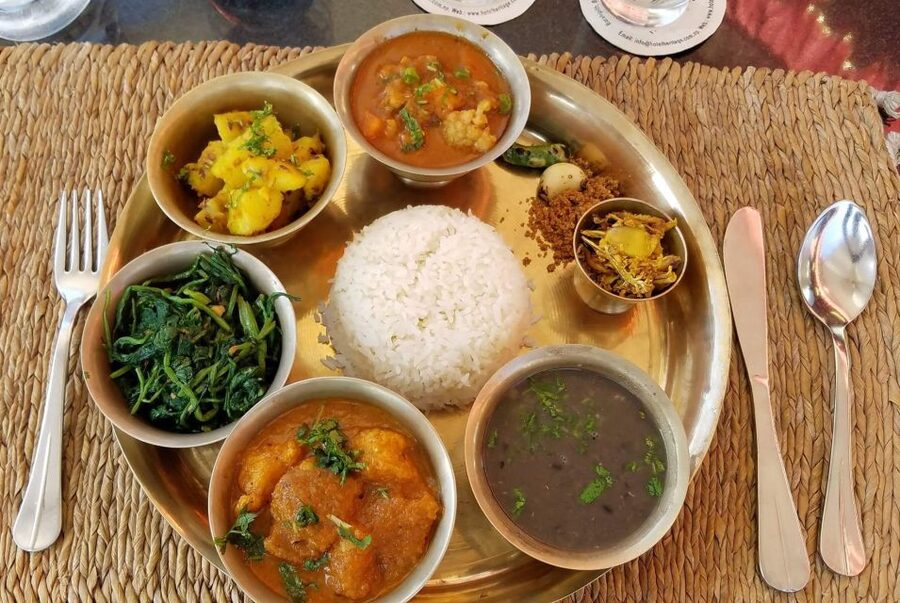
Dal bhat is comforting, but it’s not “simple” once you learn how the components come together. The class focuses on cooking the dish and also on the building blocks: lentils and the sides that go with them, plus how spices and vegetables fit the flavor.
One reason people rate this class so highly is the attention to ingredients and spice logic—where the flavors come from and how they’re used. If you’re the type who wonders what makes a curry taste the way it does, this is the session for you.

What you’ll do either way
Regardless of your choice, the format is the same: a family cook guides you step-by-step, you cook with their help, and you get a Q&A to clear up questions. That’s important because cooking classes often fail when you can’t ask “why” or “what if.” Here, the teaching time includes clarification.
Getting there: Lakeside pickup and a short drive to the home kitchen
The logistics are refreshingly straightforward. Within the Lakeside area of Pokhara, pickup and drop-off are included. The drive to Aama’s home is about 25 minutes, so you’re not losing hours commuting across the city.
Timing tip: you’ll want to wait in the hotel lobby about 10 minutes before the scheduled pickup time. This helps you avoid that awkward moment of standing outside while your driver searches for you.
Also note what’s allowed. There’s a luggage restriction—no big bags. You’ll be in and out of a home setting, so keep your daypack light and easy to carry. Comfortable shoes help too; you’ll likely move around during prep and cooking.
The Aama-led teaching style: patient, practical, and family-focused
The standout feature here is the teacher’s approach. You’re learning inside a family setting led by Aama, so instruction feels personal rather than robotic. In feedback, people regularly mention that the host is kind and patient—especially helpful for momo folding practice, where mistakes happen fast and your first batch might not look magazine-perfect.
The instruction is provided in English and Hindi, which is a big deal in Nepal because it reduces misunderstandings around spice levels, timing, and technique. Language clarity matters in cooking. If you’re unsure how much to add or when to turn heat down, it changes the outcome.
Another helpful detail: you get a Q&A session. That means you’re not stuck with one-way instruction. If you want to know how to adjust thickness, how spice mixes are built, or how to handle a particular step, you can ask.
Finally, because this is a family kitchen, you may meet other family cooks involved in the process. Names like Sadaha and Shanta have shown up in feedback, and they’re praised for being excellent at guiding guests through the steps and explaining ingredients.
Spices, sides, and small cultural touches (when timing lines up)
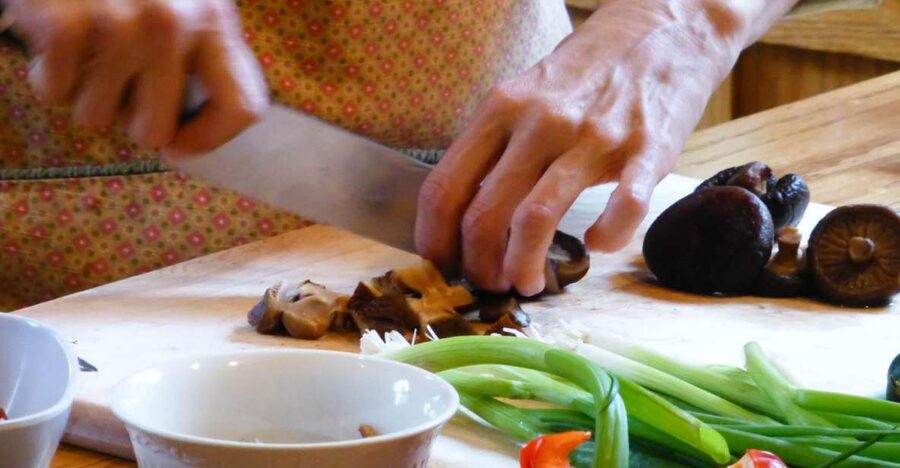
Nepalese food isn’t just flavors; it’s also how people live. Some cooking sessions happen during festival periods, and when that lines up, you might get a small cultural moment alongside the cooking. One example from feedback includes a tika and a little ceremony during October festival time, tied to Hindu celebrations.
I wouldn’t count on this every time. But it’s worth knowing that a home-led class can sometimes include gentle cultural extras that a standard restaurant cooking demo wouldn’t touch. If you’re traveling in festival season, ask ahead of time and keep your schedule flexible in case the family wants to share something brief.
What you take home: notes, recipes, and repeatable skills
This class is built around a practical promise: you get the recipe to take home. That’s a big difference from many “one-and-done” cooking experiences where you taste, learn a little, and forget the steps the next day.
If you’re cooking for friends later, having a written or clearly shared recipe format helps. You’ll remember the dish much better when you can recreate the components in your own kitchen.
Also, the teaching focuses on more than just the final dish. People highlight learning about spices, curries, and the vegetables used—plus how those ingredients connect to Nepalese life. Even if you don’t perfectly match every Nepalese ingredient later, understanding the logic behind the flavors can get you very close.
Price and value at about $28 per person
At about $28 per person for roughly 3 hours, this is one of those deals that feels fair because the whole package matters, not just the cooking.
Here’s what you’re paying for:
- Round-trip transfer within Lakeside area (so you don’t spend your time solving logistics)
- Ingredients and cooking equipment provided
- Instruction from Aama and family cooks
- Q&A time included
When you add it up, the value is in the “all-in” nature. You’re not sourcing ingredients, not paying extra for equipment, and not eating a separate meal somewhere else while the class happens. You’re doing a complete activity: learn, cook, eat what you made, and take something home.
If your goal is to eat your way through Pokhara, this class is a better choice than one more restaurant meal because you come away with skills, not only memories.
Who this class is perfect for (and who should rethink)
This fits best if you want:
- A hands-on Nepalese cooking lesson
- A family home atmosphere rather than a formal studio
- Clear instruction in English or Hindi
- A dish you can repeat later at home (momos or dal bhat)
It also helps if you enjoy asking questions. The Q&A time turns the class into something closer to a small cooking conversation with real guidance.
Who might not love it
If you have food allergies, this isn’t the right fit. The class involves cooking activities in a home setting, and allergy-safe substitutions aren’t stated here.
Also, because it’s a home apartment environment, you should be comfortable with a more casual setup. Dress comfortably. Bring shoes you can walk in. Keep baggage minimal.
Should you book the Aama Kitchen momo or dal bhat class?
If you’re in Pokhara and you want one “do something” day that feels genuinely Nepalese, I’d seriously consider booking. The strongest reason is simple: you learn inside a real home kitchen with instruction from Aama and family members, and the experience is designed to be practical—cook, understand ingredients/spices, and take the recipe home.
Skip it only if food allergies are part of your planning, or if you prefer cooking lessons that look like a professional classroom. If you’re open to a homely setting and you’re excited to get your hands working in the kitchen, this is a smart use of time in Pokhara.
FAQ
Can I choose momos or dal bhat?
Yes. You choose which class you want by selecting momos or dal bhat in the comments at booking.
How long is the cooking class?
The experience runs for about 3 hours.
Is pickup available in Pokhara?
Yes. You’ll get round-trip transfer from your hotel within the Lakeside area. You should wait in the hotel lobby 10 minutes before pickup.
What languages are used during the class?
Instruction is available in English and Hindi.
What’s included in the price?
You get hands-on guidance, all necessary ingredients and cooking equipment, instruction from Aama (and family), a Q&A session, and round-trip transfer within the Lakeside area.
Do I need to bring anything?
Wear comfortable shoes and comfortable clothes. You don’t need to bring ingredients or equipment.
Are large bags or luggage allowed?
No—luggage or large bags aren’t allowed.
Is it wheelchair accessible?
Yes, the experience is listed as wheelchair accessible.
Can I cancel for a refund?
Yes. Free cancellation is available up to 24 hours in advance for a full refund.
Is it suitable if I have food allergies?
No. It’s not suitable for people with food allergies.
More Workshops and Classes

Also Reviewed Around Pokhara
More Nepali Cooking Classes
Newer Pokhara reviews to browse before you decide

Nepali Cooking Classes, compared.
 ★ 5.0Nepalese Momos or Dal Bhat Cooking Class (Cook with Delight)From $5099 reviews
 ★ 5.0Nepalese Kitchen in Pokhara: Momos or Dal Bhat Cooking ClassFrom $2867 reviews
 ★ 4.53 Hour MoMo cooking classFrom $2910 reviews
 ★ 5.0Nepali Cooking Class and Momo Making WorkshopFrom $426 reviews
Browse the lists this tour appears in