
Reviewed · NEPALI COOKING CLASSES
Nepalese Kitchen in Pokhara: Momos or Dal Bhat Cooking Class
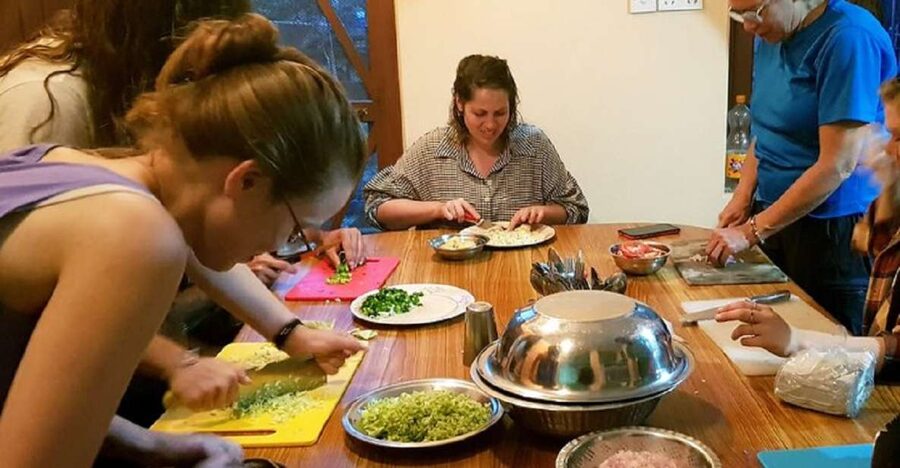
A home kitchen teaches you more than recipes. In Pokhara, I love how this momos or dal bhat class turns you into the cook, guided step by step by Sarita in a real Nepalese home kitchen. It’s a 3-hour experience with round-trip pickup from the Lakeside area.
Two things I like a lot: you get hands-on practice with fresh ingredients and traditional spice technique, and then you actually eat what you make in the same setting. The instruction is also friendly and clear across English, Hindi, and Nepali, so the process doesn’t feel mysterious.
One thing to consider: this is mostly cooking time, not a long sightseeing day. There’s a short Pokhara orientation (photo stop, guided tour, and a bit of free time), but the heart of your day is the kitchen.
In This Review
- Key highlights that make this class worth your time
- Why a Pokhara momos or dal bhat class feels more local than restaurant cooking
- Getting there from Lakeside: the short Pokhara orientation before the cooking
- Inside Sarita’s kitchen: what you’ll do, step by step
- Momos vs dal bhat: how the learning experience changes with your choice
- If you choose momos
- If you choose dal bhat
- The meal and the conversation: why eating together is part of the lesson
- What you take home: recipes you can actually use
- Group size and energy level: private class comfort with real kitchen pacing
- Practical tips to get the most out of it
- Price and value: what $28 per person really buys you in Pokhara
- Who should book this class (and who might not love it)
- Should you book the Nepalese Kitchen cooking class in Pokhara?
- FAQ
- How long is the Momos or Dal Bhat cooking class in Pokhara?
- Is the class private?
- Where do I get picked up and dropped off?
- What dishes can I choose to cook?
- What’s included in the price?
- What do I need to bring with me?
- Can I get a full refund if I cancel?
Key highlights that make this class worth your time
- Sarita’s home kitchen setup gives it a real “family meal” feel, not a studio vibe
- Hands-on instruction so you’re chopping, mixing, and shaping, not just watching
- Fresh ingredients and spice know-how that you can reuse at home
- Momos and dal bhat options so you can pick what excites your appetite
- You leave with printed or digital recipes to recreate the flavors later
More momo and dal bhat cooking classes in Pokhara.
- Nepalese Kitchen in Pokhara: Momos or Dal Bhat Cooking Class★ 5.0 · 67 reviews
- MoMo or Dal Bhat Cooking Class at Aama Kitchen in Pokhara★ 4.9 · 28 reviews
- Pokhara: 3 Hour MoMo cooking class★ 4.5 · 10 reviews
- Pokhara: Nepali Cooking Class and Momo Making Workshop★ 5.0 · 6 reviews
Why a Pokhara momos or dal bhat class feels more local than restaurant cooking
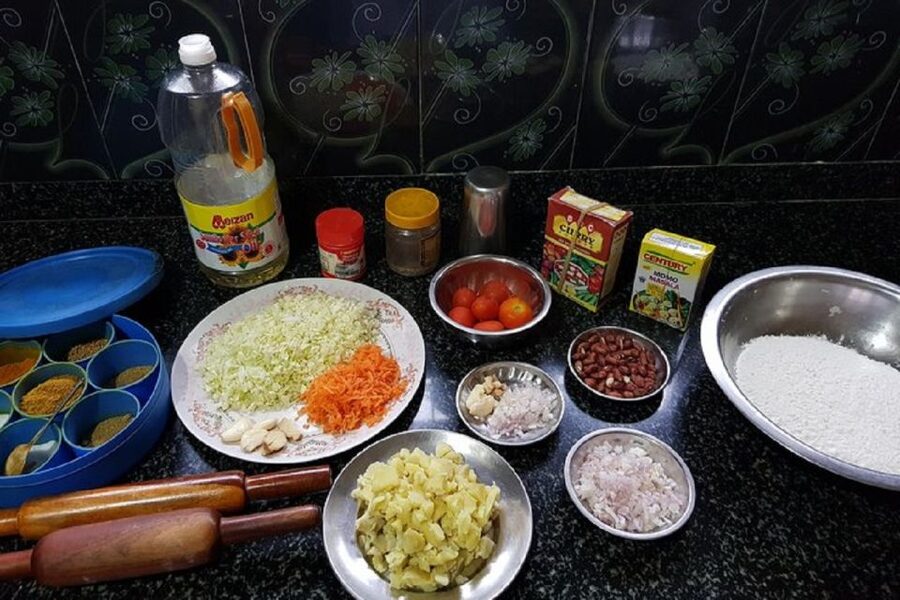
If you’ve eaten Nepali food on the road, you already know the big flavors. What you often don’t learn is the rhythm: when spices go in, how fillings get balanced, and how the texture should feel as you work.
That’s why this works. You’re not just getting a dish. You’re getting a process you can repeat. And since it happens inside a home kitchen in Pokhara, the experience feels grounded and practical instead of staged.
You also get a nice reminder that Nepalese cooking is everyday cooking. Dal bhat isn’t just a meal for tourists. Momos aren’t just a snack for restaurants. In this class, they’re the kind of food people make with comfort and consistency.
Getting there from Lakeside: the short Pokhara orientation before the cooking
Most people base themselves around Pokhara’s Lakeside, and this class meets you there. You’ll have two pickup options on Lakeside Road, including Lakeside-6, and you’ll get round-trip transfer from that area.
Before you get into the kitchen work, the schedule includes a Pokhara stop that typically includes a photo moment, a guided overview, and some free time. The point isn’t to cram in a checklist of sights. It’s more like a reset: get oriented, break the travel momentum, then switch gears to food.
In practice, this kind of timing is good if you want something cultural without spending your whole day on the move. You’ll still go out, but the majority of the experience stays in one place where you can focus.
Inside Sarita’s kitchen: what you’ll do, step by step
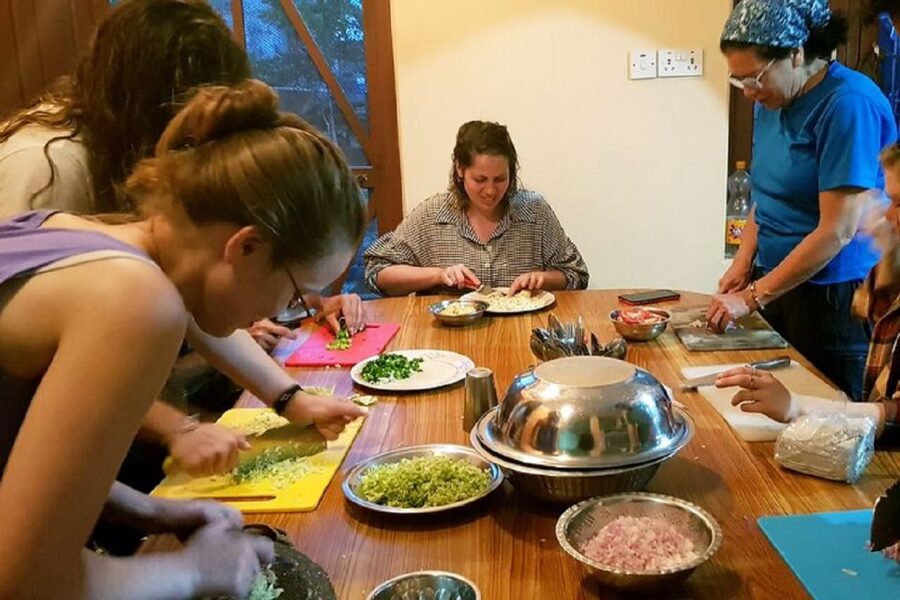
The cooking portion is structured like real meal prep. You start with an introduction to local ingredients and spices, then you move into active cooking right away.
You’ll work alongside Sarita with clear, step-by-step guidance. Expect chopping, mixing, seasoning, and cooking tasks. Even if you’re not confident in the kitchen, the pace is set up so you can follow along and actually practice what you’re learning.
The kitchen itself is a big part of the appeal. Multiple guests describe it as clean and welcoming, and you’re treated as a person in the home kitchen, not a distant audience member. That matters because Nepalese cooking is hands-on. The best results come from feeling texture and adjusting seasoning as you go.
Momos vs dal bhat: how the learning experience changes with your choice
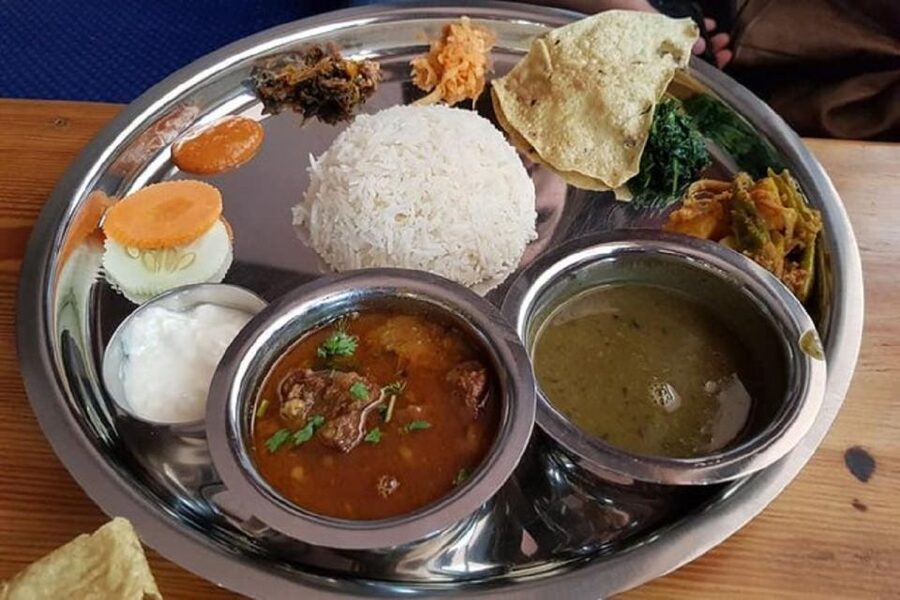
This class runs in one of two directions: momos or dal bhat. Either way, you learn traditional techniques and spice use. But the “skills you leave with” feel different.

If you choose momos
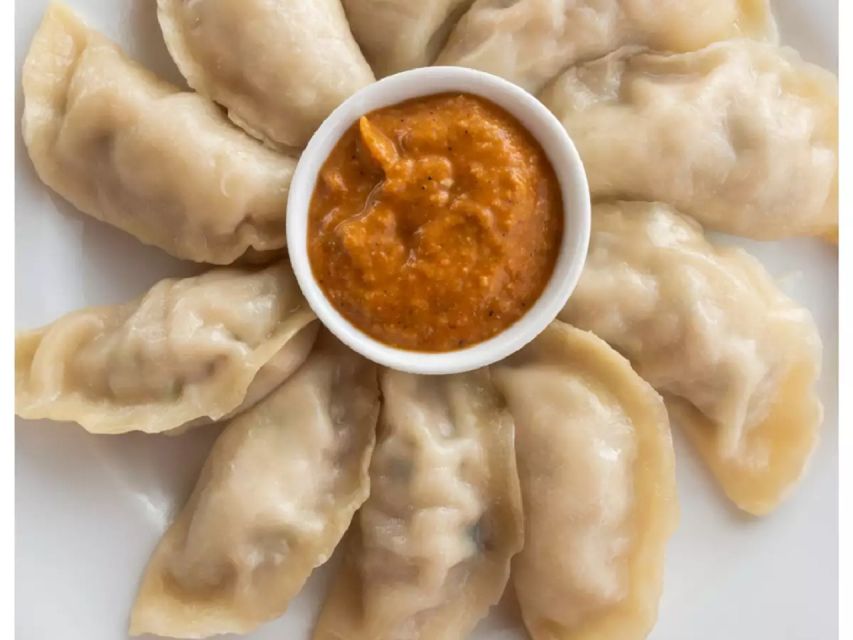
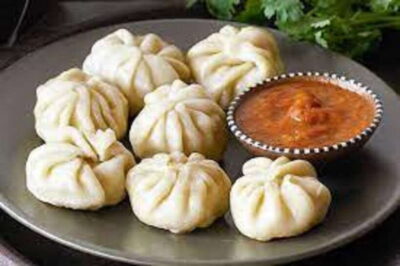
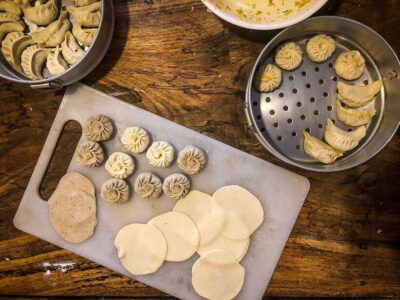
Momos are teamwork food, even when you’re cooking solo at home later. In the class, you’ll get practice with the core steps: prepping the filling, assembling dumplings, and cooking them in the way that creates the right bite.
You’ll likely do a lot of shaping. Several descriptions highlight that momos can be surprisingly time-consuming and satisfying at the same time, and you can end up making a lot. Come hungry and plan your energy for repetitive, focused work.
The big takeaway for you: you’ll learn how fillings should taste and how the wrapping should hold together. Those two details are what separate decent dumplings from dumplings you’ll want to make again and again.
If you choose dal bhat
Dal bhat is a meal built from parts: dal plus rice, with sides and seasoning that make it feel complete. Even though it sounds simple, it has many steps and timing matters.
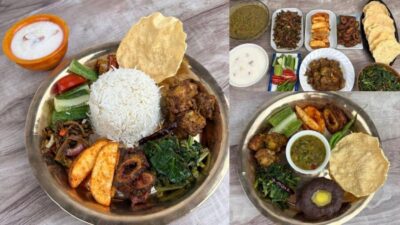
In the class, you’ll learn how to build flavor through spices and fresh ingredients, then cook the components so they land with the comfort-food balance Nepali kitchens are known for. People often describe dal bhat as very satisfying at the end, partly because it’s a full meal, not just one item.
The big takeaway for you: you’ll understand why dal bhat tastes like home cooking, not like a generic lentil bowl. It’s about layering seasoning and getting the texture right.
The meal and the conversation: why eating together is part of the lesson
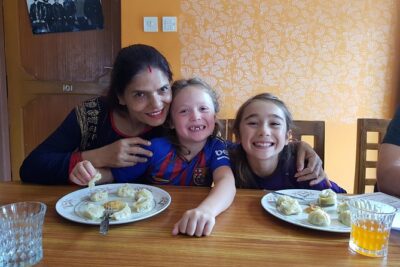
After cooking, you sit down to eat the dish you made. That’s not just included because you need fuel. It’s part of the learning loop.
You can taste what you made while it’s still fresh from the stove and then connect your effort to the final flavor. That makes the class stick in your head. You’ll remember what you added, what changed, and what you’d tweak next time.
There’s also friendly conversation during the meal about Nepali culture and food traditions. You won’t get a textbook explanation. You’ll get small human context: what ingredients matter locally, and what people consider normal at home.
If you enjoy food as a window into daily life, this part is often the most memorable. It’s also where you can ask questions in plain terms, like what spice does what, or how Nepali households adjust flavor.
What you take home: recipes you can actually use
One practical advantage is the recipe handout. You’ll receive printed or digital recipes for home use. That matters because cooking memory fades fast once you’re back on the road.
Use these recipes like a starting point, not a museum label. Nepalese cooking often adapts to what’s available, and part of the class value is understanding how to swap or adjust without losing the soul of the dish.
If you like to cook, this is where the value becomes real. You’re not just buying an experience for one evening. You’re bringing home a method you can use for future dinners.
Group size and energy level: private class comfort with real kitchen pacing
This is a private group setup. In a private setting, it’s easier to get attention when you’re learning something like dumpling shaping or spice layering. It also helps keep things comfortable if you prefer a calmer pace.
Many guests highlight how patient Sarita is, and how welcoming the overall mood feels. There’s often a good balance of instruction and warmth, so the class doesn’t feel stiff or overly formal.
Timing matters too. Since the cooking work is the center of the experience, you’ll want to treat this like an active food workshop. Expect a full sensory day: chopping smells, spice aromas, steam from cooking, and a meal at the end that leaves you well fed.
Practical tips to get the most out of it
Here’s how I’d prepare so you feel relaxed and you get maximum value.
- Plan to eat a lot. The meal you make is part of the class, and momos especially can be very filling.
- Bring an ID. A passport or ID card is fine, and a copy is accepted.
- Dress for a kitchen moment. You’ll likely do hands-on prep, so wear something you don’t mind getting a little busy.
- If you hate wasting food, bring a container. Some people suggest bringing something to carry extra, so you’re not stuck finishing everything on the spot.
Also, note the language support. The live tour guide works in English, Hindi, and Nepali, which can make the instruction easier if your Nepali is limited.
Price and value: what $28 per person really buys you in Pokhara
At $28 per person for a 3-hour class, you’re paying for more than a meal. You’re paying for guided practice inside a home kitchen, with ingredients and spices included.
Let’s break down the value:
- Round-trip transfer from the Lakeside area is included, which saves time and hassle.
- All fresh ingredients and spices are provided, so you don’t need to figure out sourcing.
- Hands-on instruction by a local instructor means you’re learning a repeatable method, not just tasting.
- The meal you prepare is included, so you’re getting food at the end without extra ordering.
- Recipes (printed or digital) are included, which extends the value beyond the 3-hour window.
Where it can fall short is the same place it shines: it’s not a big-day sightseeing activity. If you want hours of walking and landmarks, you’ll likely prefer a different plan. If you want a cultural skill, this is a strong use of time.
Who should book this class (and who might not love it)
This experience is a great match if you:
- like learning practical cooking skills you’ll use later
- want a calm, cultural activity in Pokhara that centers on food
- enjoy small-group or private attention while you cook
- care about how spices and everyday ingredients create flavor
It may not be ideal if you:
- want a lot of sightseeing time
- have a very low tolerance for hands-on chopping and shaping work
- expect a passive, watch-only experience
Should you book the Nepalese Kitchen cooking class in Pokhara?
Yes, if your main goal is to learn real Nepali cooking rather than just eat. The structure makes sense: pickup from the Lakeside area, short orientation time, then the kitchen where you do the work and get a meal at the end.
Also, the private format and the language support help a lot. You’re cooking in a real home kitchen with Sarita, and the class focuses on technique and spices, not performance.
If you’re the kind of traveler who likes to take one useful thing home, this is one of those days you’ll remember when you’re making dinner months later.
FAQ
How long is the Momos or Dal Bhat cooking class in Pokhara?
The class runs for about 3 hours, with the cooking experience being the main portion of that time.
Is the class private?
Yes. It’s listed as a private group experience.
Where do I get picked up and dropped off?
Pickup and drop-off are from the Lakeside Road, Lakeside-6 area in Pokhara.
What dishes can I choose to cook?
You can cook Nepali momos or classic Dal Bhat, depending on the option you select for your class.
What’s included in the price?
The price includes round-trip transfer from the Lakeside area, the cooking class with a local instructor, all fresh ingredients and spices, hands-on guidance, drinking water, and the meal you prepare. You also get printed or digital recipes.
What do I need to bring with me?
Bring a passport or ID card. A copy is accepted.
Can I get a full refund if I cancel?
Yes. There’s free cancellation up to 24 hours in advance for a full refund.
More Workshops and Classes
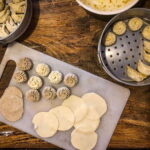
Also Reviewed Around Pokhara
More Nepali Cooking Classes
Newer Pokhara reviews to browse before you decide

Nepali Cooking Classes, compared.
 ★ 5.0Nepalese Momos or Dal Bhat Cooking Class (Cook with Delight)From $5099 reviews
 ★ 4.9MoMo or Dal Bhat Cooking Class at Aama Kitchen in PokharaFrom $2828 reviews
 ★ 4.53 Hour MoMo cooking classFrom $2910 reviews
 ★ 5.0Nepali Cooking Class and Momo Making WorkshopFrom $426 reviews
Browse the lists this tour appears in