
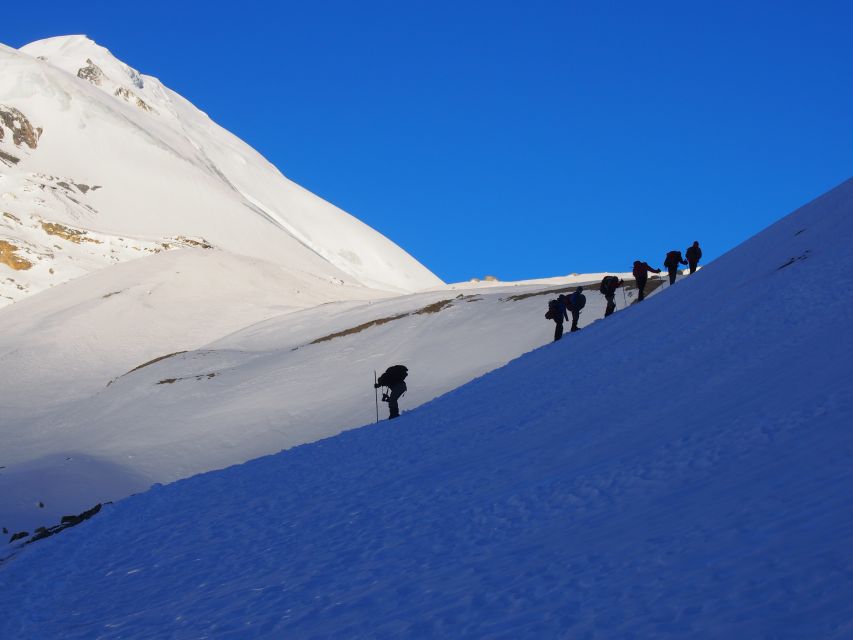
Reviewed · HIKING & TREKKING
Annapurna Circuit Trekking 13 Days
A high pass is only part of this trek. The Annapurna Circuit blends Marshyangdi River Valley walking, Tibetan Buddhist culture in Manang, and the big crossing of Thorong La at 5,416m.
I especially like two things: the small group feel (max 12 people) and the human support. When I talk with the team, names like Laxman (owner) come up for being proactive behind the scenes, and the guide experience can be personal—people specifically recommend guides like Ganesh, and suggest asking about Rabin if you want a particular style of guidance.
One consideration: this is a serious altitude route with a long day that includes crossing Thorong La. The lodge life is basic (tea houses, twin sharing), so if you’re expecting hotel comfort all the way, you’ll want to adjust your expectations.
In This Review
- Key highlights worth planning around
- Why this Annapurna Circuit feels like more than a hike
- From Kathmandu to Jagat: setting the tone with the Marshyangdi River Valley
- Dharapani to Chame to Pisang: forests, waterfalls, and rising air
- Manang day: culture meets acclimatization (and yes, you’ll feel it)
- Thorong La crossing day (5,416m): the technical part of the trek
- Muktinath to Jomsom: spiritual center, then windy Kali Gandaki air
- Jomsom to Tatopani: hot springs in the middle of the let-down
- Ghorepani and Poon Hill: finishing with height and viewpoint time
- Lodges, meals, and the comfort math of a tea house trek
- Guides and support: Laxman, Ganesh, and practical safety gear
- Price and value: what $970 covers, and what to budget next
- Who this trek suits—and who should think twice
- Should you book this Annapurna Circuit with Adventure Bound?
- FAQ
- What season is best for the Annapurna Circuit Trek?
- How long is the trek, and what’s the overall route like?
- How many people are in the group?
- What languages are used by the guide?
- What’s included in the trek package, and what’s not?
- Do I need to bring special cold-weather gear?
Key highlights worth planning around
- Thorong La Pass (5,416m): the day that defines the whole circuit, with spectacular Annapurna views from the crossing.
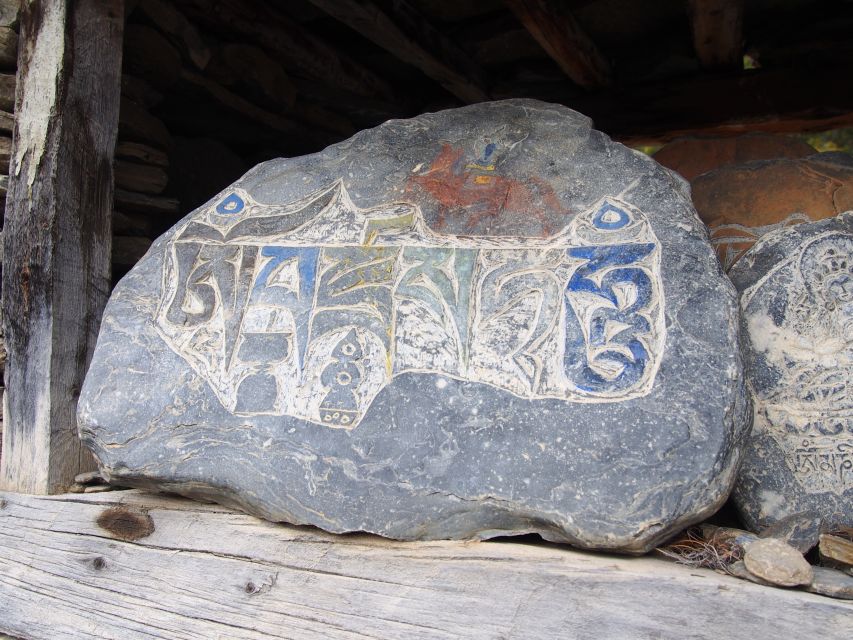
- Manang Tibetan culture + acclimatization: a dedicated day at Manang before going higher.
- Muktinath + Kali Gandaki Valley: spiritual stops and windy dry-air trekking as the terrain changes.
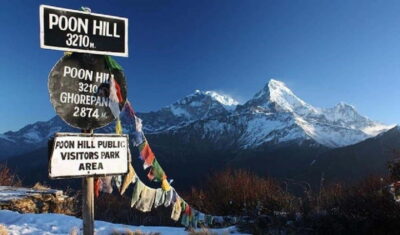
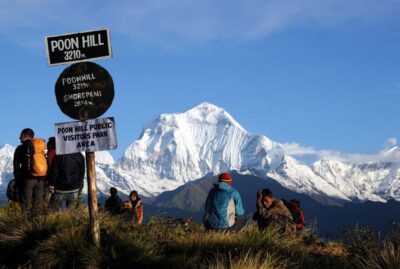
- Poon Hill at 3,210m: an early-morning viewpoint day before dropping to Nayapul.
- Small group (12 max) + licensed guide: English speaking support with practical mountain know-how.
- Gear and safety support: sleeping bag, down jacket, duffel (if needed), plus first-aid kit with an oximeter.
Why this Annapurna Circuit feels like more than a hike
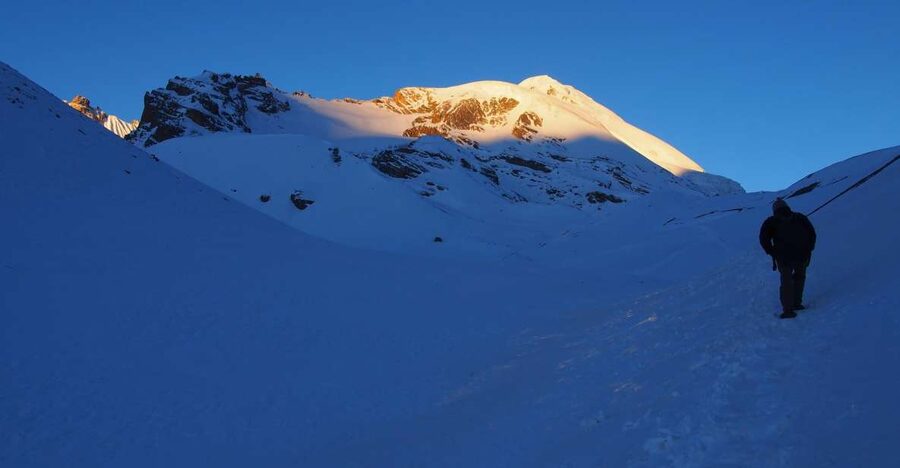
The Annapurna Circuit isn’t just about stacking elevation. You’re moving through very different “worlds” in a short time. Start in river-valley greenery, then slowly shift into drier, higher country as you approach the pass, and finally reach Muktinath and the Kali Gandaki area where the air can feel sharper.
This route also has a cultural rhythm, not only a view rhythm. In Manang, the Tibetan Buddhist influence is part of the trek’s daily texture, from the atmosphere in villages to the way people live at these altitudes.
If you’re the kind of trekker who likes a plan but still wants breathing room, this trip’s structure helps. You get guided support, meals, permits, and a sensible build-up with an acclimatization day—without turning the trek into a slow parade.
From Kathmandu to Jagat: setting the tone with the Marshyangdi River Valley
The journey starts with a drive from Kathmandu to Jagat (about 1,100m) via Besisahar, around 8–9 hours. That long first day matters more than you might think: it puts you into the rhythm of the region before you start walking.
On day 2, you trek from Jagat to Dharapani (about 1,960m), roughly 6–7 hours. This is where the Annapurna Circuit starts feeling real: river-valley walking, forests, and waterfalls, plus local communities along the way. It’s a gentler entry that helps you settle in before the higher sections.
Expect that each day builds gradually, but you’ll still feel the days add up. Bring a good attitude for mornings: trekking begins early, and you’ll do best if you treat breakfast like training fuel, not a casual snack.
Dharapani to Chame to Pisang: forests, waterfalls, and rising air
Dharapani to Chame (about 2,710m) takes roughly 5–6 hours. Chame is a classic step-up point where the valley begins to feel narrower and the climbs start to “announce themselves.” You’ll want steady pacing here—no hero sprints—because you’re building endurance for later.
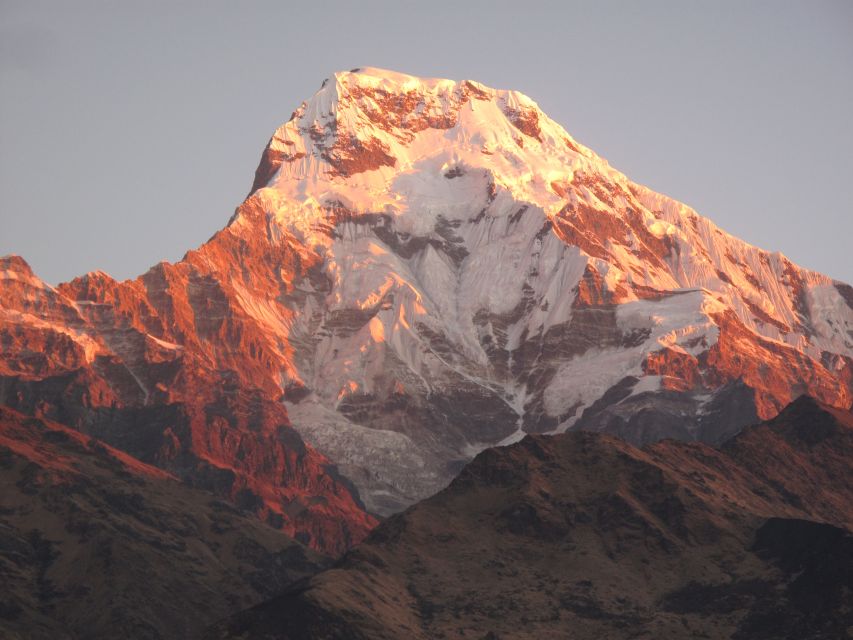
Then Chame to Pisang climbs again to around 3,300m over about 5–6 hours. Pisang is where the trek starts changing texture: views broaden, the air feels thinner, and your legs learn that altitude is not just a number.
A practical tip: in these middle elevations, your body can feel fine until it doesn’t. Drink water regularly even when you don’t feel thirsty, and keep your breathing calm on uphill sections. It’s simple advice, but it makes a big difference as the trek goes on.
Manang day: culture meets acclimatization (and yes, you’ll feel it)
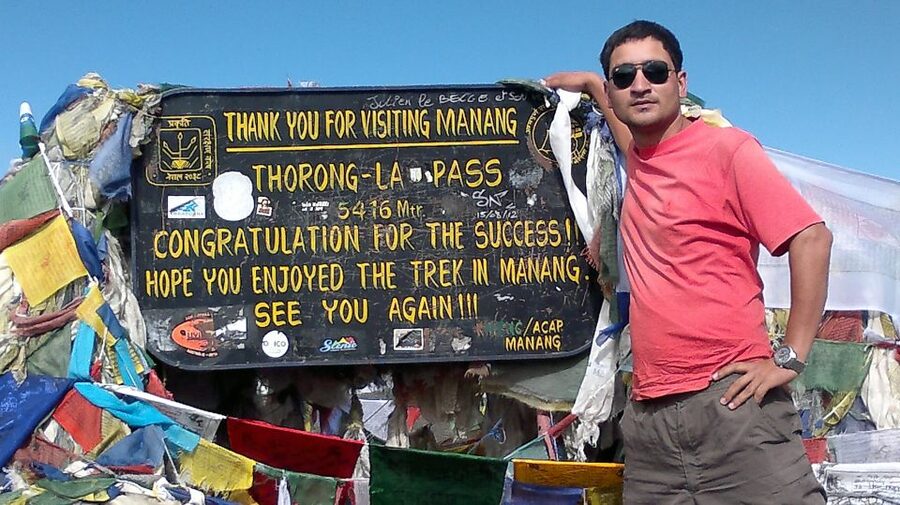
Pisang to Manang runs around 6–7 hours, reaching about 3,540m. Manang is a key stop because it’s both cultural and practical. You’ll see Tibetan Buddhist cultural influence here, which helps explain why people talk about Manang as more than a resting point.
Then comes the acclimatization day at Manang. This matters for a reason: it’s your chance to adjust before you head toward higher elevations like Yak Kharka (around 4,120m). Without that buffer, the route’s big days would feel much harsher.
On the walking days after Manang, expect a steady rhythm:
- Manang to Yak Kharka: about 4–5 hours to 4,120m.
- Yak Kharka to Thorong Phedi: about 4–5 hours to roughly 4,450m.
You’re not just going higher. You’re getting your body used to sleeping and moving in thinner air. It can feel slow at the time, but it’s one of the reasons you can enjoy the pass crossing instead of only surviving it.
Thorong La crossing day (5,416m): the technical part of the trek
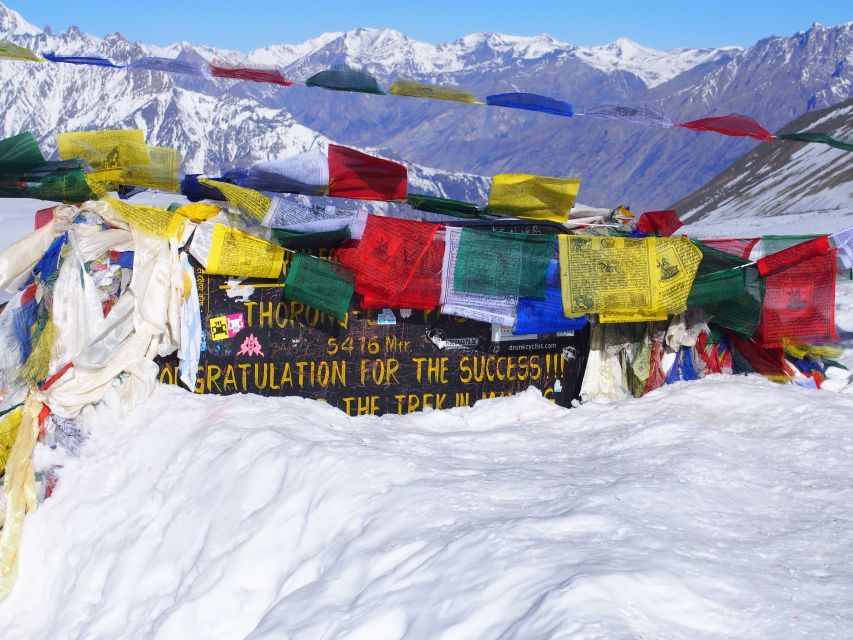
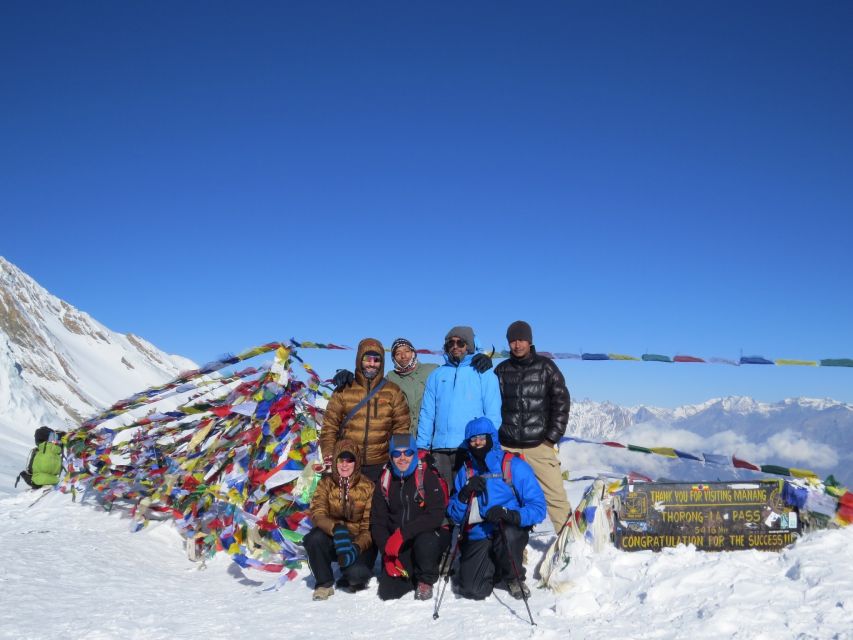
The Thorong La day is the moment you’ll remember. You go from Thorong Phedi (about 4,450m) to Muktinath (around 3,802m), crossing Thorong La at 5,416m along the way. Expect roughly 7–8 hours, and plan your mind as well as your legs.
You’re hitting high altitude during the day, and this is where “technical” matters. Even if the route is managed and well-trodden, footing, cold, wind, and breath control can change fast. This is a day to keep things calm and methodical.
Here’s what I’d focus on before you start:
- Dress for cold that can bite even when you’re working hard.
- Take short, steady steps and keep your breathing even.
- Don’t treat the summit moment like a sprint; you’re crossing a pass, not running a race.
When you reach the descent toward Muktinath, you’ll get that mix of relief and awe. The big views of the Annapurna white peaks and the surrounding area are part of why people come back year after year.
Muktinath to Jomsom: spiritual center, then windy Kali Gandaki air
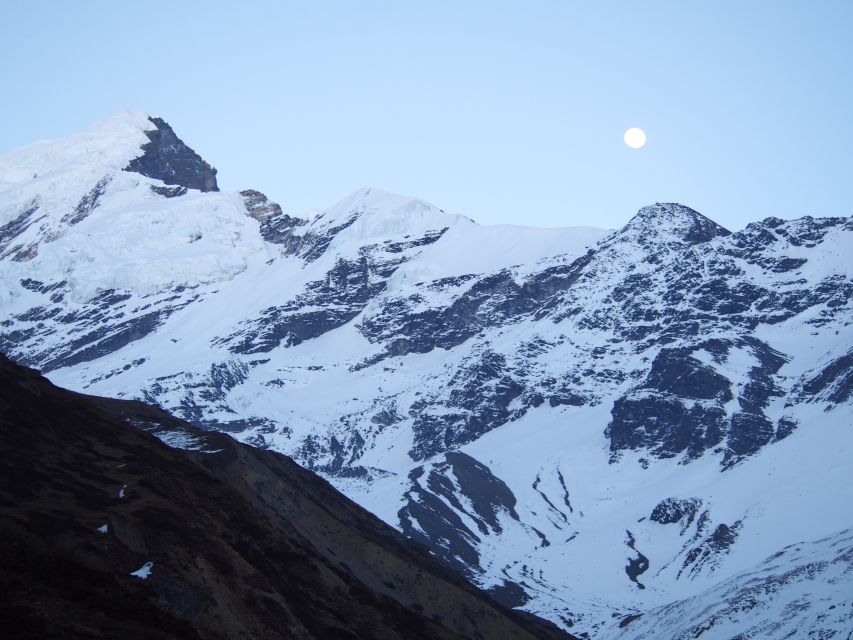
After the pass, the route drops to Muktinath (spiritual center) and then continues toward Jomsom. The trek from Muktinath to Jomsom is about 5–6 hours, descending to roughly 2,743m.
Muktinath is one of those places where the atmosphere feels different from pure hiking-country. It’s not only scenery. It’s also a spiritual stop that changes how you experience the day.
From there, the Kali Gandaki valley brings another shift. The trek notes mention a windy feel, and in this region weather can be a big part of the experience. That’s why your pacing and layering habits really matter—you don’t want to guess. You want to be prepared.
Jomsom to Tatopani: hot springs in the middle of the let-down
Jomsom to Tatopani is handled by drive, about 4–5 hours, landing around 1,290m. Tatopani is known for natural hot springs, and it’s a welcome change after the colder higher days.
This stretch is also a good “recovery reset.” You’re still in trekking mode, but the hot springs option (or at least the idea of them) helps you mentally shift from high-altitude focus into muscle recovery.
A small practical note: don’t underestimate how good a low-altitude warm day feels. Your body will notice. Take time to eat well, stretch gently, and keep your pace easy.
Ghorepani and Poon Hill: finishing with height and viewpoint time
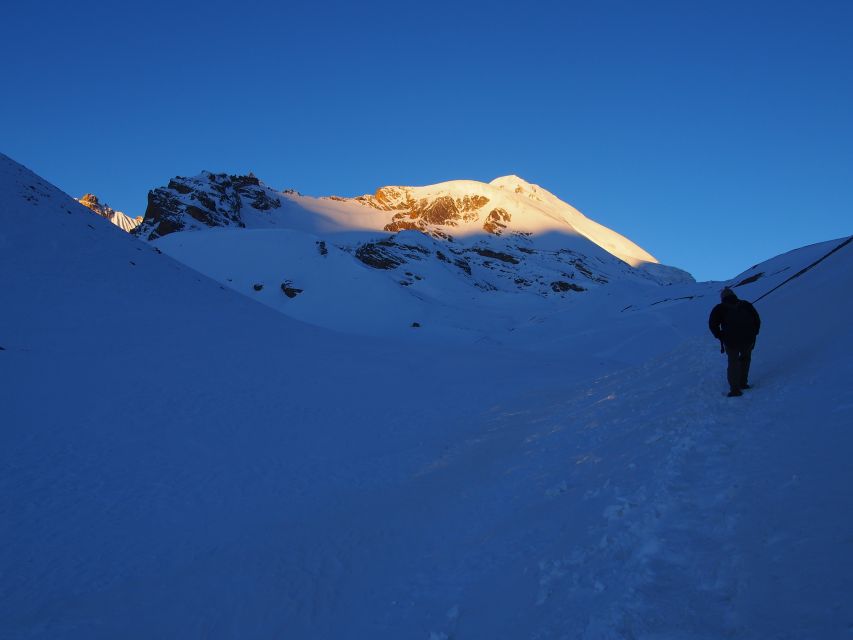
Tatopani to Ghorepani is a trek of about 7–8 hours, rising to roughly 2,750m. This can feel like a second climb after the drive, so keep expectations realistic. Think of Ghorepani as your bridge into the final viewpoint day.
Then comes the early morning hike up to Poon Hill at 3,210m, followed by the trek down to Nayapul (about 2,070m). From Nayapul, you take a taxi to Pokhara. The timing is tight on day 13, but it’s a strong way to end: you get one more altitude push for a viewpoint, then you’re back to civilization for dinner and sleep in a proper bed.
If you like closure, this works well. You finish with a clear visual payoff, then descend into the wrap-up phase without dragging on for extra trekking days.
Lodges, meals, and the comfort math of a tea house trek
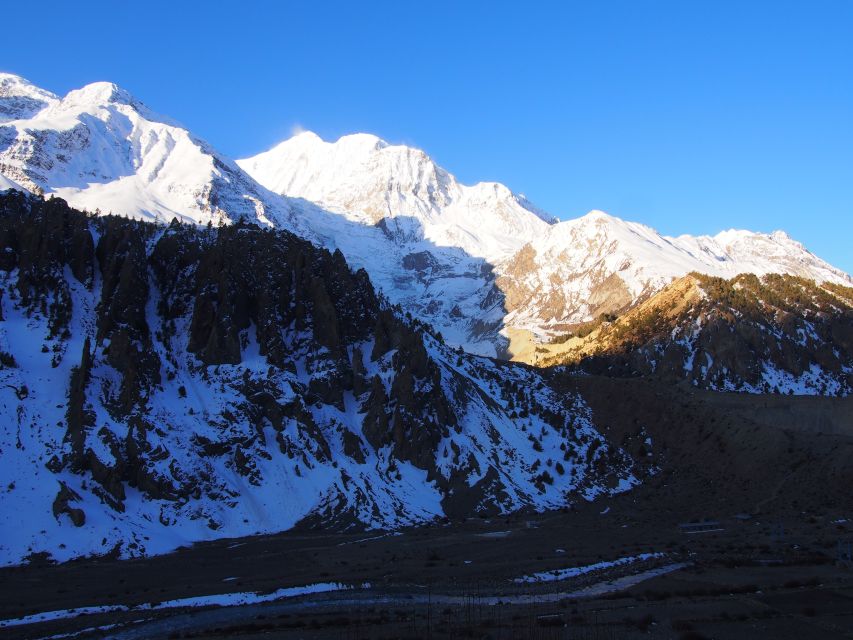
This trip uses basic tea houses, with 12 nights of accommodation in twin sharing. That’s not a knock—it’s the normal reality of the circuit. What you gain is flexibility and a chance to experience villages at walking distance, not a bubble of private lodges.
Meals are included three times a day during the trek (breakfast, lunch, dinner). Many tea houses also offer continental kitchen options, so you’re not stuck eating only one kind of meal every day.
Comfort-wise, you’ll want to treat your room like storage and rest space. The real comfort comes from:
- Warm layers
- A decent sleeping setup (especially since sleeping bags and down jackets can be provided if needed)
- Quiet pacing during climbs
If you’re someone who likes predictable meals and a consistent routine, this plan delivers. If you hate any uncertainty, you might find tea house variability stressful. Still, the guided structure reduces a lot of the guesswork.
Guides and support: Laxman, Ganesh, and practical safety gear
One of the strongest parts of this experience is the human support. This is organized around a government-licensed, experienced, friendly guide. The guide’s food, accommodation, salary, equipment, and insurance are included, which often means the operation runs more smoothly day to day.
In the conversations I’ve had with past trekkers, certain names show up. Laxman is described as proactive and handles formalities well before the trip. For trekking leadership, Ganesh gets specific praise for attention to detail, listening, patience, and mountain knowledge. There’s also a tip to ask if Rabin can be your guide if you want a different guiding style.
Safety-wise, the inclusion of a first aid box with an oximeter is a meaningful detail. Altitude is where good preparation shows up, and measuring oxygen levels is part of that.
Also, you get ACT trek maps and a guide who can help you interpret them. On the circuit, good navigation habits reduce stress.
Price and value: what $970 covers, and what to budget next
At $970 per person, this trek can be good value because the big-ticket operational pieces are already handled. Inclusions cover:
- Pickup from Kathmandu international airport
- Transportation segments (public bus and taxis as listed, plus tourist bus Pokhara–Kathmandu)
- Guide with licensing and support
- Three meals a day during the trek
- Permits
- 12 nights basic tea house twin sharing
- 1 night hotel in Pokhara with breakfast
- Sleeping bag, down jacket, and duffel bag if you need them
- First aid kit with an oximeter
- Free luggage storage at Adventure Bound store if needed
What’s not included (and you should plan for):
- Nepal entry visa and international airfare
- Hotel in Kathmandu and meals in the city
- Porter, if you want one (extra $250)
- Personal expenses and all soft/hard drinks
- Private transports
My take: if you need to hire a porter and you haven’t budgeted for the visa/airfare and Kathmandu hotel, your total can rise quickly. On the other hand, if you pack smart and handle your own load, the included setup can keep costs under control while still giving you guided structure.
Who this trek suits—and who should think twice
This route suits hikers who:
- Want a classic Annapurna Circuit experience with Manang, Muktinath, and Poon Hill
- Are ready for a real altitude day crossing Thorong La
- Appreciate guided logistics and included meals
- Prefer a small group (12 max) over a big crowd trek
You should think twice if:
- You’re not comfortable with basic tea house lodging and shared rooms
- You struggle with altitude or don’t like long, structured walking days
- You expect private transportation for every segment (some legs use public transport)
The flip side is encouraging: the acclimatization day at Manang and the guided support are built into the plan. That’s not a guarantee, but it’s a smarter approach than doing the circuit as a rushed self-guided grind.
Should you book this Annapurna Circuit with Adventure Bound?
If you want an organized, small-group trek that gives you the key circuit moments—Manang culture, Thorong La at 5,416m, Muktinath, Kali Gandaki’s windy mood, and a Poon Hill viewpoint finish—this is a solid pick. The most praised elements from past trekkers map to what you’d hope for in real life: proactive coordination from Laxman and a guide experience people trust (including Ganesh, plus the suggestion to ask for Rabin).
Book it if you’re ready for tea house simplicity and you take altitude seriously. Consider it less if you’re chasing luxury or you can’t handle long uphill days.
FAQ
What season is best for the Annapurna Circuit Trek?
Spring and autumn are listed as the best seasons for this trek.
How long is the trek, and what’s the overall route like?
It’s a 13-day trek that starts from Kathmandu and moves through Jagat, Dharapani, Chame, Pisang, Manang, Yak Kharka, Thorong Phedi, the Thorong La crossing to Muktinath, then onward to Jomsom, Tatopani, Ghorepani, and ends with Poon Hill before heading to Pokhara.
How many people are in the group?
The group is limited to 12 participants.
What languages are used by the guide?
The guide offers English, Nepali, and Hindi.
What’s included in the trek package, and what’s not?
Included are pickup from Kathmandu airport, transportation segments, a licensed guide, three meals a day during the trek, permits, 12 nights basic tea house accommodation (twin sharing), one hotel night in Pokhara with breakfast, sleeping bag/down jacket/duffel if needed, and safety items like a first aid box with an oximeter. Not included are Nepal entry visa and international airfare, Kathmandu hotel and city meals, a porter if you want one (extra $250), personal expenses, drinks, and private transport.
Do I need to bring special cold-weather gear?
You can use sleeping bags and down jackets provided if you need them, along with a duffel bag. You’ll need them to handle cold conditions, especially around the high pass.
Hiking & Trekking, compared.
 ★ 5.0Poon hill Trek 3 daysFrom $230176 reviews
 ★ 5.0Trekking in Annapurna/Langtang/Everest/Upper Mustang regionsFrom $40161 reviews
 ★ 5.04-Day Ghorepani, Poonhill & Ghandruk Mountain TrekFrom $181132 reviews
 ★ 5.0Ghorepani – Poon Hill Trek 3N-4DFrom $321125 reviews
 ★ 5.0Annapurna Foothills Day Hike with TransfersFrom $42100 reviews
 ★ 4.9Kathmandu/Pokhara: 5-Day Annapurna Base Camp (ABC) TrekFrom $9672 reviews
 ★ 4.93-Day Ghorepani Poon Hill Trek with GuideFrom $16268 reviews
 ★ 4.94-Day Mardi Himal TrekFrom $13959 reviews
Browse the lists this tour appears in