
Reviewed · POKHARA CITY & VALLEY SIGHTSEEING
Pokhara Sightseeing By Bus – Day Trip
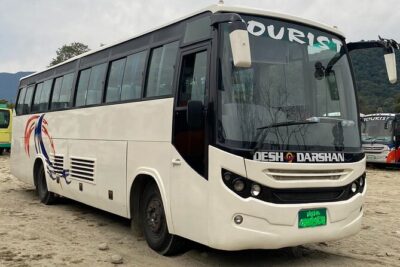
A budget bus crawl through Pokhara works surprisingly well. This shared, full-day circuit strings together major sights like Peace Stupa, Devis Fall, Seti River Gorge, and Fewa Lake, with an English-speaking guide and a local assistant on board. I especially like the variety: viewpoints, temples, caves, a gorge, falls, and a lake in one day. I also like the bus mix, since you’ll often ride alongside people from around the world, which makes the day feel more like real daily travel than a private bubble. The main trade-off is that guidance can feel light once you’re dropped at stops, and pickup or pacing issues do pop up sometimes.
You’ll meet your guide at 9:30 AM around the Lakeside/hotel area and then spend about 7 hours on the road. Entrance fees and meals aren’t included, so you’ll want cash ready and a daypack for water and snacks. If your ideal day is nonstop narration and long, slow time at each site, this may feel rushed.
In This Review
- Key things to know before you go
- Price and logistics: why this $17 bus trip can still make sense
- Getting on board in Lakeside: the feel of a shared Pokhara day
- Pumdikot Mahadev View Point and Bindyabashini Temple: starting with “why Pokhara” views
- Mahendra Cave: the itinerary’s “off the beaten path” beat
- Seti River Gorge and the tour’s natural spectacle theme
- Peace Stupa and Devis Fall: calm stop, then a memorable jolt
- Gupteshwor Mahadev Cave and Fewa Lake: the day’s spiritual-and-lake finish
- Group rhythm: how much “guided” time you should expect
- Who this tour is best for (and who should choose something else)
- The biggest trade-offs: what to watch for on a shared bus day
- Should you book this Pokhara Sightseeing By Bus day trip?
- FAQ
- What time does the Pokhara sightseeing bus tour start?
- How long is the tour?
- Where do you get picked up?
- What sights are included in the itinerary?
- Are meals included?
- Are entrance and monument fees included?
- Is there an English guide?
- Does the tour include skip-the-ticket-line access?
- What should I bring?
- Is this tour suitable for wheelchair users?
Key things to know before you go
- Packed Pokhara highlights for a low price: you’ll hit multiple must-sees without needing a private car
- A shared-bus, real-world vibe: you may be seated with local and South Asian travelers, not just other tourists
- Drop-off style at many stops: you can expect some self-guided exploring between bus legs
- Caves plus falls plus lake: the itinerary mixes easy sightseeing with a few more “get out and walk” moments
- Bring cash for about $10 USD in entrances: monument and entrance fees are extra
- Not wheelchair-friendly: this is a bus day trip built around walking
More ways to see the city and Pokhara Valley in a day.
- Pokhara: Full-Day Private Tour on 7 Iconic Destination★ 4.8 · 108 reviews
- Pokhara: Sarangkot Sunrise with Half or Full-Day City Tour★ 4.8 · 100 reviews
- The Best of Pokhara: Full-Day Private Tour with Sarangkot Sunrise★ 5.0 · 66 reviews
- Guided Tour to explore the entire Pokhara City★ 5.0 · 51 reviews
Price and logistics: why this $17 bus trip can still make sense
At around $17 per person, this Pokhara sightseeing bus day is positioned as a budget sampler. The value comes from volume: you’re not just visiting one landmark area—you’re bouncing between viewpoints, religious sites, caves, and natural features all in the same day.
That said, the total cost in the real world won’t be only the base price. Entrance and monument fees are listed as approximately $10 USD per person, and meals are available to purchase on your own. If you plan to eat away from your hotel, factor in at least a modest meal budget so the day stays painless.
The schedule matters too. You start in the morning—meeting at 9:30 AM—with pickup included from the Lakeside area (and/or the tourist bus park). Because the tour is sharing transport, you should build in a little patience for timing and getting everyone coordinated.
Getting on board in Lakeside: the feel of a shared Pokhara day
The tour experience starts with the bus ride itself. You’re not traveling alone, and that’s the point. You’ll share the vehicle with other visitors—and you might find your seat next to people who are traveling locally as well. One practical benefit of that mix: you can often pick up quick, informal “how to do this stop” advice from the way other riders move through the day.
You’ll also have a local assistant accompanying the group. If you need help with where to stand, when to re-board, or what’s next, that’s the person to ask.
Now for the realistic caveat: the trip can feel more like bus transport plus site time than a constantly guided narration. Some days are organized more as drop-offs, with you going in on your own once you arrive. That doesn’t make it a bad day—it just changes how you should prepare. Go in ready to explore independently at several stops, and don’t assume every moment will come with detailed commentary.
Pumdikot Mahadev View Point and Bindyabashini Temple: starting with “why Pokhara” views
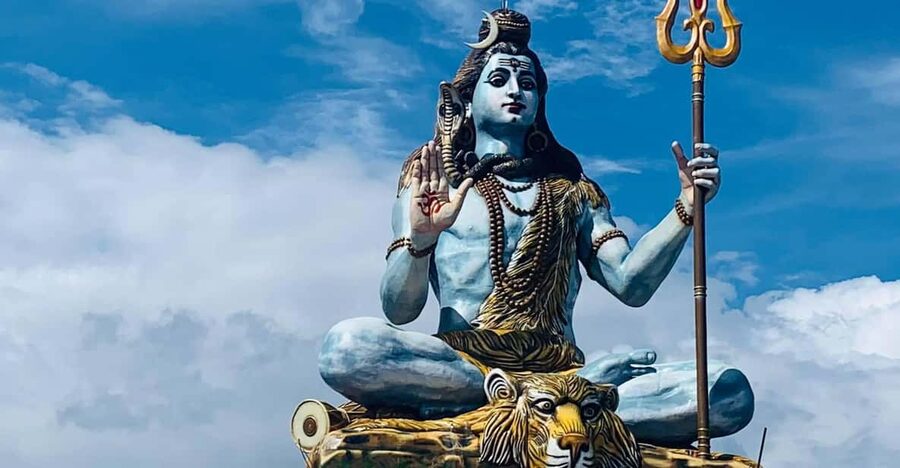
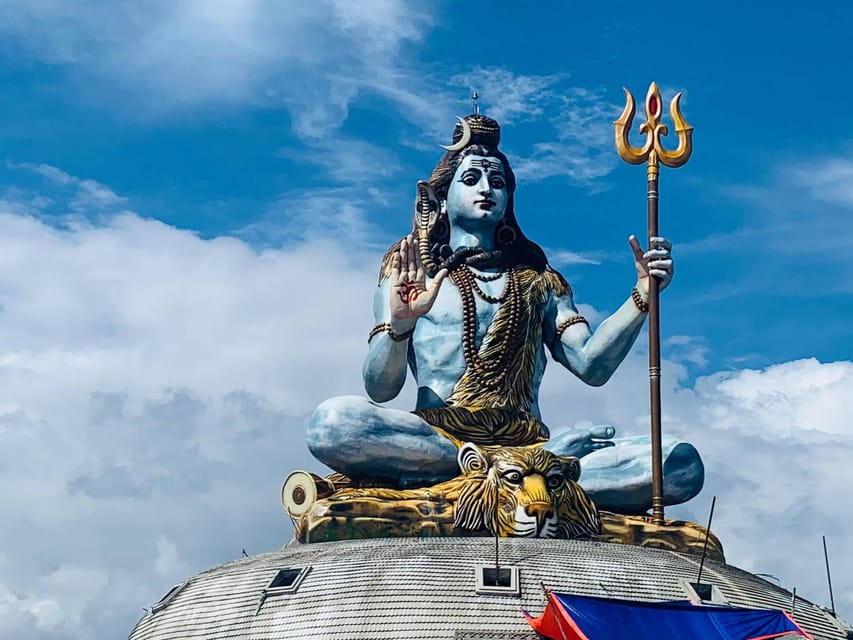
The itinerary begins with Pumdikot Mahadev View Point. A viewpoint stop at the start is smart. You get your orientation quickly—Pokhara’s hills, the basin vibe, and the sense that this valley is shaped by water and mountains working together. Even if you only have a short time there, the early viewpoint can help everything else make more sense once you start hopping between caves and gorge areas later.
Next up is Bindyabashini Temple. This is your cultural and religious pause on the circuit. Temple stops are often where you’ll see everyday devotion—people moving through, taking photos respectfully, and interacting with the space. If you prefer your sightseeing to include local life (not just scenery), this is the kind of stop that adds texture.
Practical tip: dress for temple areas with shoulders and knees covered if you can. You’ll look more comfortable and avoid awkward last-minute changes.
Mahendra Cave: the itinerary’s “off the beaten path” beat
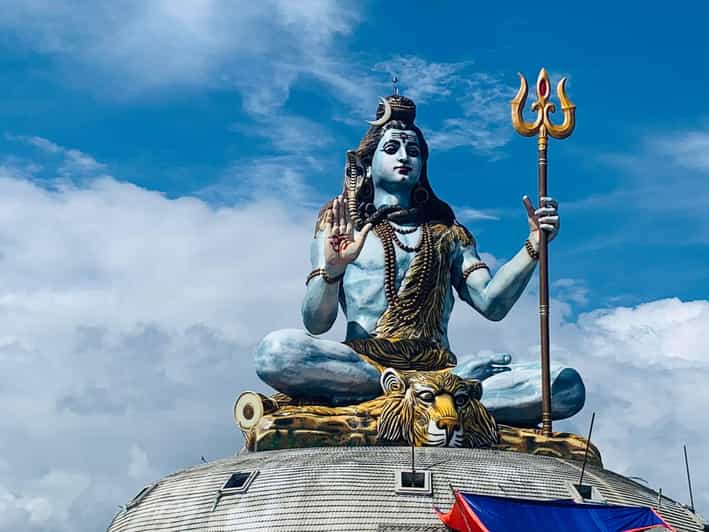
After temples and viewpoints, the day turns more physical with Mahendra Cave. It’s one of the spots on this route that breaks up the scenery with an indoor/outdoor change of pace.
Cave visits typically mean:
- you’ll walk around the entrance areas
- you may need to move at a slightly slower pace
- you’ll want comfortable shoes for uneven ground
If you’ve been spending your days mostly outdoors, a cave stop can feel like a nice reset. If you’re tired of walking, plan to keep your energy for the re-boarding points—because cave stops tend to take longer than a quick photo stop.
A few more Pokhara trips worth comparing.
Seti River Gorge and the tour’s natural spectacle theme
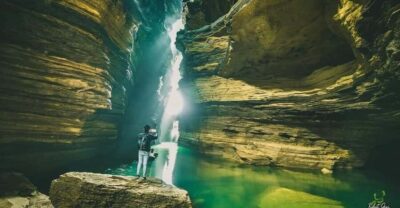
Then you reach the Seti River Gorge. The gorge is the kind of natural feature that makes you understand how water shapes a place over time. Even without a long guided lecture, the form of the gorge gives you something tangible to look at: rock walls, a river channel, and the feeling that the valley is built from erosion and time.
This is also where bus-day pacing becomes important. Since it’s a single-day schedule, you might not get a long linger unless your group moves quickly. You’ll still get meaningful time to look and photograph, but don’t plan on an all-day “nature hike” experience—this is sightseeing by bus, not an excursion with extended trekking.
Peace Stupa and Devis Fall: calm stop, then a memorable jolt
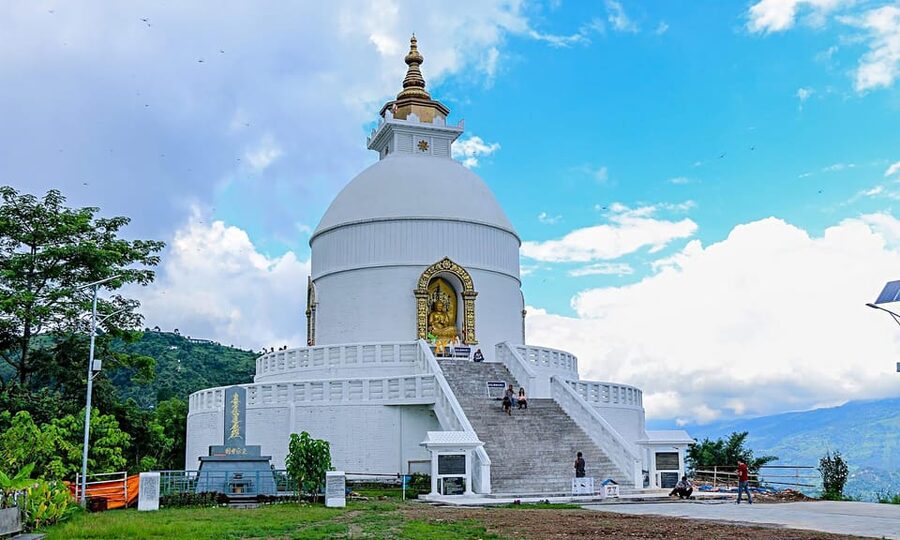
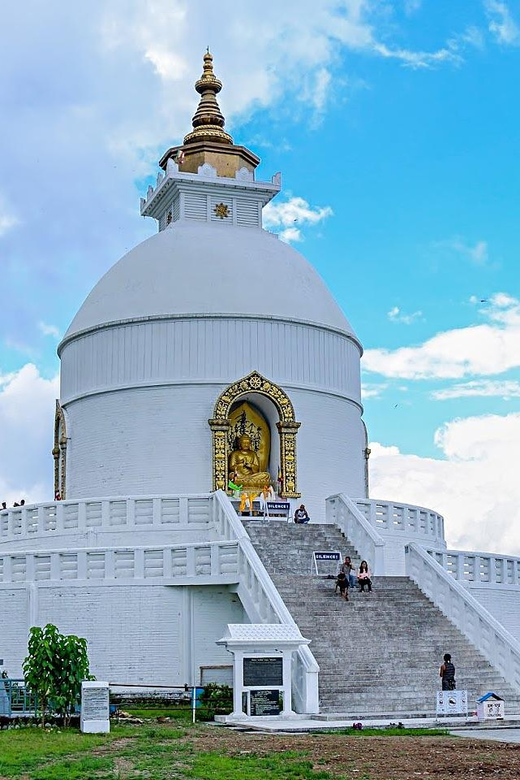
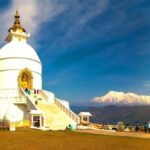
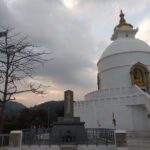
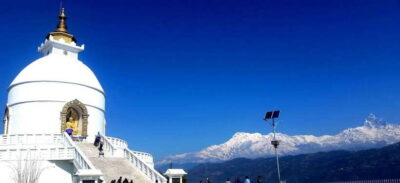
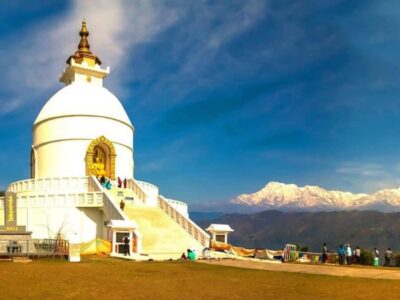
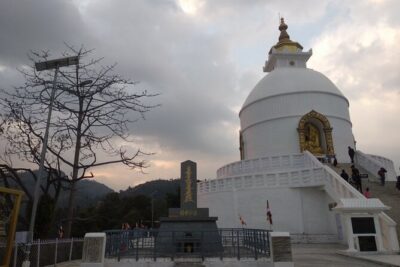
The route includes Peace Stupa, which one thing you should know: stop length can vary. In at least some cases, this particular stop can feel brief, so treat it like a quick, meaningful pause rather than a long, slow experience.
That’s not automatically a downside. A shorter stop can work if you’re more interested in ticking through highlights and keeping momentum. But if you love stupa grounds and want time for a longer stroll, arrive ready to make the most of whatever window you’re given.
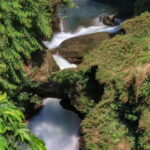
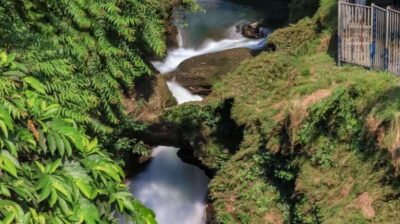
After that, the day turns into one of Pokhara’s signature “wow” moments with Devis Fall. This is the waterfall stop. It’s the kind of location where the spectacle does most of the storytelling for you—just watch the water movement, take a few photos from angles that feel safe, and enjoy the contrast from the calmer religious stop right before it.
If you’re sensitive to slippery surfaces or strong spray, wear shoes with decent grip. Falls areas often have unpredictable footing around viewpoints and walking paths.
Gupteshwor Mahadev Cave and Fewa Lake: the day’s spiritual-and-lake finish
Next is Gupteshwor Mahadev Cave, another cave stop that follows the same logic as Mahendra Cave: a change of texture and a chance to see Pokhara’s sacred geography in a more grounded, tactile setting.
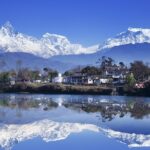
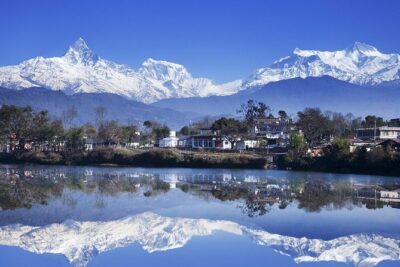
Then the day lands at Fewa Lake. A lake finish is a good ending for a bus day. By this point, you’ve already seen the valley’s key natural features and a couple of cave and temple stops. Fewa Lake is where you can ease your pace and let the day slow down a little.
Even if your plan doesn’t include a long boat add-on, you’ll usually benefit from just having lake time. Take a walk around the area if possible, grab a drink, and let the views reset your brain after caves and gorge sightseeing.
One more practical note: meals aren’t included on paper, but you can find food during the day. If you’re choosing where to eat, pick places with quick service so you don’t lose re-boarding time.
Group rhythm: how much “guided” time you should expect
This is a group tour, and that shapes the whole rhythm. The official promise is a live tour guide in English, plus a local assistant on the bus. But based on what people report in real operation, it can still feel like a bus day with guidance that varies by stop.
Here’s how to set expectations so the day feels good instead of frustrating:
- Use the guide for the big picture and logistics, not as a guarantee of constant commentary
- Assume you’ll do a portion of each stop on your own once the bus drops you
- Keep track of re-boarding times and meeting points like it’s your job
If you’re the kind of traveler who gets restless without explanations, bring your own curiosity. Quick research before you go helps you read each stop faster, even if narration is limited.
Who this tour is best for (and who should choose something else)
This bus day trip is a great fit if you:
- want to see multiple Pokhara highlights in one day without paying for private transport
- like mixing natural sites with a couple of cultural stops
- enjoy shared travel and the social “bus energy” of meeting other visitors
- want an English-friendly tour format with a guide and local support
It’s less ideal if you:
- want long time at each stop (this is a packed route)
- need a fully narrated experience throughout every location
- are dependent on step-free mobility (it’s not suitable for wheelchair users)
If you’re a solo traveler, this kind of structured circuit can also feel reassuring. The day has a built-in pace, a plan for where you’ll go next, and people around you to share logistics with.
The biggest trade-offs: what to watch for on a shared bus day
The positives are real: you get a lot of Pokhara in one go, and the day has a friendly, practical vibe. But you should also know the common friction points before you commit your expectations.
1) Pickup and timing can be inconsistent
Some people reported waiting around for pickup and having trouble locating the reservation at the agreed time. So if you book, plan to be in the Lakeside pickup area early, and keep your phone accessible for instructions.
2) Some stops can feel short or more self-guided
A report noted that the stop at the stupa area was too short and that the bus functioned more like drop-off and explore. If you care most about one or two sites, consider whether this route gives you enough time where you want it.
3) Guide commentary may not be constant
Even with an English-speaking guide included, the experience can still vary in how much narration you get on the ground. If you rely on commentary to enjoy religious or cave stops, don’t assume every site will be deeply explained.
These aren’t deal-breakers, but they’re worth planning around.
Should you book this Pokhara Sightseeing By Bus day trip?
I’d book it if your goal is a budget-friendly, all-in-one-day view of Pokhara Valley highlights—Peace Stupa, Devis Fall, the Seti River Gorge, caves, and Fewa Lake—without the hassle of organizing separate transport to each spot.
I’d hesitate if you’re the type who needs long time at your favorite site, or if timing logistics stress you out. In that case, you may prefer a more controlled private tour where the schedule is tailored and pickup is tighter.
If you do book, go in prepared:
- Bring cash for entrance/monument fees (around $10 USD per person)
- Eat flexibly since meals aren’t included
- Keep your phone handy for coordination
- Wear shoes that can handle cave and falls areas
- Treat the day as bus transport plus short site exploration, not a slow guided walkathon
This isn’t perfect, but it can be a smart value play—especially if you want Pokhara highlights fast and you’re comfortable exploring on your own for part of the day.
FAQ
What time does the Pokhara sightseeing bus tour start?
You meet your tour guide at 9:30 AM at your hotel, with the full-day sightseeing then running for about 7 hours.
How long is the tour?
The duration is listed as 7 hours.
Where do you get picked up?
Hotel pickup is included in the Lakeside area, and pickup is also described as available from the Lakeside area or the tourist bus park.
What sights are included in the itinerary?
The tour includes Pumdikot Mahadev View Point, Bindyabashini Temple, Mahendra Cave, Seti River Gorge, Peace Stupa, Devis Fall, Gupteshwor Mahadev Cave, and Fewa Lake.
Are meals included?
No. All meals are not included and are available for purchase.
Are entrance and monument fees included?
No. Monument fees and entrance fees are approximately $10 USD per person.
Is there an English guide?
Yes. The tour includes a live tour guide in English, along with a local assistant who accompanies the group.
Does the tour include skip-the-ticket-line access?
Yes, skip the ticket line is listed as included.
What should I bring?
Bring a passport or ID card, cash, and a daypack.
Is this tour suitable for wheelchair users?
No, it is not suitable for wheelchair users.
Done in a Day from Pokhara
Also Reviewed Around Pokhara

More City and Valley Sightseeing
Newer Pokhara reviews to browse before you decide
Pokhara City & Valley Sightseeing, compared.
 ★ 4.1Full-Day Sharing Bus Tour on 7 Iconic DestinationFrom $12179 reviews
 ★ 4.8Full-Day Private Tour on 7 Iconic DestinationFrom $53108 reviews
 ★ 4.8Sarangkot Sunrise with Half or Full-Day City TourFrom $8100 reviews
 ★ 5.0The Best of Pokhara: Full-Day Private Tour with Sarangkot SunriseFrom $6866 reviews
 ★ 5.0Guided Tour to explore the entire Pokhara CityFrom $7051 reviews
 ★ 4.1City Sightseeing Group Bus TourFrom $837 reviews
 ★ 5.0Pokhara Valley Mountain Bike Adventure Private TourFrom $18530 reviews
 ★ 5.0Best of Pokhara Must Visit 5 Himalayas viewpointsFrom $7520 reviews
Browse the lists this tour appears in