
Reviewed · POKHARA CITY & VALLEY SIGHTSEEING
Pokhara: Group Joining Full Day Highlights Tour With Sunrise
Morning in Pokhara starts on a cliff. This full-day highlights tour strings together the big sights of the lakeside city with comfortable A/C transport and a Sarangkot sunrise that sets the tone for everything after. I especially like the way the route mixes mountain views with temples, caves, and water so the day never feels one-note. One real consideration: if clouds roll in, sunrise can be disappointing, and the early start means you’re on the clock the whole morning.
Another thing I like is the human scale. The tour is guided by English- and Hindi-speaking locals, and you’re not just dropped at photo stops; you get short walks, guided context, and planned breaks. The tour also includes a boat cruise on Phewa Lake with a temple visit, so you get a genuine change of pace from the roadside sightseeing. The one drawback to watch: entry fees, the Phewa Lake boat fee, and your breakfast/lunch are self-pay, so your final spending depends on what you choose to pay on the day.
In This Review
- Key highlights at a glance
- Sarangkot Sunrise: the cliff-top payoff
- Bindhyabasini Temple: religion, views, and local meaning
- Davis Falls (Patale Chhango): waterfall sight plus the story nearby
- Gupteshwor Mahadev Cave: sacred Shiva symbolism in a cool setting
- Statues and Shiva hills: the stop that turns photos into meaning
- Phewa Lake and Tal Barahi Temple: a boat ride you’ll remember
- International Mountain Museum: mountaineering history in one stop
- Tibetan Refugee Camp: crafts and culture beyond Pokhara’s main loop
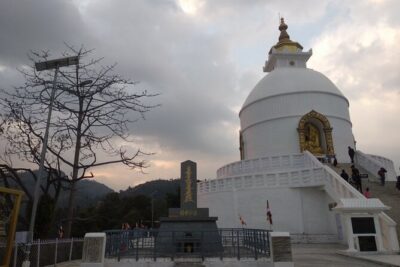
- World Peace Pagoda (World Peace Stupa): hilltop views and optional hike
- How the day moves: transport, breaks, and keeping the pace fair
- Price and value: what you’re really paying for
- The guide and driver can make or break the day
- Who should book this sunrise highlights tour
- Should you book? My practical take
- FAQ
- What is the duration of the Pokhara group joining sunrise highlights tour?
- Where do pickup and drop-off happen?
- Is breakfast included in the price?
- Is lunch included?
- Are entry fees included for the attractions?
- Is the boat ride on Phewa Lake included?
- What sites are included in the day?
- Does the tour include a hike to the Peace Pagoda?
- What languages does the guide speak?
- What is the cancellation policy?
Key highlights at a glance
- Sarangkot sunrise viewing for panoramic Annapurna and Dhaulagiri mountain views
- Bindhyabasini Temple and other sacred stops with cultural and spiritual context
- Davis Falls and Gupteshwor Mahadev Cave for waterfall energy plus Shiva symbolism
- Phewa Lake boat cruise to Tal Barahi Temple for a classic lakeside moment
- World Peace Pagoda (Peace Stupa) with a hilltop viewpoint and an optional short hike
- International Mountain Museum and Tibetan Refugee Camp for history beyond the postcard
More ways to see the city and Pokhara Valley in a day.
- Pokhara: Full-Day Private Tour on 7 Iconic Destination★ 4.8 · 108 reviews
- Pokhara: Sarangkot Sunrise with Half or Full-Day City Tour★ 4.8 · 100 reviews
- The Best of Pokhara: Full-Day Private Tour with Sarangkot Sunrise★ 5.0 · 66 reviews
- Guided Tour to explore the entire Pokhara City★ 5.0 · 51 reviews
Sarangkot Sunrise: the cliff-top payoff
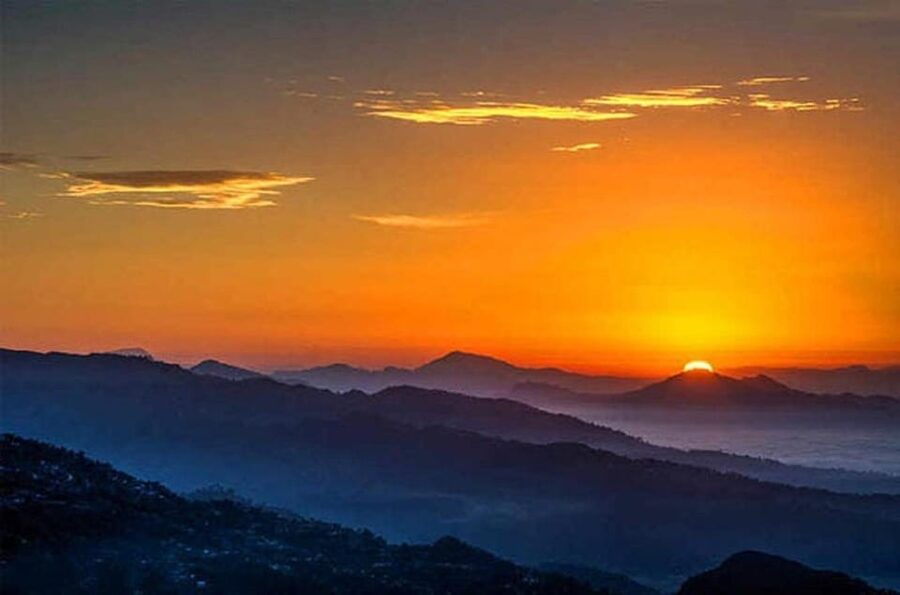
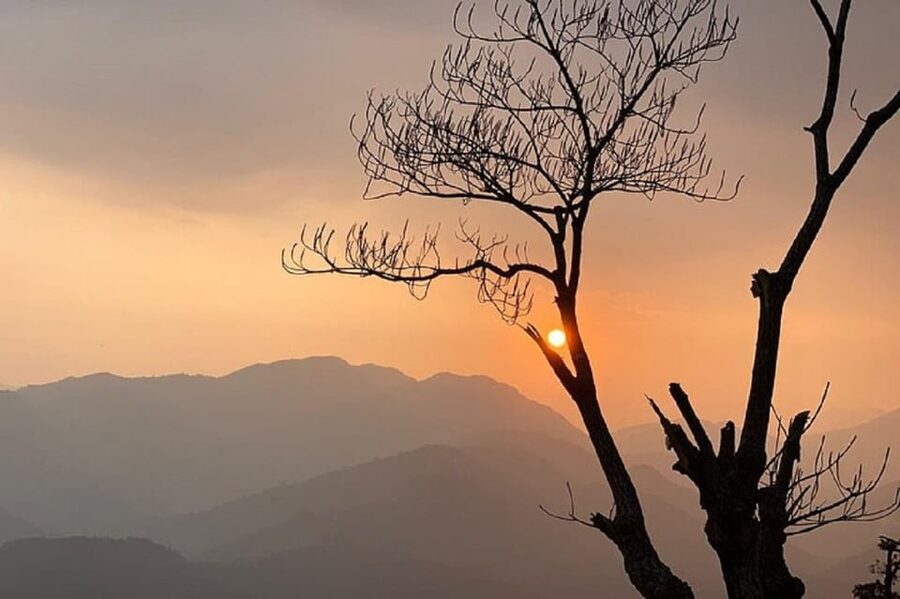
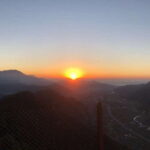
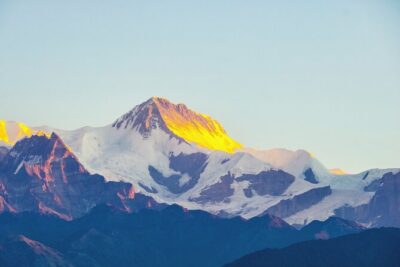
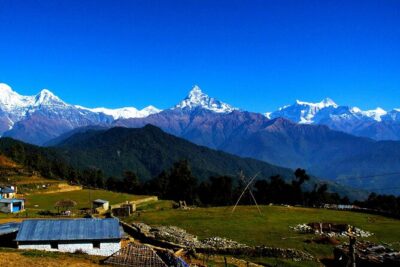
The day starts at Sarangkot, a hill station built for sunrise drama. You’ll be driven up early and given time for photo stops and viewing. The promise here is clear: mountain-range panoramas, with Annapurna and Dhaulagiri in view when the sky cooperates. Even if you’ve seen photos before, there’s something about seeing the light land on the peaks that makes Pokhara feel real, not just scenic.
Timing matters. This is a tour where the schedule is built around the earliest hour, so you’ll want to be ready for an early pickup and a calm, patient morning pace. Also, Sarangkot sits up above the city—so conditions can change quickly. If it’s cloudy at dawn, you may still see a nice horizon glow, but you might not get the full “clear peak reveal.”
Bindhyabasini Temple: religion, views, and local meaning
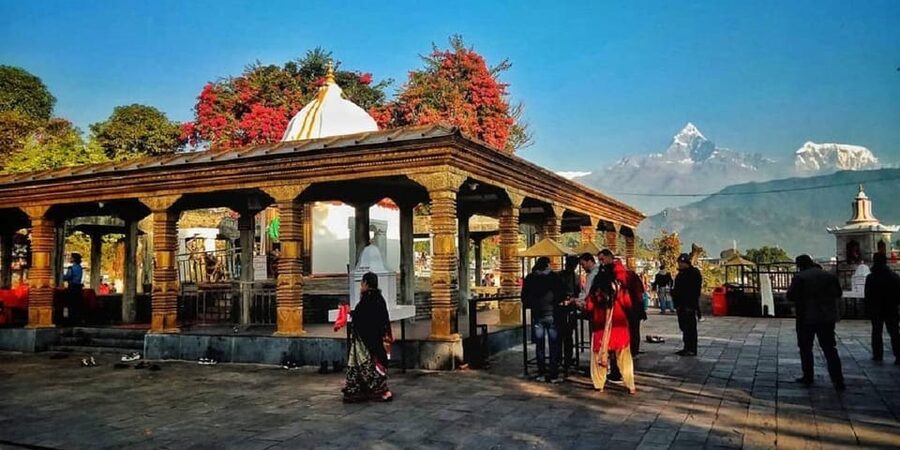
After sunrise, the route moves into culture right away with Bindhyabasini Temple. This is dedicated to the goddess Bhagwati, and the stop works on two levels. First, you get a straightforward temple visit and guided explanations that help you understand what people are actually doing there. Second, it’s a scenic pause—because Pokhara’s hills and viewpoints are never far away.
What I like about this kind of stop is that it doesn’t ask you to be an expert. A good guide helps you connect small details (offerings, prayers, temple layout) to the bigger picture of how faith lives in daily life. If you’re the kind of traveler who enjoys slow, observant time in places of worship, this stop fits your style.
Davis Falls (Patale Chhango): waterfall sight plus the story nearby
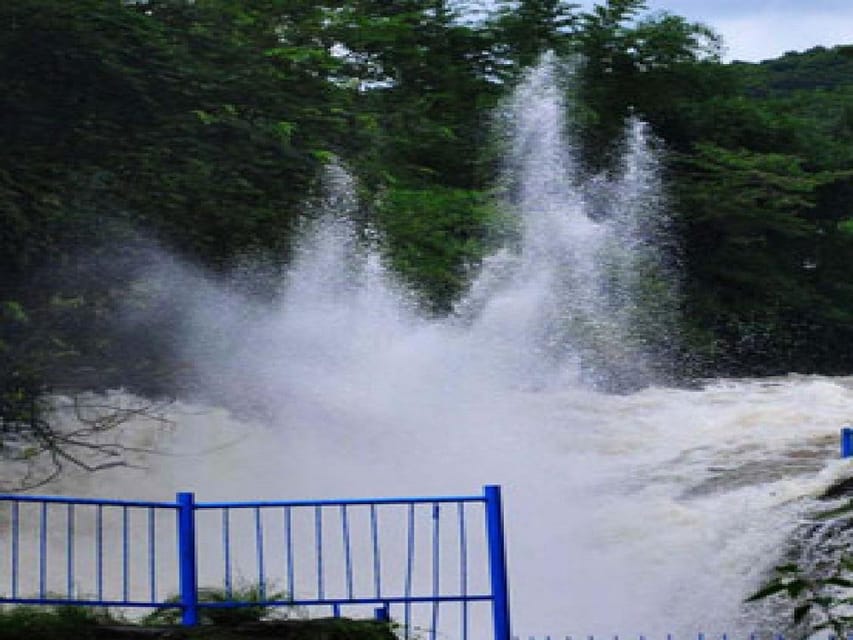
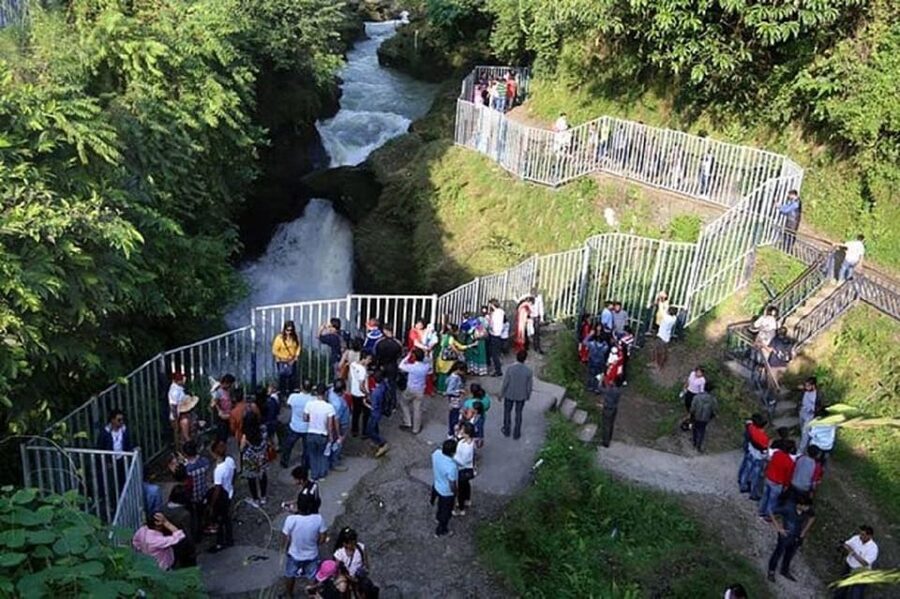
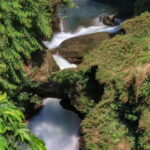
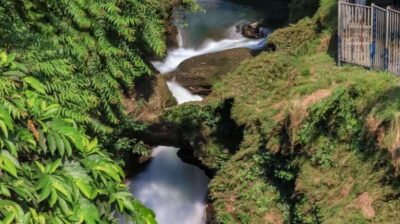
Next is Davis Falls, also known locally as Patale Chhango. This is a major Pokhara attraction for a reason: water is loud, powerful, and photogenic, even when you’re just standing and watching for a few minutes. You’ll also be in the same area as the Gupteshwor cave complex, so the day’s theme of water + myth starts stacking up.
A practical note: waterfalls mean slippery footing and lots of people at peak times. The tour keeps the walking manageable, but you still want to move carefully and give yourself time to look around. If you enjoy dramatic natural features without doing a hike, this is one of the easier “big wow” stops on the schedule.
Gupteshwor Mahadev Cave: sacred Shiva symbolism in a cool setting
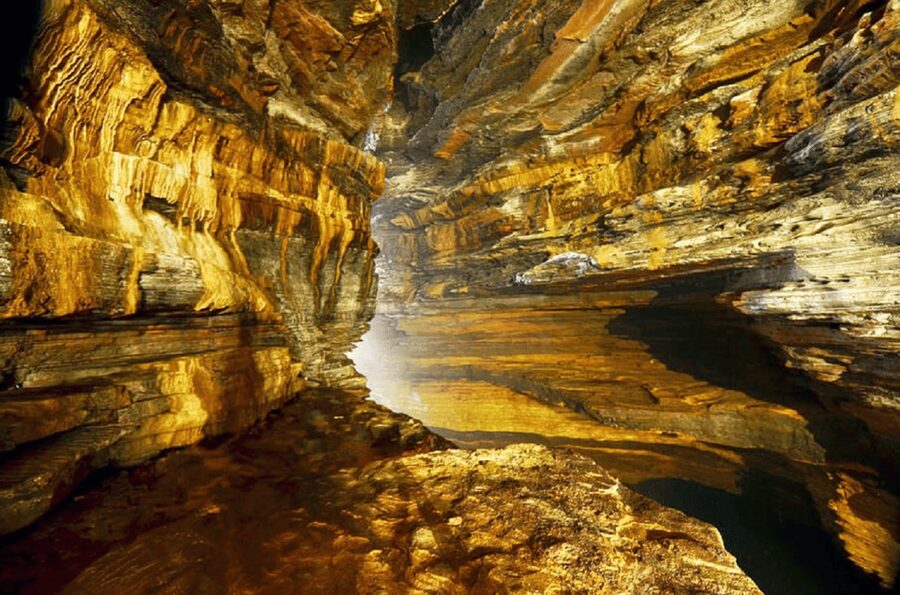
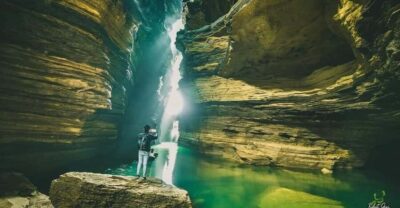
From the falls, the tour heads into Gupteshwor Mahadev Cave. The big idea here is that you’re not just visiting a cave formation—you’re entering a sacred space connected with Shiva. The cave houses a Shiva lingam, which gives the visit a spiritual weight that’s different from typical caves you might see elsewhere.
This stop also helps pace the day. After outdoor water viewing, you get a quieter, more contemplative experience where you can slow down and pay attention. You’ll have time for a walk and sightseeing, and the guide can explain the significance so you’re not just reading signs.
A few more Pokhara trips worth comparing.
Statues and Shiva hills: the stop that turns photos into meaning
After the caves, the itinerary includes a major Shiva statue stop and later the Pumdikot Mahadev Temple. The way these fit together is clever: the day’s spiritual thread becomes visual. Instead of only hearing about religion, you see it in large religious artwork and in the hilltop temple setting.
Pumdikot Mahadev Temple is positioned for panoramic views, and the large statue of Lord Shiva adds a strong focal point. If you like your “temple stops” to include both explanation and big scenery, this portion hits that combo. It’s also a chance to take a breath between the more active sightseeing moments.
Phewa Lake and Tal Barahi Temple: a boat ride you’ll remember
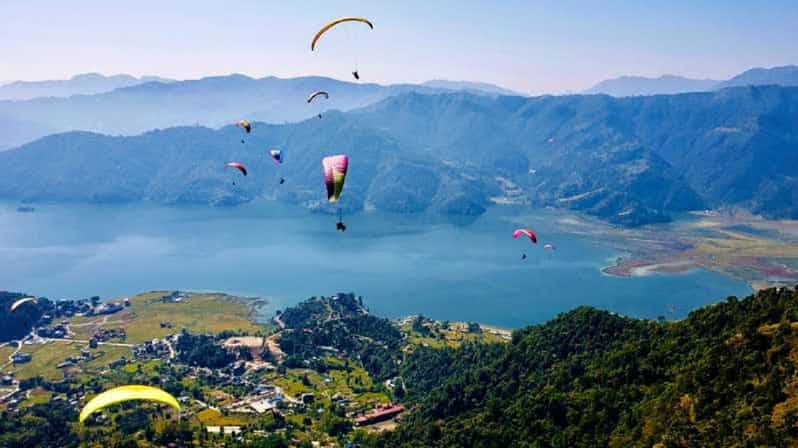
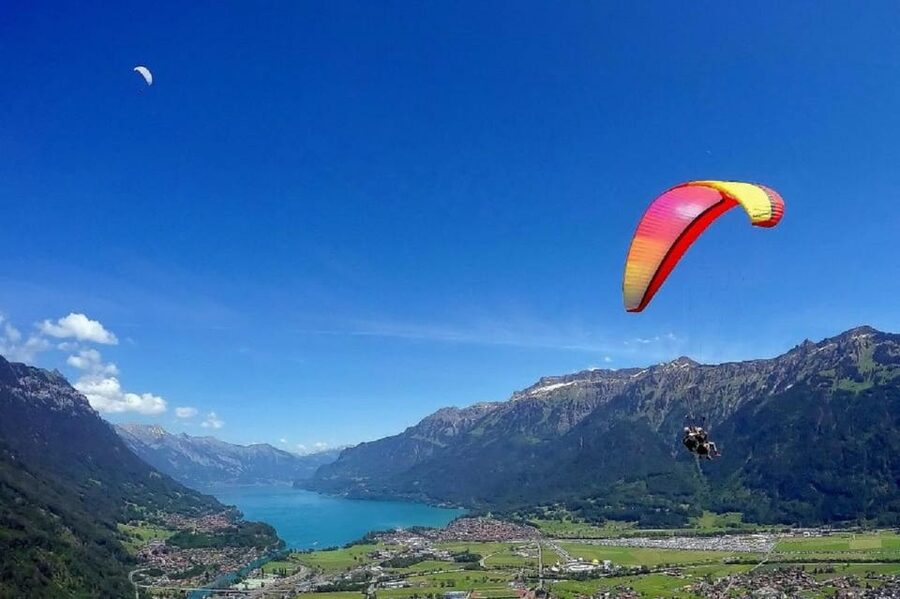
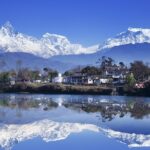
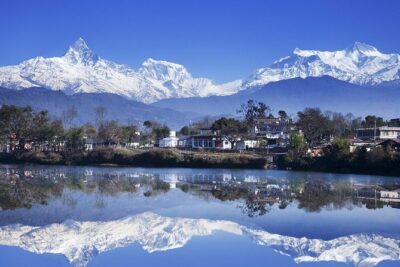
The route then shifts into lakeside mode at Phewa Lake. Here you’ll take a boat cruise (with the time budgeted at about an hour), and you’ll visit Tal Barahi Temple, which sits on an island in the lake. This is one of those Pokhara moments that feels like the city’s identity—water, temples, and mountains all at once.
Why this stop is valuable: it breaks the day’s pattern. You move from land walking and road travel to something slower and calmer. It also gives you a different perspective of the shoreline—something you don’t get from the viewpoints earlier in the day.
One important cost note: the boat ride fee on Phewa Lake isn’t included, so you’ll want to plan extra cash or payment method for that. Entry fees at attractions are also not included, so your total spend can rise quickly if you pick add-on items or if multiple sites require payment.
International Mountain Museum: mountaineering history in one stop
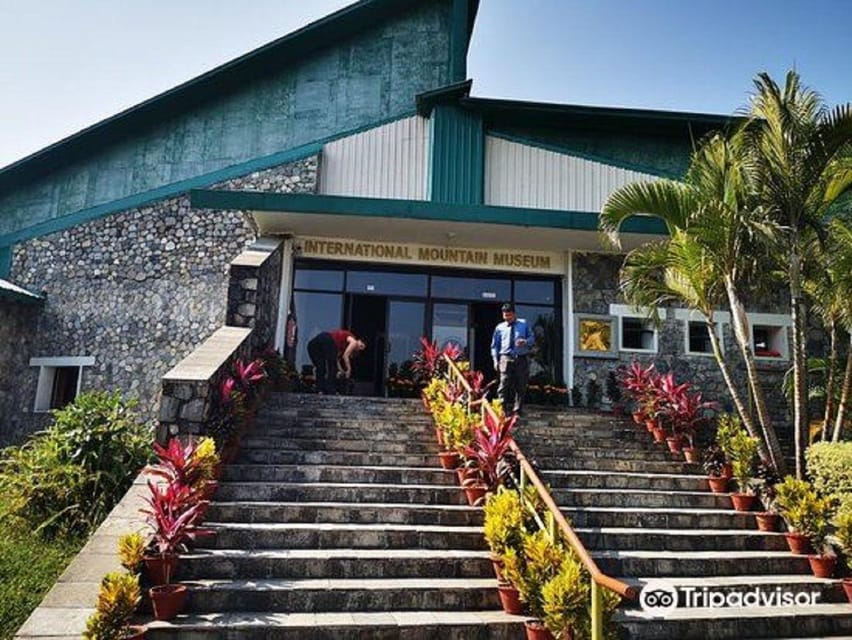
After lunch time on the Lakeside area (lunch is self-pay), you’ll visit the International Mountain Museum. This is a good “brain break” in the middle of a very sight-heavy day. The museum focuses on Nepal’s mountains and the mountaineers who climbed them, which helps put Pokhara’s mountain obsession into a broader context.
I like this stop for practical reasons. If you’ve been seeing Annapurna in sunrise views all morning, the museum explains why people come here and how the climbing story shaped the region. It’s also the kind of stop that can work even if you’re tired; a museum visit lets you reset your energy.
Tibetan Refugee Camp: crafts and culture beyond Pokhara’s main loop
Next up is the Tibetan Refugee Camp in Pokhara, where you’ll learn about Tibetan culture and see traditional handicrafts. This stop adds variety to the day because it’s not just Nepali religion and waterfalls—it’s a different community story tied to the broader region.
The visit is also usually short enough to keep the pace fair. Expect a guided experience with photo stops and a clear sense of what the camp represents. If you like cultural context you can take home as more than a photo, this is a meaningful add-on to the highlights tour.
World Peace Pagoda (World Peace Stupa): hilltop views and optional hike
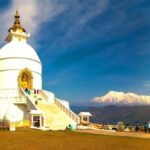
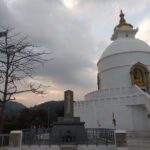
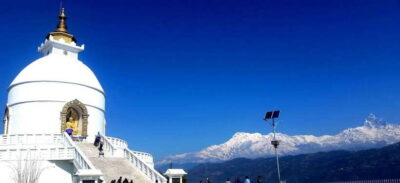
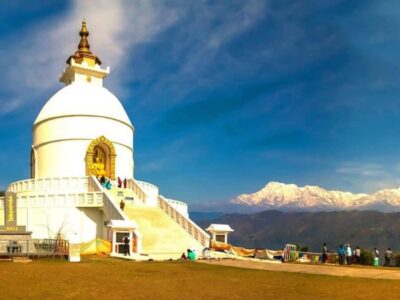
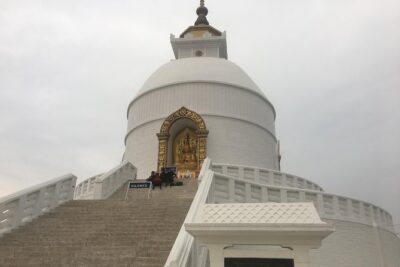
One of the most scenic parts of the tour is the World Peace Pagoda, also called the Peace Stupa. You’ll drive or hike up depending on conditions and planning, and you’ll get viewpoint time over Pokhara and the lake.
There’s also an option mentioned by the tour: a short hike from Phewa Lake to the pagoda if all customers agree. That means you should be ready for either a straightforward climb time or an extra walking segment. If you prefer not to add more steps, you can hope the group sticks to the easier approach.
This stop is another “theme moment.” Earlier you saw temples and Shiva symbolism; here you see a different spiritual message in a visible, public setting. The viewpoint payoff can be excellent, especially if the sky clears after sunrise.
How the day moves: transport, breaks, and keeping the pace fair
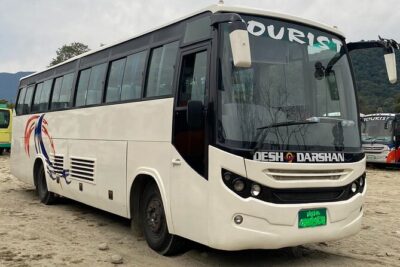
The tour runs about 6–10 hours, and that range matters. It’s a full loop of major Pokhara sites, so even without excessive walking, you’re going to spend a lot of time moving between points. The good news is the tour includes an air-conditioned vehicle, plus scheduled comfort breaks so you’re not stuck waiting endlessly.
Pickup and drop-off options are both Lakeside Rd 6 / Lakeside Road, so you’re not commuting from the far edges of town. The tour also includes a breakfast break and lunch break, but both meals are self-pay, typically at local places around the Lakeside area.
Another practical note: guided coverage is part of the value. The tour includes a local guide (English and Hindi) who provides historical and cultural context at each location, and the visit style includes photo stops, short walks, and sightseeing time built into each segment.
Price and value: what you’re really paying for
At $43 per person for a 6–10 hour highlights circuit, the price is mainly buying you:
- A guided route linking multiple major sites in one day
- A/C vehicle with hotel pickup and drop-off
- Structured stops that include sunrise viewing
- Comfort breaks and a guide throughout
What you’re not getting (and what you should budget for) are the add-on costs:
- Entry fees at attractions are extra
- Breakfast and lunch are self-pay
- The Phewa Lake boat ride fee is not included
This is where “value” becomes personal. If you’d otherwise hire a driver for the day, pay for individual guides, and string these stops together yourself, this tour can feel like a bargain. If you already planned to visit just one or two sites, the cost-to-sight ratio might feel less attractive because you’ll still be paying for the whole day schedule.
The guide and driver can make or break the day
The tour depends heavily on the guide’s ability to explain what you’re seeing and the driver’s ability to keep everyone comfortable and on time. The team behind this experience includes guides such as Moti Thapa and Kiran, and drivers like Rajkumar are described as safe and smooth.
Even when the itinerary is full, a strong guide helps you feel less rushed. In particular, sunrise viewing needs calm and timing, and a patient approach matters when you’re standing in the dark or managing small group logistics. On a day where visibility is limited, a guide’s ability to manage expectations and still make the day worthwhile becomes extra important.
Who should book this sunrise highlights tour
This is a great fit if you:
- Want a first full day in Pokhara that hits the key sights fast
- Like a mix of mountain views, temples, caves, and lake time
- Prefer having a local guide handle the “what am I looking at?” parts
- Don’t mind self-pay meals and entry fees as part of sightseeing days
You might think twice if you:
- Are extremely sensitive to sunrise outcomes (clouds happen)
- Prefer a slower, less scheduled day with fewer stops
- Don’t like group pacing or don’t enjoy compromise when options depend on group agreement (like the Peace Pagoda hike choice)
Should you book? My practical take
I’d book this tour if your priority is seeing a lot of Pokhara in one day with real guiding and comfortable transport. The combination of Sarangkot sunrise, waterfall-and-cave sightseeing, and Phewa Lake boat time is a strong “highlights” formula, and the museum plus Tibetan camp add depth beyond the usual temple photos.
If you’re on the fence, decide based on one thing: how much you value sunrise. If sunrise is a must, you’re still exposed to weather. If you can accept that possibility and focus on the full circuit, this tour is a solid way to get your bearings quickly and enjoy Pokhara’s major spiritual and natural sights without planning every hop yourself.
FAQ
What is the duration of the Pokhara group joining sunrise highlights tour?
The tour lasts about 6 to 10 hours, depending on the day and the starting time for sunrise viewing.
Where do pickup and drop-off happen?
Pickup and drop-off are listed for two options: Lakeside Rd 6 and Lakeside Road.
Is breakfast included in the price?
Breakfast is included as a scheduled break, but the breakfast itself is self-pay.
Is lunch included?
Lunch is not included in the price. A lunch break is scheduled in the Lakeside area and lunch is self-pay.
Are entry fees included for the attractions?
No. Entry fees at attractions are not included and must be paid separately.
Is the boat ride on Phewa Lake included?
No. The Phewa Lake boat ride fee is not included.
What sites are included in the day?
The route includes Sarangkot sunrise viewing, Bindhyabasini Temple, Davis Falls, Gupteshwor Mahadev Cave, a Shiva statue/temple hill stop, the World Peace Pagoda, the Tibetan Refugee Camp, the International Mountain Museum, and a visit by boat on Phewa Lake to Tal Barahi Temple.
Does the tour include a hike to the Peace Pagoda?
There is an option for a short hike from Phewa Lake to the Peace Pagoda, but it only happens if all customers agree.
What languages does the guide speak?
The tour guide provides live guidance in English and Hindi.
What is the cancellation policy?
You can cancel up to 24 hours in advance for a full refund.
Early Starts Worth the Alarm
Also Reviewed Around Pokhara

More City and Valley Sightseeing
Newer Pokhara reviews to browse before you decide
Pokhara City & Valley Sightseeing, compared.
 ★ 4.1Full-Day Sharing Bus Tour on 7 Iconic DestinationFrom $12179 reviews
 ★ 4.8Full-Day Private Tour on 7 Iconic DestinationFrom $53108 reviews
 ★ 4.8Sarangkot Sunrise with Half or Full-Day City TourFrom $8100 reviews
 ★ 5.0The Best of Pokhara: Full-Day Private Tour with Sarangkot SunriseFrom $6866 reviews
 ★ 5.0Guided Tour to explore the entire Pokhara CityFrom $7051 reviews
 ★ 4.1City Sightseeing Group Bus TourFrom $837 reviews
 ★ 5.0Pokhara Valley Mountain Bike Adventure Private TourFrom $18530 reviews
 ★ 5.0Best of Pokhara Must Visit 5 Himalayas viewpointsFrom $7520 reviews
Browse the lists this tour appears in