
Reviewed · POKHARA CITY & VALLEY SIGHTSEEING
Entire Day Pokhara Complete Tour
Sarangkot sunrise in Pokhara is its own kind of magic. This Pokhara Complete Tour strings together the city’s best sights with a licensed guide and comfortable air-conditioned transport, so you can go from viewpoint to viewpoint without the hassle. I especially like the focus on big Himalayan views early in the morning and the stop at the International Mountain Museum, where the stories of the mountains make the whole region click.
My one heads-up: if the weather turns cloudy, the sunrise at Sarangkot can be disappointing. The rest of the day still works because you’ll keep moving through major landmarks and cultural stops, but the dramatic first-hour payoff depends on the sky.
In This Review
- Key highlights worth getting excited about
- Riding Pokhara in a private car with a licensed guide
- Starting at Sarangkot: sunrise views over Annapurna and Pokhara
- Phewa Tal and Barahi Temple: a lakeside stop with meaning
- Devi’s Fall and the underground cave system
- Gupteswar Gupha: caves, Shiva temple, and a waterfall you can see from inside
- The International Mountain Museum: why it’s the day’s top pick
- Gorkha Museum: bravery stories behind a famous name
- Seti River Gorge and Seti Gandaki: how the river shaped Pokhara
- Peace Stupa at sunset: Buddha, views, and the Pokhara Valley panorama
- Bindhyabasini and the Tibetan Refugee Camp: religion and community in Pokhara
- Price and value: is $114.53 a good deal for this much Pokhara?
- What to bring and how to get the most out of a tight schedule
- Should you book the entire day Pokhara complete tour?
- FAQ
- How long is the Entire Day Pokhara Complete Tour?
- What’s included in the price?
- Is pickup available?
- Is food and drinks included?
- Is this tour private?
- Which major sights does the tour include?
- What if sunrise at Sarangkot isn’t clear?
- What’s the cancellation policy?
Key highlights worth getting excited about
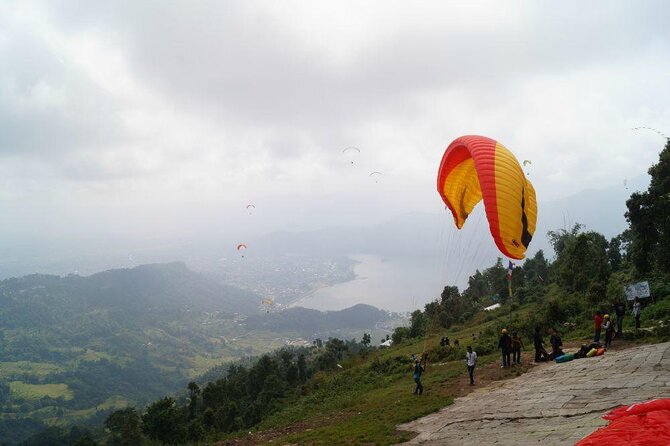
- Sarangkot at sunrise for panoramic views over Pokhara and the Annapurna range
- International Mountain Museum for a grounded, human-scale look at the Himalayas
- Caves and rock formations at Devi’s Fall area and Gupteswar Gupha
- Seti River viewpoints to understand how the river cut through Pokhara
- Sunset at the Peace Stupa access road with views over Pokhara Valley and Phewa Lake
- Tibetan Refugee Camp for a real look at displaced community culture in Pokhara
More ways to see the city and Pokhara Valley in a day.
- Pokhara: Full-Day Private Tour on 7 Iconic Destination★ 4.8 · 108 reviews
- Pokhara: Sarangkot Sunrise with Half or Full-Day City Tour★ 4.8 · 100 reviews
- The Best of Pokhara: Full-Day Private Tour with Sarangkot Sunrise★ 5.0 · 66 reviews
- Guided Tour to explore the entire Pokhara City★ 5.0 · 51 reviews
Riding Pokhara in a private car with a licensed guide
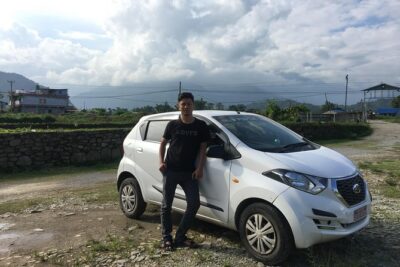
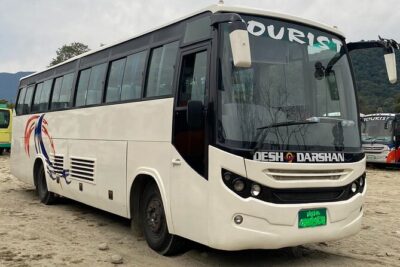
This tour is built for people who want a lot of Pokhara in one go, without bouncing around on your own for hours. You’ll travel by air-conditioned vehicle and have the structure of a timed route through key areas. That matters in Pokhara, because distances add up fast and you don’t want your day consumed by transit gaps.
The other major reason it works is the guide. You’re not just ticking off names on a map—you’re getting history and cultural context as you go. And if your guide happens to be Gobinda, I can see why people warm up quickly: the approach is careful and attentive, with regular checks that the day is going smoothly.
This is also set up as a private tour for your group, which usually means you can keep a steadier pace and ask questions without feeling like you’re competing with the schedule of strangers.
Starting at Sarangkot: sunrise views over Annapurna and Pokhara
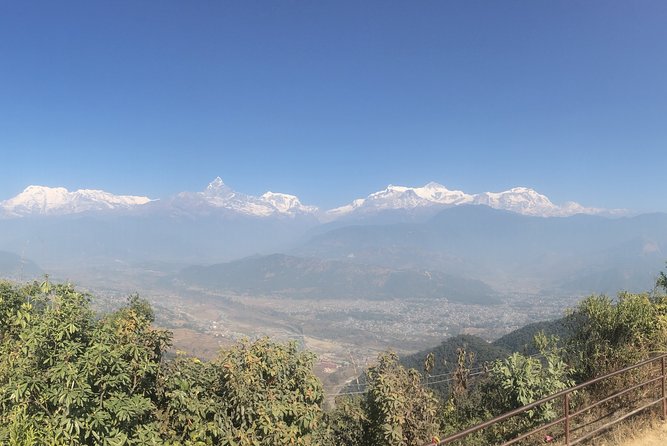
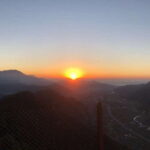
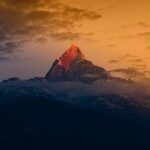
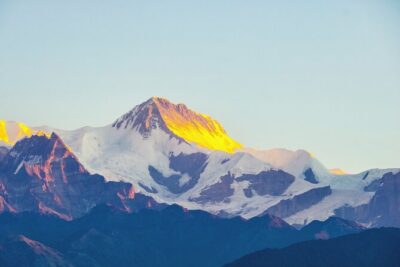
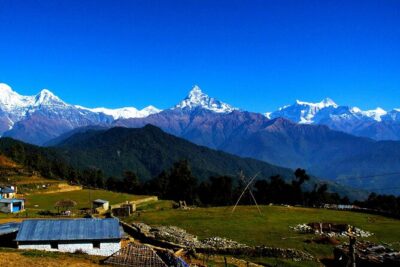
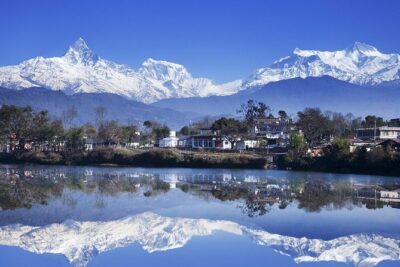
Sarangkot is the morning move because it’s made for looking across Pokhara toward the Annapurna Himalayan range. The whole point of the first stop is timing: you’re heading out early so you can catch the best chance at sunrise and the widest panorama over the city.
Here’s what I’d plan for: you’ll likely spend about an hour there, so it’s not a casual “wander and see” time. You want to be ready to find your spot as soon as you arrive. If conditions are clear, you get that tall, open feeling—hills, city, and the mountains in one frame. If it’s cloudy, you may not get the dramatic sunrise light the way you hoped. The tour still continues, but your early investment is weather-dependent.
Practical tip: wear layers. Mornings can feel sharper than you expect at viewpoint height, even when you’re used to warmer daytime weather.
Phewa Tal and Barahi Temple: a lakeside stop with meaning
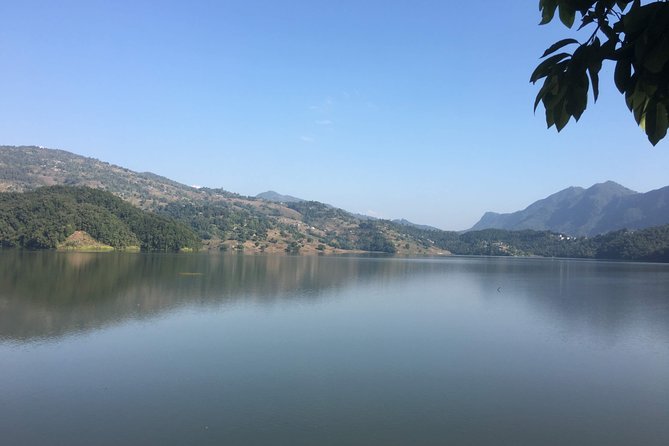
Next you shift from mountain drama to water and worship at Phewa Tal. You’ll visit the Barahi temple and explore around the lake’s outskirts for about 30 minutes.
This is a good contrast stop. Sarangkot gives you scale; Phewa Tal gives you rhythm. The temple visit also grounds the day in local religious life, and it’s one of those places where you can sense why Pokhara has long been a magnet for travelers, artists, and pilgrims.
Time is short here—about half an hour—so don’t expect a long, slow lakeside hang. Instead, think of it as a quick orientation into how the lake fits into daily culture.
Devi’s Fall and the underground cave system
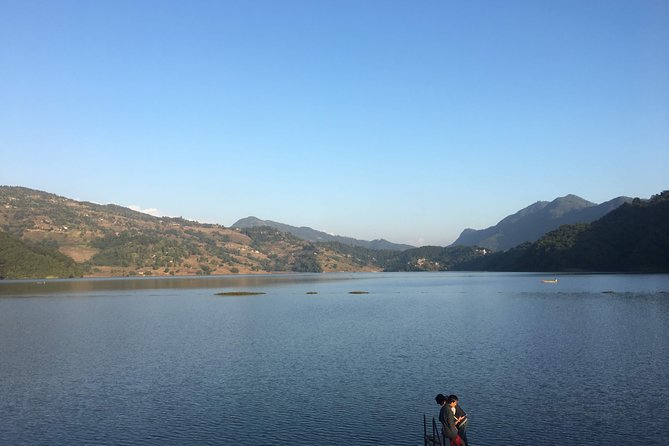
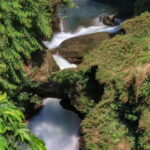
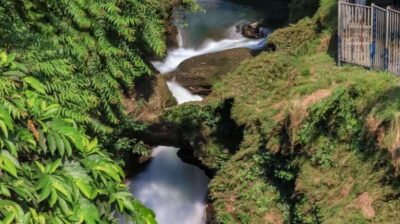
After the lake, you head to Devi’s Fall, where the water is famous for disappearing into the underground cave network beneath the city. You’ll have roughly 25 minutes at this stop.
What makes Devi’s Fall compelling is how it blends nature and mystery. Even without technical explanations, you can feel the idea: water moving through a hidden system, shaping the story of the place below the surface.
Short note on pacing: this is not the time for lingering for a photo every 10 seconds. You’ll want to look, read the context from your guide, and then move on so you keep the energy for the rest of the day’s caves and viewpoints.
A few more Pokhara trips worth comparing.
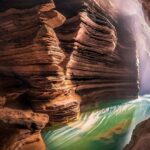
Gupteswar Gupha: caves, Shiva temple, and a waterfall you can see from inside
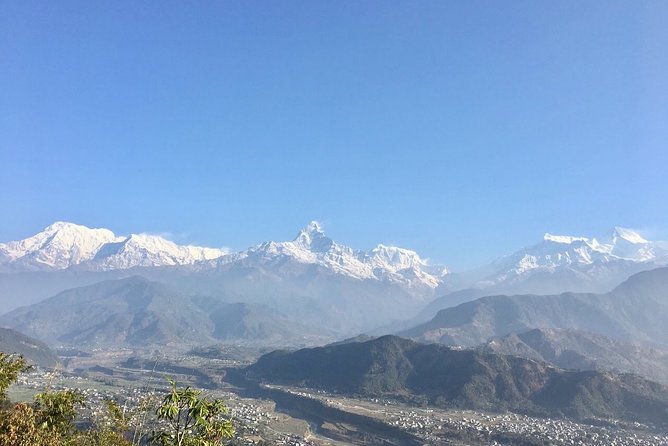
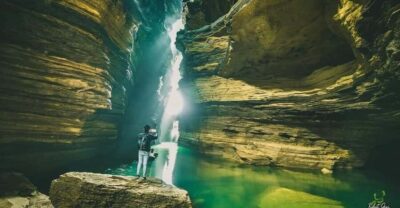
If Devi’s Fall is the “water vanishes” moment, Gupteswar Gupha is the “water reveals itself” moment. You’ll explore caves and an ancient Shiva temple, known for naturally forming rock stalagmites. During the fall season, it’s also possible to go deeper and even see the waterfall from inside the cave where it flows deeper into the river.
You’ll have about 30 minutes here. That’s usually enough to understand the layout and appreciate the stone formations without rushing. The drawback is simple: cave conditions can make footing and movement feel slower than you expect, and you’ll want to stay aware.
If you’re the kind of person who likes “how things formed,” Gupteswar is a great match. It turns the geology into something you can stand in, not just something you read about later.
The International Mountain Museum: why it’s the day’s top pick
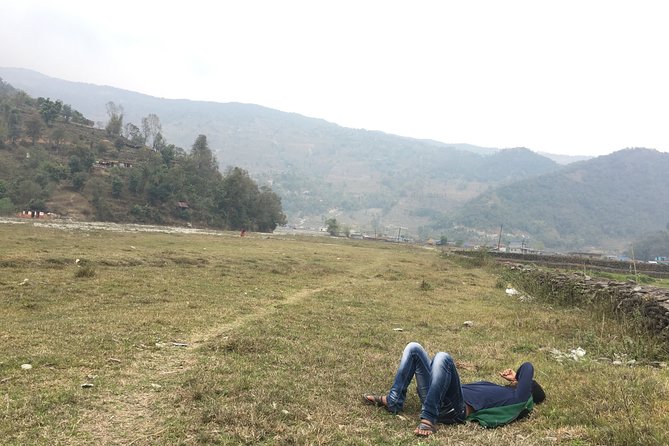
This is the stop that stood out in a big way: the International Mountain Museum. You’ll spend around 30 minutes learning about the Himalayas—its history, the people connected to it, and how it inspires millions.
I like this museum because it doesn’t only treat the mountains like scenery. It frames them as culture, craft, hardship, and fascination. After you’ve watched sunrise over Annapurna and seen how water and caves shape the city, the museum helps stitch it all together with a human lens.
If you’re choosing one stop to prioritize on a schedule like this, make it the museum. Even for people who don’t usually love museums, the topic is so relevant to Pokhara that it feels like a smart use of time.
Gorkha Museum: bravery stories behind a famous name
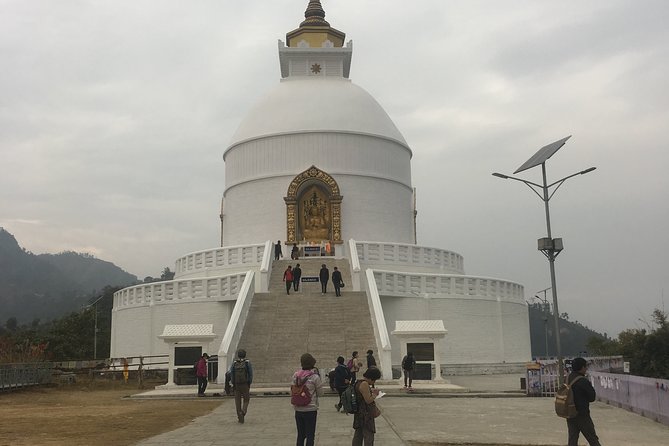
Next up is the Gorkha Museum, with about 20 minutes allocated. The focus is on the Gorkhas—their bravery and their reputation around the world.
This is a quick, focused stop. I’d treat it as context. Even if you don’t know much about Nepal’s martial history going in, you’ll walk away with a clearer sense of why the name Gorkha carries weight.
If you’re short on interest in military history, this can feel like the most “time-efficient” stop rather than the most emotionally memorable one—but for many visitors, it’s still a worthwhile piece of the country’s identity.
Seti River Gorge and Seti Gandaki: how the river shaped Pokhara
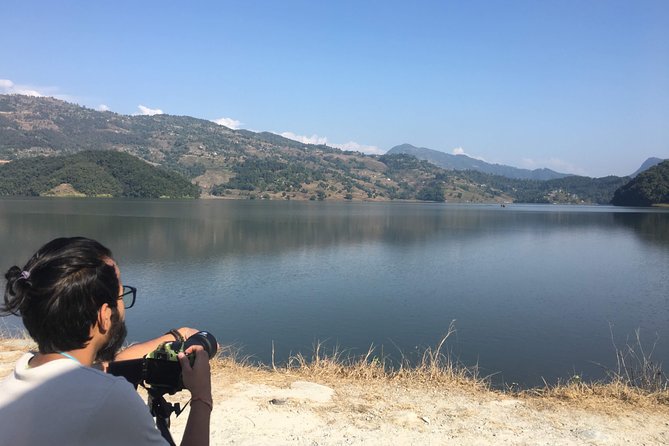
Then you get into the rivers—the Seti River Gorge with about 15 minutes, followed by Seti Gandaki with around 20 minutes at a high vantage point on a hanging bridge.
The Gorge stop gives you the big idea: a view into how the Seti River flows through the gorges and helped form Pokhara’s terrain. Short time, big concept. You’ll leave with a better sense of why Pokhara looks the way it does.
The Seti Gandaki bridge stop is more about perspective. You’ll be looking from a higher point over the river, using the bridge vantage. The information says these bridges are among the common styles found throughout Nepal, which makes the bridge stop feel more than just a photo moment—it’s a “see the shape of local infrastructure” moment.
Practical thought: hanging bridges can feel intense if you’re not comfortable with heights. Take it slowly, keep a stable stance, and don’t rush your photos.
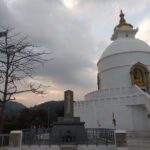
Peace Stupa at sunset: Buddha, views, and the Pokhara Valley panorama
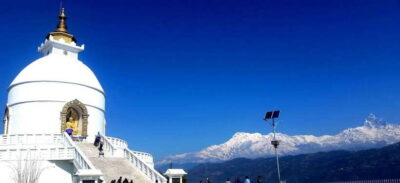
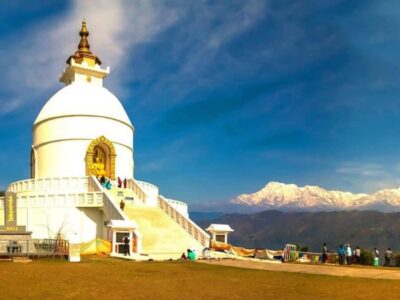
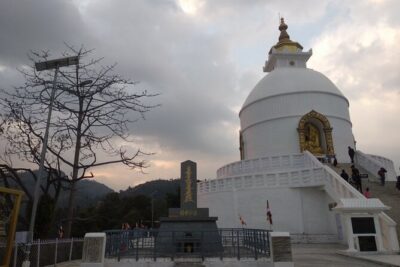
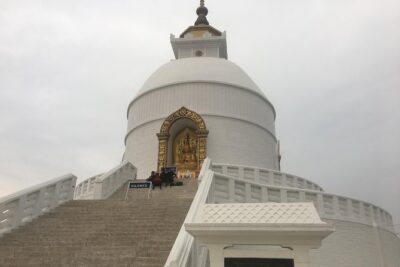
As the day winds down, you head to the World Peace Stupa access road area for views of the Pokhara Valley and Phewa Lake. You’ll have about 45 minutes here, and this is where you catch sunset from a temple dedicated to Buddha.
This stop is one of the easiest wins on the route. The time is longer than most stops, which gives you breathing room if you want photos, time to sit, or time to watch the color shift in the sky.
If you’ve already experienced Sarangkot sunrise, this offers a second “big sky” moment—just later in the day. Even on less-perfect weather days, the act of watching the light change can still feel rewarding.
Bindhyabasini and the Tibetan Refugee Camp: religion and community in Pokhara
Two more cultural stops round out the tour.
First is Bindhyabasini, a hilltop temple dedicated to the sacred feminine in Hindu culture. You’ll spend around 20 minutes and see customs and sacred rituals tied to that tradition.
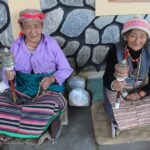
Then comes the Tibetan Refugee Camp, around 30 minutes, where you can experience the unique culture of Tibetan people exiled from their country who created a life in Pokhara.
I like pairing these two. The temple stop shows you local Hindu devotional life and regional religious practice. The camp stop shows you how communities adapt and preserve identity when history forces displacement. Together, they make Pokhara feel less like a scenic town and more like a place where real cultures live side-by-side.
Price and value: is $114.53 a good deal for this much Pokhara?
At $114.53 per person for about 6 to 7 hours, the value mostly depends on what you compare it to.
You’re paying for:
- Private, guided touring by an air-conditioned vehicle
- All fees and taxes (and admission tickets included for several stops)
- A route that covers major “Pokhara highlights” plus museums and cultural stops
You’re not paying for your food and drinks—that’s on you. But when you look at the mix of viewpoints, caves, museums, and multiple entrance-supported stops, the price starts to feel reasonable, especially if you’d otherwise spend money on separate transport and individual tickets.
Also, “booked 38 days in advance on average” suggests many people plan this intentionally. That’s usually a sign the timing works well for visitors who want an organized day without gambling too much on getting everything lined up last-minute.
What to bring and how to get the most out of a tight schedule
Because this day is structured, your best move is to make it easier on yourself physically.
Bring:
- Layers for early morning and cooler higher viewpoints
- Comfortable shoes for caves and uneven areas
- A camera or phone with enough storage (the views are frequent)
- Water for between stops (food isn’t included)
How to approach it:
- Don’t try to “win” the day by taking photos nonstop.
- Use the guide’s explanations to decide what to linger on.
- If your sunrise is cloudy, shift your mindset to making the rest of the day productive—museums, caves, and sunset still deliver.
Should you book the entire day Pokhara complete tour?
I think you should book it if you want a well-paced way to see many of Pokhara’s most talked-about places in one day, with context from a licensed guide and the comfort of an air-conditioned private vehicle. It’s especially a smart choice if you enjoy variety: lake + caves + museums + river viewpoints + a sunset temple.
You might want to skip it if you’re chasing only one thing—like a guaranteed sunrise. Sunrise views at Sarangkot can depend on weather, and the day’s biggest “wow” moment at the start is the most fragile.
If your goal is a full, practical highlights day that helps you understand Pokhara instead of just passing through, this route is a very solid fit.
FAQ
How long is the Entire Day Pokhara Complete Tour?
It runs about 6 to 7 hours.
What’s included in the price?
You get an air-conditioned vehicle and all fees and taxes. Admission tickets are included for several key stops.
Is pickup available?
Yes, pickup is offered.
Is food and drinks included?
No. Food and drinks are not included.
Is this tour private?
Yes. It’s private, meaning only your group participates.
Which major sights does the tour include?
Key stops include Sarangkot, Phewa Tal (Barahi temple), Devi’s Fall, Gupteswar Gupha, the International Mountain Museum, Gorkha Museum, Seti River Gorge, Seti Gandaki, the World Peace Stupa access road, Bindhyabasini, and the Tibetan Refugee Camp.
What if sunrise at Sarangkot isn’t clear?
You may end up with a limited sunrise view on cloudy days, but the tour continues with the other sights and viewpoints later in the day.
What’s the cancellation policy?
Free cancellation is available up to 24 hours in advance for a full refund.
More Full-Day Trips
Also Reviewed Around Pokhara

More City and Valley Sightseeing
Newer Pokhara reviews to browse before you decide
Pokhara City & Valley Sightseeing, compared.
 ★ 4.1Full-Day Sharing Bus Tour on 7 Iconic DestinationFrom $12179 reviews
 ★ 4.8Full-Day Private Tour on 7 Iconic DestinationFrom $53108 reviews
 ★ 4.8Sarangkot Sunrise with Half or Full-Day City TourFrom $8100 reviews
 ★ 5.0The Best of Pokhara: Full-Day Private Tour with Sarangkot SunriseFrom $6866 reviews
 ★ 5.0Guided Tour to explore the entire Pokhara CityFrom $7051 reviews
 ★ 4.1City Sightseeing Group Bus TourFrom $837 reviews
 ★ 5.0Pokhara Valley Mountain Bike Adventure Private TourFrom $18530 reviews
 ★ 5.0Best of Pokhara Must Visit 5 Himalayas viewpointsFrom $7520 reviews
Browse the lists this tour appears in