Reviewed · POKHARA
Pokhara: Horseback Adventure
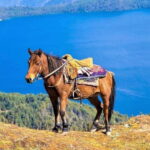
A horse, a lake, and mountain air. That mix is exactly what makes this 2.5-hour horseback adventure in Pokhara such a satisfying break from busy sightseeing. You ride along peaceful paths with forest shade and frequent turns where the Fewa Lake views show up at just the right moments.
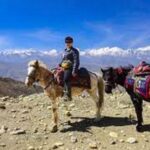
Two things I really like about it are the focus on comfort for different experience levels and the guide support. The tour is designed for riders of all skill levels, and the guides work hard to keep things smooth—one example from past riders is Bhandip, who walked riders and their horses for better viewpoints. You get a guided experience that feels safe, not rushed.
One possible drawback to consider: safety gear is listed as included, but at least one rider reported that helmets were not provided. If head protection matters to you, ask ahead before you set out.
In This Review
- Key Things to Know Before You Go
- First Moments: Getting Onto the Trail Around Fewa Lake
- The 2.5-Hour Timing That Hits the Sweet Spot
- Forest Shade and Dappled Light: What the Ride Feels Like
- Along the Lake: Why Fewa Lake Vistas Matter From the Saddle
- Guides and Horses: The Safety and Comfort Factor
- Price and Value: Is $36 Worth a 2.5-Hour Ride?
- What’s Included (and What You Should Plan Around)
- Where You Might Feel Friction: Helmets and Expectations
- Who This Horseback Ride Fits Best
- Practical Tips for a Smoother Saddle Experience
- Should You Book This Pokhara Horseback Adventure?
- FAQ
- FAQ
- How long is the horseback riding experience?
- Where does the tour take place?
- What is the price per person?
- Is hotel pickup and drop-off included?
- Are the horses trained for beginners?
- Is the guide available in English?
- Is food and drinks included?
- Is emergency rescue included?
- Is free cancellation available?
- Can I reserve now and pay later?
Key Things to Know Before You Go
- 2.5 hours means you get out-and-back scenery without eating your whole day
- Forest shade + lake vistas gives you variety instead of one long straight ride
- Trained horses are part of the value, especially if you’re not an experienced rider
- English-speaking guide helps you understand what’s happening on the trail
- A guide like Bhandip may walk with you to improve comfort and viewing spots
- Helmet availability can be worth double-checking before departure
A few more Pokhara trips worth comparing.
- Pokhara: Horseback Riding Adventure with Hotel Pickup★ 4.0 · 10 reviews
- Pokhara: Horseback Adventure★ 4.8 · 5 reviews
First Moments: Getting Onto the Trail Around Fewa Lake
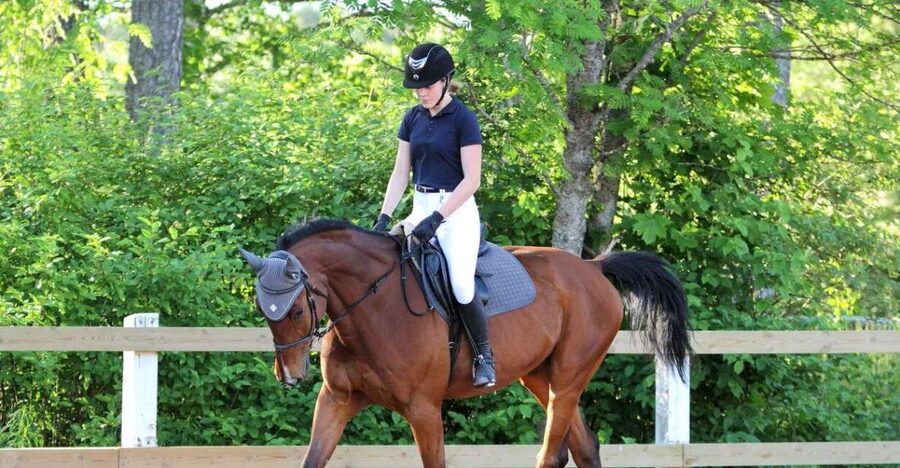
This ride is built for an easy start. You’re picked up from any hotel in the lakeside areas of Pokhara, then taken to where you’ll mount up and begin your loop. Even if you’re nervous at first, the setup aims to get you comfortable quickly, because the whole experience is meant to be enjoyable, not intimidating.
That lakeside pickup matters more than it sounds. Pokhara is spread out, and getting going near Fewa Lake keeps travel time from shrinking your ride. You’re also in the right mindset early: calm, scenic, and ready for motion—slowly at first, then settling into a steady rhythm.
The 2.5-Hour Timing That Hits the Sweet Spot
The duration is 2.5 hours, which is a smart length for a horseback outing in this part of Nepal. Long rides can start to feel repetitive, especially if you’re not sure how your body will react in the saddle. Short rides can feel too brief to take in the views.
Here, the time window gives you enough movement to enjoy a real change of scenery—forest shade, then lake-facing sections—without you feeling like you need a recovery day afterward. It’s also a nice fit if you’re trying to balance adventure with downtime in Pokhara, where the pace is often your best friend.
And because starting times depend on availability, you can usually choose a slot that matches your day. If you like softer lighting and cooler air, you’ll likely prefer a time that avoids mid-day heat, especially if you plan to continue exploring after.
Forest Shade and Dappled Light: What the Ride Feels Like
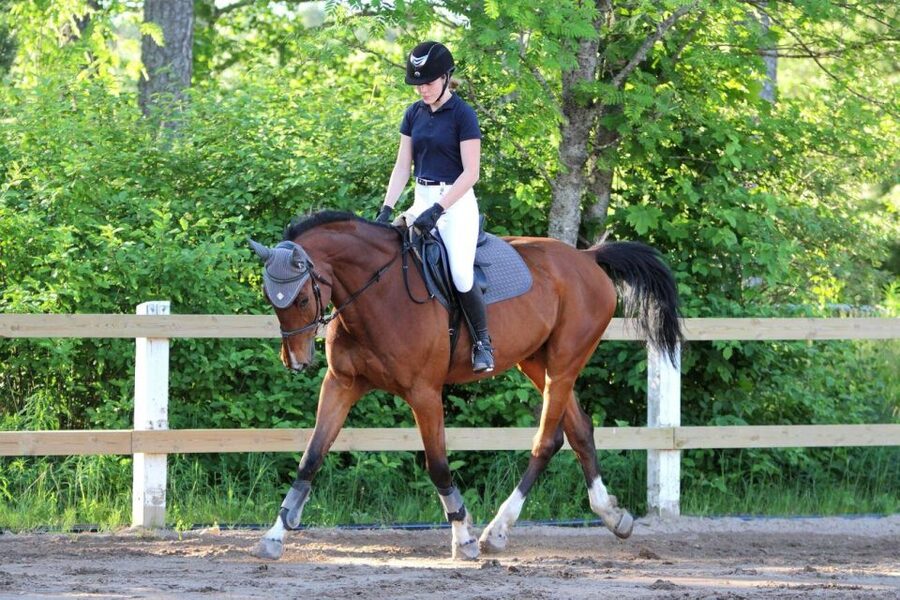
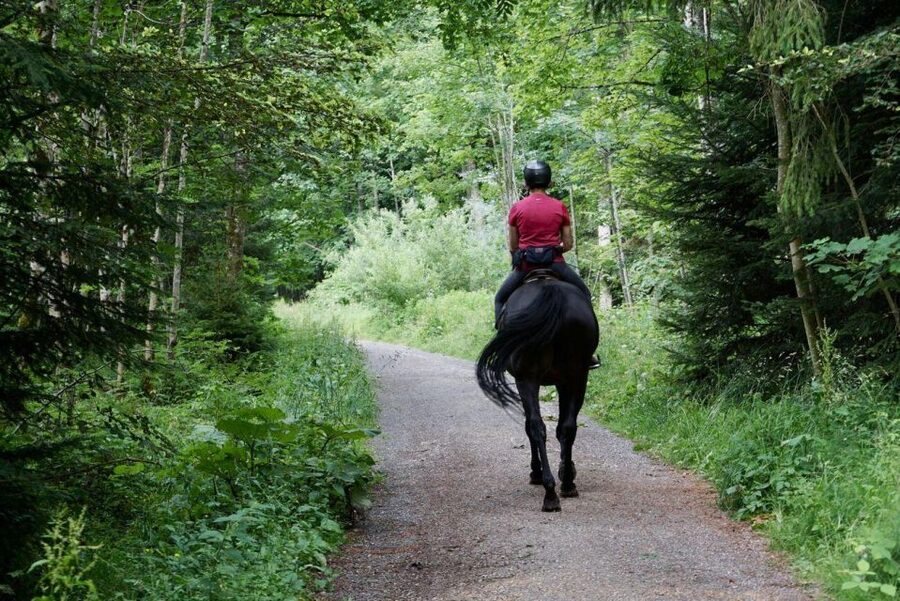
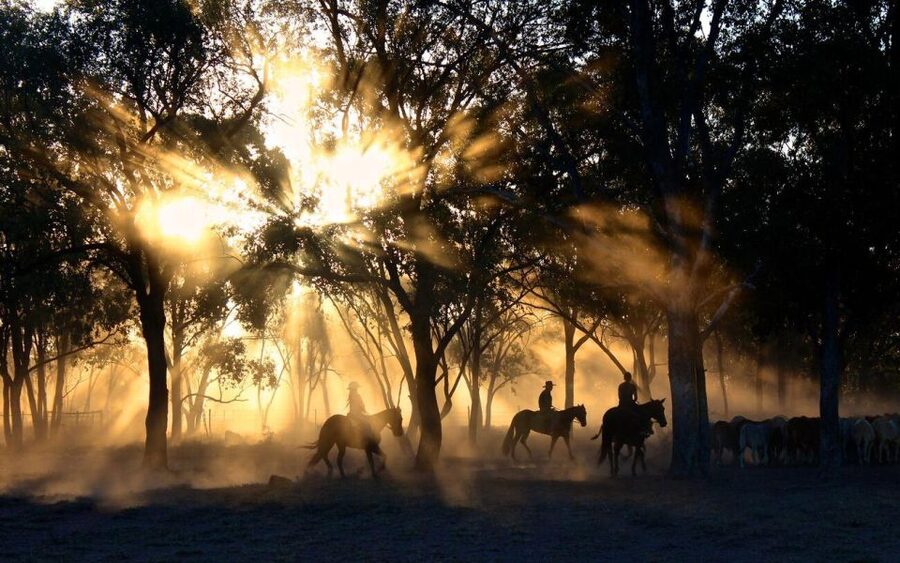
One of the best promises here is the feeling of traveling through forests under dappled sunlight. This is exactly the kind of scenery that makes horseback riding work, because it slows your attention down. On foot, you can rush from one view to the next; on horseback, you tend to go with the flow.
Expect a mix of steady stretches and slower moments where you can look around. Tree cover means you’ll feel a break from the glare, and it creates a more peaceful atmosphere than open viewpoints do. If you like “quiet moments” during travel, this section is where the experience becomes more than just transportation—it becomes a buffer between your next plan and your last.
A useful detail from past riders: the guide may adjust how you experience the route. In one case, Bhandip walked with the rider and their horse during climbs and descents so they could enjoy breathtaking views of Pokhara. That kind of hands-on help can make the ride feel more like a guided adventure and less like a technical task.
Along the Lake: Why Fewa Lake Vistas Matter From the Saddle
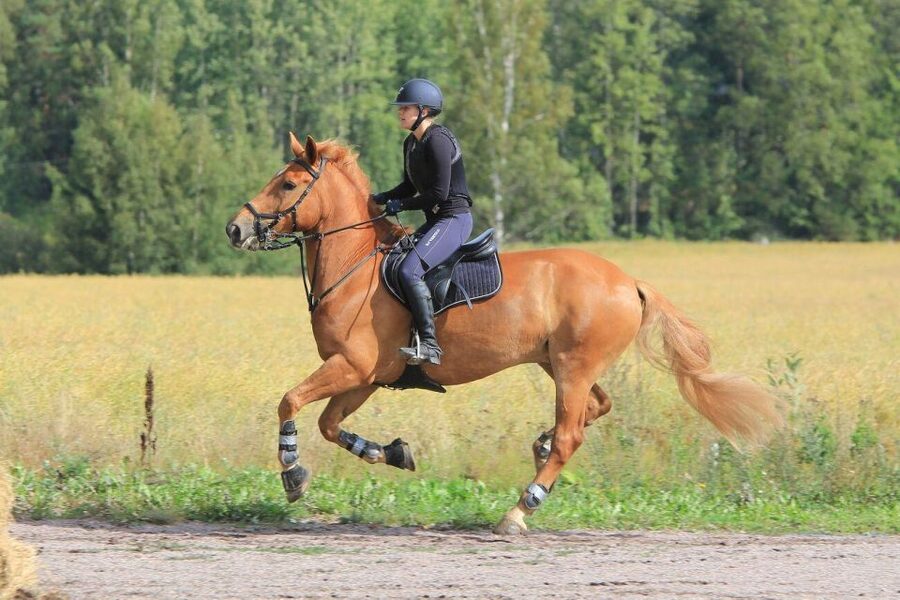
The ride’s standout scenery is the stretch that winds along paths with lake vistas. Seeing Fewa Lake from horseback gives you something you can’t get from a quick photo stop: a moving perspective. The lake changes behind you as you turn, and the rhythm of the trail helps you notice details—shorelines, angles of light, and the calm tone of the water.
This part also tends to feel emotionally different than forest sections. Forest riding is about shade and quiet; lake riding brings open views and that wide, breathing space. If you’re traveling with anyone who doesn’t love technical hiking, this is a great compromise: they get big scenery without the same strain.
One note: on a horseback route that includes lake viewpoints, you may encounter up-and-down sections. The good news is that the tour is set up for riders of all skill levels, and the guide support is part of that. The horses are also listed as well trained, which usually helps with confidence when the trail changes direction.
Guides and Horses: The Safety and Comfort Factor
The tour experience hinges on two things: the guide and the horse. This activity is built around experienced guides and well-trained horses, and that combination is what makes it feel manageable even if you’ve only ridden a few times—or not at all in years.
The guides are not just there to point where to go. They also help you settle into the motion and maintain calm when the trail requires focus. Based on rider feedback, you can get extra walking support for the viewpoint parts, which helps with balance and reduces the stress of handling both your body and your horse at the same time.
It helps that the guide language is English. Clear instructions are a big deal when you’re dealing with an unfamiliar animal and a changing path. Even if you’re comfortable, you’ll likely appreciate being able to ask questions without guessing.
Price and Value: Is $36 Worth a 2.5-Hour Ride?
At $36 per person for a 2.5-hour guided horseback experience, this is priced in the “reasonable adventure” zone for Pokhara. The cost isn’t just paying for a horse to move you from point A to point B. You’re also paying for trained animals, a guide, and listed safety gear, plus hotel pickup and drop-off in the lakeside area.
What makes the value feel real is the mix of included items. You don’t have to arrange transport to a trailhead on your own, and you’re not left to scramble for basic support. With trained horses and guide attention, the ride becomes accessible, which can be the hardest part to “DIY” safely.
That said, remember the one inconsistency you might want to confirm: helmets were not provided for at least one rider even though safety gear was expected. If you’re relying on that gear, you’ll feel more confident if you ask what’s included on the day.
What’s Included (and What You Should Plan Around)
Here’s what comes with the activity:
- Hotel pickup and drop-off from lakeside areas
- Guide
- Trained horses
- Safety gear
Food and drinks are not included. That’s important for your comfort. Even though the ride is only 2.5 hours, Pokhara can get warm and you might continue walking afterward. Bring water if you tend to get thirsty, and if you’re going directly from breakfast or a long gap between meals, grab a light snack beforehand.
Emergency rescue is also not included. That doesn’t automatically mean you’ll be in trouble—horse rides are common here—but it’s a reality check. If you’re the kind of traveler who likes extra reassurance, consider having travel insurance that covers activities.
Where You Might Feel Friction: Helmets and Expectations
The biggest practical “watch this” point is safety gear. Safety gear is listed as included, but one rider reported that there were no helmets even though the listing suggested they should be available. That’s not a deal-breaker for everyone, but it is a clear cue to ask.
Before the tour, you can keep it simple:
- Ask whether helmets are provided
- Ask what safety gear specifically you’ll receive
Also, don’t overthink it if you’re not a regular rider. The tour is designed for different skill levels, and the guide support is meant to help you handle the basics. Your job is mostly to relax, listen, and follow instructions—no showboating required.
Who This Horseback Ride Fits Best
This is a strong choice if you want:
- Scenic value without a full hiking day
- A gentle adventure that still feels like you’re doing something
- A chance to see the Fewa Lake area from a new angle
It’s also a good option if you’re traveling with someone who enjoys nature but doesn’t want long, steep trekking. The ride format gives movement and views without the constant footwork demands of trail hiking.
On the other hand, if you’re looking for a hardcore workout or a long, technical ride, you may find the experience too short or too guided. A 2.5-hour adventure is meant to be pleasant, not challenging.
Practical Tips for a Smoother Saddle Experience
I’d prepare like you’re going out for a calm outdoors session, not a rugged expedition. Comfortable footwear helps—especially if you’re likely to be near uneven ground while mounting and dismounting.
Also, mentally plan for a mix of forest shade and open lake views. If you’re sensitive to sun, treat the open sections as the part that needs protection. If you like taking photos, this is a great ride for pictures of the lake angles—but keep your attention on your horse and your footing first.
Finally, lean on the guide. If someone like Bhandip is walking with riders for better viewpoints, pay attention and follow their lead. That’s when the experience tends to feel most personal and least stressful.
Should You Book This Pokhara Horseback Adventure?
I’d book it if you want a low-drama way to get real scenery in Pokhara—especially views of Fewa Lake—with trained horses and English-speaking guidance. The 2.5-hour length is the right size for many schedules, and the included pickup makes it easy.
I’d double-check before booking if safety gear like helmets is important to you, because there’s at least one reported mismatch between expectations and what was handed out. If you get clear answers from the provider, you’ll likely feel confident going in.
FAQ
FAQ
How long is the horseback riding experience?
The duration is 2.5 hours.
Where does the tour take place?
It’s in Pokhara, in the Western Region of Nepal.
What is the price per person?
The price is $36 per person.
Is hotel pickup and drop-off included?
Yes. You’ll be picked up from hotels in the lakeside areas, and hotel drop-off is included.
Are the horses trained for beginners?
Yes. The activity description says the horses are well trained and suitable for riders of all skill levels.
Is the guide available in English?
Yes. The instructor/guide language is English.
Is food and drinks included?
No. Food and drinks are not included.
Is emergency rescue included?
No. Emergency rescue is not included.
Is free cancellation available?
Yes. You can cancel up to 24 hours in advance for a full refund.
Can I reserve now and pay later?
Yes. The tour offers a reserve now & pay later option.