
Reviewed · ZIPLINE & BUNGEE ADVENTURES
Pokhara: Experience The World’s Steepest Zipline
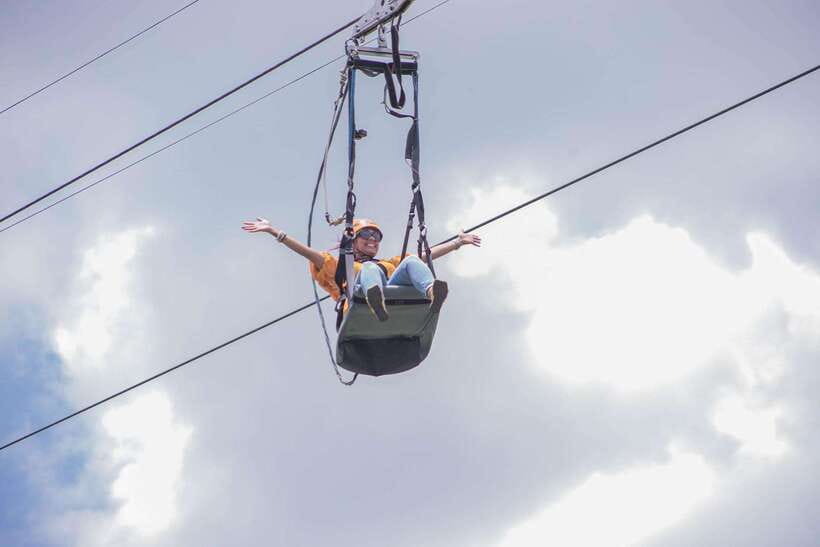
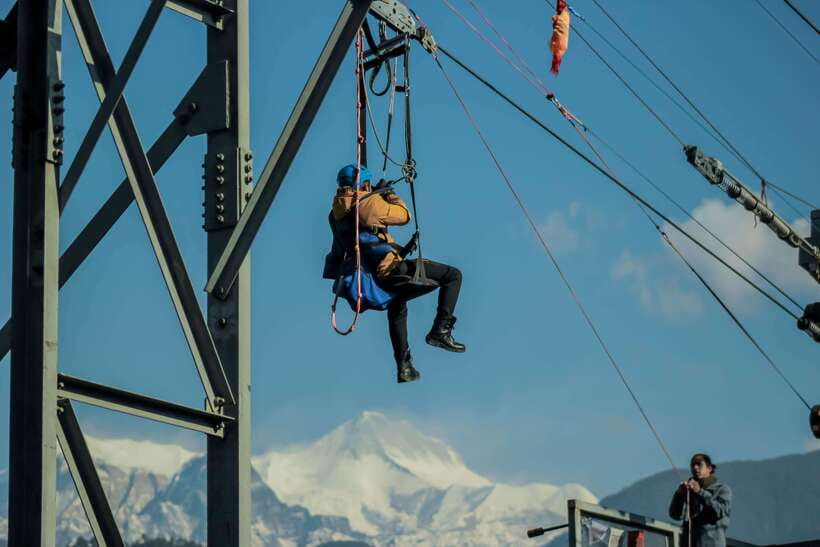
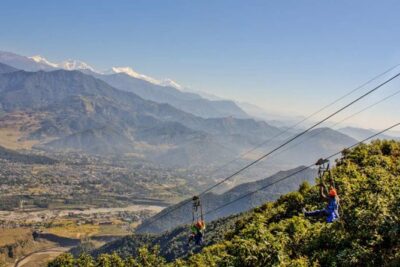
A 56-degree drop is the kind of thrill you remember. This zipline experience in Pokhara pairs that massive initial descent with speeds over 100 km/h, plus dual, side-by-side zipping so you’re not just flying alone. I also like how the ride gives you real Himalayan context, with views toward the Annapurna region, including Machhapuchhre and the Seti River.
Your main thing to consider is fit: it’s not suitable for people with high blood pressure, back problems, pregnancy, other pre-existing medical conditions, and it’s not for wheelchair users. Also, no loose stuff—no large bags, and skip sandals or flip flops.
In This Review
- What I love most (and what you’ll feel fast)
- Key points before you go
- Where this zipline fits in Pokhara
- Getting to the launch area from lakeside (and why timing matters)
- The 3-hour flow: briefing, harness choice, and your ride window
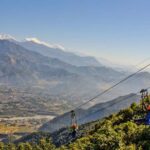
- The zipline itself: speed, steepness, and the Himalayan view
- Harness choice: seated or Superman
- Safety vibe and who should reconsider
- Price and value: is $63 worth it?
- What to bring (and how to avoid last-minute problems)
- Pairing it with bungee: a smart way to use your ride day
- Who this experience is best for
- Should you book ZipFlyer Nepal?
- FAQ
- How long is the zipline experience?
- What do I pay for, and what is not included?
- How fast and steep is the zipline?
- How long is the zipline and how much vertical drop is there?
- Can I choose how I ride?
- Is pickup from Pokhara lakeside included?
- Who should not take part?
What I love most (and what you’ll feel fast)
I love that this isn’t a gentle scenic glide. The profile is aggressive right away, with a steep 56-degree initial drop and a long, high-stakes ride that keeps building momentum. You’ll also like the staff energy: clear safety guidance, plenty of people on hand, and an English-speaking instructor who can walk you through your harness choice.
One more note: the whole experience is about 3 hours, so you’ll want to plan your day around it and eat before you go since food and drinks aren’t included.
More zipline and bungee thrills near Pokhara.
- ZipFlyer Nepal – The World’s Steepest Zip-line★ 5.0 · 608 reviews
- Pokhara: Experience The World’s Steepest Zipline★ 4.8 · 28 reviews
- Pokhara: Bungee Jumping Experience Near Annapurna★ 5.0 · 9 reviews
- Pokhara: Paragliding, Bungy Jump and Zipline Combo Adventure★ 4.7 · 6 reviews
Key points before you go
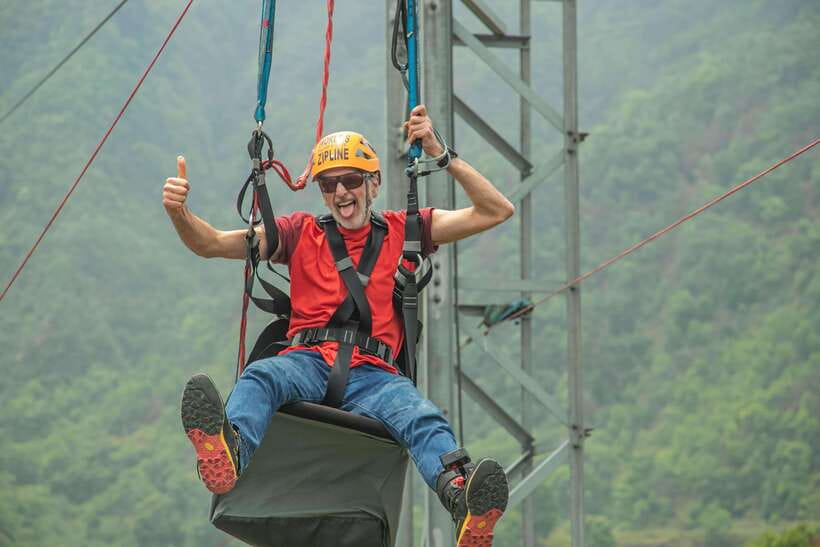
- 56-degree initial drop that kicks the adrenaline in immediately
- Dual, side-by-side zipping so you can share the moment
- 1850 meters of total length with 600+ meters of vertical drop
- Over 100 km/h speed with big views over the Annapurna area
- Seated or Superman harness so you can pick your style
- Himalayan photo opportunities timed right into the ride experience
Where this zipline fits in Pokhara
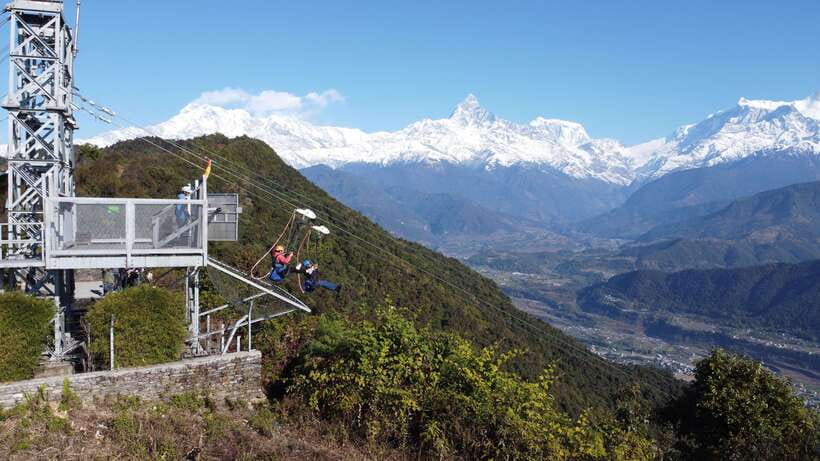
Pokhara is often sold as lakeside calm and mountain backdrops. This experience flips the script fast. You start in the city’s Lake-side area, then you move toward a foothills launch zone for a ride that’s engineered to feel serious: long distance, steep drop, and speed that you can sense even before you’re fully airborne.
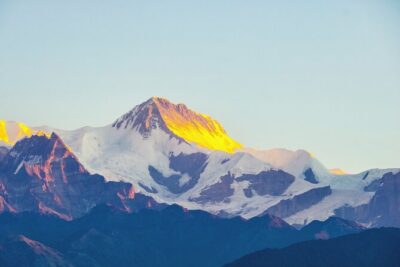
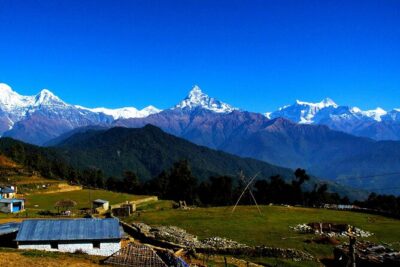
The payoff is not just the thrill. You get a bird’s-eye angle over the Annapurna landscape—toward the Annapurna range, Machhapuchhre, and the Seti River—so the flight acts like a moving viewpoint. It’s one of those rare activities where the safety briefing and harness setup are only half the story. The other half is what your eyes do as the line stretches out.
And because it’s dual, you’ll usually experience it with another rider next to you. That matters. Human brains handle height and speed differently when you have someone sharing the moment.
Getting to the launch area from lakeside (and why timing matters)
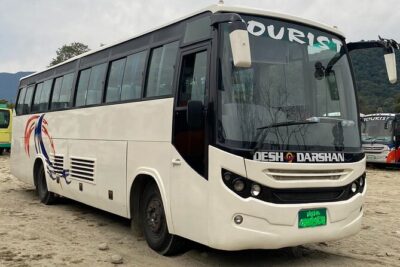
Pickup is included from the lakeside office area. You need to show up at least 30 minutes before your boarding time. That buffer is smart: it gives time for check-in, security, and getting you fitted without a rush.
From the lakeside base, the launch area is reachable about 30 minutes by car, or via a short 9-minute cable car ride plus a short walk. The exact route can vary, but the key point for you is simple: you’re not doing this from a random remote corner. The operation is built so you can get there without complicated planning.
There is also security screening for all visitors. If you’re carrying valuables, keep them to what you can easily manage. They also limit what you can bring—no large bags—so traveling light is not just convenient, it’s part of the flow.
The 3-hour flow: briefing, harness choice, and your ride window
The full duration is 3 hours. In that time you’ll cover a predictable sequence: transportation, security, briefing, harness selection, then the actual zipline run with transfers back.
Here’s how to think about it:
- Before the ride: You arrive, get checked in, pass security, and attend a briefing (in English). This is where the team explains how the harness works and what to do once you’re on the line.
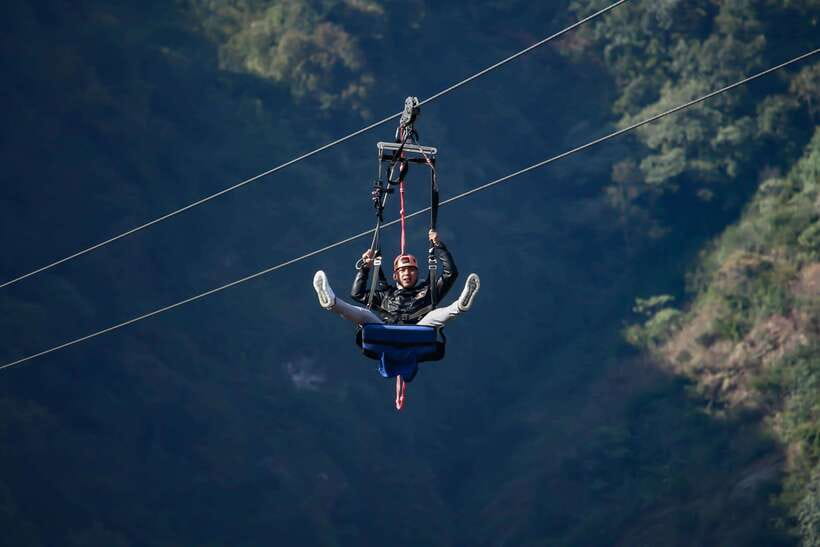
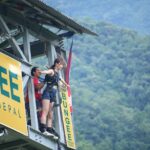
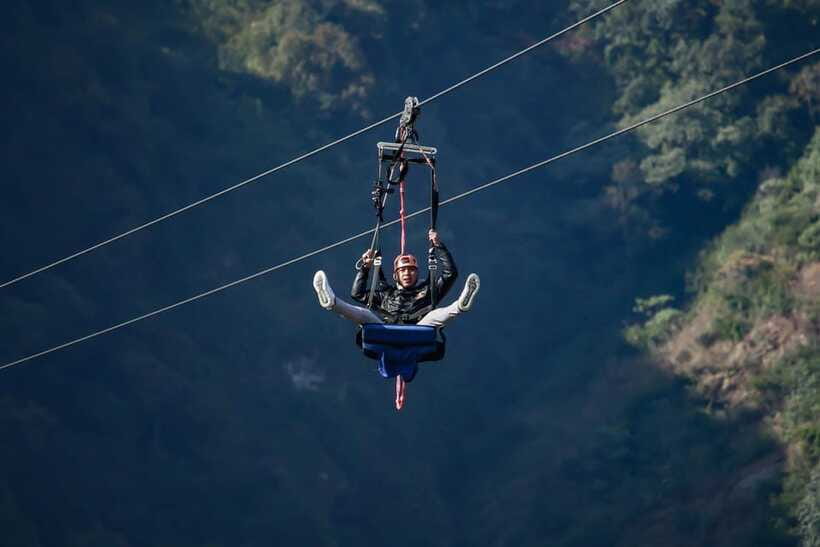
- Gear up: You choose between a seated harness or a Superman harness. The seated option tends to feel more controlled; the Superman option puts your body in a more spread-out, skydiver-like position. Either way, you’ll want to follow the team’s instructions carefully about posture and holding positions.
- Ride time: Then comes the real event—jumping onto the line for a steep initial drop and a long, fast run.
- After: You get an activity certificate and then transfer back to the lakeside area.
A practical tip: if you’re the type who wants photos, plan to be present for the safety briefing and gear-up. You can’t control the timing of the ride, so it’s better to arrive settled than distracted.

The zipline itself: speed, steepness, and the Himalayan view
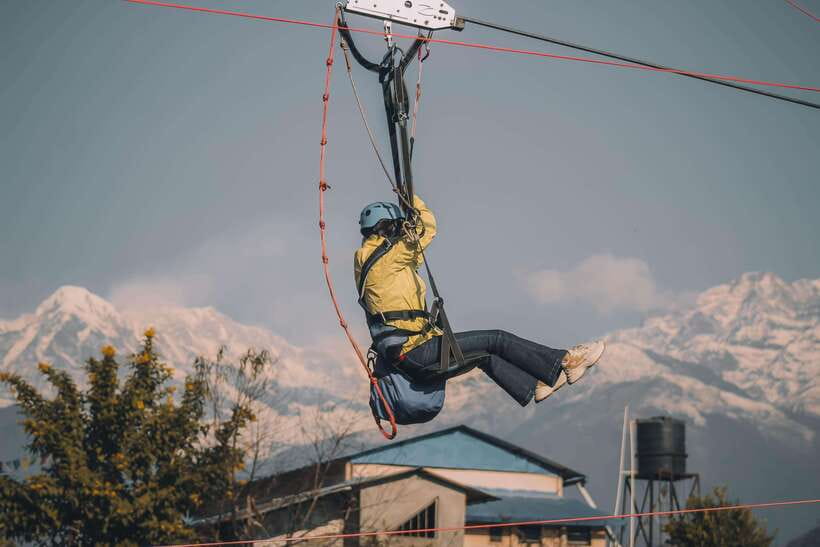
This is the heart of why people do ZipFlyer Nepal: the numbers are aggressive, and they’re not just marketing-style exaggeration.
- 56-degree initial drop: The first part kicks your stomach with gravity fast. It’s the moment most people remember.
- Over 100 km/h speed: Once you’re launched, you’re moving quickly enough that the experience feels intense, not casual.
- 1850 meters total length: You don’t get a quick hit and then step off. It’s a full ride.
- Over 600 meters vertical drop: The line isn’t just long; it’s dropping in a meaningful way.
- Dual, side-by-side zipping: You ride alongside another person on a parallel line, so you share the pace and the view.
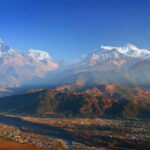
Now add the scenery. As you fly, you get views toward the Annapurna range and the iconic silhouette of Mount Machhapuchhre. You’ll also see the Seti River below as the line opens up across the foothills. The overview you might hear includes ABC mountain range perspectives too, and the practical takeaway is the same: the flight gives you a high vantage point over the Annapurna region’s dramatic terrain.
If you care about photos, you’ll likely get your best shots during the long stretch—after the steep initial drop when your body settles and you can look outward rather than reacting.
Harness choice: seated or Superman
You get to pick your style:
- Seated harness: You’re held in a more structured seated position. It can feel easier if you’re concerned about posture during a steep run.
- Superman harness: This is the stretched, flying feel. It looks dramatic and tends to feel like you’re lying into the air. If you choose this, listen closely to how they position your body and hands.
Either way, your job is the same: keep your posture stable and follow staff directions. The team’s safety guidance is part of why people come back happy—clear instructions and support reduce the nervous energy.
Safety vibe and who should reconsider
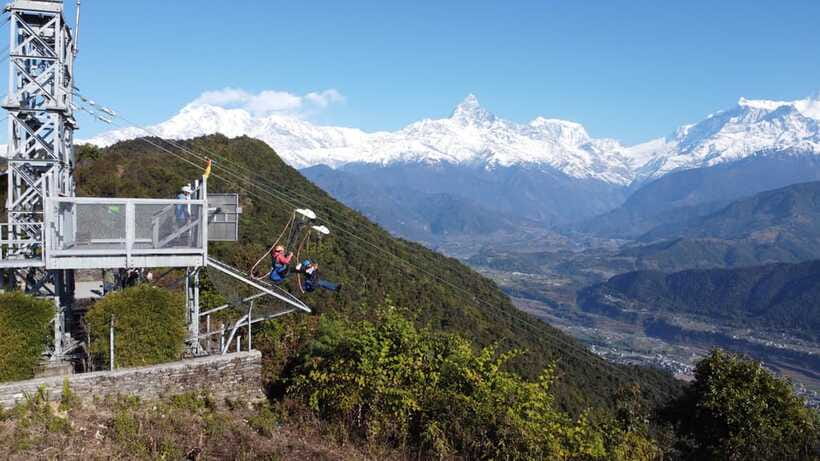
From what the operation delivers, the safety approach is very instruction-led. You get a briefing before boarding, and the staff presence is strong during the process. That helps because the experience depends on you doing a few things right while moving fast on a cable system.
Still, this isn’t a “maybe” activity. It’s explicitly not suitable for:
- Children under 10 years
- Children under 18 years (so treat this as a minimum age of 18+)
- People with high blood pressure
- People with back problems
- Pregnant women
- People with pre-existing medical conditions
- Wheelchair users
If you fall into any of those groups, don’t try to push it. The steep drop and speed are the point, and your body needs to be able to handle it safely.
Also note what they don’t want you to bring or wear:
- No luggage or large bags
- No alcohol or drugs
- No sandals or flip flops
Plan on closed-toe footwear you can move in. And if you’re sensitive to heights, tell yourself ahead of time that the fear is normal. The ride is designed to be run safely, with guidance, but it will still feel steep.
Price and value: is $63 worth it?
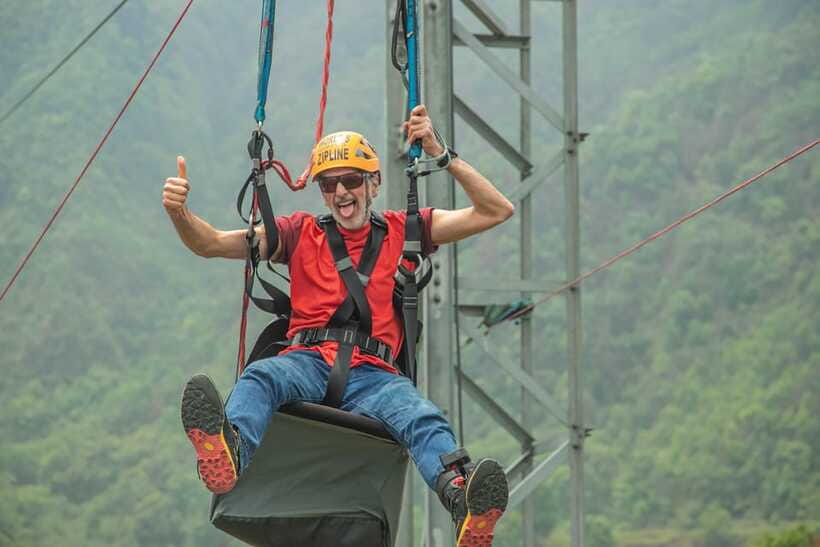
At $63 per person for a ride that lasts about 3 hours, the value is all about what you get for that time.
You’re paying for several high-impact elements in one package:
- A steep, high-speed ride profile (56-degree initial drop, 100 km/h+ speed)
- Real ride length (1850 meters) with significant vertical drop (600+ meters)
- Dual, side-by-side zipping
- Included transfers from the lakeside office area
- Included briefing and ride, plus an activity certificate
- All taxes and fees included
What’s not included is food and drinks, so you’ll want to plan a meal around your slot. But compared with many activities in Pokhara where you pay separately for guides, viewpoint transport, or timed entry, this setup bundles the key parts.
Also, transportation quality matters here. If the transfer is smooth and the schedule holds, you get less stress and more energy for the ride itself. Many people rate the transport highly, and that checks out with the fact that pickup and return are part of your ticket.
If you’re a thrill-seeker, this is a strong “one big day” experience. If you’re hoping for a light stroll or a gentle scenic activity, this probably won’t match your expectations.
What to bring (and how to avoid last-minute problems)
You need a passport or ID card. That’s required for admission, and it’s the one item that can derail your day if you forget it.
Beyond that, keep it simple:
- Avoid bringing luggage or large bags
- Skip sandals or flip flops
- Leave alcohol and drugs at home
If you wear something restrictive, this is the moment to switch to practical clothing you’re comfortable in while seated in a harness. You’ll be moving through check-in and walking a bit between transport and boarding, so plan for real-world comfort, not just style.
Pairing it with bungee: a smart way to use your ride day
One nice detail: the zipline ends at the spot where you can add a bungee jump afterward. That means you can turn this into a bigger half-day of adrenaline without doing separate logistics later.
If you want a clean plan, eat first, do the zipline, then decide on the bungee while you’re already at the location. Just be honest about your comfort level. The zipline already hits steepness and speed, so adding another high-intensity jump is only a good move if you know you can handle it.
Who this experience is best for
I’d steer you toward ZipFlyer Nepal if:
- You’re 18+ and in generally good health
- You want a real thrill with numbers that sound big and feel real
- You like shared experiences, not solo adrenaline
- You want Himalayan views from a moving perspective, not just from a lookout
I’d steer you away if:
- You have high blood pressure, back issues, pregnancy, or other pre-existing medical conditions
- You need wheelchair accessibility
- You’re shopping for a very mild outing or a short, low-impact activity
Should you book ZipFlyer Nepal?
Book it if you’re coming to Pokhara specifically for mountain views and you want your “wow moment” to be fast, steep, and unforgettable. The combination of 56-degree drop, 100 km/h+ speed, and dual side-by-side riding makes it feel like a top-tier adventure, not a basic tourist zip.
Don’t book it if you’re in any of the medical or age categories listed as not suitable. And if you hate safety instruction environments, this one won’t change your mind—you’ll be expected to listen and follow directions so the ride can run smoothly.
If you do book: arrive early (at least 30 minutes before boarding), bring the right ID, wear closed-toe shoes, and plan to skip food delays since food and drinks aren’t included. That’s how you turn a steep flight into a day that feels fun, not stressful.
FAQ
How long is the zipline experience?
The experience lasts about 3 hours.
What do I pay for, and what is not included?
The price includes all taxes and fees, a briefing and ride, an activity certificate, and transfer to the lakeside area. Food and drinks are not included.
How fast and steep is the zipline?
You’ll reach speeds of over 100 km/h. The ride includes a 56-degree initial drop.
How long is the zipline and how much vertical drop is there?
The total length is 1850 meters, with a vertical drop of over 600 meters.
Can I choose how I ride?
Yes. You can choose between a seated harness or a Superman harness.
Is pickup from Pokhara lakeside included?
Yes. Pickup is included from the lakeside office, with transfer to the zipline launch site. You should arrive at least 30 minutes before boarding time.
Who should not take part?
It’s not suitable for people with high blood pressure, back problems, pre-existing medical conditions, or pregnant women. It’s also not suitable for wheelchair users, and children under 18 are not allowed.
Also Reviewed Around Pokhara
More Zipline and Bungee
Newer Pokhara reviews to browse before you decide
Zipline & Bungee Adventures, compared.
 ★ 5.0ZipFlyer Nepal – The World’s Steepest Zip-lineFrom $165608 reviews
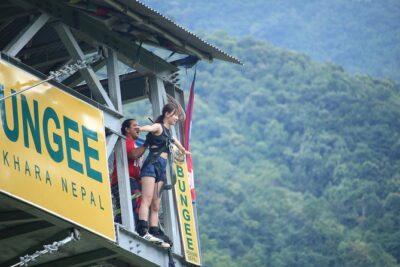 ★ 5.0Bungee Pokhara by HighGround AdventuresFrom $90366 reviews
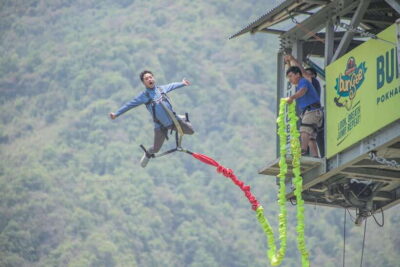 ★ 5.0Bungee Jumping Experience Near AnnapurnaFrom $469 reviews
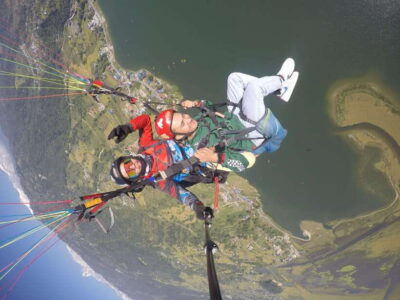 ★ 4.7Paragliding, Bungy Jump and Zipline Combo AdventureFrom $786 reviews
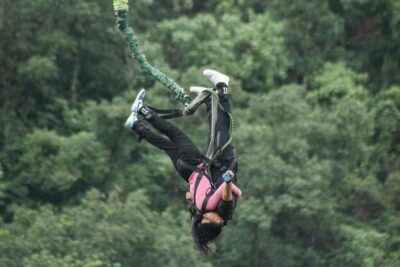 ★ 4.3Double Dare: Tandem Bungee AdventureFrom $753 reviews
Browse the lists this tour appears in