
Reviewed · POKHARA CITY & VALLEY SIGHTSEEING
Pokhara: Visit Best Seven Tourist Destination by Sharing Bus
Pokhara has a way of hitting pause, fast—then throwing in caves. This six-hour shared-bus route threads together World Peace Pagoda viewpoints and the quiet climb to Pumdikot Mahadev, with classic stops like Davis Falls and two different cave complexes. I especially like how the day mixes big scenery with spiritual moments, and the price-to-coverage ratio is hard to beat at $9. The main catch: it’s a tight schedule with a lot of walking and stairs, plus shared-bus timing can stretch when the group is delayed.
For your money, you’re not just hopping from one postcard to another. You’re moving through Pokhara’s religious and natural landmarks in a loop that keeps logistics simple from the Lakeside hotels, and a live guide helps connect the dots. Still, there are a few practical limitations to plan around—no large bags, and it’s not set up for wheelchair users.
In This Review
- Key highlights worth knowing before you go
- How the Lakeside pickup and shared-bus route really feels
- Pumdikot Shiva statue: where the day starts quieter
- World Peace Pagoda: the hilltop payoff you’ll feel in your legs
- Davis Falls (Patale Chhango) + Gupteshwor Mahadev Cave: nature with a spiritual frame
- Mahendra Cave and Bat Cave: the underground portion of the day
- Seti River Gorge for a quick breather, then Bindabasini Temple to close
- Price and value: why $9 can be a smart buy in Pokhara
- Guide quality and group pace: the real difference-maker
- What to bring (and what to skip) for a smoother day
- Who this Pokhara highlights bus tour suits best
- Should you book this six-hour Pokhara loop?
- FAQ
- How long is the Pokhara best-destination sharing bus tour?
- What does the tour cost, and are entrance fees included?
- Where is pickup included?
- How much walking and stairs are involved?
- Is this tour wheelchair-friendly?
- Is large luggage allowed?
- Can I cancel if my plans change?
Key highlights worth knowing before you go
- World Peace Pagoda hilltop views with a calm Buddhist monument vibe above Pokhara
- Davis Falls (Patale Chhango) plus a walk that brings you close to the cascades
- Two cave experiences: Gupteshwor Mahadev Cave near the falls area, and Mahendra Cave deeper in Batulechaur
- Pumdikot Mahadev climb with a Shiva setting and panoramic outlooks from the temple area
- Spiritual stops that are walkable: Bindabasini Temple and Shiva-focused sites across the city
- Shared local bus, group pace: great value, but travel time can vary depending on how the day moves
More ways to see the city and Pokhara Valley in a day.
- Pokhara: Full-Day Private Tour on 7 Iconic Destination★ 4.8 · 108 reviews
- Pokhara: Sarangkot Sunrise with Half or Full-Day City Tour★ 4.8 · 100 reviews
- The Best of Pokhara: Full-Day Private Tour with Sarangkot Sunrise★ 5.0 · 66 reviews
- Guided Tour to explore the entire Pokhara City★ 5.0 · 51 reviews
How the Lakeside pickup and shared-bus route really feels
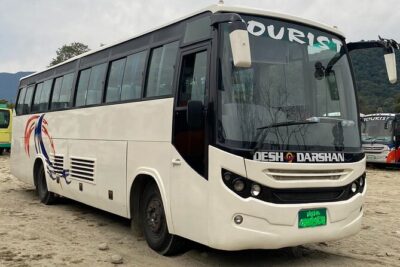
This tour runs out of Pokhara’s Lakeside area, with hotel pickup and drop-off included for stops in that zone. You’ll meet your group in the hotel lobby about 10 minutes before pickup, then ride a shared local bus through the city and out to the hills.
The whole experience is designed to be tour-like but local: you’re not in a private van, and you won’t have total control over timing. That’s why the day can feel smooth when everything lines up—and slower when passengers board late. For me, that shared-bus setup is part of the value. But it also means you should treat the schedule as flexible, especially around the middle of the loop.
You’ll also be doing real walking. The tour information notes about 200 steps across temple and cave visits, and the itinerary includes short on-foot legs between each stop. Comfortable shoes matter more than you’d think for a “just six hours” outing.
Pumdikot Shiva statue: where the day starts quieter
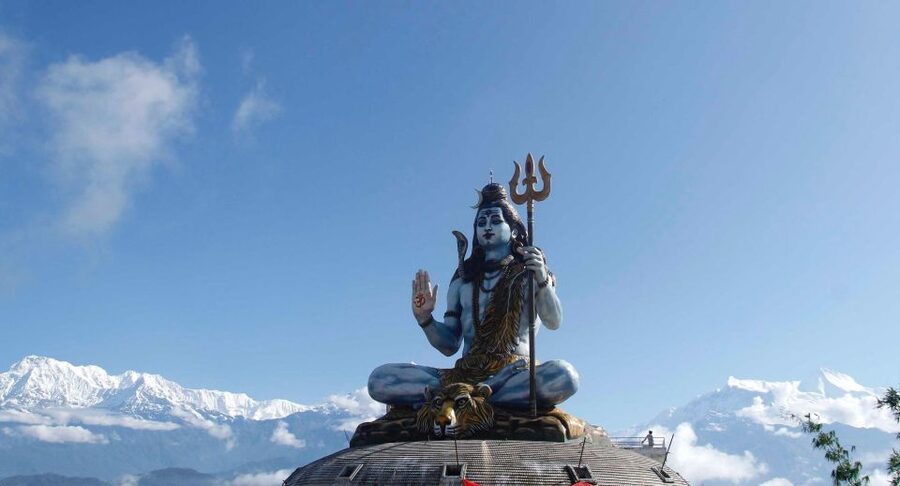
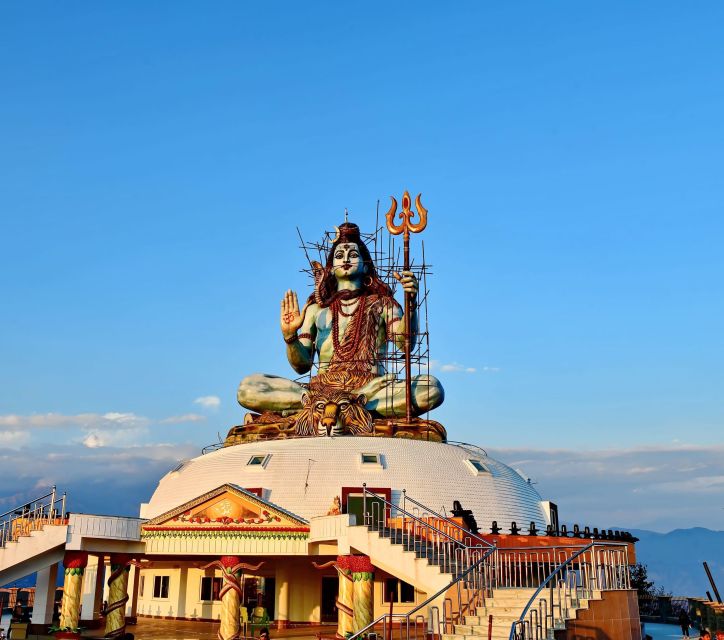
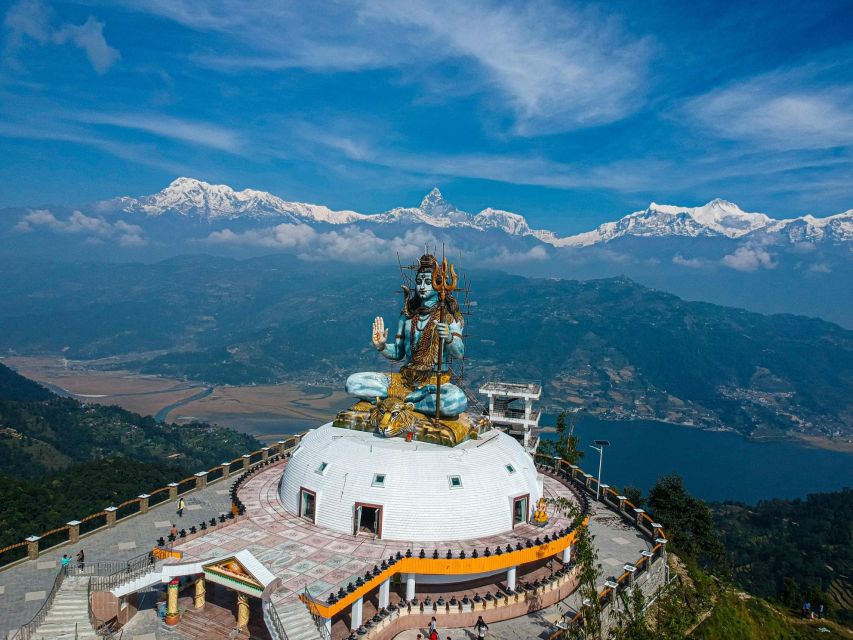
Your first big stop is the Pumdikot Shiva Statue / Pumdikot Mahadev Temple area (about 30 minutes there). This is a Hindu pilgrimage-style viewpoint and temple setting near Pokhara, dedicated to Lord Shiva, and it’s often the kind of place where the pace slows down.
What you can expect: a short ramp or walk up to the Shiva area, temple atmosphere with devotees, and a viewpoint feeling from the hillside. Even if you’re not a temple person, it’s a useful emotional reset after the bus ride. It sets the tone for the rest of the day: more than sightseeing, you’re stepping into how people actually worship and gather.
The drawback is physical. That climb counts—this isn’t a no-stairs “look and go” stop. If you’re traveling with knee issues or you hate stairs, you’ll want to be careful with your footwear and your pace here.
World Peace Pagoda: the hilltop payoff you’ll feel in your legs
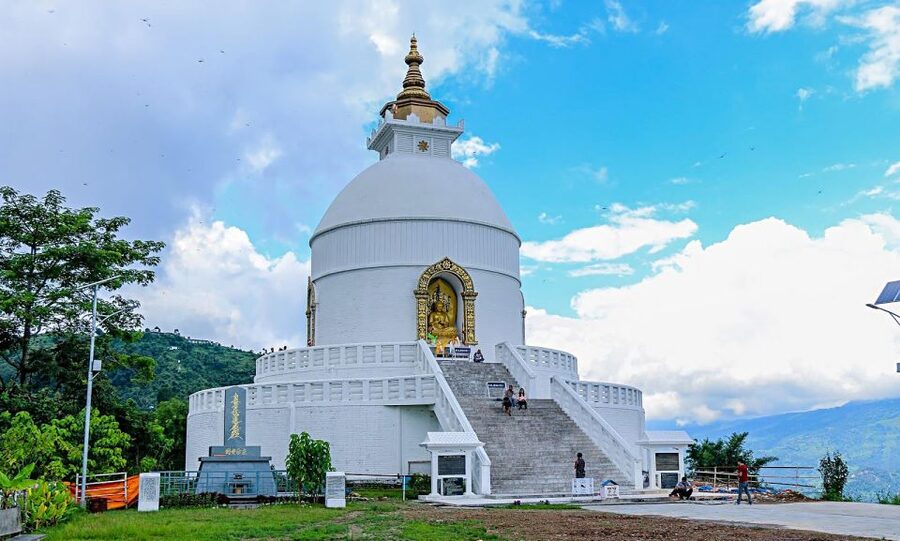
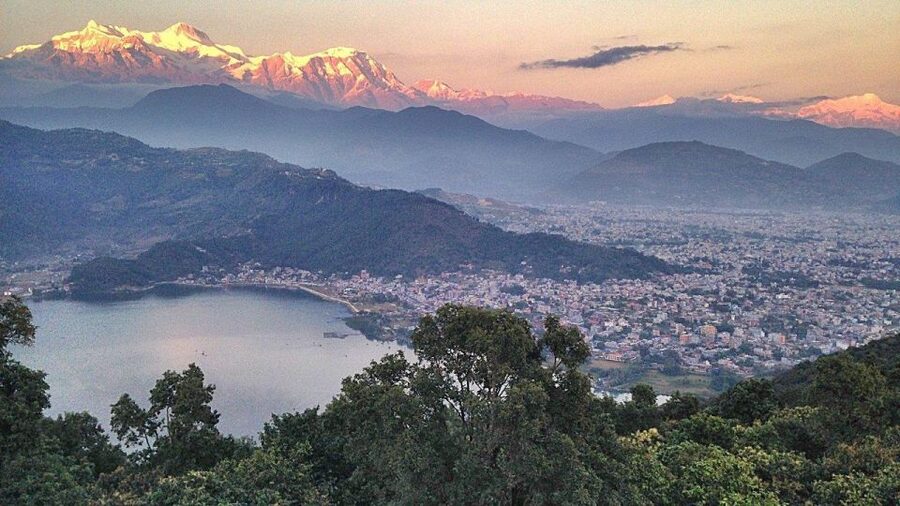
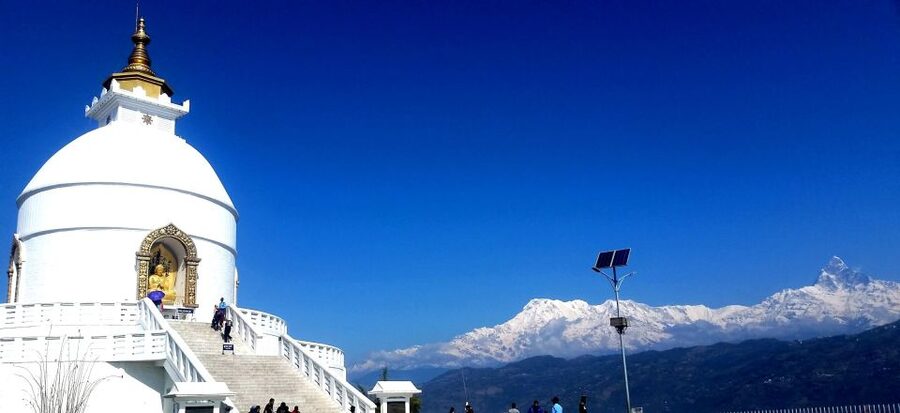
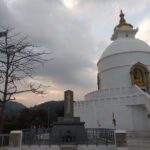
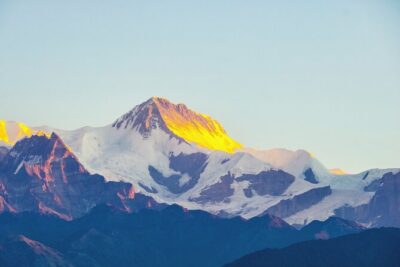
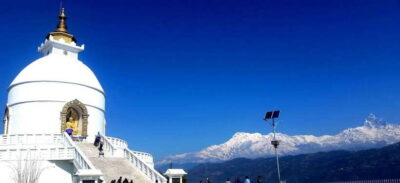
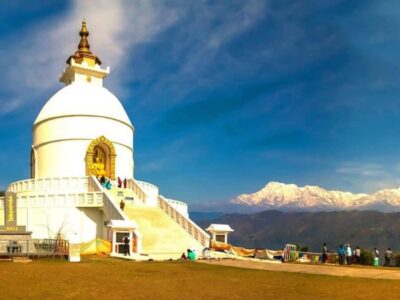
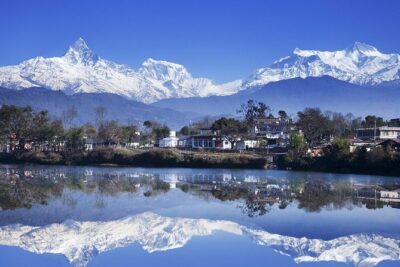
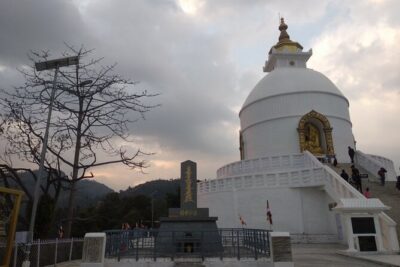
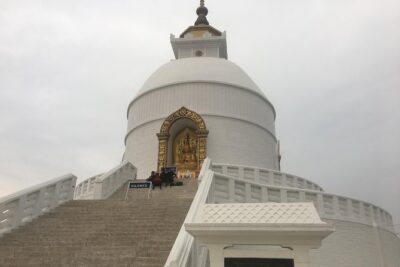
After Pumdikot, the route brings you up to the World Peace Pagoda (about 30 minutes). This is a standout because it’s both Buddhist monument architecture and a viewpoint situation over Pokhara and the surrounding Annapurna mountain range.
Here’s the practical side: you get a scenic stop with time to look around, take in the panorama, and soak up the calmer mood that surrounds the pagoda. In real terms, this is where the trip justifies itself visually. Even if you’re not super into religious sites, the view is why most people remember the pagoda.
And because the visit is time-limited, you should go in with a quick plan. If you want photos, pause early—then spend the last part of your time just standing and watching the light shift over the city. Six hours is quick, and this is one of the few moments you’ll likely want to linger.
Davis Falls (Patale Chhango) + Gupteshwor Mahadev Cave: nature with a spiritual frame
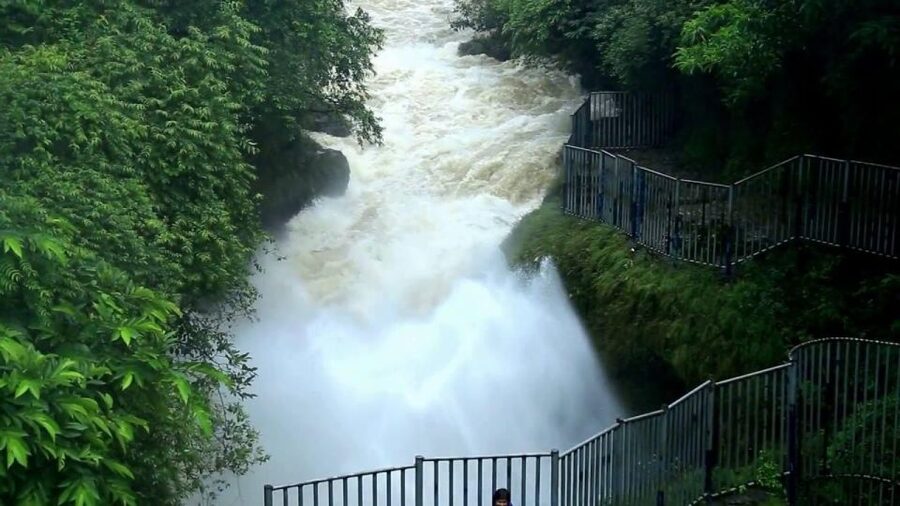
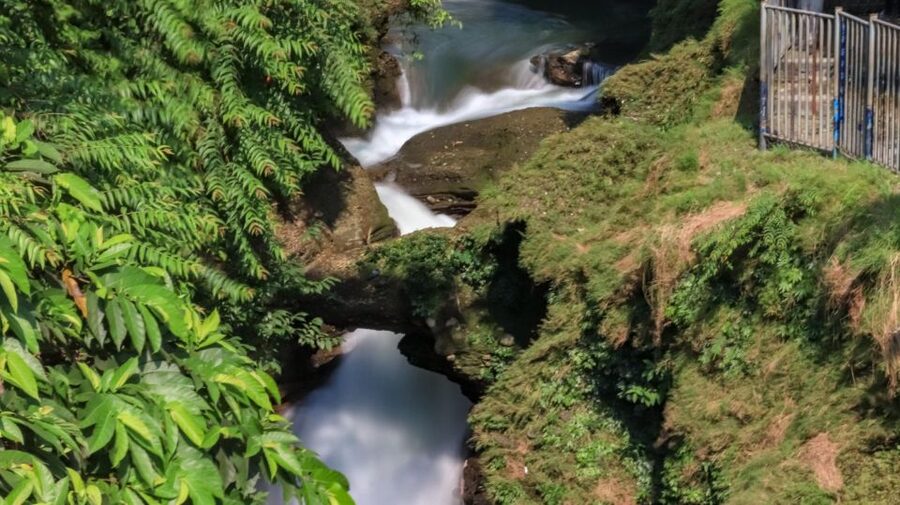
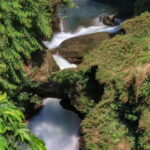
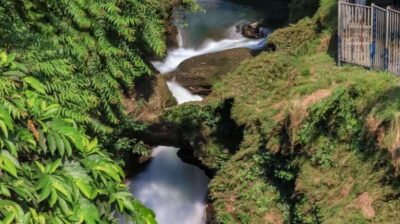
Davis Falls is one of those Pokhara attractions that feels instantly recognizable, even if you’ve only seen it in pictures. You’ll visit the falls (about 20 minutes) and walk in from the bus stop via a route associated with the Shiva Mandir area.
What’s special here is the combination of power and story. The tour notes that Davis Falls is known in Nepali as Patale Chhango, and there’s a legend tied to the falls. You can expect strong cascades and a close-up feeling of water moving with real force—very different from a gentle waterfall stroll.
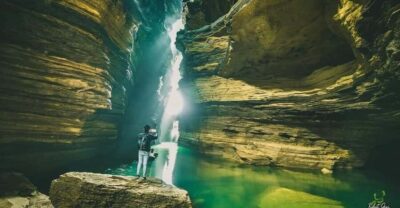
Next comes Gupteshwor Mahadev Cave (about 30 minutes), near the Davis Falls area. This cave complex is dedicated to Lord Shiva, and it’s described as an interconnected series of caves, with stalactites and stalagmites inside. You’re going from outside sunlight into a cave environment where it feels cooler and darker, so watch your step and keep your footing sure.
Two practical tips for this section:
- Wear shoes you can trust on uneven surfaces. Caves and waterfall paths can be slick.
- Don’t expect big time at either stop. This is an efficient combo, not a long exploration.
If you like “nature plus meaning,” this pair works well because it connects the physical place to religious context without turning the day into a lecture.


Mahendra Cave and Bat Cave: the underground portion of the day
After the falls and cave near there, the tour continues with more cave stops.
First is Mahendra Cave (about 20 minutes), named after the late King Mahendra. It’s located in the Batulechaur area, and you reach it by taking a bus to Mahendrapul, then walking a short distance. Inside, you’re looking at limestone formations and underground chambers—classic cave structure with the kind of natural “pattern” you can’t manufacture.
Then the route adds Bat Cave (about 20 minutes). This is a habitat-oriented natural cave where bats roost. The important part here is respect and boundaries: access might be regulated in general to protect bats and their habitats. From a visitor perspective, that means you might find entrances that are limited, signage that changes how close you can get, or timing rules depending on the day.
Put simply: the cave sequence is fun, but it isn’t just a photo walk. You’re also getting a taste of how Pokhara’s cave world connects to living ecosystems and local religious geography. If you’re uncomfortable around bats or you’re claustrophobic, check your comfort level before booking.
Seti River Gorge for a quick breather, then Bindabasini Temple to close
Between caves and temples, you’ll get a short stop at Seti River Gorge (about 10 minutes). This is brief by design, so it shouldn’t be your only plan for the gorge area. Still, even in a short slot, you’ll appreciate the geography of Pokhara—the way the city sits alongside dramatic river cuts.
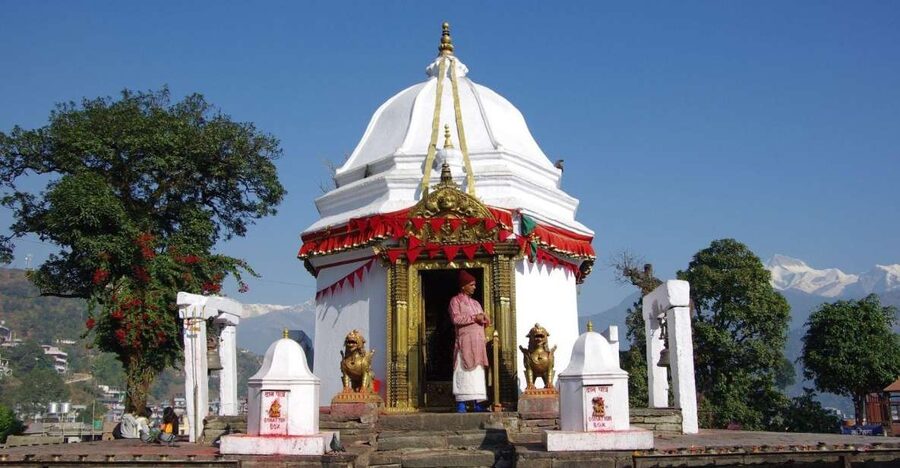
The day finishes with Bindabasini Temple (about 30 minutes). This Hindu shrine is dedicated to Goddess Durga and is described as being in the heart of Pokhara. The tour route brings you to Bagar by bus, then you walk a short distance to the temple.
Why Bindabasini is a strong ending: you get an active spiritual atmosphere with devotees offering prayers. And the temple premises are also noted for panoramic views of the city, which makes this stop feel like a “look back at Pokhara” moment after the earlier hilltop viewpoints.
If you want the day to feel meaningful rather than only scenic, this temple finish helps a lot. The downside is that it also involves walking and stair elements—so plan to pace yourself and avoid sprinting to catch a last photo.
Price and value: why $9 can be a smart buy in Pokhara
At $9 per person for about 6 hours, the value is clear: you’re getting hotel pickup/drop within the Lakeside zone plus round-trip transportation via a shared local bus, and you’re also getting a live guide.
That said, don’t ignore the extra costs. Entrance fees are listed as approximately NPR 800 per person. For a day with multiple major stops, that’s not surprising. To judge value correctly, think of it like this: the $9 covers the shared transport and guide time, while entrances cover site access.
The biggest “value lever” is efficiency. You see World Peace Pagoda, Davis Falls, multiple caves, and a major temple in one loop. If you had to arrange this yourself with separate taxis or individual guides, you’d likely spend more time and more money just coordinating between stops.
Where value can slip is when the group gets delayed. One account of the day running longer due to a crowded bus and other guests boarding late shows how shared transport can affect your comfort and pacing. Another account also mentions that some destinations weren’t visited, which is a reminder to keep expectations flexible.
Guide quality and group pace: the real difference-maker
A live tour guide is included, and that can be the difference between “we saw places” and “we understood what we saw.” One itinerary experience described a guide as professional and kind, with help offered when needed, plus a harmonious group dynamic. Another account highlighted a similar “young accompanying” presence that looked after participants.
On the flip side, shared tours can’t fully control group behavior. When the bus is overfilled or when boarding happens late, the schedule can expand and your time inside key sites can get squeezed. If you care about photo timing, aim to arrive early at each stop once you get off the bus.
Language is another variable. One experience described disappointment with the lack of French despite a French preference on the booking filters. The safe approach if language is important: assume coverage might not match perfectly, and be ready with basic English or your own plan for interpretation.
What to bring (and what to skip) for a smoother day
The tour info is straightforward about essentials:
- Bring comfortable shoes and comfortable clothes.
- You’ll need clothing suitable for walking.
- Avoid luggage or large bags.
The no-luggage rule matters because you’re using a shared bus, where space gets tight. If you’re traveling light anyway, this is easy. If you’re carrying a suitcase, you’ll want a different plan.
Also note:
- Drones aren’t allowed.
- Pets aren’t allowed, though assistance dogs are mentioned as an exception.
Finally, the “200 steps” reminder is not theoretical. That stair count shows up during temple and cave visits, so bring your best walking attitude. Slow is fine. Just don’t rush.
Who this Pokhara highlights bus tour suits best
This works well if you want a guided, efficient loop without the stress of arranging separate transport. It’s ideal for:
- First-time Pokhara visitors who want the major highlights in one day
- People who like a mix of spiritual sites and natural sights
- Travelers comfortable with short walks, stairs, and a steady pace
It’s less ideal if you:
- Need wheelchair-friendly routes (the tour notes it’s not suitable for wheelchair users)
- Struggle with stairs and uneven cave ground
- Prefer long, unhurried exploration at fewer sites
If you’re the type who wants to spend an hour in one place, this schedule may feel too fast. But if you want a “see a lot, understand a lot” day, the format is built for you.
Should you book this six-hour Pokhara loop?
If you want a low-cost, guided highlights day that connects Pokhara’s hilltop peace, temple spirituality, and cave geology, this tour is a strong option. The best reason to book is the combination: World Peace Pagoda for the big view, Davis Falls for the natural spectacle, and multiple Mahadev/Shiva-themed stops that give the day a consistent spiritual thread.
I’d book with two cautions in mind. First, wear good shoes and expect stairs—200 steps is part of the plan. Second, remember it’s shared-bus timing, so late boarding and schedule shifts can happen, and on rare departures some stops may be shortened.
If you can handle that flexibility, you’ll likely come away feeling like you got a lot of Pokhara in just one day.
FAQ
How long is the Pokhara best-destination sharing bus tour?
The duration is 6 hours.
What does the tour cost, and are entrance fees included?
The price is $9 per person. Entrance fees are not included and are listed at approximately NPR 800 per person.
Where is pickup included?
Hotel pickup and drop-off are included within the Lakeside area of Pokhara, with multiple pickup options listed for that zone.
How much walking and stairs are involved?
You’ll climb about 200 steps across the temple and cave visits, plus short walks between stops.
Is this tour wheelchair-friendly?
No, it is not suitable for wheelchair users.
Is large luggage allowed?
No. The tour notes that luggage or large bags are not allowed.
Can I cancel if my plans change?
Yes. You can cancel up to 24 hours in advance for a full refund.
Also Reviewed Around Pokhara
More City and Valley Sightseeing
Newer Pokhara reviews to browse before you decide
Pokhara City & Valley Sightseeing, compared.
 ★ 4.1Full-Day Sharing Bus Tour on 7 Iconic DestinationFrom $12179 reviews
 ★ 4.8Full-Day Private Tour on 7 Iconic DestinationFrom $53108 reviews
 ★ 4.8Sarangkot Sunrise with Half or Full-Day City TourFrom $8100 reviews
 ★ 5.0The Best of Pokhara: Full-Day Private Tour with Sarangkot SunriseFrom $6866 reviews
 ★ 5.0Guided Tour to explore the entire Pokhara CityFrom $7051 reviews
 ★ 4.1City Sightseeing Group Bus TourFrom $837 reviews
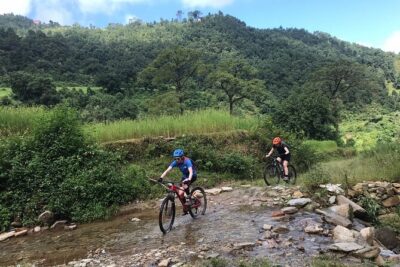 ★ 5.0Pokhara Valley Mountain Bike Adventure Private TourFrom $18530 reviews
 ★ 5.0Best of Pokhara Must Visit 5 Himalayas viewpointsFrom $7520 reviews
Browse the lists this tour appears in