
Reviewed · POKHARA CITY & VALLEY SIGHTSEEING
Pokhara: Sightseeing tour (Unguided) in Sharing Bus
A morning in Pokhara, then you’re off. This sightseeing loop is a smart mix of religious sights and real nature spots—Devi’s Fall, caves, and lake time—done in one long day without paying for a full private guide. I especially like the Lakeside pickup/drop-off and the freedom to wander at each stop at your own pace. One thing to consider: it’s described as unguided, so the “tour” is more about transport and timing than step-by-step commentary.
The format is a shared bus with an assistant who can help you if you need something, but you’re largely exploring on your own. The upside is flexible, low-stress sightseeing. The downside is that your exact flow may not be as tightly scripted as a textbook itinerary.
In This Review
- Key things to know before you go
- How the unguided shared-bus format actually feels
- The day’s backbone: transport, seats, and pacing
- Bindhya Basini Temple: hundreds of stairs and big rewards
- Seti River Gorge: a quick nature stop with a dramatic look
- Mahendra Cave: cool air and a simple half-hour
- Begnas Lake: real time on the water (boating costs extra)
- Devi’s Fall: a famous spot with a short visit window
- Gupteswar Gupha: 140 meters down and a cultural-cave feel
- Phewa Tal at the end: lake time near your hotel
- Price and value: what you’re paying for (and what to budget)
- Who this tour fits best in Pokhara
- My straight take: should you book this Pokhara loop?
- FAQ
- What’s included in the $12 price?
- Is the tour really unguided?
- What’s the meeting time and how long does it take?
- Are entrance fees included?
- Do you get time for boating?
- Where does pickup and drop-off happen?
- How many people are in the group?
- What if my plans change—can I cancel?
Key things to know before you go
- Shared AC bus + Lakeside pickup/drop-off keeps logistics easy for most visitors staying near the lake area.
- Start at 9:45 am and expect about 6–7 hours of total time, door-to-door.
- Unguided exploration means you get your own pace at each site while still having help if you ask.
- Bring cash/budget for entrances: some stops are free, others have an estimated entrance fee total around $7 per person.
- Begnas Lake includes a longer pause (boating is possible, but it’s an extra cost).
- Phewa Tal closes the day with lake time near where you’ll be staying.
More ways to see the city and Pokhara Valley in a day.
- Pokhara: Full-Day Sharing Bus Tour on 7 Iconic Destination★ 4.1 · 179 reviews
- Pokhara: Full-Day Private Tour on 7 Iconic Destination★ 4.8 · 108 reviews
- Pokhara: Sarangkot Sunrise with Half or Full-Day City Tour★ 4.8 · 100 reviews
- The Best of Pokhara: Full-Day Private Tour with Sarangkot Sunrise★ 5.0 · 66 reviews
How the unguided shared-bus format actually feels
This is a Pokhara sightseeing tour built around a sharing bus. You sit in the vehicle, the day runs on a schedule, and then you disembark to explore. Even though it’s called unguided, you’re not totally alone: there’s a local guide on board whose job is to assist rather than lecture. If you want directions, clarification, or quick practical advice, that’s the person to ask.
I like this setup for a city like Pokhara. It’s not just about seeing a checklist of places; it’s about mixing viewpoints, natural features, and a couple of caves where you can slow down and take photos without feeling rushed by a monologue. If you prefer a quiet day—no constant explanation—this can work really well.
The one drawback is timing control. Some tours run like clockwork; this one may feel more “let’s get you to the places” than “we’ll guide you through every minute.” If you need a very structured narrative at every stop, you might feel like you’re missing context. Still, for many people, that freedom is the point.
The day’s backbone: transport, seats, and pacing
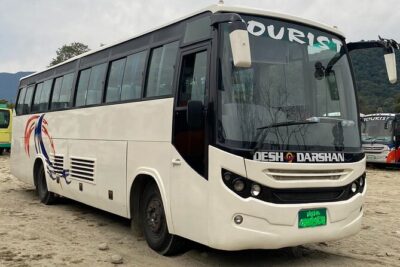
You’re getting an air-conditioned vehicle and a basic mini bus seat, which matters in Pokhara when the day warms up. The group size is capped at a maximum of 20 travelers, so you’re not packed into a huge bus. The tour also includes hotel pickup and drop-off within the Lakeside area, which is where most visitors base themselves.
Start time is 9:45 am. With multiple stops, plan on a full day, about 6 to 7 hours in total. At each site, you’ll typically get enough time to walk around, grab photos, and reset—without it turning into an all-day hike.
Also keep an eye on the “un-guided” label. Your time on site is for exploring. You’ll want to read the moment: if the viewpoint line is long, you’ll adjust. If the cave entrance is crowded, you’ll wait your turn. That’s normal in popular places, and a flexible tour helps rather than hurts.
Bindhya Basini Temple: hundreds of stairs and big rewards
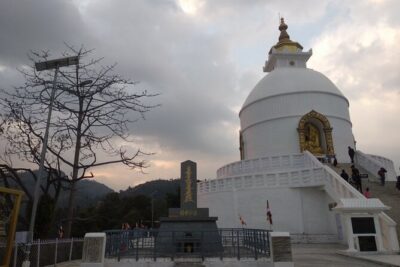
One of the more memorable parts is Bindhya Basini Temple. It’s a Hindu temple up on a small hill, and yes, you’ll climb what feels like a small mountain—there are hundreds of stairs to reach the top. The admission here is free, which is a nice win.
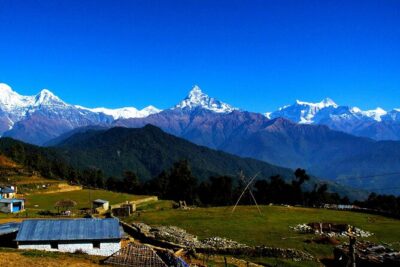
What I like about this stop is the payoff. The temple itself is the main event, but the best part is the view from the top: you can look out toward the Annapurna range. Even if clouds roll in, the climb and the scenery break up the day in a way pure lake stops can’t.
Potential drawback: the stairs. If you’re not comfortable with steep steps, treat this as the day’s “workout.” Wear shoes with good grip and take it slow. The good news is that the time here is about 30 minutes, so it doesn’t linger unless you want it to.
Seti River Gorge: a quick nature stop with a dramatic look
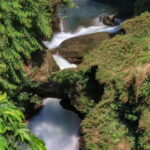
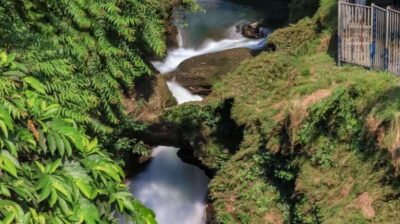
Next up is Seti River Gorge. This is a natural gorge where you can see a white-water river feature that’s carved by the mountain. You’ll spend about 20 minutes here, and the entrance fee is not included.
Because the stop is short, go in with the mindset of snapshots and quick walking, not long wandering. If the lighting is good and the water flow looks dramatic, you’ll appreciate how this gorge contrasts with temple-and-cave stops.
What to watch for: conditions. In some natural sites, the “wow” factor can depend on water levels and weather. You can’t control that, but you can control your expectations—think quick and scenic, not a long deep exploration.


Mahendra Cave: cool air and a simple half-hour
Mahendra Cave is next, and it’s known for being a beautiful cave. You’ll have about 30 minutes inside, and this one also has an entrance fee that isn’t included in the base price.
Caves change your pace fast. Instead of bright outdoor photos, you’ll spend time looking for the best spots and letting your eyes adjust. If you like natural features that feel cooler and darker than the surrounding valley, this fits the day nicely.
The practical consideration is clothing and shoes. Even if the cave isn’t described in detail, caves are usually less forgiving than open-air paths. Comfortable footwear helps, and if you’re sensitive to narrow or dim spaces, keep that in mind when you plan your time.
Begnas Lake: real time on the water (boating costs extra)
Begnas Lake is where the tour gives you a longer pause. You’ll have about 1 hour here, which is a lot compared to the shorter stops earlier in the day. Admission isn’t included, but this is one of the most relaxing parts of the loop.
The big perk: you can go boating if you want, but it’s an extra cost. That means you can choose how involved you want to be. If you’d rather just sit, walk a bit, and enjoy the lake views, you can. If you want motion and photos from a boat, you can pay for that add-on.
My advice: use the hour strategically. Start by taking a slow walk and figuring out where you want to sit or stand. Then decide on boating. With a time window like this, you’ll feel calmer than you would at a short “get in, get out” lake stop.
Devi’s Fall: a famous spot with a short visit window
Devi’s Fall is the standout waterfall-and-gorge stop on this kind of Pokhara day. It’s described as a wonderful waterfall going downwards into a gorge. You’ll get about 20 minutes here, and entrance fees are not included.
This is one of those locations where the “main event” is right there, so 20 minutes is often enough to see what you came for. You can focus on the flow, the viewpoint angles, and the surrounding area without burning the day. But because the stop is brief, go when you’re ready to move quickly—don’t spend your whole window looking for the perfect angle.
Consideration: waterfalls can look wildly different depending on water and weather. If it’s been rainy, it may be louder and stronger. If not, it may be gentler. Either way, plan to enjoy the setting rather than chase a specific water “strength.”
Gupteswar Gupha: 140 meters down and a cultural-cave feel
Then you hit Gupteswar Gupha, another cave stop. This one is described as cultural and historical, and the cave is about 140 meters depth. You’ll have around 40 minutes here, which makes it the longest cave segment in the day.
A 40-minute slot matters. You’ll get time to walk the area, take in what you can, and not feel like you’re constantly rushing. It also gives you a buffer if you’re slow with photos or if the cave’s interior needs a little extra time for visibility.
What I’d watch: this is the kind of place where people naturally slow down because it feels different than the outdoor stops. If you’re the type who likes to keep moving, you may still enjoy it, but you’ll want to pace yourself so you don’t run late for later stops.
Phewa Tal at the end: lake time near your hotel
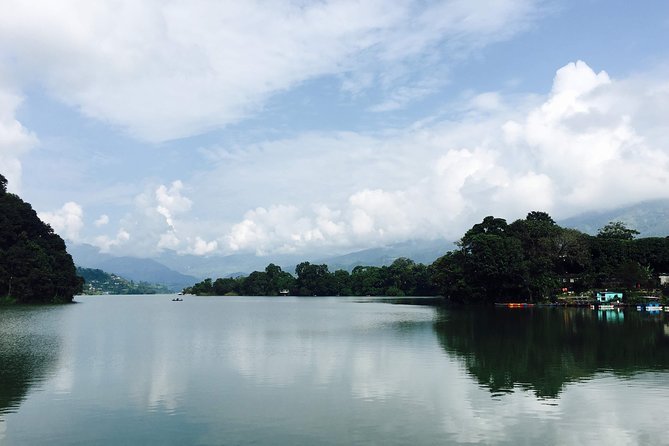
Your last stop is Phewa Tal (Phewa Lake). This is a great way to end, because it’s near the Lakeside area, so getting back to your accommodation is easier. You’ll get about 20 minutes there, and the admission is free.
This ending slot is intentionally practical. You won’t be pressured to squeeze in another full activity afterward. Instead, you can explore the lake area briefly, then return on your own. If you want a couple of photos, a quick walk, or just a calm reset after caves and hills, this is the best timing.
The only catch is that 20 minutes can feel short if you love lakes. If you want more lake time, plan to come back later the same day or the next morning. This tour gives you a taste, not a full lake day.
Price and value: what you’re paying for (and what to budget)
The base price is listed around $12. For that, you’re getting:
- an air-conditioned vehicle,
- basic mini bus seat,
- hotel pickup and drop-off within Lakeside,
- a local guide who assists (even if you’re not getting formal explanations),
- and the structure of a full-day sightseeing loop.
That’s strong value for Pokhara, especially if you’re staying in the Lakeside zone and want one day of transport that strings together major spots. Where costs change is entrance fees. Entrance fees are not included, and they’re estimated around $7 per person.
Some places are free, specifically Bindhya Basini Temple and Phewa Tal. Others have fees. So your total day cost will likely be something like $12 plus the entrance fee estimate, depending on what’s collected at each stop. Budgeting for entrances makes the day feel smooth rather than stressful.
Meals aren’t included either. Plan to buy food and drinks on your own during the day. That also gives you flexibility: you can eat when you feel hungry, not when a schedule forces you.
Who this tour fits best in Pokhara
I think this works best if you want an affordable, one-day Pokhara plan that hits the classics. It’s a good fit if you:
- want transport + timing more than a scripted guide,
- like mixing viewpoints, caves, and lakes,
- are staying around Lakeside and want easy pickup/drop-off,
- prefer short, manageable stops rather than long hikes.
It’s also useful for people who enjoy figuring things out on the ground. You’re exploring on your own, so you can choose what to focus on at each stop—stairs and views at the temple, photos at Devi’s Fall, a slower pace at Gupteswar Gupha.
If you need deep explanations at every site, you may want a guided option instead. And if stairs or enclosed spaces are a challenge for you, plan carefully around Bindhya Basini Temple and the caves.
My straight take: should you book this Pokhara loop?
If you’re trying to see a lot without spending much, I’d lean yes. The best part is the balance: you get a low-cost way to cover major Pokhara sights with AC comfort and Lakeside pickup, plus free admission at two of the stops. The unguided feel also makes the day feel more like exploring than being herded.
Book it if you’re comfortable doing a little self-guided wandering, you can handle stairs, and you want a practical day plan. Skip it (or choose a different format) if you want constant commentary, or if you strongly prefer fewer stops and more time at each one.
If you do book, pack good walking shoes, bring a little cash for entrances, and keep your expectations realistic for short stops. Then you’ll get a fun, efficient Pokhara day—and you’ll still have plenty of room to enjoy the places at your own pace.
FAQ
What’s included in the $12 price?
You get a basic mini bus seat, air-conditioned vehicle, and hotel pickup and drop-off within the Lakeside area of Pokhara. A local guide is included to assist, and there’s a mobile ticket option.
Is the tour really unguided?
It’s labeled unguided, meaning you explore on your own at each stop. You will have a local guide who can help if you need something, but it’s not described as a full explanation tour.
What’s the meeting time and how long does it take?
The start time is 9:45 am, and the duration is approximately 6 to 7 hours.
Are entrance fees included?
No. Entrance fees aren’t included, with an estimated total of about $7 per person. Some stops are free (Bindhya Basini Temple and Phewa Tal).
Do you get time for boating?
You’ll have time at Begnas Lake (about 1 hour), and boating is available for an extra cost.
Where does pickup and drop-off happen?
Pickup and drop-off are included within the Lakeside area of Pokhara.
How many people are in the group?
The tour has a maximum of 20 travelers.
What if my plans change—can I cancel?
Yes, free cancellation is available. You can cancel up to 24 hours before the experience start time for a full refund.
Also Reviewed Around Pokhara
More City and Valley Sightseeing
Newer Pokhara reviews to browse before you decide
Pokhara City & Valley Sightseeing, compared.
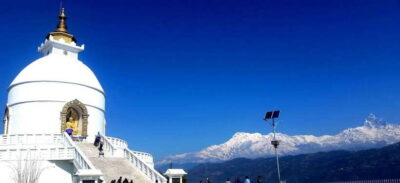 ★ 4.1Full-Day Sharing Bus Tour on 7 Iconic DestinationFrom $12179 reviews
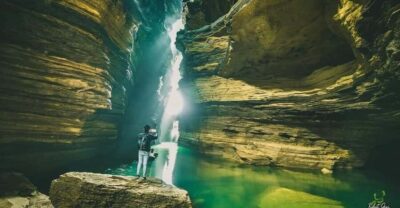 ★ 4.8Full-Day Private Tour on 7 Iconic DestinationFrom $53108 reviews
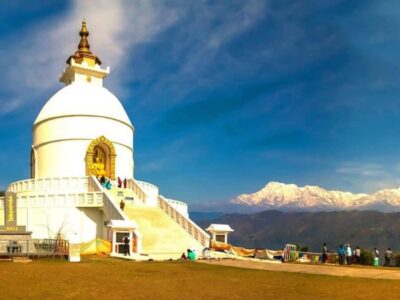 ★ 4.8Sarangkot Sunrise with Half or Full-Day City TourFrom $8100 reviews
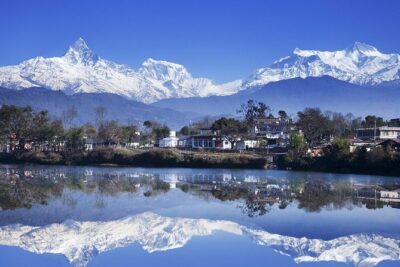 ★ 5.0The Best of Pokhara: Full-Day Private Tour with Sarangkot SunriseFrom $6866 reviews
 ★ 5.0Guided Tour to explore the entire Pokhara CityFrom $7051 reviews
 ★ 4.1City Sightseeing Group Bus TourFrom $837 reviews
 ★ 5.0Pokhara Valley Mountain Bike Adventure Private TourFrom $18530 reviews
 ★ 5.0Best of Pokhara Must Visit 5 Himalayas viewpointsFrom $7520 reviews
Browse the lists this tour appears in