
Reviewed · POKHARA CITY & VALLEY SIGHTSEEING
Pokhara: Day City Tour by Sharing Bus
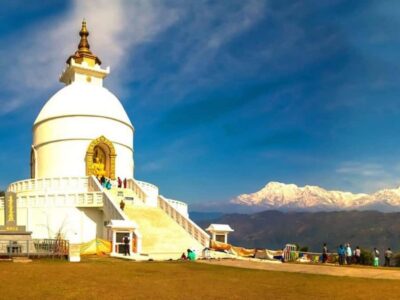
Pokhara in one day can work, if you pick the right route—and this shared-bus circuit hits temples, caves, and viewpoints in a tight 6–7 hours. You start with Bindhyabasini Temple for the Annapurna-and-valley view, then roll through natural sights like Devi’s Fall and the cave stops that feel made for short, punchy exploring.
I like this tour’s value for time: it’s built for a single morning start and a quick return, with pickup and drop-off in the Lakeside area. I also like the structure—multiple stops, a local guide you can ask basic questions to, and a group size capped at 20.
One thing to consider: the bus is a sharing mini bus, so space can get tight, and entrance fees are extra (and around $10 total). If you have specific must-sees like Begnas Lake, go in with the attitude of confirming what’s actually possible that day.
In This Review
- Key Things I’d Watch Before You Go
- How This Shared Bus Day Tour Really Feels in Pokhara
- Starting at 9:45: Pickup From Lakeside Saves You the Stress
- Stop 1: Shree Bindhyabasini Temple for the Annapurna-View Kickoff
- Stop 2: Mahendra Cave—A Short Cave Visit With Extra Budget Needed
- Stop 3: Seti River Gorge for Quick Drama
- Stop 4: Devi’s Fall—Waterfall Views That Are More Than Postcards
- Stop 5: Gupteswar Gupha (Gupteshwor Cave) for a Second Cave Flavor
- Stop 6: Phewa Tal Side Area and the Walk Back to Your Hotel
- Stop 7: Dream City Pumdikot for the Shiva Statue and Panorama
- Price and Logistics: Is $9.77 Actually Good Value?
- What to Pack (So You Don’t Feel Rushed or Irritated)
- Who This Tour Best Fits
- Should You Book This Pokhara Sharing Bus Tour?
- FAQ
- What time does the tour start?
- How long is the Pokhara day city tour?
- Where do you get picked up and dropped off?
- Is the tour price $9.77 inclusive of entrance fees?
- Do I need to bring money for meals and drinks?
- How big is the group?
- Is Dream City Pumdikot admission included?
Key Things I’d Watch Before You Go
- Short stop times mean you’ll see a lot, but you won’t linger.
- Entrance fees are extra, with several cave and sight stops not included.
- Lakeside pickup and drop-off saves you time versus finding your own transport.
- Shared bus seating can be uncomfortable if you’re tall or sensitive to crowding.
- Dream City Pumdikot is the day’s best panoramic payoff if weather is clear.
- Plan for a walk back near Phewa Tal side area instead of a hotel-level drop-off everywhere.
More ways to see the city and Pokhara Valley in a day.
- Pokhara: Full-Day Private Tour on 7 Iconic Destination★ 4.8 · 108 reviews
- Pokhara: Sarangkot Sunrise with Half or Full-Day City Tour★ 4.8 · 100 reviews
- The Best of Pokhara: Full-Day Private Tour with Sarangkot Sunrise★ 5.0 · 66 reviews
- Guided Tour to explore the entire Pokhara City★ 5.0 · 51 reviews
How This Shared Bus Day Tour Really Feels in Pokhara
This is a classic “highlights in one day” plan. You’re not doing long hikes. You’re moving. That’s the point. Pokhara is spread out, and a shared bus is how you compress the geography into one outing without driving yourself.
The pacing works best if you like a steady flow: arrive, look around, take a few photos, move on. The route is also practical for first-timers because it threads together viewpoints, caves, a gorge, and the lake zone. If you want one day that helps you get your bearings fast, this does that.
You should also know what you’re paying for. The published price is $9.77 per person. For that, you get the seat on a shared normal mini bus plus pickup/drop within Lakeside, and you get a local guide who’s there if you ask questions. What you don’t get is meals and most entrance fees. Expect to budget about $10 more for admission across several stops.
Starting at 9:45: Pickup From Lakeside Saves You the Stress
The day begins at 9:45 am. You get pickup if you’re staying in the Lakeside area, and you’ll be dropped back on the return at the Phewa Tal side area so you can walk to your hotel.
That pickup detail matters more than it sounds. In Pokhara, the lake road is where you’ll find most hotels. If your tour doesn’t include pickup, you end up spending time negotiating rides or walking to a distant meeting point. Here, the tour’s built around the Lakeside crowd.
Group size is another practical plus. The cap is 20 travelers. That’s not tiny, but it usually helps keep the schedule realistic. On days when everyone arrives on time, you can actually hit the sequence without the day turning into a waiting game.
One more thing: you’ll use a mobile ticket. That’s handy, but I’d still keep a screenshot offline in case your phone battery or signal gets weird.
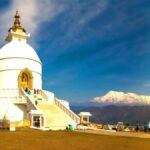
Stop 1: Shree Bindhyabasini Temple for the Annapurna-View Kickoff
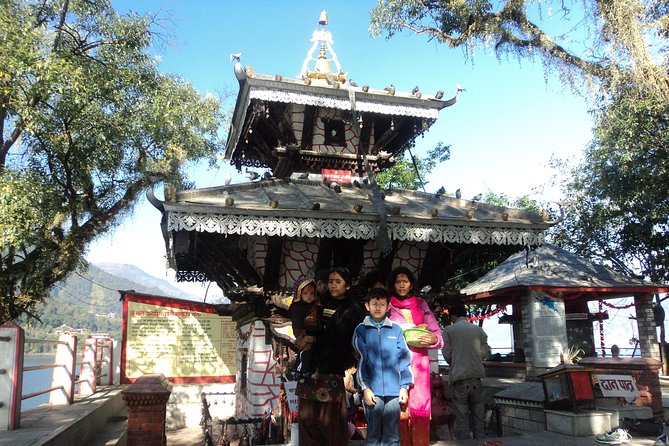
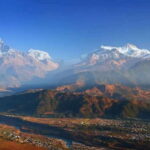
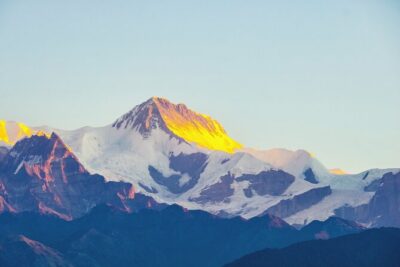
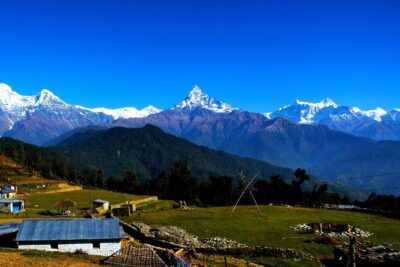
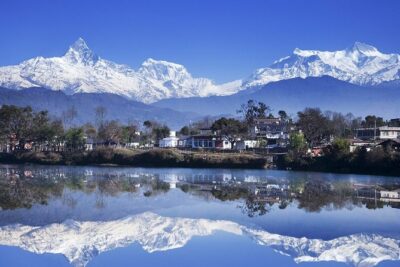
Your first stop is Shree Bindhyabasini Temple. It’s a Hindu temple experience with a strong payoff: when you climb up to the viewpoint, you get panoramic views of the Annapurna mountain range and the Pokhara valley.
I like leading the day with a view because it sets the mood. Early in the schedule, your energy is still good, and the sky is more likely to cooperate. This temple also gives you a cultural anchor. You’re not only chasing scenery; you’re seeing the kind of sacred place locals treat as part of everyday life.
Time is about 35 minutes, and admission is free. The quick timeline means you’ll want to move steadily: short prayer stop, then viewpoint photos, then back to the bus. If you’re sensitive to stairs or crowds, go easy on the pacing and let the group flow.
Stop 2: Mahendra Cave—A Short Cave Visit With Extra Budget Needed
Next up is Mahendra Cave. This is one of the cave stops where you’ll trade time for atmosphere. The schedule gives you about 30 minutes.
Here’s the catch: admission is not included. So you’ll pay on-site (or however the operator handles it). That cave fee may be small, but it adds up because multiple stops are the same deal.
In a cave like this, the value is less about spending an hour inside and more about having a quick, distinct switch from outdoor lake views. You get a different texture to the day. If you’re thinking about what to bring, comfortable shoes help. Cave paths can be slippery or uneven.


Stop 3: Seti River Gorge for Quick Drama
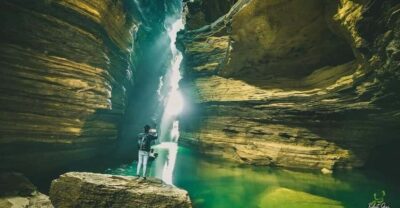
Then you go to the Seti River gorge. Time on this stop is about 20 minutes, and again admission is not included.
This is a “look and understand” stop. You’ll likely see dramatic rock cuts and river territory from the viewing area. Because you only get a short window, don’t plan on a long detour. Make a decision fast: what angle do you want for photos, and how close can you safely get?
It’s also one of those places where the weather and water flow can affect the vibe. On a clear day, you’ll enjoy the contrast between rock and sky. On a day with low visibility or heavy mist, you’ll still get the concept, but photos might be less satisfying.
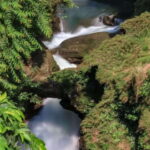
Stop 4: Devi’s Fall—Waterfall Views That Are More Than Postcards
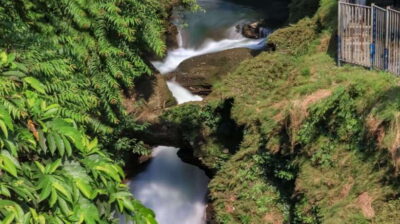
After the lake zone, you drive to Devi’s Fall. The schedule gives 30 minutes, and admission is not included.
Devi’s Fall is popular for a reason. It feels like a place where nature does its thing without needing explanation. The main value here is that you’re ending the “geology loop” with something recognizable and photographable. It breaks up the caves with an outdoor water scene.
You’ll also notice this stop happens after the route mentions Begnas Lake. That matters because Begnas is part of the intended day plan, even if the exact practical stop time can vary.
A fair warning from real-world experience: if Begnas Lake is one of your top reasons for booking, don’t wait until you’re already in the bus. Ask early whether it will be a full stop or more of a drive-by segment that day. This keeps you from getting stuck with a regret you can’t fix at the last minute.
Stop 5: Gupteswar Gupha (Gupteshwor Cave) for a Second Cave Flavor
Then you visit Gupteswar Gupha (also spelled Gupteshwor Cave on some signs). You get about 40 minutes, with admission not included.
Two cave stops in one day can sound repetitive. The trick is to treat each one as a different experience. Mahendra Cave gives you one atmosphere; Gupteswar gives another, often with a different layout and mood once you’re inside. You’re not meant to spend your whole day underground. You’re meant to collect two distinct cave impressions and move on.
If you’re the type who hates rushing through sights, this is where you’ll have to compromise. The cave time is the longest for the mid-day stretch, so you still should be able to take your photos and walk at your own pace a bit—just don’t plan on lingering past the group’s rhythm.
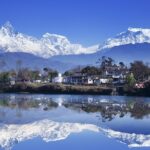
Stop 6: Phewa Tal Side Area and the Walk Back to Your Hotel
Finally, you drive to the Phewa Tal side area. Time is about 30 minutes. Admission isn’t listed because this is more of a return point than a ticketed attraction, and you can walk back to your hotel from there.
This is a practical moment. In Pokhara, lots of hotels sit close to the lake road. So a “walk back” can actually be a convenient landing. Just check your hotel location first. If you’re farther away, your feet might feel it after a 6–7 hour tour.
Also, because this is at the end, you’re likely to feel the day’s pace. Make use of the break: grab a drink if you didn’t pack one, do a quick snack run, and reset your phone batteries while you still have a little time.
Stop 7: Dream City Pumdikot for the Shiva Statue and Panorama
The last sight is Dream City Pumdikot. It’s about 25 minutes, and the admission ticket is included.
This is the stop I’d put on the “if weather is clear, aim for this” list. You visit the village area with a statue of Lord Shiva, plus panoramic views of the Annapurna Mountain range. Since you’re toward the end of the day, you’ll want the sky to cooperate because this is the kind of view you’ll remember.
Pumdikot’s value is its contrast. After caves, gorge viewing, and a waterfall, you end with a higher, open-air panorama. It’s a nice mental reset and a good way to close a compressed day.
Price and Logistics: Is $9.77 Actually Good Value?
Let’s talk money in a straight way. At $9.77 per person, this tour is priced like a budget city day trip. The big question is what you give up to get that price.
You’re trading luxury and time for coverage. You’re on a shared mini bus. You’re getting short visits at each stop. And several places have entrance fees that aren’t included, listed as roughly $10 total for admissions across sights. Meals and drinks are also extra.
Still, for many people, the value stacks up because:
- you get pickup/drop in the Lakeside area, so you’re not spending your morning figuring out transport
- you see several anchors of Pokhara in one run—temple viewpoint, two cave experiences, gorge views, Devi’s Fall, Phewa Tal area, and a panoramic end stop
- the maximum group size is 20, which usually helps keep stops moving rather than turning into long waits
The main “logistics risk” is bus comfort and schedule consistency. A bad experience shared with this tour type is exactly what you should guard against: overcrowded seating and a stop not happening as expected. The tour you’re considering does list Begnas Lake in the overall description, but in real life, delays or capacity can change how long you spend there. If Begnas Lake matters, treat it like a confirm-now item.
What to Pack (So You Don’t Feel Rushed or Irritated)
Because time is tight at most stops, you’ll benefit from travel-smart basics.
Bring:
- comfortable shoes (caves and uneven paths)
- a light layer (caves can feel cooler)
- water (meals/drinks aren’t included)
- sunscreen and a hat for outdoor viewpoints
- a phone charger or power bank if you’re photo-heavy
Also keep your plan flexible. This day is designed to move, not to wait out crowds. If you’re the type who hates schedules, you might find the short stop times stressful. If you’re okay with quick-hit sightseeing, you’ll likely enjoy how much you cover.
Who This Tour Best Fits
This works well if you:
- are short on time and want Pokhara highlights without renting transport
- want a structured day around Lakeside
- like variety—temples, caves, waterfall, gorge, and panoramic mountain views
- travel in a group or as a family where “good enough, quickly” beats “perfect, slowly”
It may not be ideal if you:
- hate tight seating on shared vans
- need long, unhurried exploration at each place
- have a non-negotiable must-see that could be limited by schedule (Begnas Lake is the one to watch)
Should You Book This Pokhara Sharing Bus Tour?
I’d book it if your priority is getting a lot of Pokhara into one day at a low price, with pickup and a clear loop of sights. The mix is strong: viewpoint at Bindhyabasini, two cave stops, Seti River gorge, Devi’s Fall, return near Phewa Tal, and a scenic finish at Dream City Pumdikot.
I would hesitate only if you’re extremely sensitive to crowding or you’re counting on every single listed stop with no room for schedule realities—especially Begnas Lake. In that case, ask questions before you pay, and confirm what the day will actually include on your date.
If you like quick, practical sightseeing with a family-friendly pace, this is a sensible bet.
FAQ
What time does the tour start?
The tour starts at 9:45 am.
How long is the Pokhara day city tour?
It runs about 6 to 7 hours.
Where do you get picked up and dropped off?
Pickup and drop-off are offered within the Lakeside area of Pokhara. The return drop is at the Phewa Tal side area, from where you can walk back to your hotel.
Is the tour price $9.77 inclusive of entrance fees?
No. Entrance fees for sightseeing places are not included, and the total is listed as around $10.
Do I need to bring money for meals and drinks?
Yes. All meals and drinks are not included, and you can purchase them.
How big is the group?
The tour can have a maximum of 20 travelers.
Is Dream City Pumdikot admission included?
Yes. The Dream City Pumdikot stop includes an admission ticket.
Also Reviewed Around Pokhara
More City and Valley Sightseeing
Newer Pokhara reviews to browse before you decide
Pokhara City & Valley Sightseeing, compared.
 ★ 4.1Full-Day Sharing Bus Tour on 7 Iconic DestinationFrom $12179 reviews
 ★ 4.8Full-Day Private Tour on 7 Iconic DestinationFrom $53108 reviews
 ★ 4.8Sarangkot Sunrise with Half or Full-Day City TourFrom $8100 reviews
 ★ 5.0The Best of Pokhara: Full-Day Private Tour with Sarangkot SunriseFrom $6866 reviews
 ★ 5.0Guided Tour to explore the entire Pokhara CityFrom $7051 reviews
 ★ 4.1City Sightseeing Group Bus TourFrom $837 reviews
 ★ 5.0Pokhara Valley Mountain Bike Adventure Private TourFrom $18530 reviews
 ★ 5.0Best of Pokhara Must Visit 5 Himalayas viewpointsFrom $7520 reviews
Browse the lists this tour appears in